My Firsthand Experience With Amazon's 2026 Coding Interview


I recently went through the Amazon software development engineer (SDE) coding interview loop, and I’m sharing a detailed breakdown of what to expect—from the process itself to the types of problems I encountered and the mindset that helped me navigate it.The interview was structured across multiple virtual rounds, each focusing on coding, data structures, algorithms, and system design fundamentals. Known for its Leadership Principles and behavioral questions, Amazon also placed strong emphasis on clean, efficient code and scalability—even in early technical screens.
Whether you’re preparing for your first tech interview or looking to refine your approach, I hope this recap helps you build confidence and clarity for the Amazon loop.
I’m genuinely thankful to Linkjob.ai—It truly made a difference in helping me pass my interview, which is why I’m sharing my questions and takeaways here. Having a live AI interview assistant guiding me through coding challenges without being detected gave me a significant advantage when it mattered most.
Amazon Coding Interview Questions
LeetCode And Algorithm Challenges
When I prepared for my amazon coding interview, I spent most of my time on LeetCode. The questions covered a wide range of topics. I noticed that certain problem types appeared again and again. Below are the problems I encountered:
Part 1: Online Coding Challenge (70 minutes, 2 problems)
The coding round was conducted on Amazon’s own coding platform. The interface felt intuitive, with syntax highlighting and function stubs similar to common IDEs.
Format & Rules:
Time: 70 minutes for 2 coding questions.
Navigation: You can preview both questions before starting and switch between them freely during the session.
Submission: Multiple submissions allowed. The system runs your code against all test cases upon each submission.
Test Cases: There were over a dozen test cases in total. Only the first 3 test cases were visible (input/output shown); the rest were hidden and marked only as passed/failed.
Questions I Received:
I was fortunate to have practiced both problems beforehand, which helped me finish in about 40 minutes.
1. Compute Encoded Name
Description: Given a symmetric string, return the lexicographically smallest symmetric string possible.
Example: Input "yxxy" → Output "xyyx".
Approach: This is essentially a rearrangement problem constrained by symmetry. I treated it as constructing the left half with the smallest possible characters, then mirroring to form the full symmetric string.
2. Get Sequence (DNA Pair Validation)
Description: Determine whether two DNA strings form a valid pair. A pair is valid if, by removing at most one character from each string, the remaining sequences become identical.
Example: Strings like "AGTAC" and "AGTC" could be valid if removing one char from the first yields the second.
Approach: I used a two-pointer traversal with one “skip” allowed for mismatch, checking both directions to allow a deletion in either string.
Tips:I always start by skimming both problems to gauge their scope—spending those first few minutes upfront saves time later. During the Interview, I used linkjob.ai to help me solve difficult problems.This software is very useful, as it allows me to use its AI tool during the online interview without being detected by the interviewer. Even when sharing the screen, the interviewer cannot see the AI tool on my screen.Thanks to this tool, I successfully passed the online interview stage of Amazon.
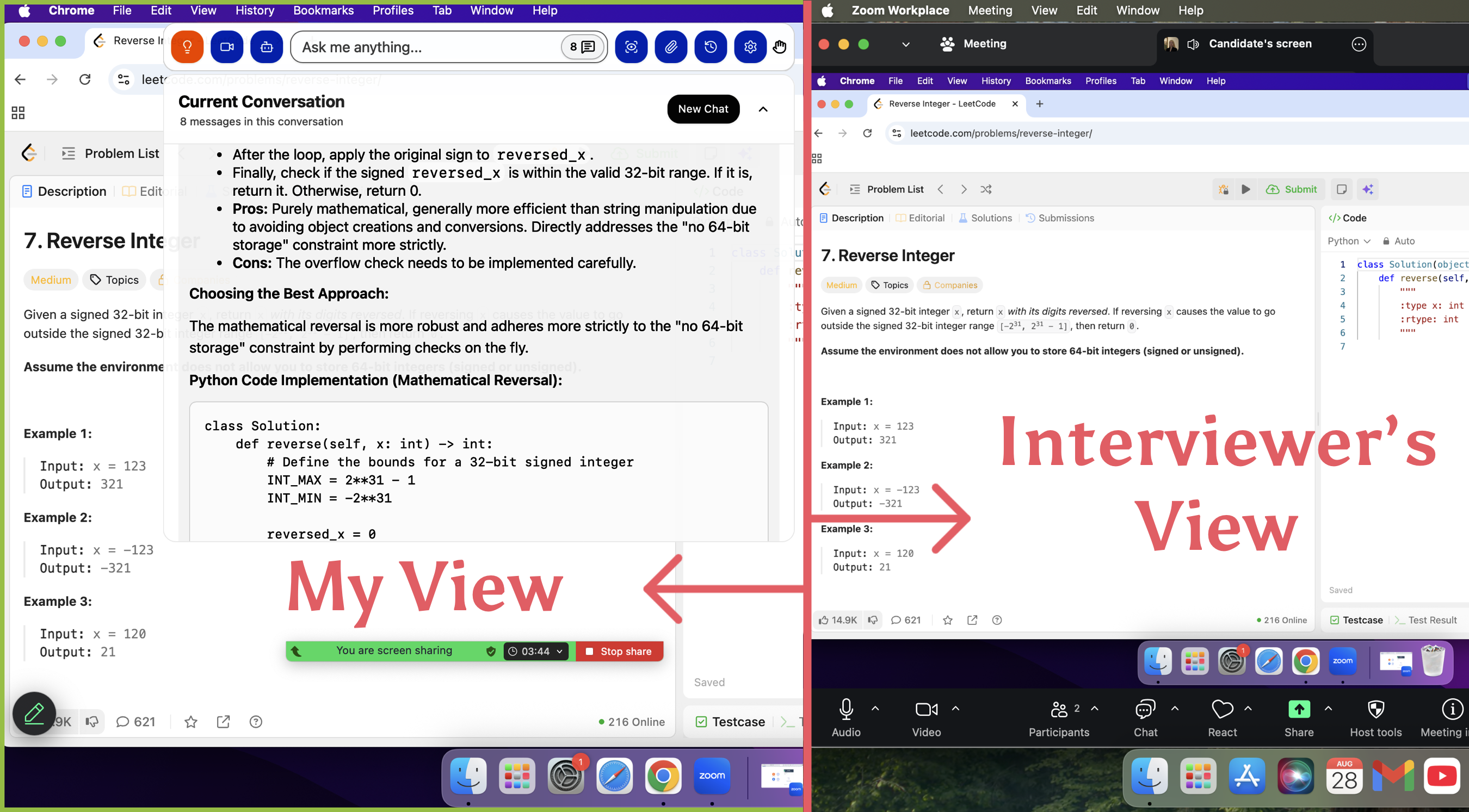
This is completely invisible from the interviewer's perspective! I tested it with my friend before the interview, and she couldn't see the AI tool on my shared screen at all!
Part 2: Software Engineer “Day in the Life” Simulation (60 min – 4 hours)
This was a scenario-based assessment designed to mimic real-world tasks at Amazon. It consisted mostly of multiple-choice questions and rating scales (1–5), focusing on decision-making, troubleshooting, and collaboration.
Most candidates finish within about 1 hour.
Questions I Received:
1.Debugging a Production Issue
Scenario: The manager shared an error log screenshot showing a user unable to load a page, with the log stating "comment array is empty."
Questions asked:
Which resources would be most helpful to diagnose this issue?
What is the most likely root cause?
How would you prioritize fixing this?
2.Algorithm Selection Based on Output
Scenario: Presented with results from two delivery route algorithms — showing deliveries per hour and cumulative mileage over time.
Questions asked:
Algorithm A has a higher average delivery count. Would you choose it? Why or why not?
Which algorithm is more fuel-efficient over the full route?
If on-time delivery is the top priority, which metric matters most?
3.Feature Trade-off Analysis
Scenario: Two proposed features with listed pros and cons (e.g., Feature X improves latency but increases cost; Feature Y is cheaper but adds complexity).
Questions asked:
Which feature would you recommend and why?
What stakeholder input would you seek before deciding?
How would you measure success after rollout?
Key Takeaways & Advice
Coding Round: Practice symmetry, string manipulation, and “almost equal” validation problems. Even if test cases are hidden, try to think of edge cases upfront.
Simulation Round: There’s no single “right” answer, but Amazon looks for customer-centric, data-driven, and efficient reasoning. Always tie your choices back to Leadership Principles like Customer Obsession, Ownership, and Bias for Action.
Mindset: Treat the simulation like a real workday—think aloud, justify trade-offs, and focus on actionable next steps.
Tip: If you want to boost your confidence, practice medium and hard LeetCode problems. I noticed that interviewers liked to see how I handled edge cases and explained my thought process.
Shared Experiences And Common Questions
Peer-Shared Amazon Coding Interview Patterns
When I talked with others who went through the amazon coding interview, I noticed some clear patterns. Most candidates faced a mix of technical and behavioral questions. The interviews always focused on Amazon’s leadership principles. Usually, each session started with a warm-up question and then moved to more challenging problems. Here’s a table that sums up what I saw:
Interview Aspect | Description |
|---|---|
Focus on Leadership Principles | Candidates are expected to demonstrate understanding and alignment with Amazon's leadership principles. |
Technical Questions | Typically includes 2 medium-level DSA questions, often sourced from LeetCode. |
Interview Duration | Usually lasts between 45 to 60 minutes, starting with an easier question followed by follow-ups. |
I also learned that the experience can change depending on the role. For example, technical product managers need to show deep technical knowledge and system design skills, while product managers focus more on business impact and customer needs.
Notable Amazon Coding Interview Questions From Others
I always find it helpful to hear about the questions my peers faced. Some of the most memorable ones included both coding and system design challenges. Here are some of them:
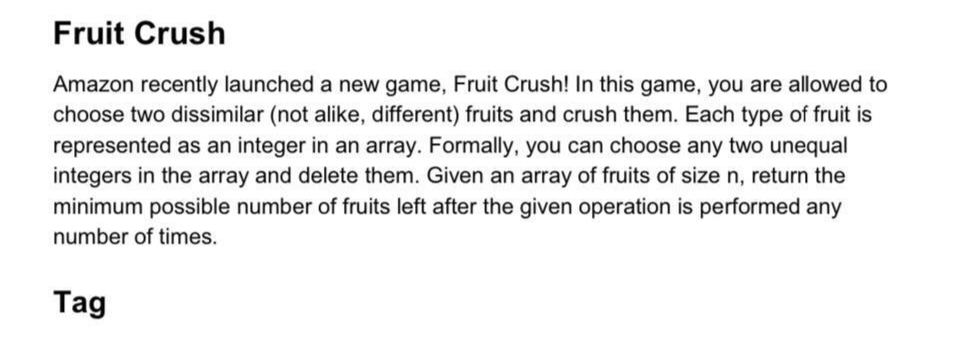
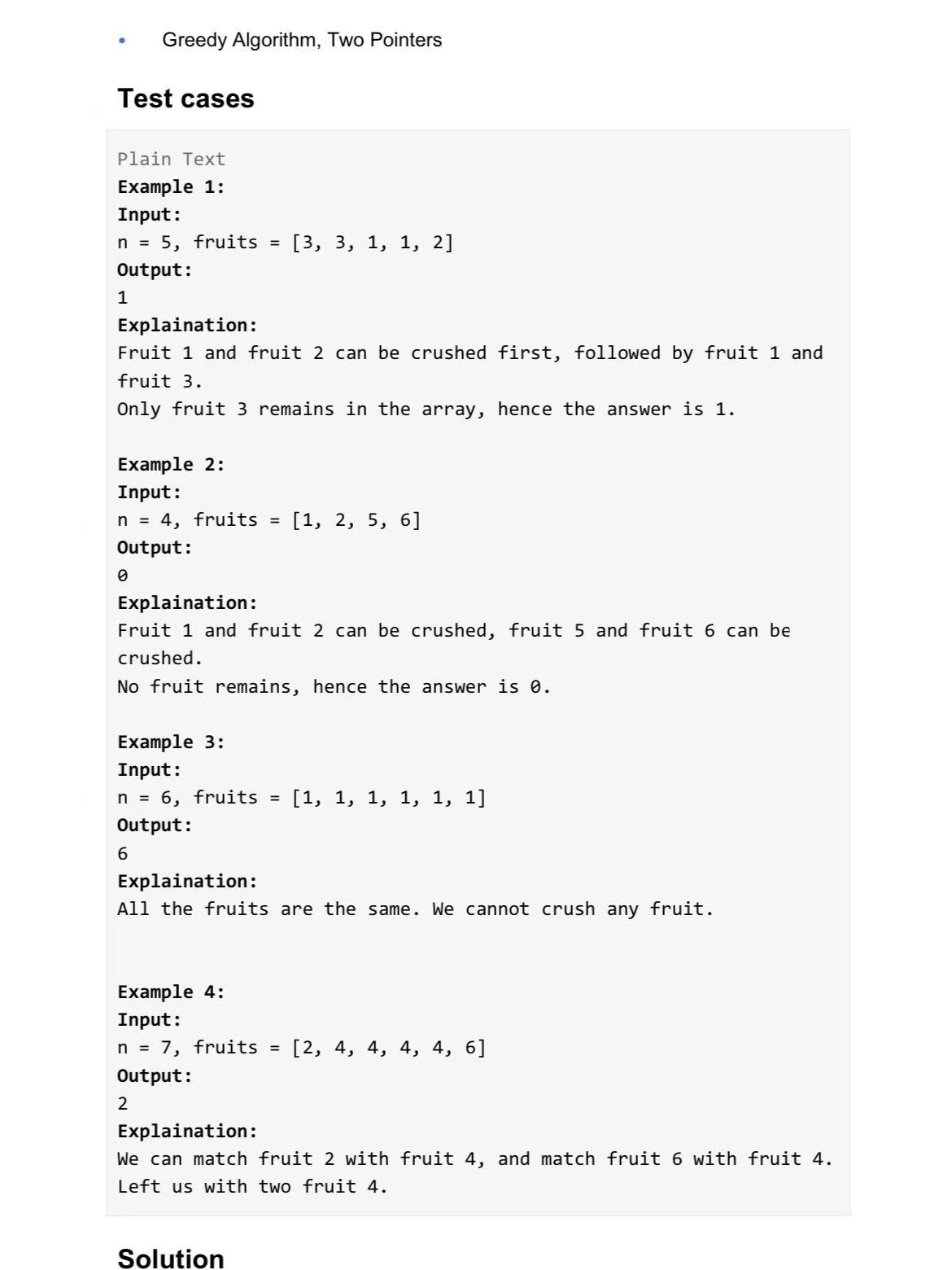
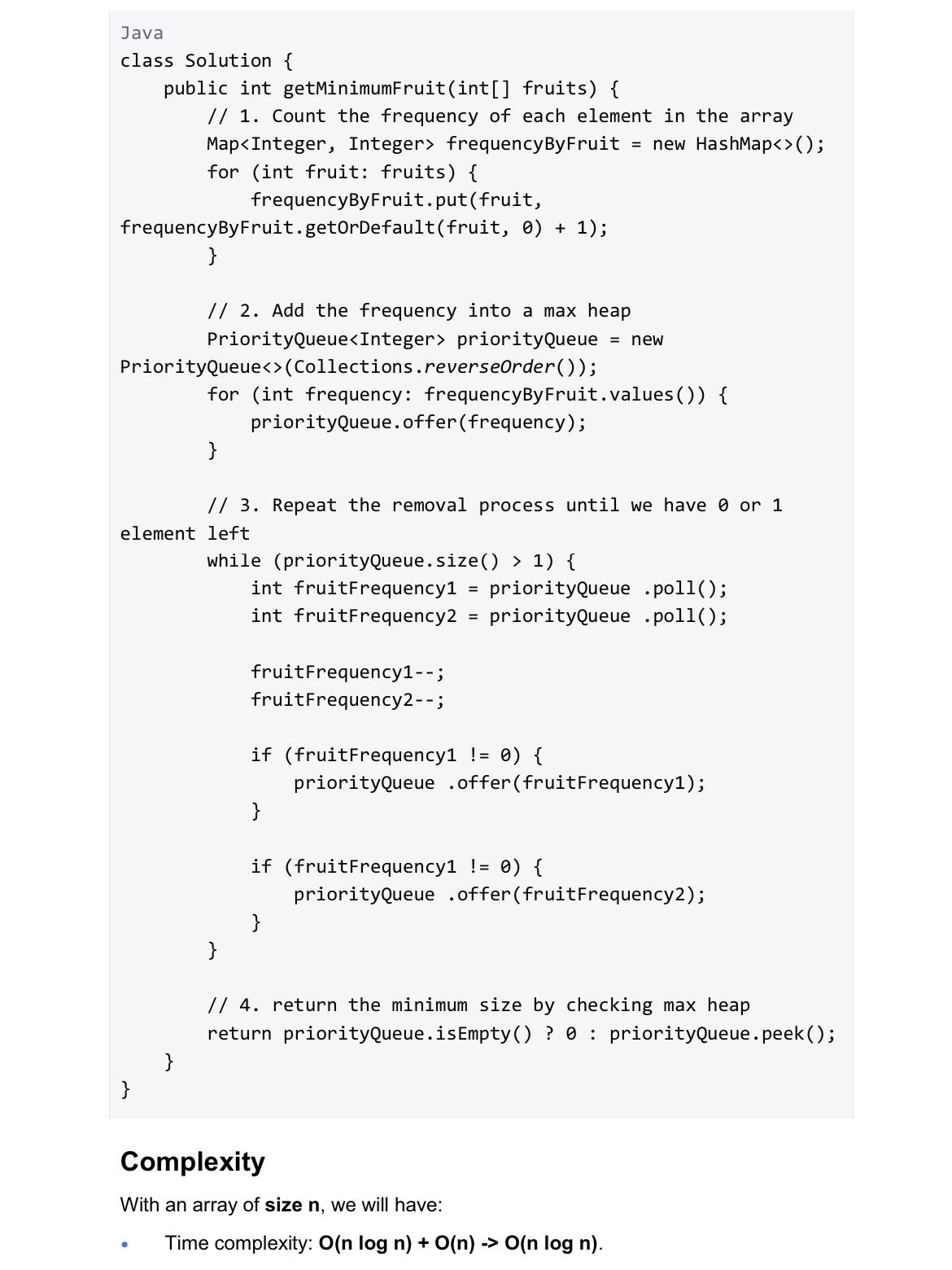
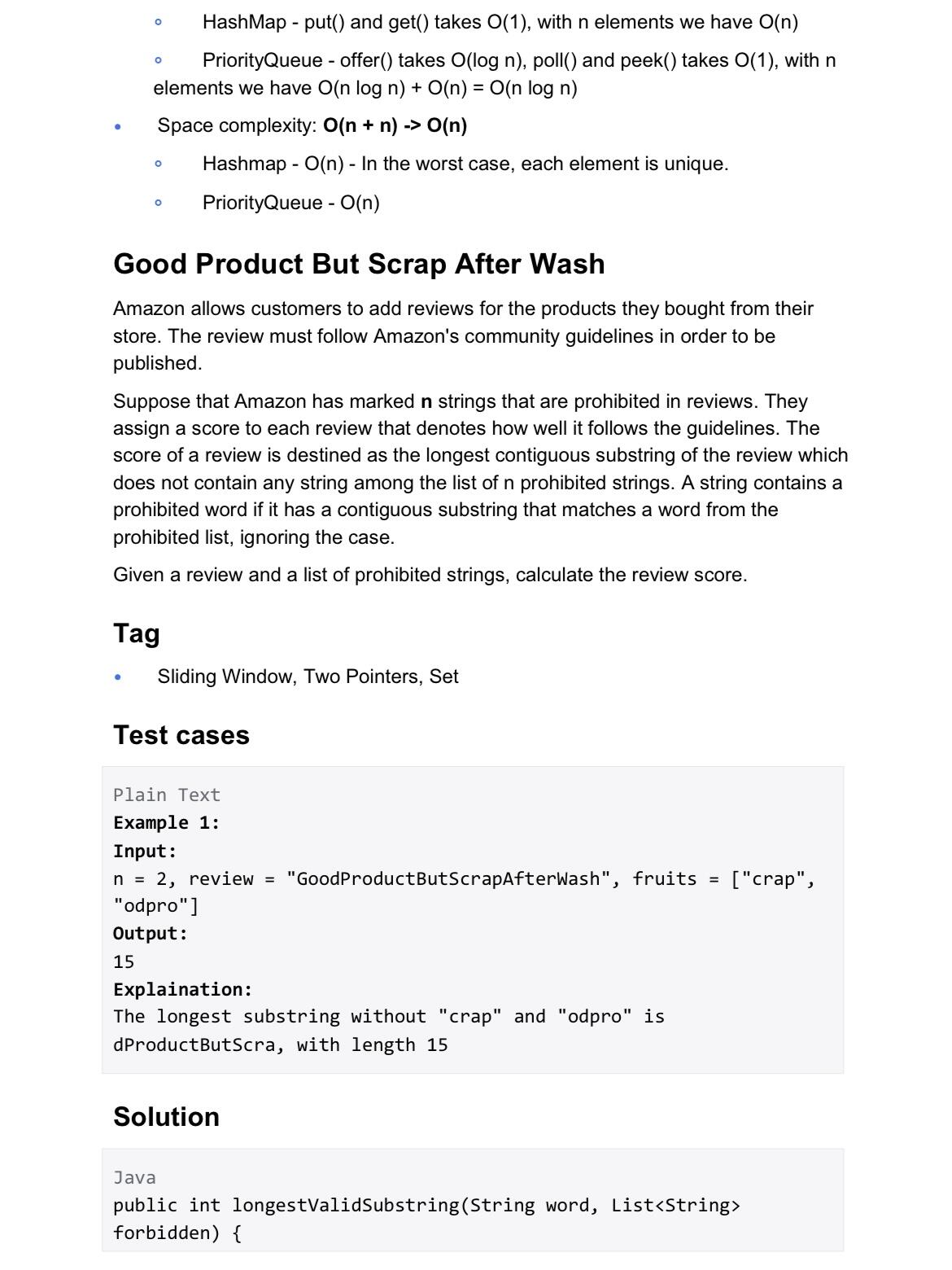
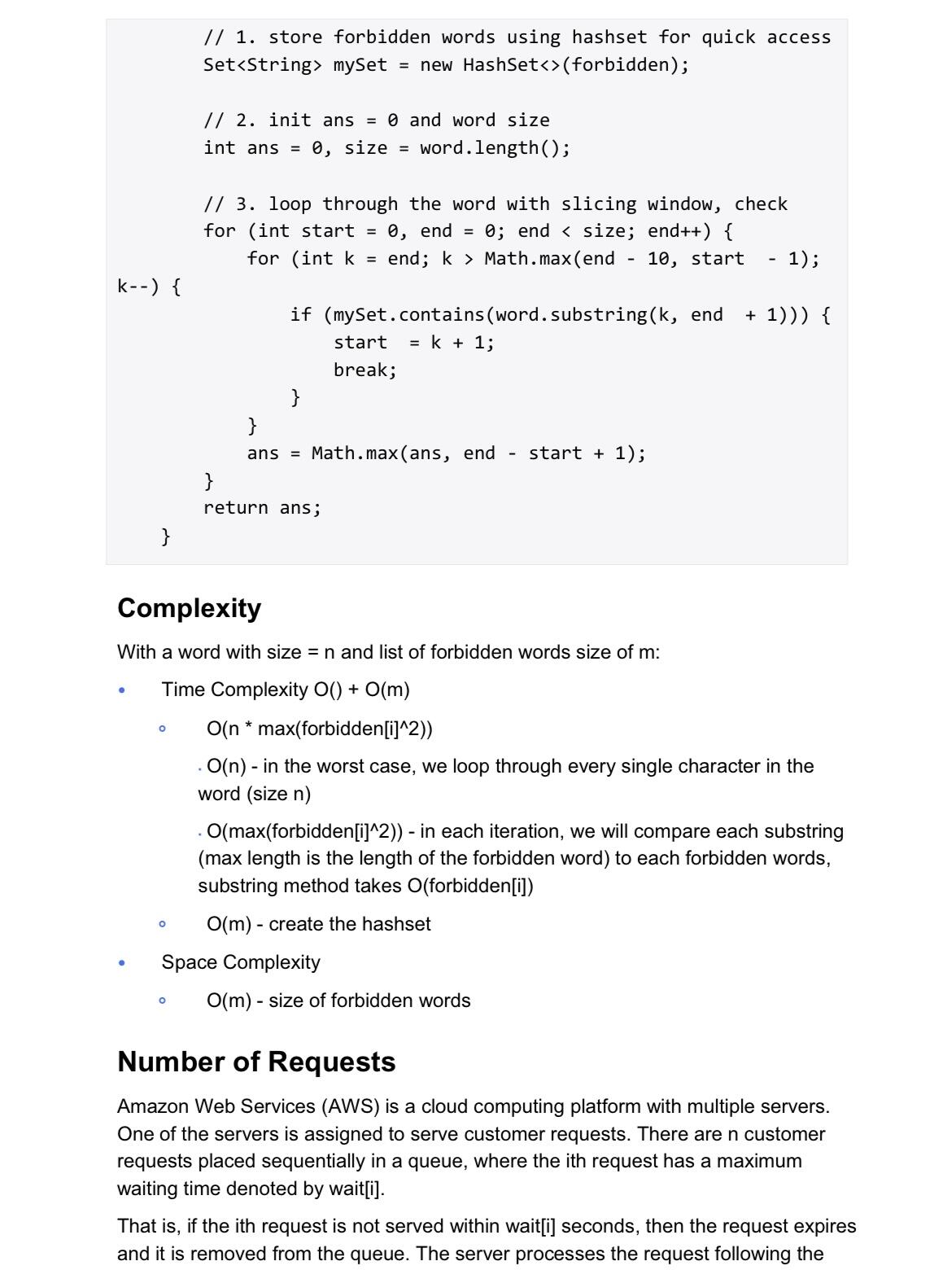
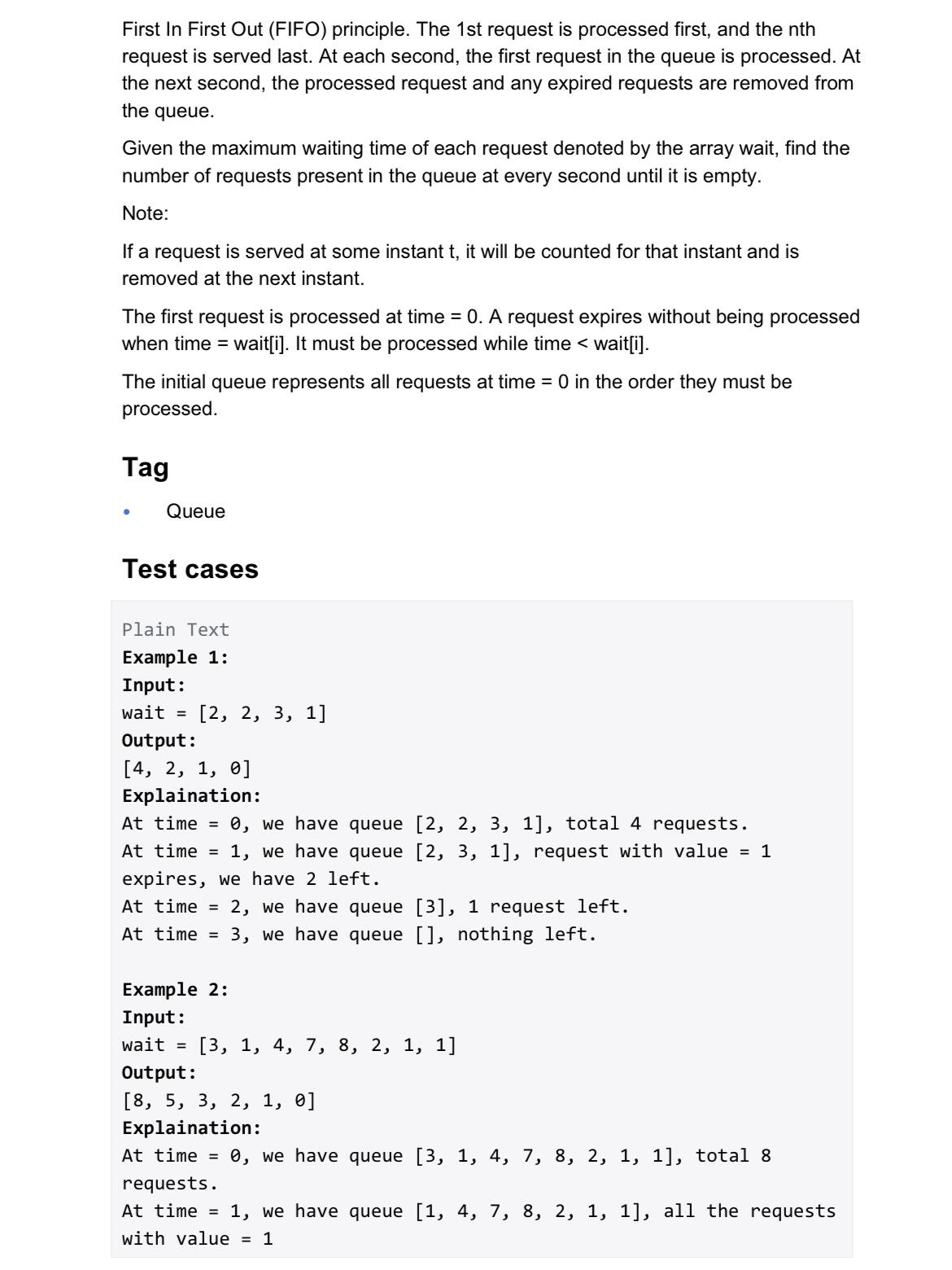
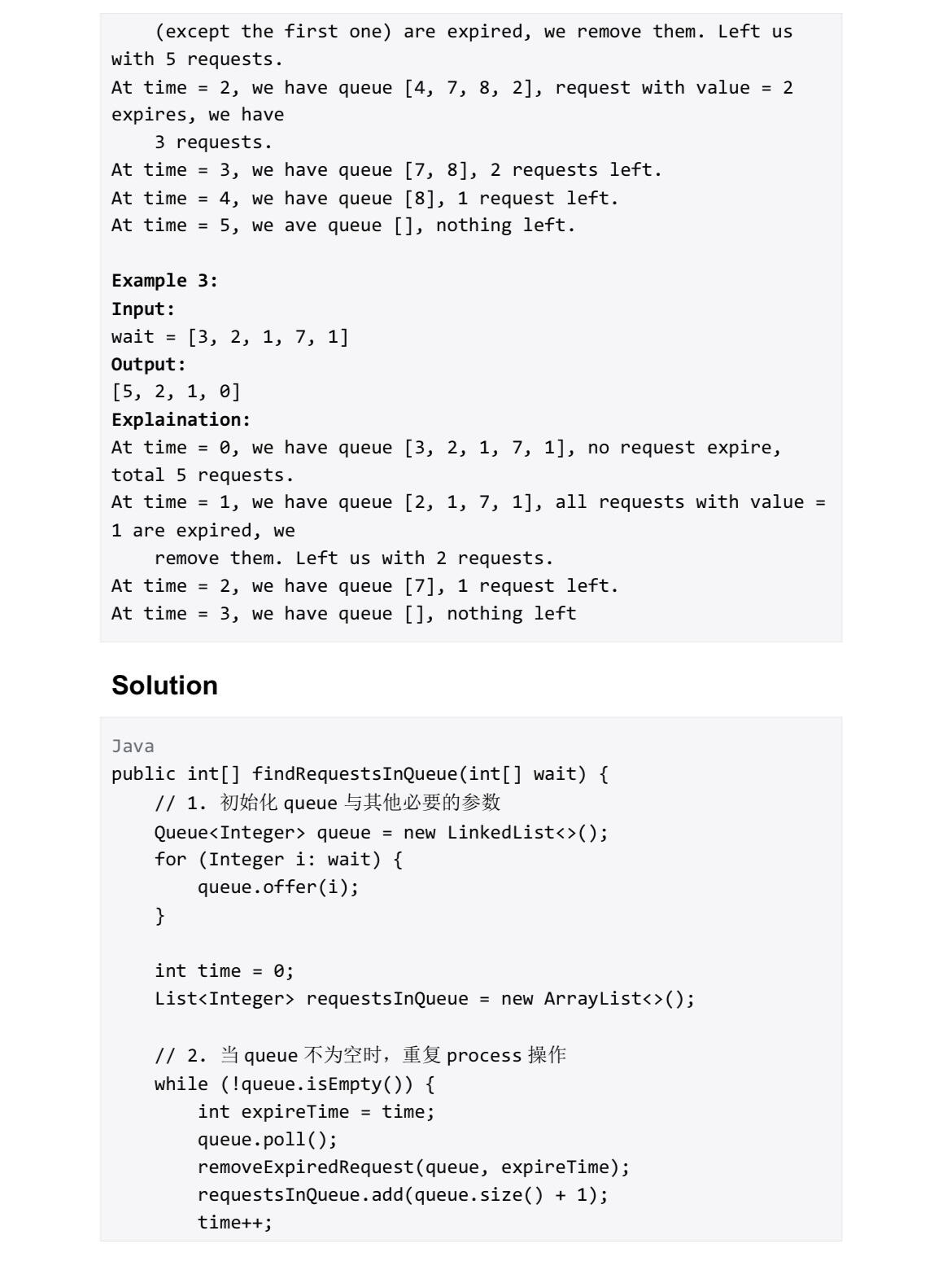
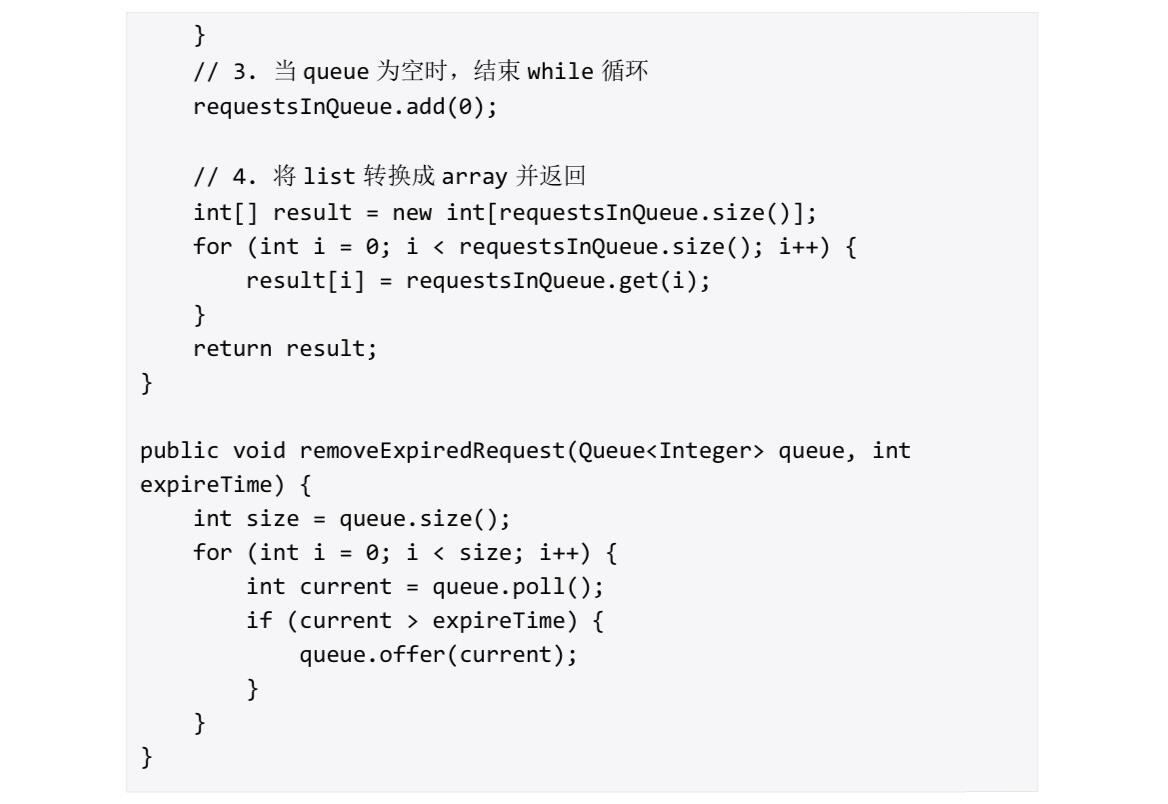
These questions often tested both problem-solving and coding skills. I noticed that interviewers liked to see how candidates approached the problem, not just the final answer.
Community Lessons From Amazon Coding Interview
After talking with many candidates and reading community posts, I picked up some valuable lessons:
Always read Amazon’s official interview prep material.
Practice explaining your work and decisions clearly.
Focus on solving one problem deeply instead of rushing through many.
Write down mistakes and learn from them.
Practice coding under timed conditions.
Recognize patterns in coding problems.
Prepare stories for leadership principles.
Tip: A well-explained CV and strong storytelling skills can make a big difference. The community agrees that refining these areas helps you stand out.
I found that sharing experiences and learning from others made me feel less alone and more prepared for what was ahead.
Amazon Coding Interview Process
Phone Screen Overview
My journey with the amazon coding interview started with a phone screen. The recruiter explained that the phone interview would test my coding skills and problem-solving ability. I had one round, but some friends told me they had two. The interviewer asked me to solve coding problems while sharing my screen. I needed to talk through my logic and explain each step. The phone screen lasted about 45 minutes. I found that clear communication helped me stay focused and calm.
Onsite Loop Structure
After passing the phone screen, I moved to the onsite loop. This part felt intense. I met with several team members, each with a different focus. One interviewer asked system design questions. Another wanted to see how I handled algorithms. The famous "Bar Raiser" joined one round to check if I met Amazon’s high standards. I had four interviews in total, each lasting about an hour. Here’s a quick look at the main stages:
Stage | Description |
|---|---|
Application Process | Initial submission of application materials. |
Phone Interviews | Candidates undergo phone interviews, which may include additional assessments. |
Onsite Interview | Multiple one-on-one interviews with team members, including a 'Bar Raiser' for quality assessment. |
Hiring Meeting | Interviewers discuss the candidate's performance and make a hiring decision. |
Offer Meeting | HR discusses salary and presents a written job offer. |
Reference Check | HR conducts reference checks, typically involving former bosses and colleagues. |
Communication And Timeline
I learned that communication matters at every stage. I always asked questions when I felt unsure. The recruiter replied quickly and kept me updated. The whole process took about four weeks for me. Some friends finished in three weeks, while others waited six. Here’s a table showing the typical timeline:
Stage | Duration |
|---|---|
Online Assessment | 90 minutes |
System Design | 20 minutes |
Technical Phone Interviews | Varies (1-2 rounds) |
On-site Rounds | 4-5 rounds |
Total Process Duration | 3-6 weeks |
Tip: If you ever feel lost, reach out to your recruiter. They want you to succeed and will help you understand the next steps.
Preparation Tips and Strategies For Amazon Coding Interview
Study Resources
When I started preparing, I wanted to find the best resources. I tried a lot of platforms, but some stood out more than others. Here’s a table that helped me decide where to focus my time:
Resource | Strengths | Special Offer |
|---|---|---|
ByteByteGo | System Design, visual, beginner-friendly | 50% off lifetime plan |
AlgoMonster | DSA, organizes problems by patterns | 50% off lifetime plan |
Educative | Complete interview path, project-based courses | 10% off with FRIENDS10 |
LeetCode | 3000+ practice problems | N/A |
Exponent | Mock interviews, behavioral rounds | 70% off annual plan |
I spent most of my time on LeetCode and AlgoMonster. ByteByteGo made system design less scary. Educative helped me build a study plan. Exponent gave me a chance to practice real interviews.
Mock Interviews
Mock interviews changed the way I prepared. I practiced with friends and former Amazon employees. Here’s what I learned:
Mock interviews boosted my confidence and gave me honest feedback.
Practicing the STAR method helped me tell my stories clearly.
I dressed up and minimized distractions to make practice feel real.
I noticed that realistic practice made the actual interview less stressful.
Leadership Principles
Amazon’s Leadership Principles are everywhere in the interview process. I made sure to learn all 16 values. Interviewers wanted to see how I used these principles at work. I didn’t just memorize them. I thought about how my actions matched each value. Sharing real stories helped me show I was a good fit.
Amazon uses these principles to guide decisions.
Interviewers ask behavioral questions to check alignment.
Past behavior matters as much as technical skill.
Clarifying Questions Of Amazon Coding Interview
Asking clarifying questions helped me avoid mistakes. I learned that jumping into coding without understanding the problem was risky.
“When a candidate starts coding immediately without asking any questions, it’s often a red flag. It suggests they might be the type of developer who implements solutions before fully understanding requirements—which leads to wasted effort and bugs in real world scenarios.” — Senior Engineering Manager at a Fortune 500 tech company
Clarifying questions showed I understood the problem and helped me think before coding. They also made the interview feel more like a team discussion.
Reflections and Surprises From Amazon Coding Interview
Unexpected Challenges
I thought I was ready for anything, but the Amazon interview threw me a few curveballs. The time pressure felt real. I had to solve problems fast and explain my thinking clearly. Sometimes, I wanted to jump straight to coding, but I realized that rushing led to mistakes. I faced questions that tested my system design knowledge, and I struggled with unfamiliar architectural patterns. My algorithm skills felt rusty at times, especially when I had to implement complex solutions from scratch. Overconfidence almost tripped me up. I leaned too much on my past experience and forgot that every interview is different.
Here’s how I tackled these challenges:
I used the SOAR method to talk through obstacles and actions.
I took a moment to explain the problem before jumping to solutions.
I focused on continuous learning and applied lessons from each round.
Lessons Learned From Amazon Coding Interview
Looking back, I picked up some valuable lessons:
Optimization matters. Interviewers want efficient solutions and clear analysis of time and space complexity.
Time management is key. I balanced clean code, edge cases, and explanations under pressure.
Verbalizing my thought process helped, even when my code wasn’t perfect.
I learned to focus on the “why” before the “what.” Explaining the problem’s impact made my answers stronger.
Using the STAR-C method, I included customer impact in my stories.
I chose examples that showed leadership and initiative.
I prepared stories that mapped to Amazon’s Leadership Principles.
I showed proof of growth by sharing how I improved systems and myself.
Encouragement
If you’re preparing for an Amazon coding interview, don’t let the challenges scare you. I found that mastering the Leadership Principles and preparing high-impact stories made a huge difference. I kept my answers clear and relevant, using the two-sentence rule to stay focused. I linked my experiences to Amazon’s values, showing I could operate with those principles in mind.
Prepare 8 to 10 stories that fit two or three Leadership Principles.
Practice explaining your actions and results in simple terms.
Remember, everyone faces obstacles. What matters is how you learn and adapt.
You’ve got this! Stay curious, keep practicing, and trust your preparation. The journey is tough, but it’s worth it.
I learned that preparation and mindset shape the outcome. Here are my top tips for Amazon coding interviews:
Understand the problem and ask clarifying questions.
Plan your solution before coding.
Think out loud and test your code.
Manage your time and stay flexible.
I focused on high-yield patterns, practiced on LeetCode, and prepared stories for Leadership Principles. Remember, every interview is a chance to grow. Stay curious, keep practicing, and believe in yourself! 🚀
FAQ
What is the best way to practice for Amazon coding interviews?
I like to use LeetCode for daily practice. I focus on medium and hard problems. I also join mock interviews with friends. This helps me get feedback and improve my speed.
Did I use Linkjob AI during the actual interview?
Yes! Linkjob AI gave me real-time support and personalized answers. It worked smoothly with CoderPad. And it is completely invisible from the interviewer's perspective when sharing the screen, so with it, I can silently seek help from AI tools during online interviews. In short, it's a very useful tool.
How important are Amazon’s Leadership Principles?
Amazon’s Leadership Principles matter a lot. Interviewers ask about them in every round. I prepare stories that show how I use these principles at work. This helps me stand out.
Should I ask clarifying questions during the interview?
Yes, always ask clarifying questions. This shows I understand the problem and care about details. Interviewers like when I think before I code.
Tip: Asking questions can help avoid mistakes and save time.
What if I get stuck on a coding problem?
If I get stuck, I talk through my thought process. I explain what I tried and where I got stuck. Sometimes, the interviewer gives hints. Staying calm helps me find a solution.
How long does the Amazon interview process usually take?
The process usually takes three to six weeks. I track each stage and follow up with my recruiter if I need updates.
Stage | Typical Duration |
|---|---|
Phone Screen | 1 week |
Onsite Loop | 2-3 weeks |
Offer/Decision | 1-2 weeks |
See Also
How ES6 Interview Questions Helped Me Land a Job
Insights From My Oracle Software Engineer Interview in 2025
Responding to Continuous Learning Questions During My 2025 Interview
Inside My 2025 Roblox Software Engineer Interview Experience
Exploring My 2025 Palantir FDSE Interview Journey and Questions
© Copyright 2025 Linkjob.ai - All Rights Reserved.