How I passed the 2026 Bloomberg Software Engineer Interview

When I set my sights on the bloomberg software engineer interview, I knew I needed more than the CS gods on my side.
While my experience is focused on the standard SDE track, the strategies I used—especially around coding practice and behavioral prep—apply just as well to senior-level interviews. In fact, some of the questions I encountered were similar to what senior candidates have reported.
Bloomberg's coding questions are clean and practical, covering arrays, strings, graphs, BFS/DFS and basic data structures. I spent weeks preparing, doing LeetCode, reviewing system design concepts and trying to anticipate every question.
What made the difference for me was using Linkjob.ai. It worked well when I was taking mock interviews, and formal assessment practice felt remarkably smooth, giving me a safe space to refine my approach. Having an undetectable AI coding interview copilot during the interview indeed provides a significant edge.
In this post, I'll share my experience of the process, including the questions I faced and how I prepared. If you're gearing up for your own Bloomberg software engineer interview, I hope this helps.
Bloomberg Software Engineer Interview Process and My Experience
Bloomberg SWE Interview Process overview
Here’s how the bloomberg software engineer interview I experienced.
Resume screening and online assessment: I submitted my application and completed an online coding test, having my my technical skills and project experience checked.
Phone screen: I got a call for a technical and behavioral assessment. The interviewer asked me to solve coding problems and explain my thought process.
VO interview (on Zoom): Bloomberg usually wanted on-site interviews, but they also offered remote options in the confirmation emails. I was asked a bunch of different questions, like coding ones and behavioural stuff too. Each round tested different skills, but technical interviews were mostly about LeetCode questions.
Offer negotiation: After the interviews, Bloomberg matched me with a team and discussed the offer.
Some of the posts on the forums were talking about the capacity issue, and they said that if a candidate didn't get a reply soon, their chances would be much lower. I've found this to be totally true. Bloomberg's process was speedy and just in time.
Question Type | Description |
|---|---|
Data Structures and Algorithms | Questions on linked lists, arrays, and hash maps, focusing on problem-solving skills. |
System Design (possible, not necessary) | Open-ended questions requiring candidates to design systems relevant to Bloomberg. |
Behavioral & Situational | Questions assessing cultural fit and teamwork abilities. |
Example Bloomberg Coding Interview Question (Similar to What I Got)
I cannot tell the exact questions I met when it came to the real Bloomberg interviews, but I have found a pretty similar one, and it looks like:
Question
You are given a list of transaction records, already sorted in non-decreasing order by time.
Each transaction is a string in the form:
"name,time,amount,city"
name: lowercase string identifiertime: integer minutesamount: integercity: lowercase string
A transaction is invalid if either of the following holds:
amount > 1000, orThere exists another transaction with the same
namethat occurred within 60 minutes (inclusive) of this transaction, but in a differentcity.
Return all invalid transactions (as the original strings). Order does not matter.
Requirements
Input is globally time-sorted.
Target time complexity: O(n) (or close to it, amortized).
Example
Input:
["alice,20,800,mtv","alice,50,100,beijing","bob,50,1200,mtv"]
Output could include:
"alice,20,800,mtv"(diff city within 60)"alice,50,100,beijing"(diff city within 60)"bob,50,1200,mtv"(amount > 1000)
Behavioral rounds (HR & EM)
The behavioral rounds in the bloomberg software engineer interview felt different from other tech companies. Bloomberg really cares about cultural fit and genuine interest in their mission.
The HR and EM rounds focused on my resume content, interpersonal skills, communication, and adaptability. I shared stories about teamwork, challenges, and how I handled tough situations.
Some people said they met brutal system design questions in their EM rounds. Luckily I didn't, maybe it's because it was a entry level position that I applied.
What to Expect on Interview Day
When I was doing the Bloomberg software engineer interview, I went through five rounds. The first three were pretty similar, where I and the interviewers talked through 5 LeetCode questions in total.
Some people said they met system design questions, and I was a bit worried about that, but in the end, I didn't get any such question in my 5 rounds.
And the Round 4 and Round 5 were easier, from my perspective. Mostly knew if I made it this far, I just had to be solid on my resume and behaviorals. No coding. It went smoothly and felt more like a conversation than an interview. I was asked the usual behavioral questions along with some housekeeping stuff (salary expectations, sponsorship, availability, etc.).
How I Prepared for the Bloomberg Software Engineer Interview
When I started my preparation for the Bloomberg software engineer interview, I knew I had to be strategic. I focused on three main areas: technical practice, understanding Bloomberg’s unique patterns, and nailing behavioral questions.
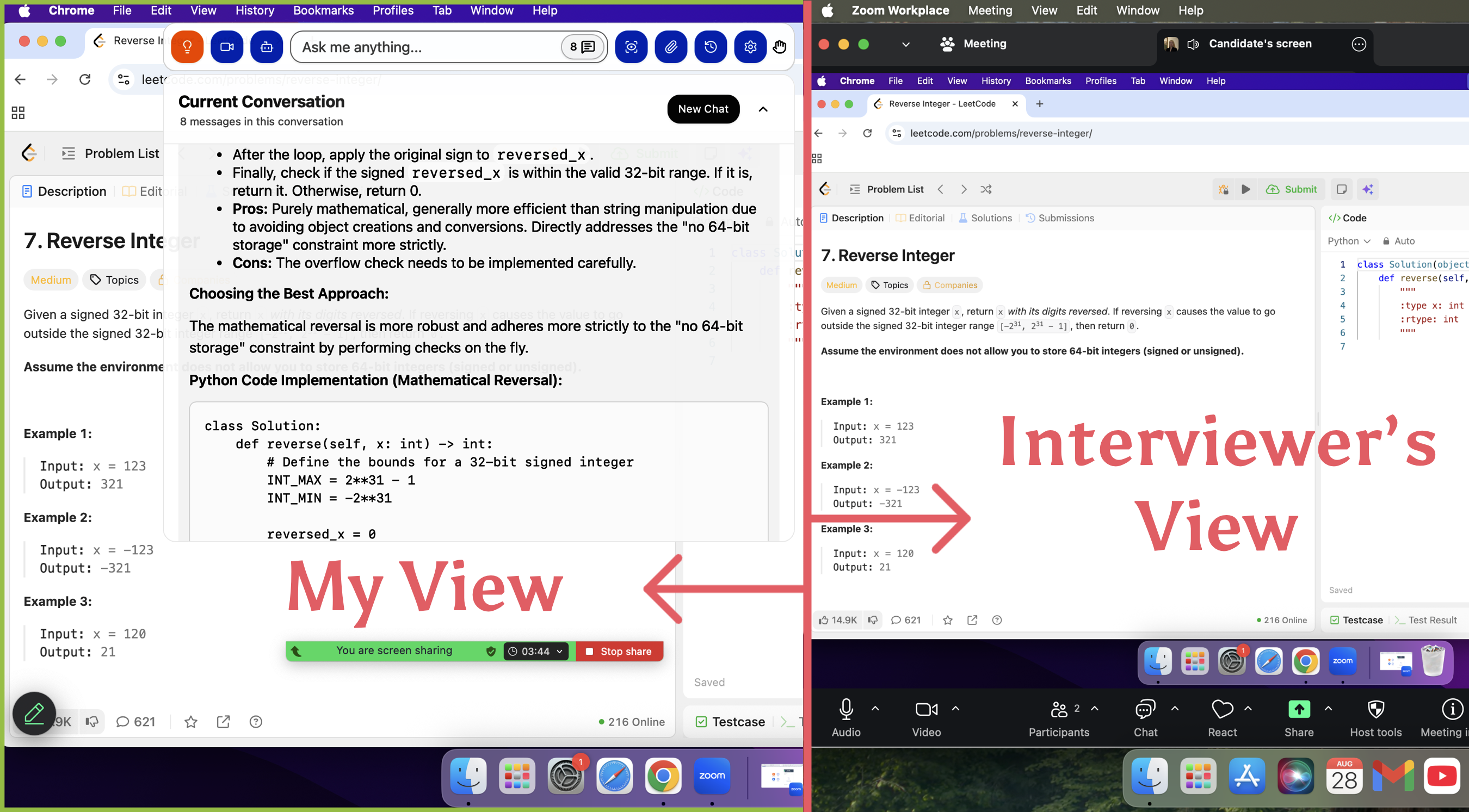
Again, thanks to the Linkjob.ai providing me ideas when I was doing mock interviews and online assessment coding tests. I cannot act better without hints from this undetectable AI copilot on my screen.
LeetCode and Coding Practice
LeetCode practises were my daily routine. I targeted the topics that show up most often in Bloomberg interviews, and asked many people for advise on reddit. I wanted to make sure I could handle any leetcode-style question they threw at me. Here’s what I focused on, according to the posts and my own experience:
Arrays and strings
Hash maps
Trees and graphs
Dynamic programming
Sorting and searching
I also paid special attention to certain techniques:
Depth-first search (DFS) and breadth-first search (BFS)
Sliding window
Double pointers
Backtracking
I aimed to complete at least 150 medium-level problems, especially those tagged for Bloomberg. This helped me spot patterns and get faster at recognizing the right approach.
Dynamic programming questions pop up more often than I expect at Bloomberg. If only I hadn't skipped them. Thankfully Linkjob.ai came to help with its AI Interview Copilot to handle coding problems.
Studying Bloomberg’s Patterns
I realized that Bloomberg interviews have their own flavor. I didn’t just practice coding—I studied the types of problems and patterns that Bloomberg likes to use.
I noticed that two pointers, backtracking, and dynamic programming came up a lot. I made sure to master these patterns. I also reviewed basic data structures and algorithms, since they form the foundation for most questions.
Behavioral Question Prep
Technical skills matter, but Bloomberg also cares about how candidates work with others and handle challenges. I spent time preparing for behavioral questions using the STAR method. Here are some questions I prepared for:
How do you prioritize tasks when working on multiple projects?
Describe a challenging bug you encountered and how you solved it.
Tell me about a project where you had to work under tight deadlines.
Give an example of when you showed initiative to improve a process.
How do you deal with unexpected changes in a project’s requirements?
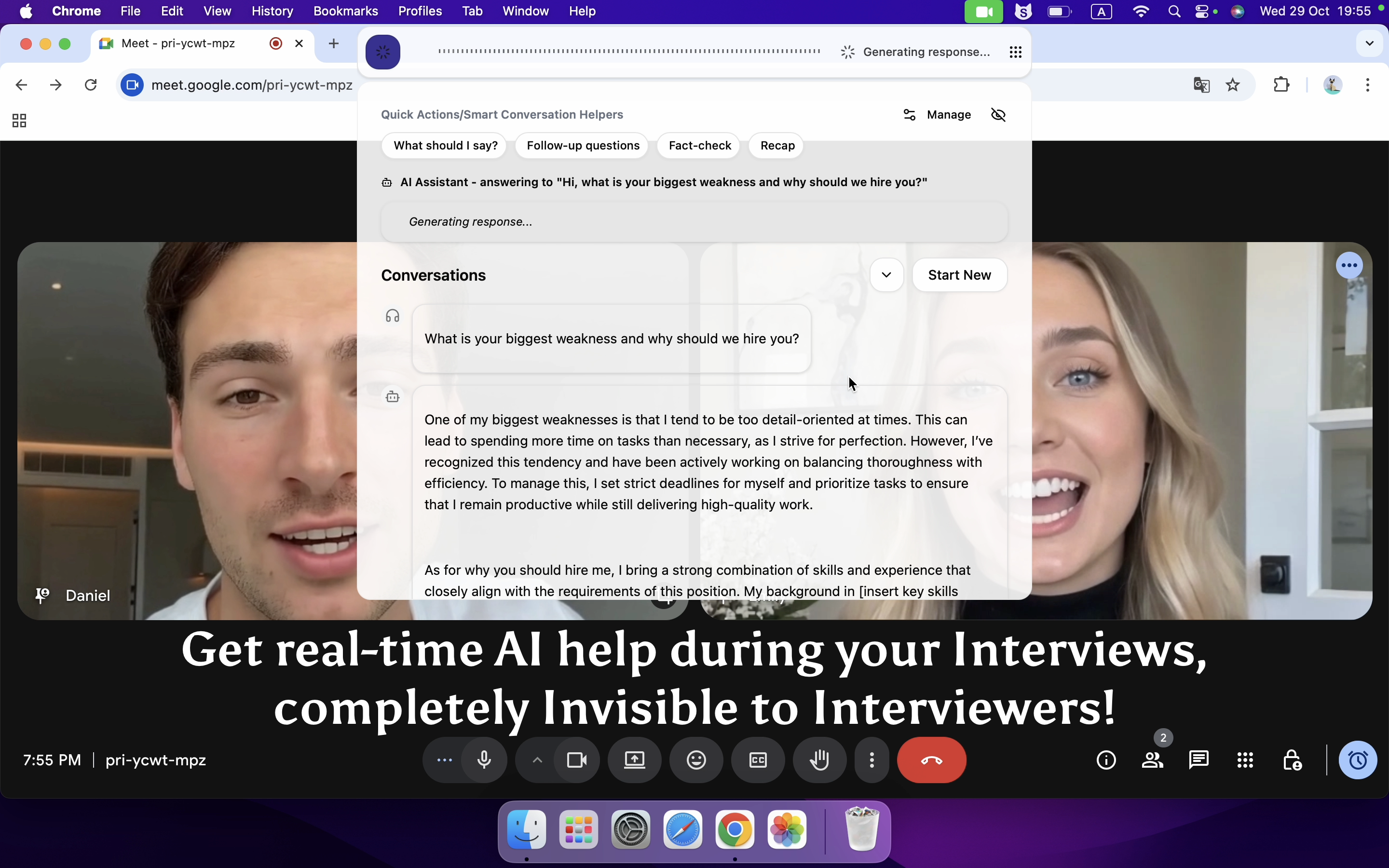
Mock interviews were a huge part of my prep. What I really liked was how Linkjob.ai made the whole process super efficient, especially for online coding questions. All answers and session details stayed completely private, visible only to me, which let me experiment freely and build real confidence. I used those insights to improve my thought process, clean up my code, and deliver explanations more clearly and calmly.
Performance Tips for the Bloomberg Software Engineer Interview
Communicating Clearity
Clear communication made a huge difference in my interview experience. I learned that Bloomberg interviewers want to hear my thought process as I solve problems. They want to see how I approach challenges and explain my reasoning. Here are some things I kept in mind:
I always talked through my code, step by step.
I explained why I chose certain data structures or algorithms.
I made sure my code was clean and easy to follow.
Building Scalable Solutions
Bloomberg cares about scalable systems. During my interviews, I made sure to discuss how my solutions could handle large amounts of data or traffic. I talked about trade-offs and explained my design choices. Here is what I focused on:
I showed I understood scalability and reliability.
I discussed distributed systems and how to keep them running smoothly.
I explained how my designs could handle market changes or spikes in usage.
Being Genuine and Asking Questions
Being myself helped me connect with the interviewers. I learned that Bloomberg values authenticity. I answered questions honestly and shared real stories from my past. I talked about times I worked with others, solved tough problems, or took the lead on a project. Here are some qualities Bloomberg looks for:
Collaboration and teamwork
Innovation and taking initiative
Ownership of my work
I also made sure to ask questions about the team, projects, and company culture. This showed my genuine interest and helped me learn if Bloomberg was the right fit for me.
Here is a table of common mistakes to avoid:
Mistake Description | Explanation |
|---|---|
Practicing the wrong way | Solving problems without real interview conditions can give a false sense of progress. |
Failing to show genuine interest | Mentioning competitors or lacking enthusiasm for Bloomberg can hurt your chances. |
Poor communication of thought process | Not explaining the approach can make it hard for interviewers to follow the logic. |
By focusing on clear communication, company-specific prep, scalable solutions, and authenticity, I made my interview experience much stronger and more enjoyable.
Looking back, I found that focused practice, clear communication, and staying true to myself made all the difference. Here are the lessons that helped me most:
Coachability matters. Remember being open to feedback and learning quickly.
Persistence pays off. Keep practicing and never give up, even when things get tough.
Networking and seeking mentorship open new doors.
Keep pushing forward. You’ve got this!
FAQ
How does the Bloomberg technical interview process work?
The Bloomberg technical interview process usually starts with a resume screen and online assessment, followed by a phone screen, then a virtual onsite with multiple rounds. My onsite had five rounds—the first three were coding-heavy (I went through about 5 LeetCode problems total), and the last two were behavioral and resume-focused.
Does Bloomberg ask system design questions in interviews?
It depends on the level you're applying for. I didn't get any system design questions in my Bloomberg software engineer interview—maybe because I was applying for an entry-level role. But I've seen other candidates mention brutal system design rounds, especially for senior positions. If you're targeting a senior role, definitely prepare for system design. For entry-level, focus more on data structures and algorithms.
What resources helped me the most?
LeetCode was my main tool for coding practice. I also used Linkjob.ai for mock interviews and read Bloomberg interview experiences on forums. These resources gave me real insight into what to expect.
See Also
Insights From My Bloomberg New Grad Interview Experience
Exploring My Oracle Senior Software Engineer Interview Journey
A Comprehensive Guide To My OpenAI Interview Experience