What I Did to Succeed in the Canva Software Engineer Interview 2026

I landed my Canva software engineer interview success thanks to Linkjob AI. Focusing on what mattered most, I set aside time each day to practice coding challenges and real-world scenarios. I also learned Canva's values and made sure my answers reflected them.
This AI interview assistant helped me to boost my technical interview. I didn’t just memorize answers—I practiced sharing my stories and working with others. I made sure to show how I solve problems in a team. Thanks to Linkjob AI, I fully prepared and successfully passed my interview.
Key Takeaways
Practice coding challenges daily to build confidence and improve problem-solving skills. Try mock interviews by Linkjob AI.
Understand Canva's values and reflect them in your answers to show cultural fit.
Look for real software engineer interview questions in the past years, including others' interview experience from different companies, such as Roblox SWE Interview Process and Questions.
Structure your behavioral answers using the STAR method to communicate clearly and effectively. Use AI tools like Linkjob AI to improve your behavior in the formal interview.
Stay calm during unexpected scenarios in interviews; focus on explaining your thought process.
Canva Software Engineer Interview Process
Interview Stages Overview
When I started my Canva software engineer interview journey, I wanted to know what I was getting into. The process felt long at first, but breaking it down helped me stay focused. Here's a quick look at the main stages I went through:
Stage Number | Stage Description |
|---|---|
1 | Zoom Call (30 mins) |
2 | First Interview |
3 | Take-Home Challenge |
4 | Final Interview |
1. Zoom Call (30 mins)
This is the initial screening. HR will ask some questions related to your resume, as well as basic Java questions. This round shouldn't be too difficult.
2. First Interview
You'll be asked a few technical questions based on your previous work experience. You can review Java and Leetcode in advance.
3. Take-Home Challenge
This typically consists of a set of problems or a project, requiring you to write and submit code within a specified timeframe.
The task is to write an algorithm that takes two parameters. The first parameter is an array of integers (a), the second is an integer (k). You are asked to return the length of the longest to write an algorithm that takes two parameters. The first parameter is an array of integers (a), the second is an integer (k). You are asked to return the length of the longest subarray within a, such that the sum of its elements is less than or equal to k.
4. Final Interview
There are a total of four rounds, scheduled back-to-back over a single morning or afternoon.
Three technical rounds: Pair-coding, System Design, and a round focused on your specific tech stack, plus one Behavioral Question (BQ) round. Each round lasts 45–60 minutes.
What to Expect at Each Step
The Canva software is split into several rounds:
Interview Format | Description |
|---|---|
Zoom Call (30 mins) | A brief conversation to discuss the role and assess whether my background aligns with the position. |
First Interview | A deeper dive into technical skills and problem-solving ability through coding challenges and system design. |
Take-Home Challenge | I completed a coding assignment on time to demonstrate my ability to solve problems independently. |
Final Interview | The last round involved in-depth discussions of my experience, a final technical assessment, and cultural fit within the team. |
Tip: I made sure to practice with AI tools before the interview. This helped me feel confident during the AI proficiency round.
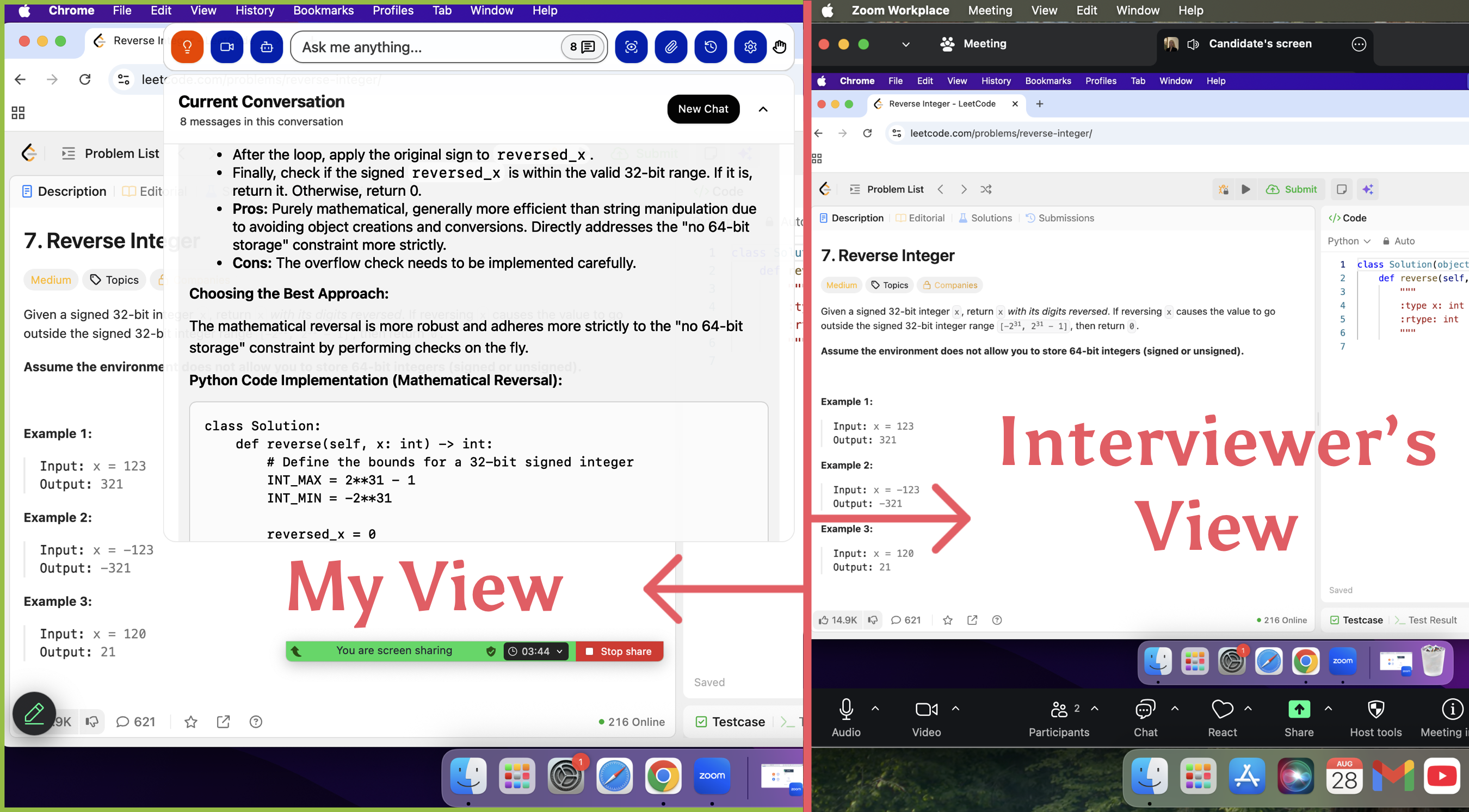
Canva interview questions were quite challenging, but Linkjob AI worked great and I got through the interview without a hitch. It’s completely undetectable, and the interviewer had no idea I was using it.
Real Canva Software Engineer Interview Experience (NLU-related)
Canva, an Australian unicorn based in Sydney, is hiring a Senior Machine Learning Engineer. I applied for one of their NLU-related positions in mid-to-late March, and was invited to the first round of phone interviews in early April. My in-person interviews began on April 23. There were four rounds of in-person interviews in total: two coding rounds, one system design round, and one behavioral round. None of the coding problems were from Leetcode; instead, they involved implementing machine learning algorithms.
Phone Screen
Most of them were original questions from Canva HackerRank Interview. I was surprised to find that I had memorized the answers to all these questions.
Coding Round 1
I was given some code for a logistic regression model. The scenario described was that the model was performing poorly in a production environment, and I was asked to identify possible causes.
My Answer: Either there is an issue with the data—the distribution of the training and production data is different—or the model is overfitting.
The interviewer then asked how to handle overfitting.
I suggested using a train-dev-test split to check for overfitting on the dev set after each epoch, and adding a penalty term to prevent the weights from dominating the loss. The interviewer agreed and moved on to the next question: how to implement L2 regularization on the existing logistic regression code. After I finished, he asked how we would modify the code to implement different types of regularization.
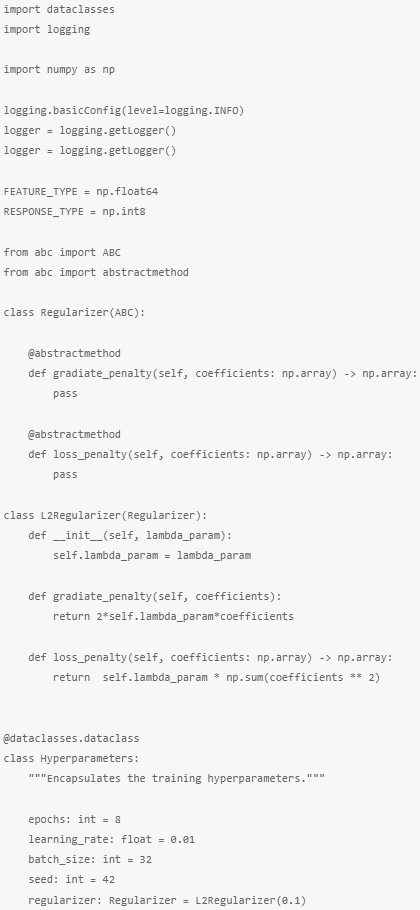
This is part of Coding 1.
Coding Round 2
I was given an image processing scenario.
Question 1 was to implement a sanitize-image function. Given an input NumPy array, the function must convert it into a square matrix with values ranging from 0 to 1, and handle various edge cases.
Question 2 required implementing a workflow that includes downloading an image, sanitizing the image, training a model, and making predictions.
Question 3 asked how to handle various failures in the workflow, such as download failures, image sanitization failures, etc. (Essentially, this involves implementing a retry mechanism; for example, if a download fails due to network issues, this can be handled via retry, while other issues should trigger corresponding errors.)
Questions 4 & 5 asked me to implement an LRU cache, where the key is the image ID and the value is the model’s prediction result.
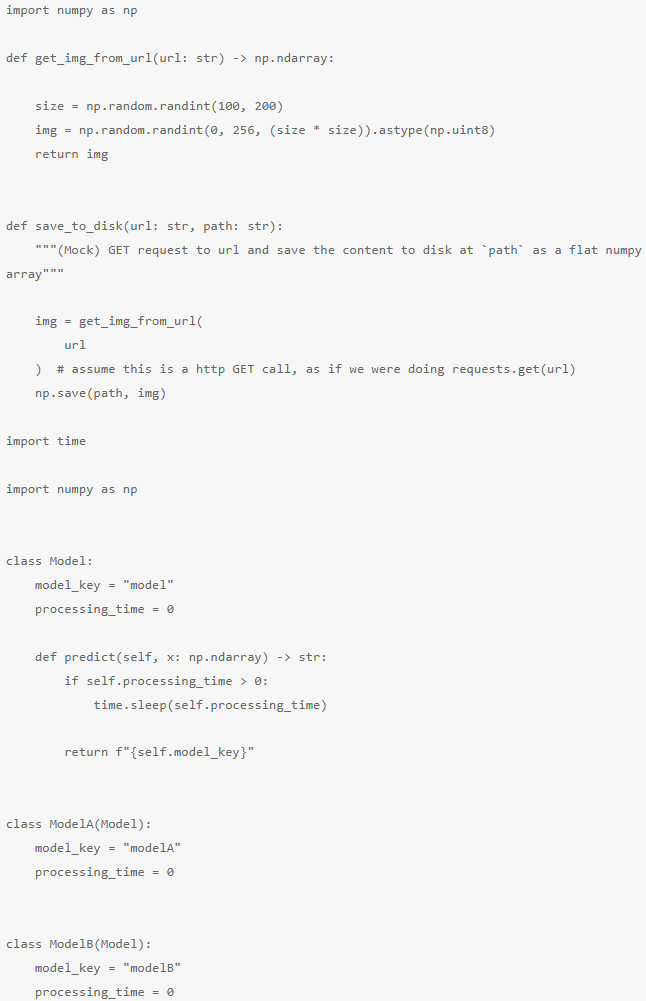
Both coding rounds were only 45 minutes long. Since I also needed to spend time understanding the code itself, time was very tight. Thanks to Linkjob AI, I finished my coding in time.
System Design
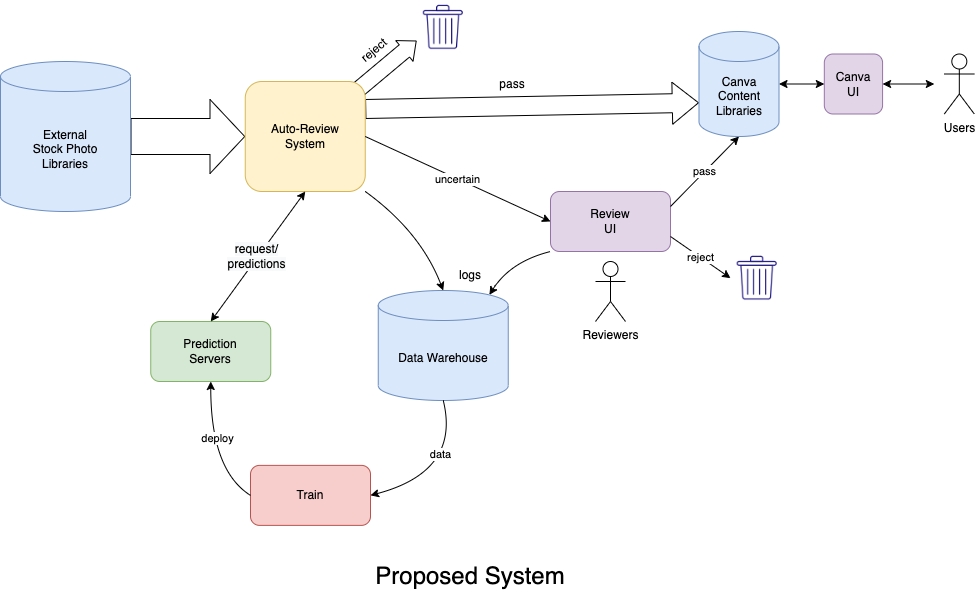
The third round, system design, involves an ML system that determines whether user-uploaded images infringe on copyright:
> Two parts to this question: (first pic)
> 1) Describe how you will sample data to train and evaluate this ML model. (Not asking about how you will train it - just the sampling.)
> 2) What metrics will you use to evaluate success and why?
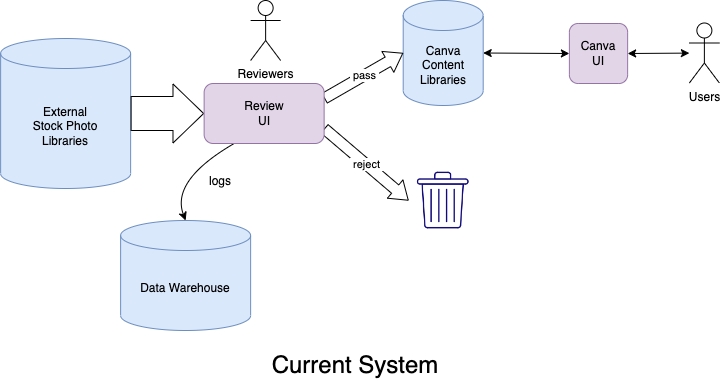
> Two parts to this again: (check second pic)
> 1) How should we update our design for the sampling and training component in this system?
> 2) And how should we decide when to deploy a new model vs keeping the existing one?
> 3) Stakeholders and senior management are now asking how the project is progressing. Describe how we would measure and communicate the business impact.
> 4) Fast-forward a year and your model is still helping Canva scale :rocket:> But, big challenges are looming. We want to extend this system to now review video. We will do this by capturing,> keyframes from the video at about one every 10 seconds and using our review pipeline with the same task.> This means roughly 50x more images coming through the system.> How might we extend your system to handle video content?> Consider any points of failure, ballpark numbers for model provisioning, and how we might change our task structure> to deal with or exploit video structure.
Behavioral Questions
Round 4 was Standard BQs, such as your project scope, how you handle conflicts, and whether you've ever changed your behavior to achieve a goal.
Canva Software Engineer Interview: Senior MLE Coding Interview Questions
At the start of the interview, you'll be given a ZIP file containing some documentation.
You'll be asked to modify the code already written halfway through, following the instructions in the documentation. DO NOT overcomplicate it!!!
If you're having trouble, try reaching out to Linkjob AI for help.
Task: Evaluator
Readme:
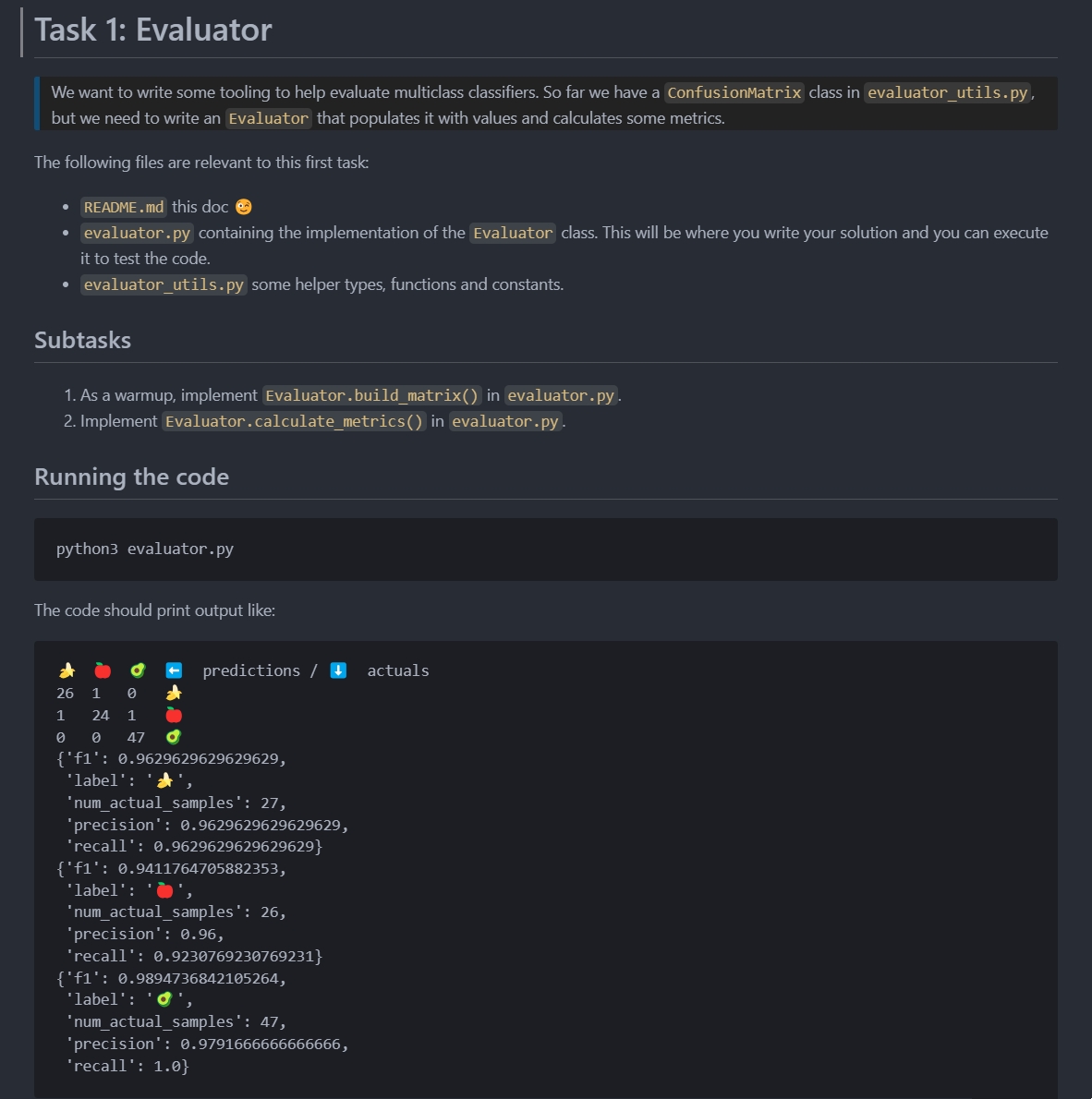
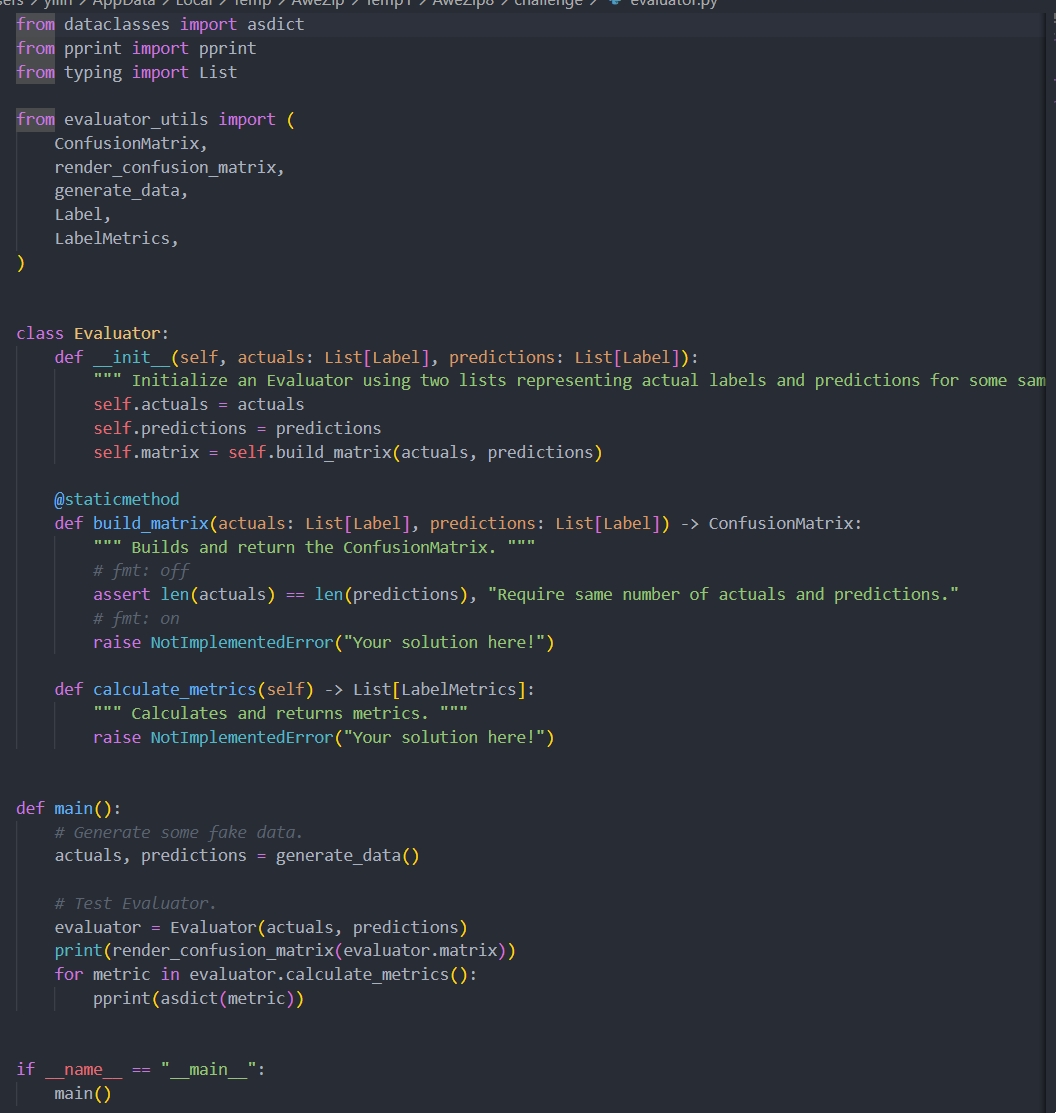
The code that needs to be modified. Use the util functions below to run it.
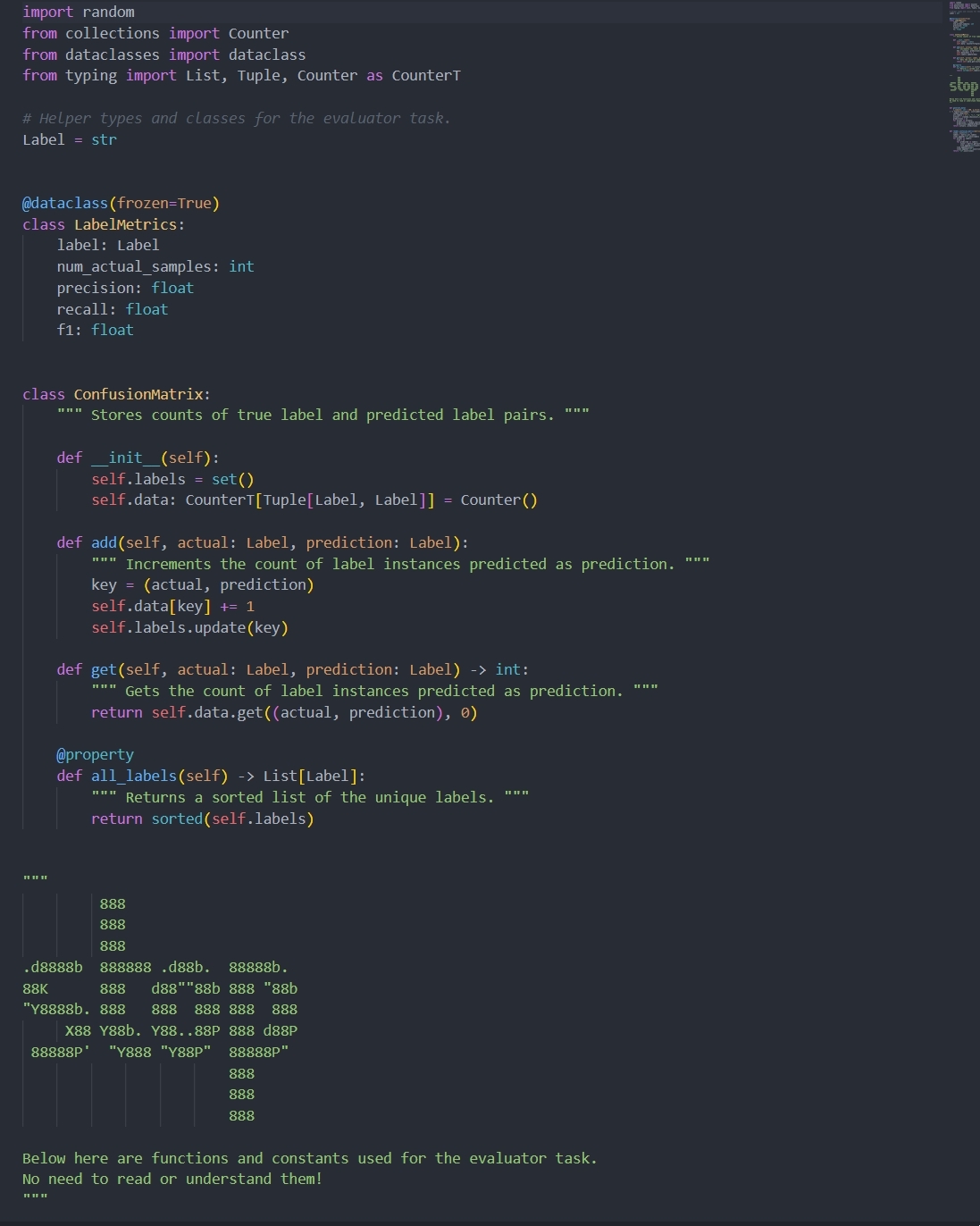
util 1
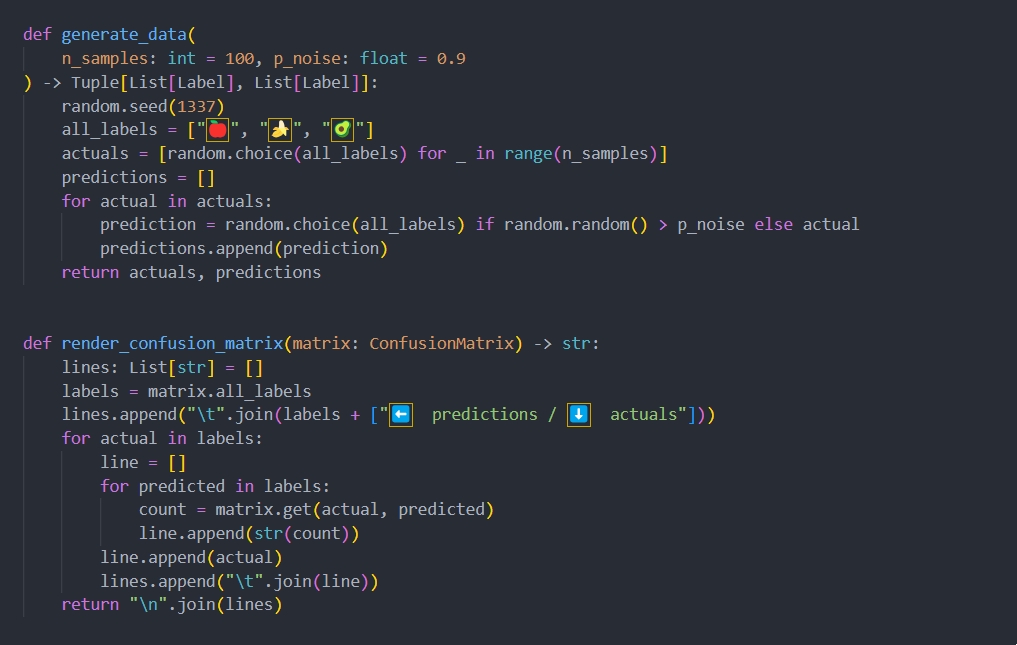
util 2
There's one more question left, and you have to finish them within an hour. Thanks to Linkjob AI, I finished my coding in time.
Mock Canva Software Engineer Interview
While preparing for my Canva interview, I wanted to know what questions might come up. I searched some Canva HackerRank Interview Questions, and also asked Linkjob AI for some mock interview questions. The website gave me a clear idea of what to expect. I also consulted friends who had previously interviewed at Canva. Below is a summary of how I searched for the questions, along with how I handled them.
Common Canva Software Engineer Interview Questions
Most companies' Software Engineer interview questions share common elements. Interviewers may ask a variety of questions related to your skills and experience, so you should practice expressing yourself by drawing on your own experiences. As long as you prepare in advance, you shouldn’t have any major issues.
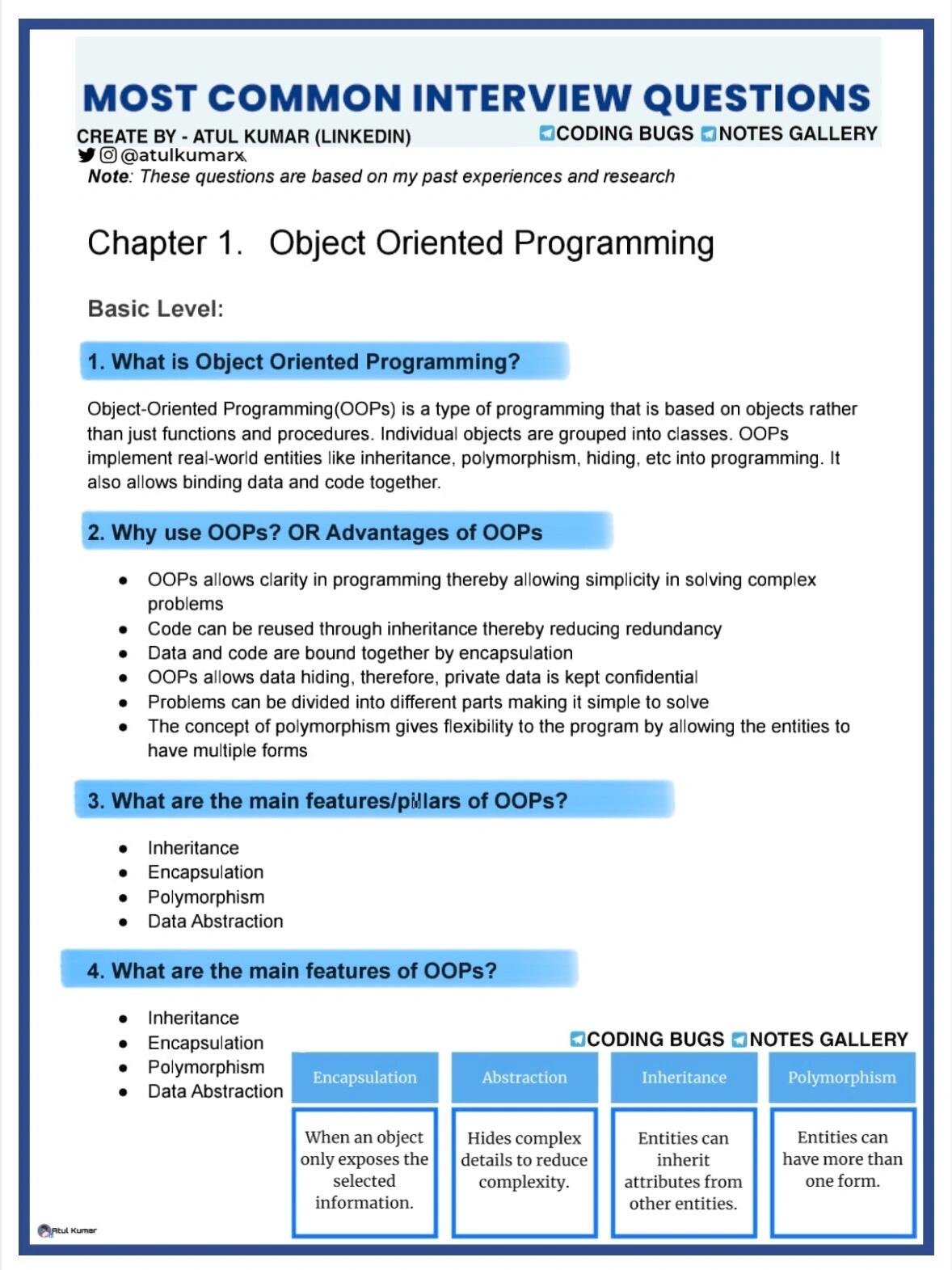
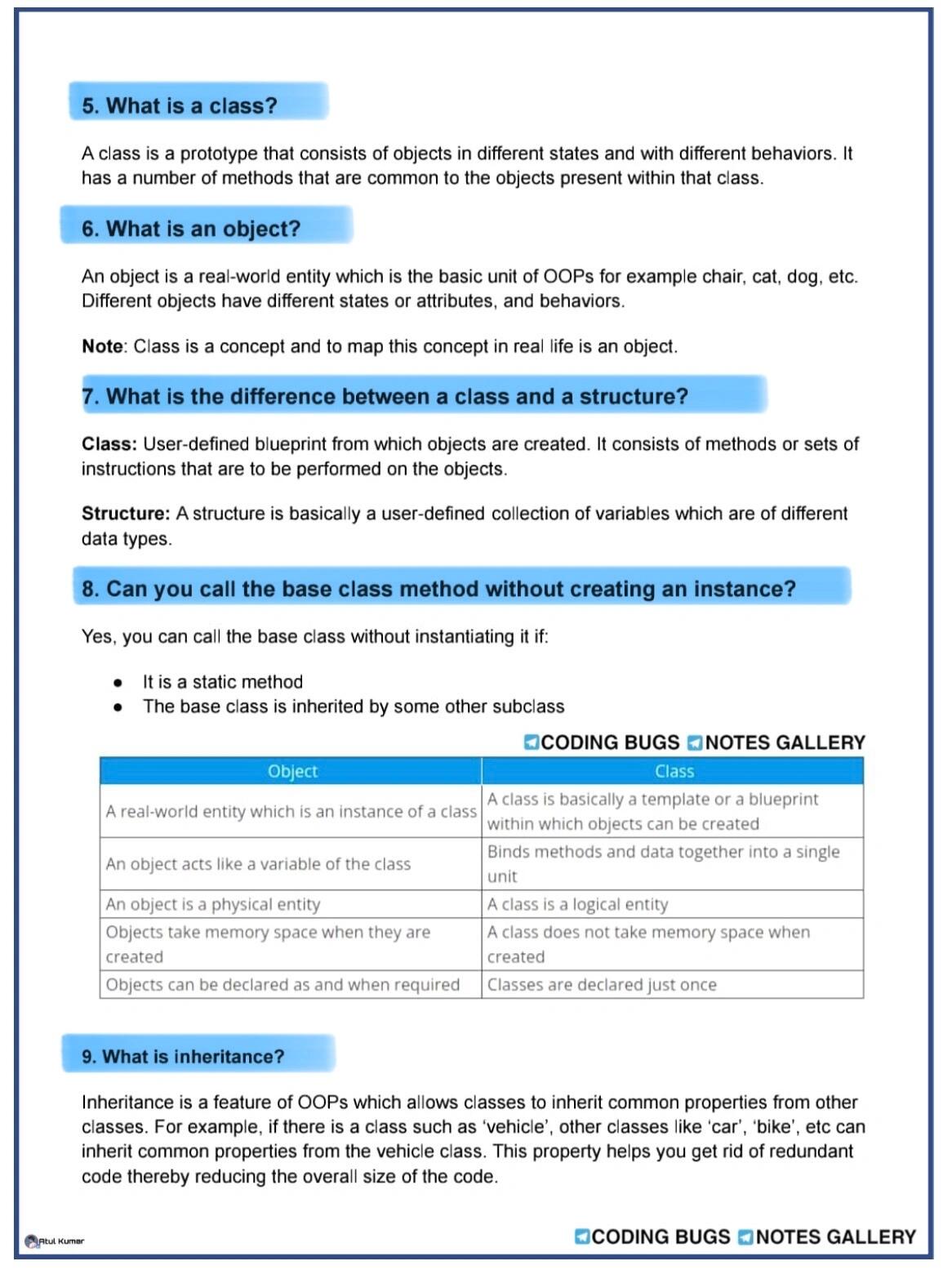
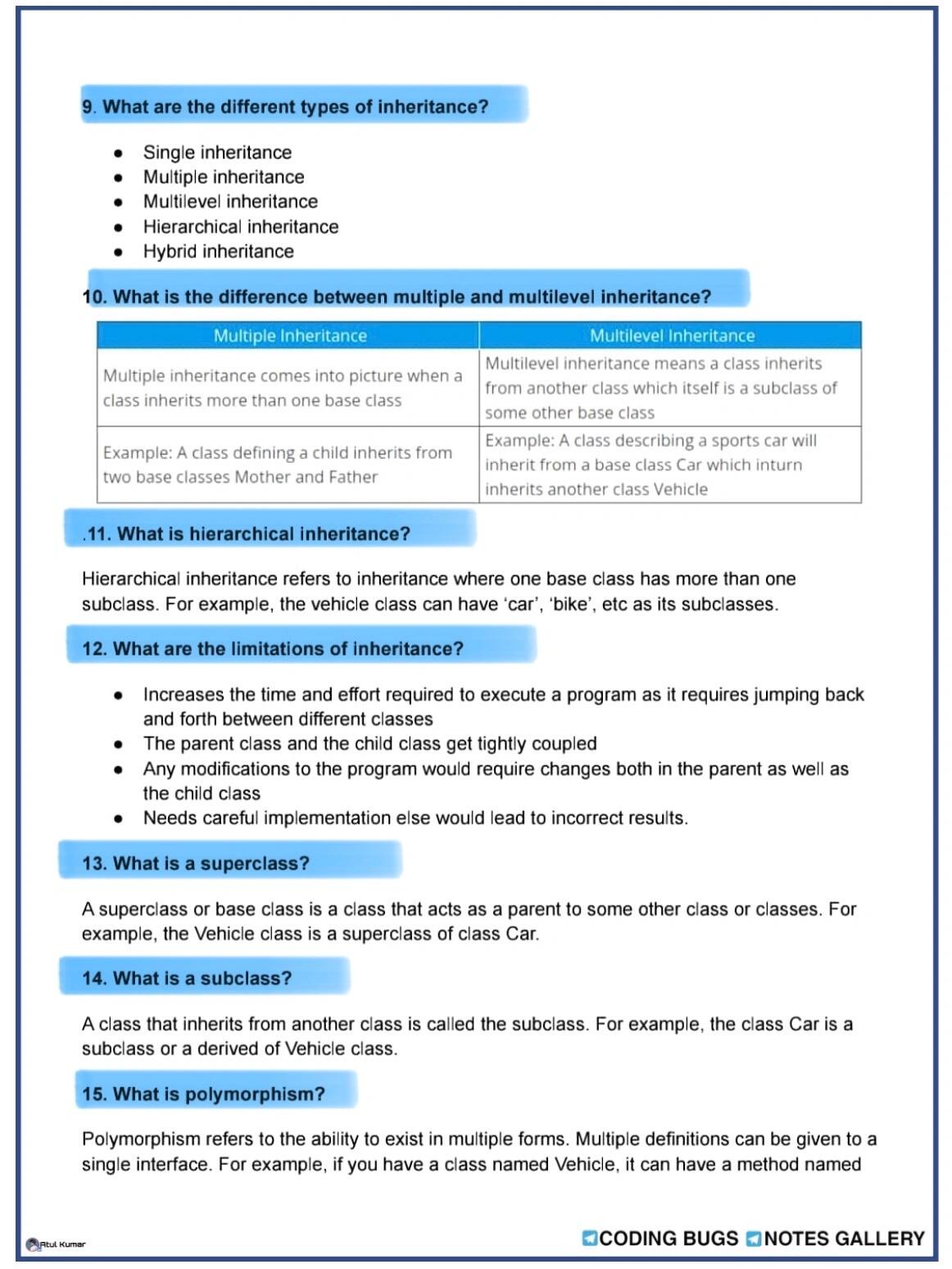
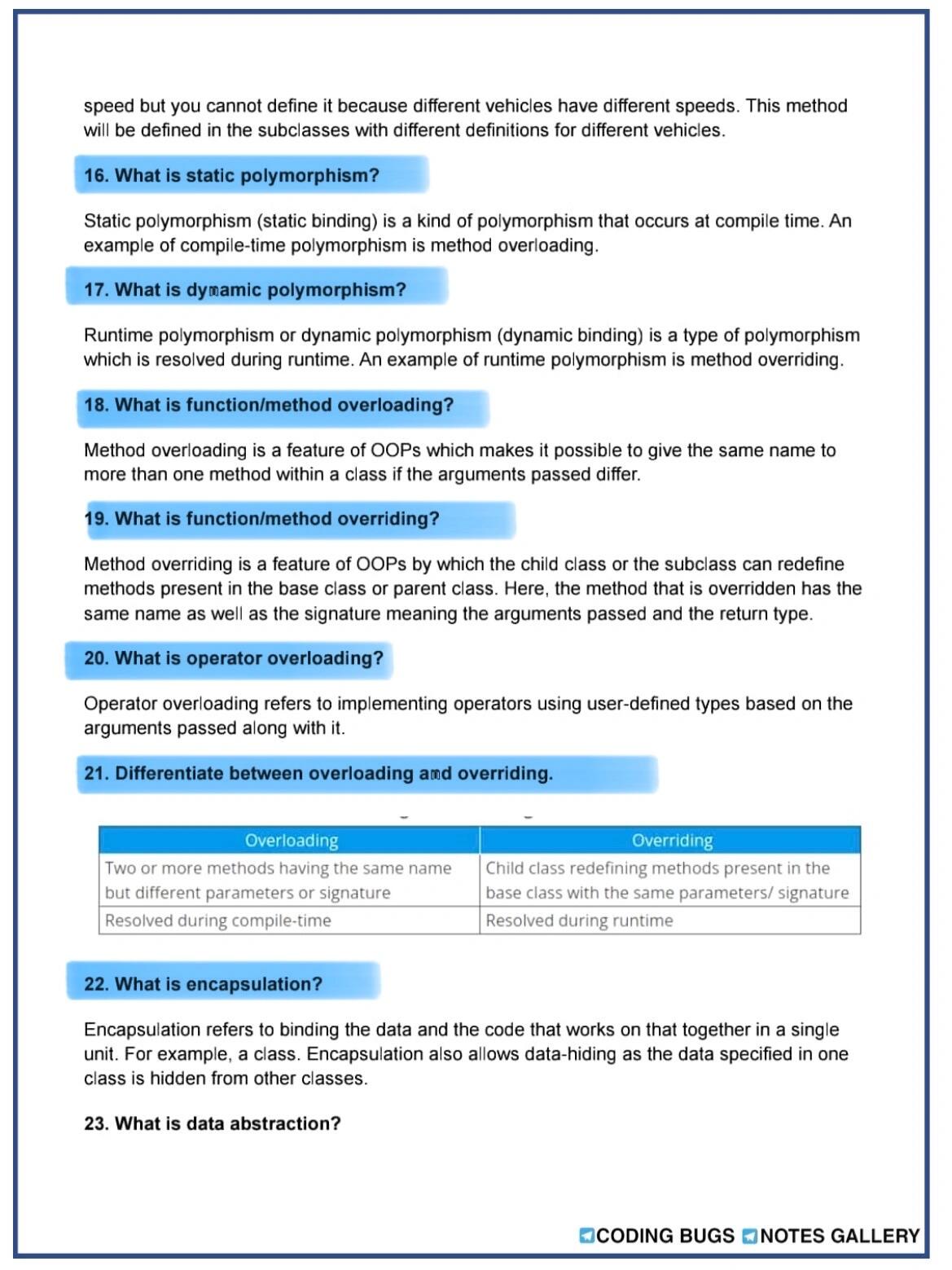
During a Software Engineer interview, the interviewer will ask various questions based on your skills and experience. So when preparing for the interview, you can review some common interview questions, craft answers based on your own experiences, and practice how to articulate them. ✨
Here's a summary of some common Software Engineer interview questions:
Canva Coding and Algorithms Preparation
I started from the basics. Every day, I practice programming problems on platforms like LeetCode and HackerRank. With the help of Linkjob AI, I strictly manage my time and practice under conditions that simulate the high-pressure environment of a real interview. In addition, I repeatedly review my solutions, trying to find better approaches. This helps me think more clearly and spot errors more quickly.
Here’s a quick look at the technical stages I faced and what each one tested:
Stage | Description |
|---|---|
Online Assessment (OA) | Tests coding ability and problem-solving skills. |
Preliminary Screening Call | Gauges cultural fit and motivation, focusing on technical skills and background. |
Behavioral Interview | Assesses communication skills and technical acumen through past projects and situational problems. |
Onsite Interviews | Comprises four interviews: one behavioral, two coding assessments, and one system design interview. |
I learned that the canva software engineer interview expects you to write clean, efficient code. I practiced explaining my thought process out loud. This made it easier to talk through my solutions during the real thing.
Canva Software Engineer Interview Behavioral & Culture Fit Round
STAR Method
I used the STAR method to structure my answers. This made my stories clear and easy to follow. Here’s how I broke it down:
Situation: I set the scene.
Task: I explained what I needed to do.
Action: I described what I did.
Result: I shared what happened in the end.
Tip: I practiced telling my stories out loud using STAR. This helped me stay on track and avoid rambling.
Personal Storytelling Preparation
Canva wants to know who you are, not just what you know. I prepared stories that showed my collaboration, growth mindset, and cultural alignment. Here’s a quick table of traits Canva values:
Trait | Description |
|---|---|
Collaboration | Willingness to engage in discussions, share ideas, and consider alternatives. |
Growth Mindset | Openness to feedback and a desire to improve and adapt. |
Cultural Alignment | Genuine interest in Canva's mission and values, and understanding how they align with personal and professional goals. |
Canva Software Engineer Interview Teamwork & Role Rounds
Canva Values
The "Leadership" round focused on how to resolve team disagreements. It feels like Canva places a lot of emphasis on values. The interviewers want to see how you work with others and how you conduct yourself as a good person. You need to excel in both technical expertise and cultural fit.
This question came up during my mock interview with Linkjob AI. I gave an example involving technology selection, but I overemphasized the correctness of my own proposal and neglected to put myself in others' shoes or seek a win-win solution. My approach was also rather direct. I asked the Tech Lead to arbitrate, which failed to demonstrate sufficient teamwork.
Group Problem-Solving
In some rounds, I worked through problems as part of a group. I made sure to listen first, then share my ideas. I encouraged others and built on their suggestions. Canva values people who can work together and find solutions as a team.
Here's what helped me stand out:
I asked questions to understand everyone's point of view
I summarized what the group discussed before moving forward
I stayed positive, even if my idea wasn’t chosen
If you want to do well in these rounds, focus on teamwork, clear communication, and supporting others. That’s what Canva looks for in a great engineer. During my preparation even during the formal interview, Linkjob AI offered me great help.
Canva's Offer & Next Steps
For those who have just received an internship offer as a software engineer at the Australian company Canva, the background check might make you feel a little nervous. Here are some tips I hope will be helpful:
1. Handling Background Check Results: Don’t worry about sending your background check results to Canva. Generally, Canva will automatically receive the results from the background check agency (such as CV Check).
2. Communication Before the Internship Starts: Before the internship officially begins, Canva won't be in frequent contact, but they'll provide all necessary information and support when needed.
Preparing for the Internship Interview
If you're preparing for a Canva software internship interview, consider the following tips:
1. Phone Interview: Phone interviews typically last 20 minutes and primarily cover questions about the projects listed on your resume, as well as your professional interests and motivations. Prepare to briefly and clearly explain your project experience.
2. Technical Interview: Technical interviews usually last 1 hour and 15 minutes, focusing on data structures and algorithms (DSA), parallelism, and concurrency. Specifically, you should focus on the following areas:
- Parallelism and Concurrency: Understand the differences between them and their use cases, such as the roles of the core and thread pools.
- Data Structure Applications: Understand how different data structures are applied to specific problems, such as which data structure is most suitable in a given scenario.
- Classes and Objects: Understand the basic concepts of classes, know what should be overridden in a new class, and have a solid grasp of the fundamentals of languages like Java and JavaScript.
Tip: Don't rush. Take your time to understand each part of the offer and ask questions if anything feels unclear.
Interview Process Insights
1. Online Assessment (OA) and Interview Notification: After completing the online assessment (OA), you may receive an interview invitation. Even if you haven’t received your OA results yet, don’t worry too much—just be patient and wait.
2. Interview Experience: Many friends have shared that Canva's interview process is relatively smooth, especially since their onboarding is very thorough. Even if communication isn't frequent, you'll receive ample support when it matters most.
While preparing for a Canva internship, maintain a calm mindset and actively prepare for interview content and technical questions. At the same time, don't neglect developing your soft skills—strong teamwork and communication abilities are also crucial. I hope everyone passes the interview successfully and lands their dream internship! 🚀
FAQ
How did I practice coding for the Canva interview?
I solved problems on LeetCode and HackerRank every day. I also collected real software engineer interview questions from other companies, including Anthropic SWE Interview Questions. and more. Linkjob AI helped me simulate the pressure of a real interview. While solving problems, I also verbalized my thought process out loud. Linkjob AI reviewed and summarized my solutions. I learned a lot from my mistakes.
What AI tools helped me the most?
Linkjob AI made a big difference for me.
I used it to debug code, generate ideas, and check my answers.
This tool helped me spot weak areas and improve faster.
How did I prepare for behavioral questions?
I wrote out stories from my past using the STAR method. I practiced telling them out loud to Linkjob AI. By talking to the AI interviewer, I focused on showing Canva's values in each answer. I kept my stories short and attractive.
What should I do if I get stuck during the interview?
Stay calm.
Explain your thinking step by step.
Ask Linkjob AI for help.
Linkjob AI provided me with real-time support and personalized answers. It felt like having a coach right by my side. The tool helped me overcome my roadblocks with ease.
Can I use my favorite programming language in the interview?
Yes! Canva lets you choose your preferred programming language and integrated development environment (IDE). I chose the one I'm most familiar with. You can also select your mother language on Linkjob AI. This allows you to focus on solving problems instead of worrying about syntax issues.
See Also
My 2026 Oracle Senior Software Engineer Interview Questions and Answers
How I Aced the Goldman Sachs Software Engineer Online Assessment in 2025
How I Passed My 2026 Notion Software Engineer Interview
My Flexport Software Engineer Interview Journey in 2026
My Experience Navigating the Tesla Software Engineer Interview
© Copyright 2025 Linkjob.ai - All Rights Reserved.