KPMG Interview Process Explained (From OA to Partner Interview) — How I Passed Every Round

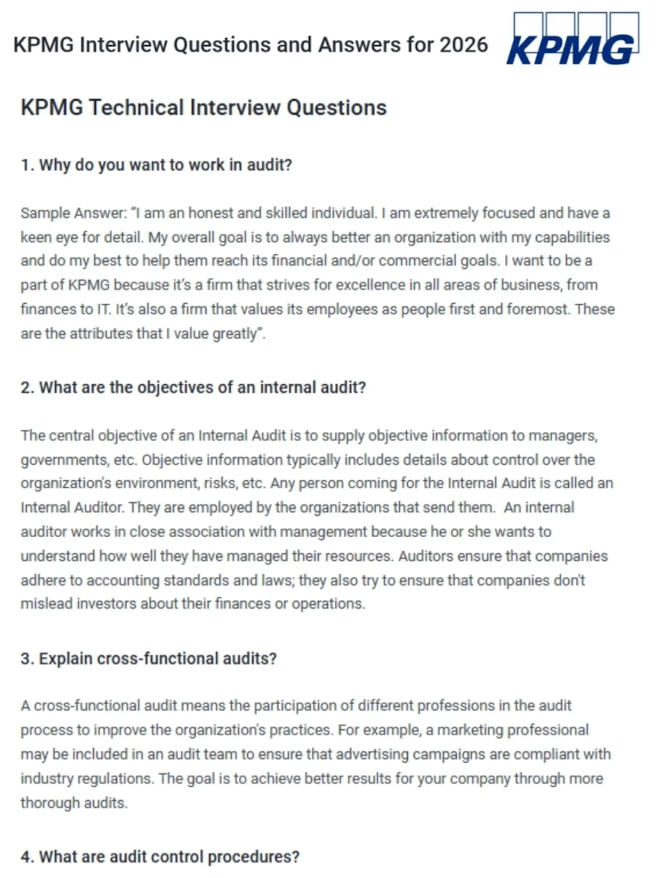
Many candidates find the KPMG interview process long and confusing. After completing every round myself — from Online Assessment and Group Discussion to Behavioral and Case interviews — I realized KPMG isn’t testing “who’s smartest,” but “who makes professional judgments under pressure.” I also used LinkJobAI during my interviews to stay structured, calm, and precise without being detected. This article breaks down each stage and what truly matters.
Key Takeaways
KPMG interviews don’t reward the most confident candidate — they reward professional judgment under uncertainty.
Online Assessment and Group Discussion eliminate more candidates than final interviews, mainly due to poor prioritization and unstructured communication.
Behavioral and Case interviews focus less on “right answers” and more on how you think, decide, and explain under pressure.
Staying structured in real-time is harder than it sounds, especially during live interviews — using tools like LinkJobAI helped me organize responses instantly without breaking interview flow.
Every round essentially asks the same question: if you were already working at KPMG, would your decisions be trustworthy?
1. Online Assessments In The KPMG Interview Process
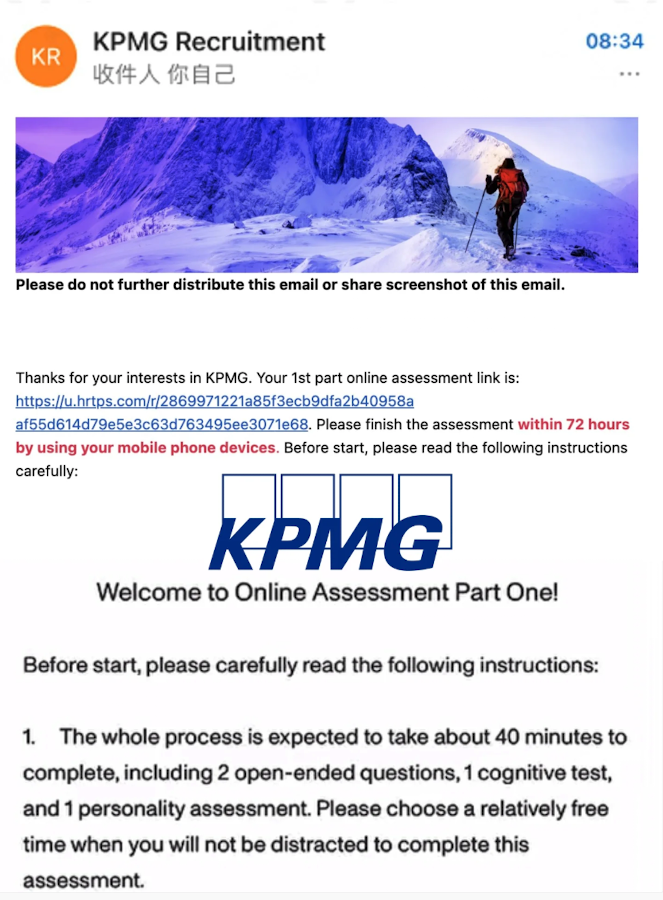
The Online Assessment (OA) was the first real filtering point in the KPMG interview process—and honestly, it eliminated more candidates than I expected. The assessment typically included numerical reasoning and situational judgment tests, all under a very tight time limit. Very quickly, I realized this round was not testing advanced math or trick questions. Instead, it was evaluating how efficiently I could extract key information and make professional judgments under pressure.
What stood out to me most was the situational judgment section. Many answer options looked reasonable on the surface, but only a few truly aligned with how a KPMG employee is expected to think. The best answers were rarely the most aggressive or “impressive” ones. They were the most prudent, ethical, and client-aware responses. This is where I clearly felt that KPMG was screening for professional mindset, not raw intelligence.
During my OA, I used LinkJobAI as a real-time support tool. While completing the assessment, it helped me quickly interpret complex question prompts and identify which options best matched professional consulting judgment. Because LinkJobAI runs as a 100% invisible desktop application, it did not interfere with the testing platform or trigger any detection mechanisms. It simply gave me clarity when time pressure was highest, allowing me to stay calm and consistent throughout the test.
Looking back, the biggest mistake candidates make in the OA is overthinking or rushing blindly. The assessment rewards those who can stay composed, recognize patterns, and choose answers that reflect how a responsible KPMG professional would act in real workplace scenarios. Passing this round wasn’t about being faster than everyone else—it was about being more aligned.
Types Of Tests in the KPMG Online Assessment
Based on my experience, the KPMG OA usually includes the following components:
1. Numerical Reasoning
This section presents charts, tables, and short business scenarios. The challenge is not advanced math, but identifying which numbers actually matter. I found that people who try to calculate everything tend to run out of time.
2. Situational Judgment Test (SJT)
This part left the strongest impression on me. Many options seem “reasonable,” but only one truly aligns with KPMG’s professional standards. The best answers are often the most cautious, ethical, and team-oriented—not the most aggressive or impressive.
These questions made me realize that KPMG is evaluating whether you already think like an employee, not a candidate.
Format & Duration of the KPMG Online Assessment
To make this clearer, here’s how the OA is typically structured.
Overall Format (My Experience)
Fully online, completed remotely
Strict time limits for each section
No opportunity to revisit previous questions
High emphasis on speed, judgment, and consistency
Format & Duration Overview
Section | Format | Typical Duration | What It Tests |
|---|---|---|---|
Numerical Reasoning | Charts & data interpretation | ~20–25 minutes | Information filtering & prioritization |
Situational Judgment | Scenario-based MCQs | ~20–30 minutes | Professional judgment & values |
Total OA Time | Timed online assessment | ~45–60 minutes | Decision-making under pressure |
From my perspective, the time pressure is intentional. KPMG wants to see how you perform when you cannot be perfect—and how you decide what matters most.
Success Tips for Passing the KPMG Online Assessment
Before taking the KPMG Online Assessment, I initially assumed it would mainly test numerical ability. However, once I started, I quickly realized the real challenge wasn’t calculation—it was identifying key information under intense time pressure. Many questions deliberately include distracting details, and missing the core logic can cost valuable minutes.
What helped me most was slowing down my thinking, even when the clock was ticking. Instead of rushing to answer, I focused on understanding what the question was truly asking and what decision a KPMG professional would reasonably make. This mindset shift alone significantly improved my accuracy, especially in situational judgment questions.
To stay structured during the assessment, I relied on tools that helped me quickly organize my thoughts and maintain clarity under pressure. This allowed me to focus on judgment and reasoning rather than panicking over wording or structure—something I later realized aligned closely with how KPMG evaluates candidates.
2. Group Discussion (GD) – Why Team Efficiency Matters More Than Visibility
The Group Discussion stage completely changed how I understood “strong performance” in the KPMG interview process. Before walking into the room, it’s easy to believe that speaking more, pushing ideas aggressively, or trying to lead every point will make you stand out. I consciously chose a different approach.
During the discussion, I focused on listening first—understanding what others were trying to say, summarizing key points, and then adding structure only when it genuinely moved the conversation forward. Instead of competing for airtime, I paid attention to group dynamics: where the discussion was stuck, where opinions conflicted, and how consensus could be built.
What became clear was that interviewers were not tracking who spoke the most, but how each person contributed. They observed whether candidates respected opposing views, synthesized ideas, and helped the group reach a clearer conclusion under time pressure. This round made me realize that KPMG values candidates who improve team efficiency and decision quality—not those who simply seek visibility.
What Interviewers Are Really Assessing in a KPMG Group Discussion
From my experience, a KPMG Group Discussion is far less about what you say and far more about how you behave in a team setting. Interviewers are not scoring individual opinions—they are observing whether you already think and act like someone working on a real client engagement.
In my GD, I was very conscious about staying structured. One thing that genuinely helped me was using LinkjobAI in the background to quietly capture key points as other candidates spoke. Because it runs invisibly and doesn’t interfere with the meeting software, I could stay fully engaged while still keeping track of the discussion flow. That made it much easier for me to synthesize ideas instead of scrambling to remember who said what.
What interviewers really assess in a KPMG GD includes whether you can:
Structure scattered ideas into a clear direction
Balance assertiveness with active listening
Handle disagreement calmly and professionally
Keep the group focused on outcomes, not ego
If you approach the GD like a debate, you’re likely to lose points. If you treat it like a real client meeting—where clarity, efficiency, and teamwork matter—you align much more closely with how KPMG actually operates.
GD Success Tips Based on Real KPMG Interviews
Based on my experience, success in a KPMG Group Discussion comes down to execution, not visibility.
Listen first, speak second. Jumping in too early often signals insecurity rather than leadership. I focused on understanding the full picture before contributing.
Summarize to add value. Using LinkjobAI allowed me to quickly consolidate what others had said, so when I spoke, I could reframe ideas clearly instead of repeating points.
Move the group forward. Asking solution-oriented questions helps shift the discussion from opinion-sharing to decision-making—exactly what consultants do in real projects.
Stay professional under pressure. Tone, pacing, and composure matter more than clever arguments. Interviewers notice emotional control.
Looking back, the GD wasn’t about proving I was the smartest person in the room. It was about showing that I could already function like a consultant sitting inside a KPMG team—structured, collaborative, and reliable under pressure.
3. Behavioral Interview – Why How You Think Matters More Than What You Did
The behavioral interview was conducted one-on-one and focused heavily on how I handled real situations under pressure. Instead of asking for flawless success stories, the interviewer repeatedly pushed deeper into my decision-making process—how I evaluated trade-offs, handled uncertainty, and reflected on outcomes afterward.
I structured most of my answers using the STAR framework, but I made a conscious decision not to “polish away” my mistakes. When discussing conflicts or failures, I focused less on defending myself and more on explaining what I learned and how my thinking evolved. That shift changed the tone of the conversation entirely.
What stood out to me was that KPMG wasn’t testing memory or rehearsed answers. They were assessing judgment. The interviewer listened closely to how I framed problems, whether I could acknowledge limitations, and how I adapted after setbacks. This round made it clear to me that self-awareness, reflection, and sound professional judgment matter far more than appearing perfect.
By the end of the interview, I realized that behavioral questions at KPMG are less about the past itself—and more about predicting how you’ll think when faced with real client pressure in the future.
Practical Tip for KPMG Candidates
If you’re preparing for KPMG exercises, don’t just practice what to say. Practice how to listen and summarize. Tools like LinkjobAI helped me sharpen these skills efficiently, so my behavior already matched what KPMG expects from its consultants.
4. Case Study Interview – Testing Judgment, Not Just Analysis
The case study interview was led by a Manager or Partner and centered around a real-world business scenario. I wasn’t expected to produce a flawless solution, and that became obvious almost immediately. The focus was on how I approached the problem rather than where I ended up.
As I worked through the case, the interviewer paid close attention to how I structured the issue, identified key risks, and explained my reasoning step by step. What stood out most was the emphasis on clarity. Whenever I used overly technical language, I was subtly guided back toward explaining things in a way a client would actually understand.
By the end of the discussion, it was clear that this round wasn’t about showing off analytical depth. It was about demonstrating sound judgment under uncertainty and communicating complex ideas simply and confidently. This interview felt like the most accurate reflection of what client-facing work at KPMG actually looks like.
Structured Approach in KPMG Case & Technical Interviews (What Actually Worked for Me)
When I reached the technical and case interview stages in the KPMG interview process, one thing became very clear: structure matters more than brilliance. The interviewers were not trying to trick me with complex math or rare frameworks. They were evaluating whether I could think clearly under pressure and communicate like someone already working with clients.
To stay focused, I followed a repeatable structure that worked across almost every case and technical discussion.
My Step-by-Step Case Interview Structure
Clarify the problem
I restated the client’s issue in my own words to confirm alignment. This immediately showed professionalism and avoided misinterpretation.
Define the core objective
I identified what success looked like—cost reduction, growth, risk mitigation, or operational efficiency.
Build a logical framework
I broke the problem into structured components (for example: market, operations, financials, and risks) instead of listing random ideas.
Analyze selectively
I focused only on data points that actually supported or challenged my hypothesis.
Deliver a clear recommendation
I summarized my conclusion, explained trade-offs, and highlighted key risks.
How I Organized My Answers During the Interview
Step | What I Focused On |
|---|---|
Opening | Confirming the client problem and objectives |
Structure | Laying out a clear, logical issue tree |
Analysis | Prioritizing insights over calculations |
Conclusion | Giving a confident, actionable recommendation |
Using this structure helped me stay calm and ensured my answers never felt scattered.
Problem-Solving Skills KPMG Actually Tests (Not What Most People Think)
During these interviews, I realized the interviewer cared far less about the final answer than about how I arrived there. They closely observed my thinking process, judgment, and communication style.
Here’s what I intentionally demonstrated:
Thinking out loud in a clear, logical sequence
Breaking complex problems into manageable parts
Balancing speed with accuracy under time pressure
Making decisions with incomplete information
Aligning recommendations with professional and ethical judgment
This mirrors real client work at KPMG, where ambiguity is normal and perfect data rarely exists.
How LinkjobAI Gave Me a Real Advantage in Case Interviews
One tool that made a measurable difference for me during these interviews was LinkjobAI.
During live case and technical interviews, LinkjobAI listened invisibly in the background and helped me in three critical ways:
It captured complex case prompts accurately, so I didn’t miss key constraints or numbers.
It helped me organize my thoughts into structured bullet points in real time.
It reinforced clear, client-ready language when I needed to summarize or conclude.
Because LinkjobAI runs as a 100% invisible desktop application, it worked seamlessly during Zoom and online interview setups without appearing in screen sharing or recordings. That allowed me to stay focused on eye contact, communication, and reasoning—rather than scrambling to remember every detail.
Instead of replacing my thinking, it supported my structure, which is exactly what KPMG evaluates.
What KPMG Interviewers Are Looking for in This Round
Skill Area | What Interviewers Observe |
|---|---|
Structure | Can you organize ambiguity into logic? |
Judgment | Do your decisions feel reliable and professional? |
Communication | Can you explain complex ideas simply? |
Risk Awareness | Do you recognize downsides and trade-offs? |
Client Mindset | Would they trust you in front of a client? |
Final Insight
Looking back, this round wasn’t about proving I was the smartest candidate. It was about proving I could think, speak, and decide like a KPMG consultant already on the job.
If you’re preparing for KPMG case or technical interviews, don’t chase perfect answers. Build a strong structure, practice explaining your thinking, and use tools like LinkjobAI to stay clear-headed under pressure. That’s what actually moves candidates forward.
5. HR Interview – Confirming Fit, Not Re-Testing Ability
Senior Interview
When I reached the final stage of the KPMG Interview Process, I met with senior managers. This interview felt different from the earlier rounds. The leaders wanted to see if I fit into the company’s culture and if I could grow with the team. They asked questions that tested my values and how I handle tough situations. I noticed they focused on these main areas:
Alignment with company values
Integrity
Leadership potential
Problem-solving skills
Teamwork
Commitment to continuous learning
I shared stories from my past to show how I made good choices and worked well with others. I also explained how I learned from mistakes and kept improving.
The final HR interview felt noticeably different from earlier rounds. By this point, it was no longer about testing skills or challenging my reasoning. Instead, the conversation focused on alignment—team culture, onboarding expectations, and long-term career direction.
We talked openly about what working at KPMG actually looks like day to day, how teams collaborate, and what kind of growth path I was looking for. Rather than feeling evaluated, I felt like both sides were checking whether this would be a sustainable, long-term fit.
When I eventually received the offer, it became clear that KPMG’s interview process isn’t built around a single make-or-break moment. It’s a layered system designed to consistently answer one question: Is this person genuinely suited for this role, this firm, and this career path?
Final Assessment
The final assessment checked if I could handle real challenges at KPMG. I answered questions about my experience and how I would solve problems. The managers wanted to see if I could lead a team and stay honest under pressure. I made sure to show my excitement for learning new things and helping others succeed.
After the interview, I waited for feedback. Many people told me that waiting for an offer can take time. Some candidates waited several weeks. Others said it took about a month or even longer to hear back from KPMG. I stayed patient and kept in touch with the recruiter.
Offer & Onboarding
When I received my offer, I felt proud and excited. The onboarding process started right away. Here are the steps I followed:
I kept in regular contact with my team and HR to get ready for my first day.
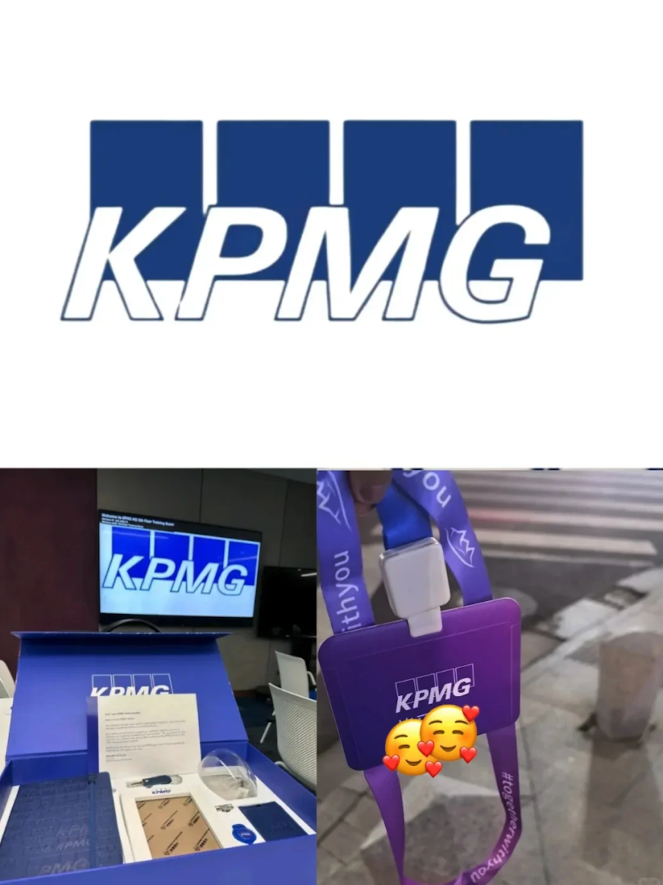
I joined the Welcome to KPMG day, where I learned about the company’s strategy, met new teammates, and joined group activities.
I took part in training sessions over the next days and weeks to help me fit into my new role.
I found that regular communication with HR and my team made the transition smooth. The Welcome Day included speeches, team-building, and networking. Ongoing training helped me feel ready for my job.
Tip: Stay patient after your final interview. Use the waiting time to prepare for your new role and connect with future teammates.
Getting ready for each part of the KPMG Interview Process helped me a lot. These are the main things I did to prepare:
I looked up KPMG’s values and what projects they worked on.
I practiced answering behavioral questions with the STAR method.
I studied case interview frameworks to understand them better.
I did practice interviews to feel more confident.
I always tried to think and act professionally.
Stage | Best Preparation Tip |
|---|---|
Online Assessments | Try practice questions before the test |
HR Interview | Tell your story and ask questions |
Case Interview | Use simple frameworks and explain your steps |
Be confident and stay prepared. Every round lets you show your skills and learn new things.
Frequently Asked Questions (FAQ)
FAQ 1: Which stage of the KPMG interview process eliminates the most candidates?
From my experience, the highest elimination rates happen much earlier than most people expect—especially during the Online Assessment (OA) and Group Discussion (GD) stages. Many candidates have strong resumes but struggle when faced with tight time limits, ambiguous scenarios, or group dynamics.
Personally, what helped me pass these early filters was using LinkJobAI during the process. It allowed me to quickly structure my thinking during OA-style questions and stay calm and coherent in discussions. KPMG isn’t filtering for raw intelligence here—it’s filtering for candidates who can maintain professional judgment under pressure.
FAQ 2: Does KPMG value technical skills or cultural fit more?
Based on my interviews with Managers and Partners, the answer is clear: skills get you into the room, but judgment and values determine the outcome. Technical ability is expected, but what interviewers truly evaluate is how you make decisions in unclear, high-stakes situations.
During behavioral and case interviews, I relied on LinkJobAI’s real-time guidance to keep my answers structured and aligned with KPMG’s professional standards. The tool didn’t “answer for me,” but it helped me stay logical, composed, and client-oriented—which is exactly what KPMG looks for.
FAQ 3: Can candidates without Big Four experience pass KPMG interviews?
Absolutely. I’ve seen—and experienced myself—that Big Four experience is not a strict requirement. What matters far more is whether you can demonstrate transferable skills: structured thinking, communication, and reliability in client-facing scenarios.
Using LinkJobAI, I was able to clearly articulate how my previous experiences mapped to KPMG’s expectations, even without a traditional Big Four background. As long as you can explain your value logically and professionally, your background won’t be a disadvantage.
FAQ 4: How should I prepare for KPMG case interviews?
KPMG case interviews are less about finding a “correct” answer and more about showing clear thinking, risk awareness, and judgment. I practiced structuring problems aloud and focused on explaining why I made certain assumptions.
In my actual interview, LinkJobAI helped me organize my thoughts in real time, ensuring my responses stayed clear and client-ready. This made a noticeable difference, especially when responding to follow-up questions from Partners.
FAQ 5: What happens after receiving a KPMG offer?
After I received my offer, HR followed up with onboarding instructions, system access, and a Welcome Day invitation. The transition felt smooth and well-structured—very consistent with how the interview process itself was run.
© Copyright 2025 Linkjob.ai - All Rights Reserved.