How I Cracked 2025 MS DS Interview With Real Questions

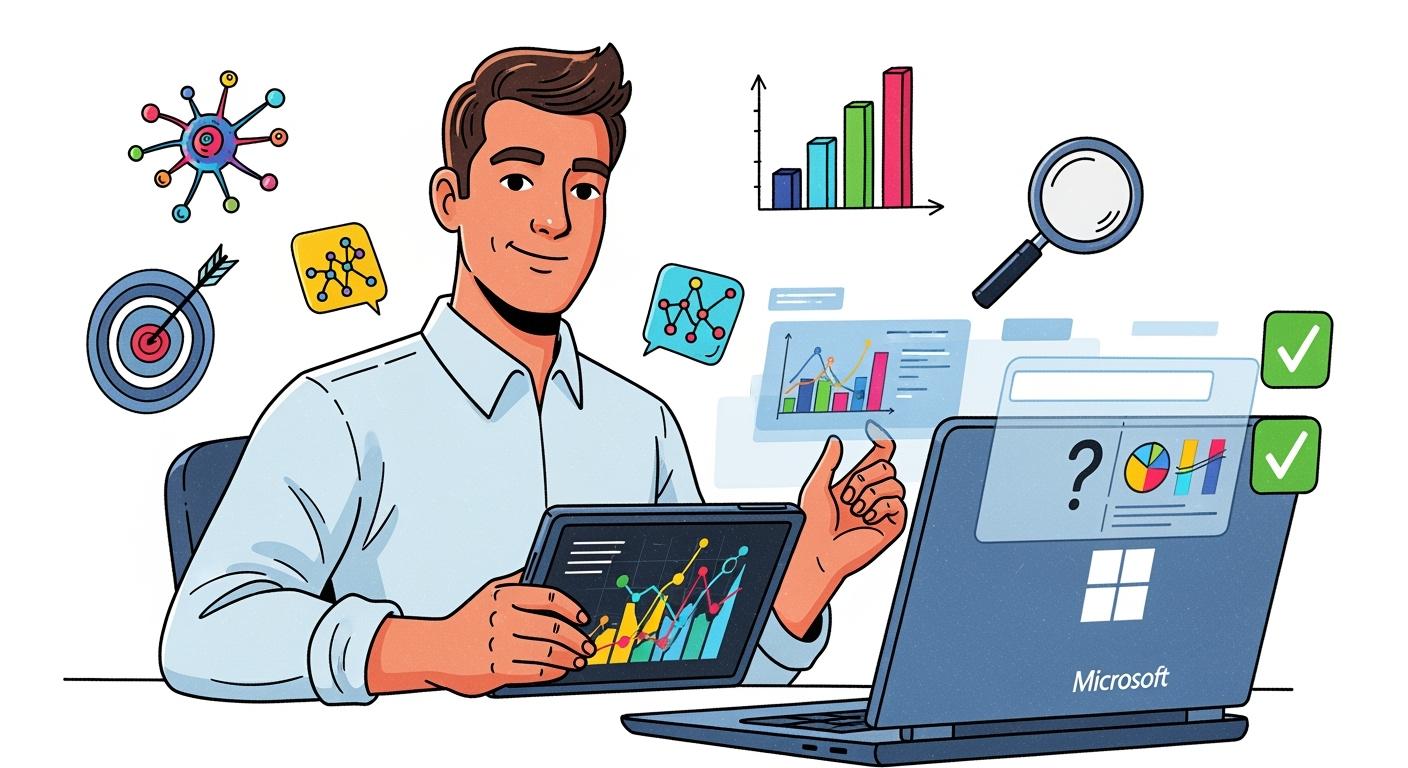
Successfully passing the 2025 Microsoft Data Scientist interview required immense perseverance, extensive practice, and profound self-reflection. I still remember the palpable mix of excitement and nervousness when I was asked to analyze datasets, build models, and articulate my insights.
I am truly grateful that linkjob. ai provided me with an Intelligent Interview Assistant which helped me overcome my interview anxiety.
Here’s a quick look at some challenges I tackled along the way:
Challenge Type | Description |
|---|---|
Analysis of a given dataset | I had to extract insights, predict trends, and spot patterns that could impact business choices. |
Model building and validation | I needed to construct and validate models using real statistical metrics. |
Documentation and insight | My answers had to be clear, insightful, and efficient. |
I also noticed a strong focus on teamwork, adaptability, and problem-solving.
Microsoft Data Science Interview Process
Microsoft Data Science Interview Rounds Overview
When I started my microsoft data science interview journey, I wanted to know exactly what to expect.
Here’s a quick breakdown of the main stages and how long each one usually takes:
Stage | Duration |
|---|---|
Submit Application | N/A |
Initial Screening | 30 to 45 minutes |
On-site Interviews | 3 to 6 rounds of 45 minutes each |
Offer and Onboarding | N/A |
Interview Round | Description |
|---|---|
HR Interview | Explored my background and included a take-home case study. |
Behavioral Interview | Focused on values and cultural fit. |
Case Study | Asked me to analyze a business scenario and share recommendations. |
Coding Round | Tested my skills with algorithms and data structures. |
Technical Round | Assessed my understanding of statistics, probability, and data science concepts. |
Each round had a clear focus. The HR interview helped the team understand my background and the role I wanted. The behavioral interview tested my values and how I fit into the company culture. I tackled a business case study, solved coding problems, and designed data systems. The technical rounds pushed me to apply my knowledge to real-world problems.
Microsoft Data Science Interview Key Topics and Skills Tested
I noticed the microsoft data science interview covered a wide range of topics. Here are the main skills I needed to show:
Algorithms
SQL coding
Probability
Statistics
Machine learning concepts
The interviewers also wanted to see how I handled business impact topics:
Data modeling
ETL (Extract, Transform, Load)
Power BI
SQL Server Integration Services
Data governance
Visualization best practices
Stakeholder communication
What Microsoft Values in Candidates
Microsoft looks for more than just technical skills. I realized they care about how I work with others and solve problems. Here’s what stood out to me:
Technical competence and cultural alignment
Soft skills for collaboration and problem-solving
Strong interpersonal skills and clear communication
A growth mindset, teamwork, and customer focus
Collaborative problem-solving abilities
During the behavioral and leadership questions, I shared stories about handling ambiguity, learning from feedback, and supporting my team. Microsoft wants candidates who can grow, adapt, and help others succeed.
Real Questions from My Microsoft Data Science Interview
When I prepared for the microsoft data science interview, I wanted to know exactly what kinds of questions I would face. I kept track of the actual questions I encountered and grouped them by type. I’ll walk you through the main categories, share examples, and explain what each question aimed to test.
Microsoft Data Science Interview Coding and SQL Questions
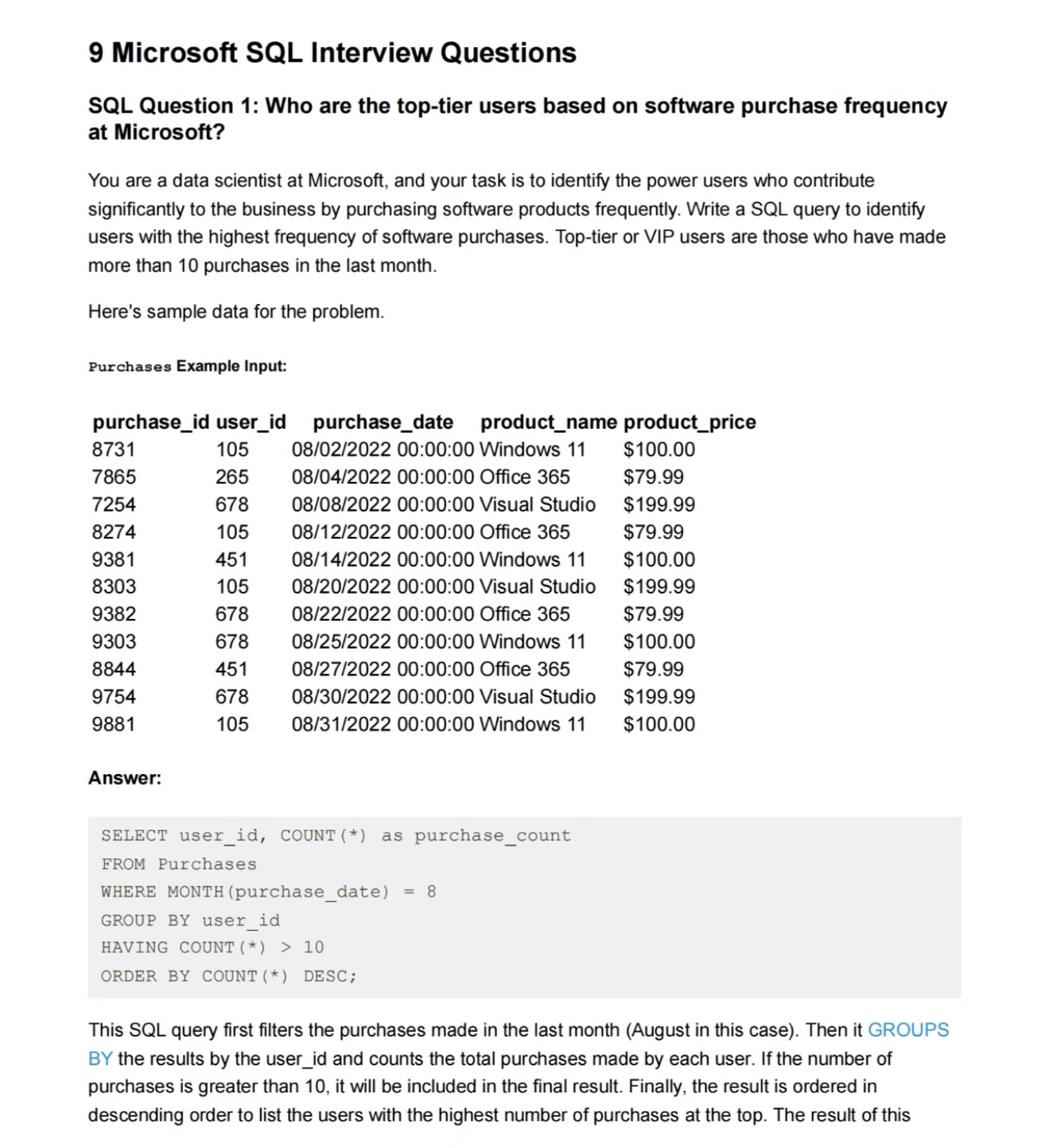
Coding and SQL questions came up early in my microsoft data science interview. Here is an example I faced:
Microsoft Data Science Interview Machine Learning and Case Studies
Machine learning and case study questions made up a big part of my microsoft data science interview. The interviewers wanted to know how I approached open-ended problems and built models for real scenarios. Here are some questions I tackled:
How do we deal with missing data to construct a housing price prediction model?
How would we build a bank fraud detection model with a text messaging service?
Given a dataset with keywords and their bid prices, how would you build a model to bid on a new unseen keyword?
How would you know if you have enough data to create an accurate enough model?
Imagine you work as a data scientist at Amazon. You want to improve the search results for product search but cannot change the underlying logic in the search algorithm. What methods could you use to increase recall?
How would you design a model to detect potential bombs at a border crossing?
For each case, I broke down the problem with the interviewer. I started by exploring the problem, identifying edge cases, and thinking about what mattered most for the business. I defined success metrics, looked at available data, and suggested new sources if needed. I picked features, decided how to label the data, and chose a model that fit the problem. I talked about how I would validate the model offline and measure its performance. I also explained how I would deploy the model and monitor it in production.
Note: The interviewers wanted to see my problem-solving process, not just the final answer. They asked follow-up questions to test my understanding of metrics, data sources, and deployment strategies.
These questions tested my ability to think critically, communicate my approach, and connect technical solutions to business impact.
Microsoft Data Science Interview Behavioral and Teamwork Questions
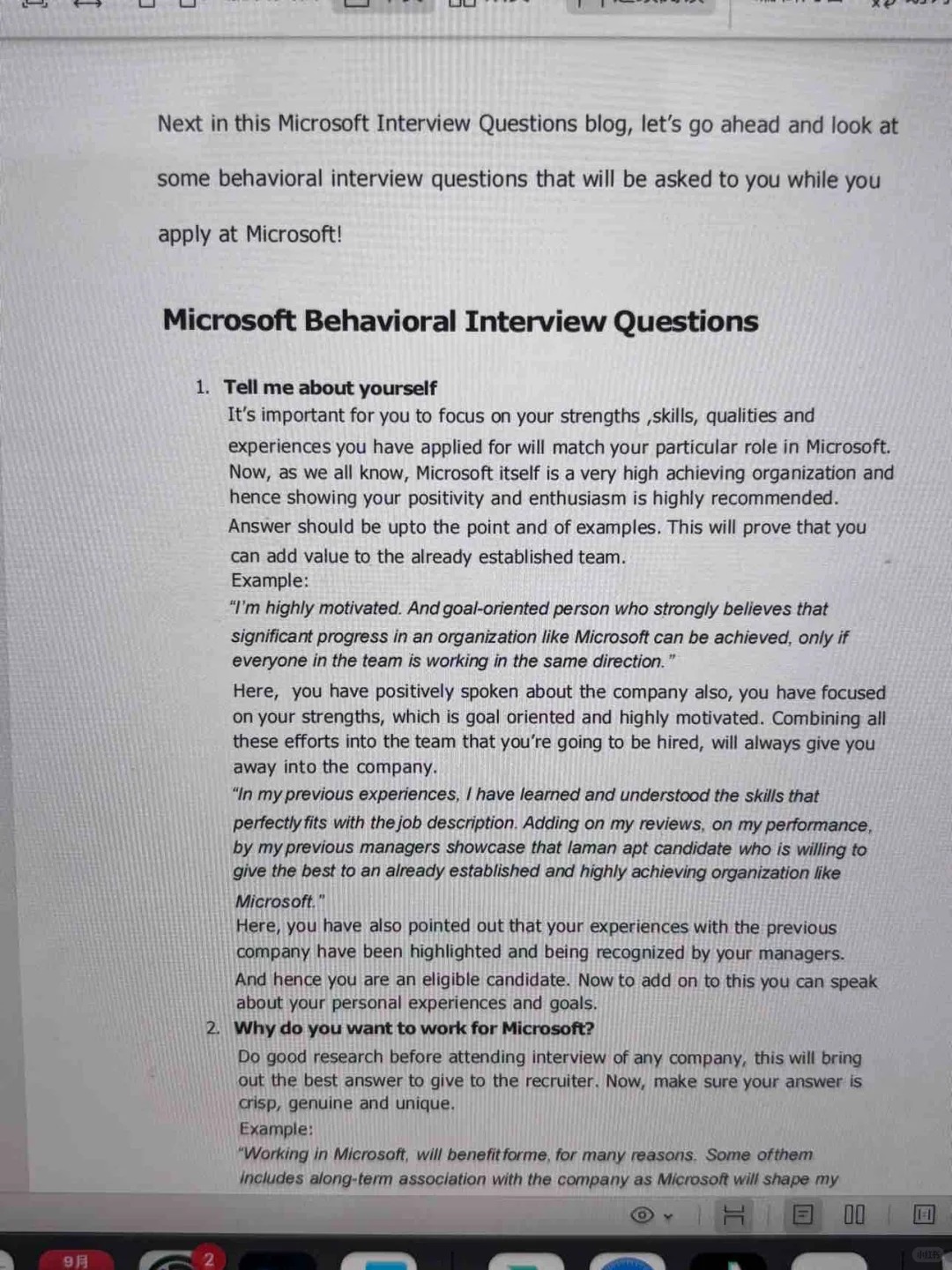
Behavioral and teamwork questions showed up in every round of my microsoft data science interview. The interviewers wanted to know how I worked with others, handled challenges, and learned from experience. Here are some questions I remember:
Describe a time you persuaded someone to adopt your approach.
Tell me about a situation where you had to operate under ambiguity.
Tell me about a time you had to explain complex technical findings to a non-technical person.
Tell me about working with a cross-functional team.
Have you ever had to adapt mid-project to shifting priorities?
These questions measured several key competencies:
Competency | Description |
|---|---|
Problem-solving and Decision-Making | Approaching complex problems and making informed decisions with limited information. |
Teamwork and Collaboration | Working effectively with diverse teams and resolving conflicts. |
Leadership and Influence | Inspiring and motivating others while driving change and innovation. |
Adaptability and Resilience | Handling change and uncertainty, and learning from mistakes. |
Customer Obsession and Impact | Prioritizing customer needs and driving results to improve products. |
I answered by sharing stories from my past projects. I explained how I handled tough situations, worked with different teams, and learned from feedback. The interviewers wanted to see if I could adapt, lead, and focus on customer impact.
Pro Tip: I practiced telling my stories in a clear, simple way. I made sure to highlight what I learned and how I helped my team succeed.
If you’re preparing for the microsoft data science interview, I recommend practicing these types of questions. Think about your own experiences and how you can show your skills in coding, machine learning, and teamwork.
Peer Insights and Common Interview Questions
Frequently Reported Questions
When I started preparing, I spent a lot of time reading stories from other candidates and browsing online forums. I noticed that many people faced similar types of questions during their Microsoft data science interviews. Here are some of the most common ones:
Write a SQL query to find duplicate records in a table.
Explain how you would handle missing data in a dataset.
Describe a project where you used data to solve a business problem.
How would you assess the results of an A/B test?
Debug a slow SQL query and suggest improvements.
Build a predictive model for a real-world scenario, like customer churn or fraud detection.
These questions often focus on practical skills. Interviewers want to see how you approach real business problems, not just textbook answers.
Trends in Recent Interviews
I noticed some clear trends in Microsoft data science interviews over the past two years:
Interviewers put a big emphasis on the basics: statistics, data querying, programming, and machine learning.
The competition has increased, so candidates need to show strong skills in these areas.
Many candidates shared that they faced questions about both technical topics and business thinking.
Tip: If you want to stand out, make sure you can explain your thought process clearly and connect your answers to business impact.
Comparing My Experience
My own interview experience matched some of these patterns, but I also saw a few differences. I had several technical rounds that focused on machine learning, natural language processing, and data structures. Some of my peers, especially those interviewing for data analyst roles, got more questions about SQL, data visualization, and business acumen. This shows that Microsoft tailors its interviews to the specific role.
I also noticed that while everyone faced questions about SQL and data projects, the depth of machine learning and system design questions varied. For me, the interviewers wanted to dig deep into predictive modeling and system design, while others spent more time on A/B testing and debugging SQL.
Every interview is unique, but knowing these patterns helped me prepare smarter and feel more confident on the big day.
Preparation Tips and Strategies for Success
Study Resources and Timeline
When I started preparing for the Microsoft data science interview, I made a list of topics I needed to master. I focused on business understanding, SQL and databases, Python programming, mathematics like probability and statistics, machine learning, and data structures. I also spent time on communication skills and reviewed some engineering and big data concepts, just in case.
I set up a timeline to keep myself on track. Here’s what worked for me:
Step | Duration |
|---|---|
Overall preparation | 2 to 8 weeks |
Possible extension | Longer than 8 weeks |
I gave myself at least two weeks for each major topic. If I felt stuck, I added more time. I didn’t rush. I wanted to build a strong foundation.
Practice Methods for Coding and Cases
Practice made a huge difference for me. I used LeetCode for coding and SQL problems. For case studies, I broke down each problem into steps:
I asked questions to clarify the problem.
I made assumptions to narrow my focus.
I planned my solution and explained my steps.
I executed my plan, talking through each part.
I reviewed my answer and connected it to business goals.
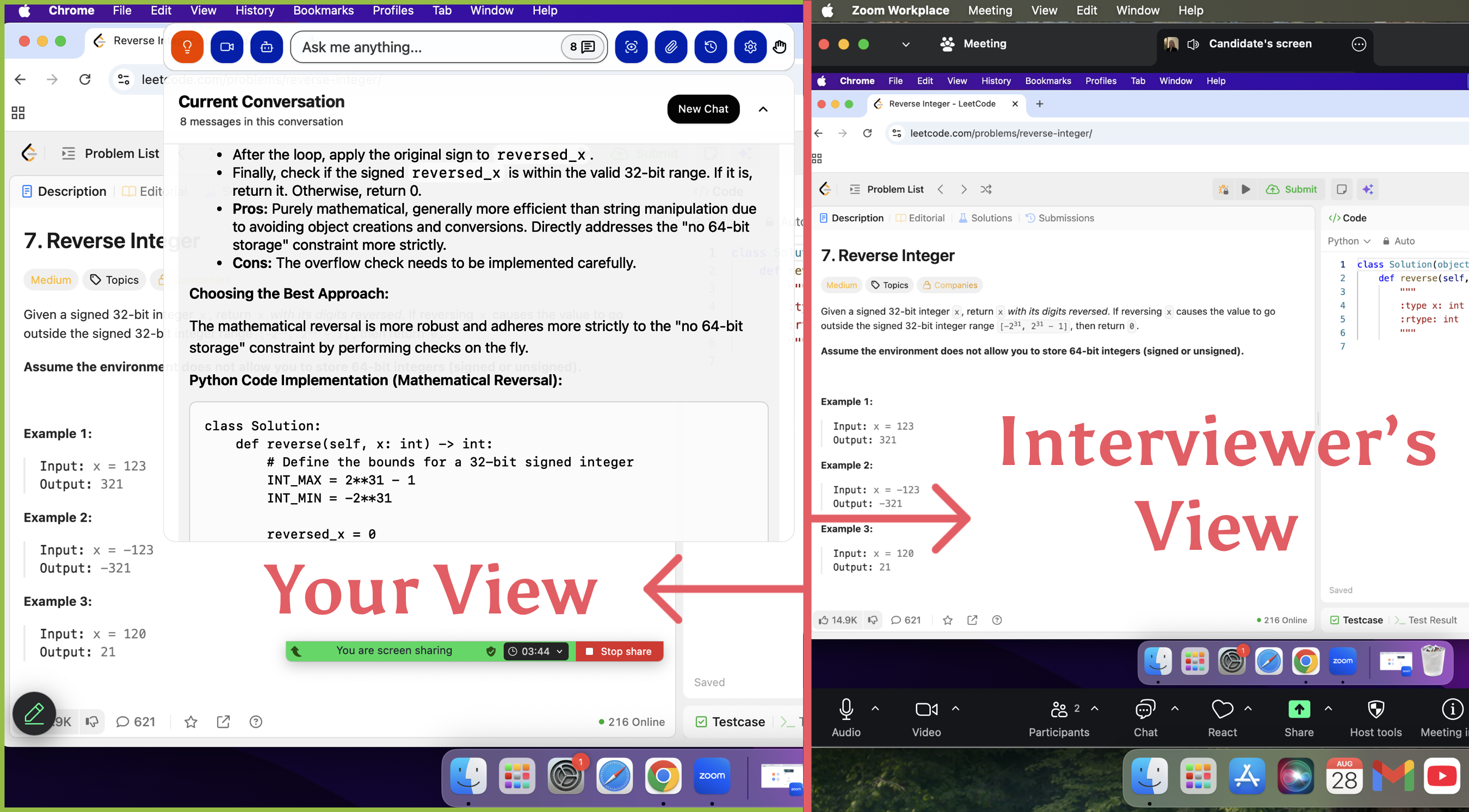
I practiced by myself first. Then, I teamed up with friends for mock interviews. Later, I booked sessions with experienced interviewers who gave me expert feedback. Mock interviews helped me understand what Microsoft wanted and boosted my confidence.
Practicing with others helped me spot gaps in my thinking and improve my communication.
Mistakes to Avoid
I learned that most candidates don’t fail because they lack skills. They miss key parts of the interview process. Here are some mistakes I avoided:
I made sure to communicate my ideas clearly.
I structured my answers so they made sense.
I prepared thoroughly to understand what hiring managers expected.
If you focus on clear communication and logical answers, you’ll stand out. Preparation is the key to success.
Lessons Learned and Final Thoughts
Surprises and Challenges
I walked into the Microsoft data science interview expecting tough questions, but some things still caught me off guard. The process felt both challenging and enlightening. I realized that landing the job was only part of the journey—the lessons I picked up along the way mattered even more.
Here are a few things that surprised me:
Interviewers cared as much about how I communicated as how I coded.
Collaboration and teamwork came up in almost every round.
Clarifying the problem before jumping into code made a huge difference.
System design questions required me to think big-picture first, then zoom in on details.
The interview taught me that effective communication and collaboration are just as important as technical skills.
What I’d Do Differently
Looking back, I see a few things I would change if I could do it all over again. I learned the value of structured practice. Mock interviews gave me real-world experience and helped me perform better under pressure. Getting feedback from a mentor showed me where I could improve and what I did well. I also tried some creative exercises, like explaining simple tasks out loud, which made my communication clearer.
If I had to start again, I would:
Schedule more mock interviews with friends or mentors.
Ask for feedback after every practice session.
Spend extra time breaking down problems before writing code.
Practice explaining my thought process in simple terms.
Encouragement for Candidates
If you’re preparing for a Microsoft data science interview, remember this: growth happens during the journey, not just at the finish line. Every challenge is a chance to learn something new. Don’t be afraid to ask questions, seek feedback, or try new ways to practice.
Focus on clear communication and teamwork.
Take time to understand each problem before you start coding.
Use mock interviews to build confidence and spot blind spots.
You’ve got this! Stay curious, keep practicing, and trust your preparation. The skills you build now will help you far beyond the interview room.
Looking back, I found that practicing with real questions and mock interviews helped me the most. I focused on clear communication and teamwork. I learned from my mistakes and improved with each round. If you want to succeed, try these steps:
Review real interview questions.
Practice coding and case studies.
Ask for feedback and learn from it.
Start your journey now. Every step you take brings you closer to your goal!
FAQ
What resources helped me the most during my interview prep?
I found LeetCode, mock interviews, and Microsoft’s official documentation super helpful. I also joined online forums to learn from others’ experiences. Practicing with real questions made a big difference for me.
How did I manage my time while preparing?
I set a weekly schedule and focused on one topic at a time. I used a checklist to track progress. Short, daily practice sessions kept me motivated and helped me avoid burnout.
What should I do if I get stuck on a technical question?
I pause and break the problem into smaller parts. I ask clarifying questions and explain my thought process out loud. If I still struggle, I move on and come back later with a fresh perspective.
How can I improve my communication skills for the interview?
I practice explaining my solutions to friends or even to myself. I record my answers and listen for clarity. I focus on simple language and make sure my main points stand out.
Is it okay to admit when I don’t know something?
Absolutely! I always stay honest. If I don’t know an answer, I share how I would approach the problem. Interviewers appreciate honesty and a willingness to learn.
See Also
Navigating Dell Technologies Interview Questions: My Detailed Approach
Leveraging AI Tools to Ace My Microsoft Teams Interview
Insights from My Oracle Software Engineer Interview in 2025
© Copyright 2025 Linkjob.ai - All Rights Reserved.