How I Cracked the StubHub Software Engineer Interview in 2026


I recently cracked the StubHub software engineer interview. The StubHub software engineer interview is typically divided into six stages: OA, HR Call, HM, Pair Coding, SD, and BQ. I paid close attention to the company's mission and practiced coding and system design questions.
Since the experiences from StubHub SWE candidates were quite limited, I also learned from the insights from other companies in the community, including Roblox SWE interview experience and questions, to guide my prep.
I am really grateful for the useful tool, Linkjob AI, and that's why I'm sharing my interview questions and experience here. Having an undetectable AI interview assistant for SWE interview indeed provides a significant edge.
Key Takeaways
Don't overcomplicate it — just prepare step by step. The StubHub SDE process is structured, so plan your prep around each stage.
Most questions are practical and implementation-heavy. You don't need crazy LeetCode — focus on clean coding and OOD.
Don't just explain your solution — explain why it matters. That's how you stand out in a StubHub SDE interview.
Be concise and structured, especially when interviewers interrupt. Clear communication is one of the most proven tips here.
Every round has follow-ups, so don't stop at your first answer. Talk through your thinking and stay flexible.
StubHub Software Engineer Interview Process
StubHub SWE Interview Stages Overview
I went through the StubHub interview process for a Senior/Staff-level SWE role after being reached out by a recruiter on LinkedIn. The overall flow was quite structured and predictable.
It started with an online assessment, followed by HR, hiring manager, coding, system design, and finally a director-level round.
After passing the OA, things moved at a steady pace — usually about one round per week. From what I've heard, the overall bar is not low, and the pass rate is around 25%.
Stage | Description |
|---|---|
Online Assessment (Codility) | Basic coding and implementation, moderate difficulty, focus on correctness |
HR Call | Background discussion and role alignment, no technical evaluation |
Hiring Manager Round | Deep dive into projects, ownership, and business impact |
Pair Coding | Build notification system with multiple follow-ups and extensions |
System Design | Design notification/email system with scalability and reliability |
Behavioral Questions | Project presentation, heavy challenges, business and product thinking |
Common StubHub SWE Interview Formats
Across different rounds, the format was fairly consistent and focused on real-world scenarios rather than abstract problems.
Coding rounds leaned toward implementation and object-oriented design, while system design focused on practical systems like notifications or recommendations.
One thing that stood out was that interviewers often cared more about how your solution connects to business problems, rather than just whether it’s technically correct.
And thanks to Linkjob AI, I was able to give clear and well-organized answers to the questions during the interview.
Real StubHub Software Engineer Interview Questions and Experience
Stage 1. Online Assessment (Codility)
I started with a Codility OA (60~70 mins, 1 question).
The question felt pretty standard — around LeetCode medium.
Mostly arrays / hashmaps / sorting
Nothing too tricky, but I had to be careful with edge cases
I could run tests multiple times before submitting
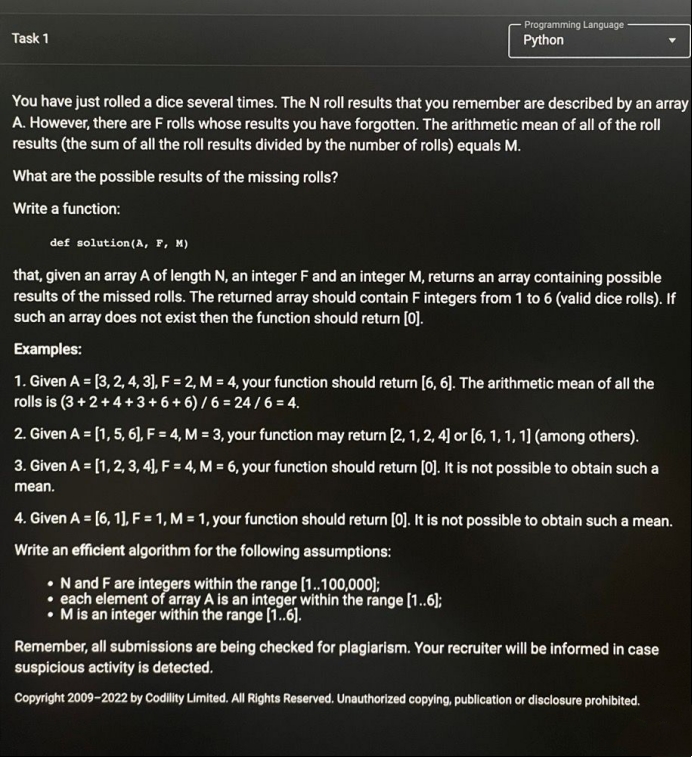
From what I’ve seen (and experienced),
the problem is often very close to a real LeetCode question.
👉 My takeaway: just focus on clean implementation and correctness, no need to overthink.
Stage 2. HR Call
Next was a 30-min chat with the recruiter.
I walked through my background
We talked about role leveling (SWE I / II / Senior)
Confirmed tech stack alignment
Nothing tricky here — just a straightforward conversation.
Stage 3. Hiring Manager Round
This round was about 45~60 minutes with the hiring manager.
How it went for me:
First 10~15 mins:
He introduced the team, what they’re working on, and current challenges
Then:
I asked a couple of questions
Main part:
I walked through my past projects
What I realized quickly
They cared a lot more about why I did things, not just what I built.
I got questions like:
What problem were you solving?
Why did the business care?
What changed after your solution?
Do you have any metrics?
👉 What worked for me was framing everything as:
problem → decision → impact (with numbers if possible)
Stage 4. Pair Coding
This was the most hands-on round — a 60~90 min live coding session.
Very collaborative, not just “solve and done”.
💻 Real Question I Got: Notification Engine
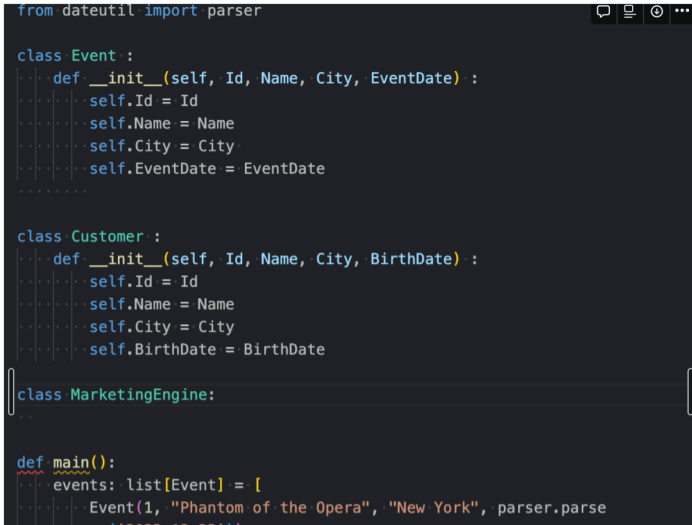
I was given:
An
Event(city, time)A
Customer(city, birthday)
And asked to build a system that selects relevant events.
The tasks were incremental:
1. Same City Events
I first implemented filtering events in the same city as the customer
2. Closest to Birthday
Then I added logic to find events closest to the customer's next birthday
3. Top K Nearest Events
Next step:
Cities had
(x, y)coordinatesI returned top 5 closest events
4. Cheapest Events (Follow-up)
There was an external API for prices
I returned top 5 cheapest events
5. Extensibility (Follow-up)
They asked:
"How would you support combining multiple filters?"
What I did that helped me pass
I started simple, didn't overdesign upfront
As follow-ups came, I refactored:
Introduced a Filter interface (strategy pattern)
When optimizing:
Switched from sorting → heap for Top K
👉 I focused on:
Writing clean code
Explaining my thinking
Adapting quickly
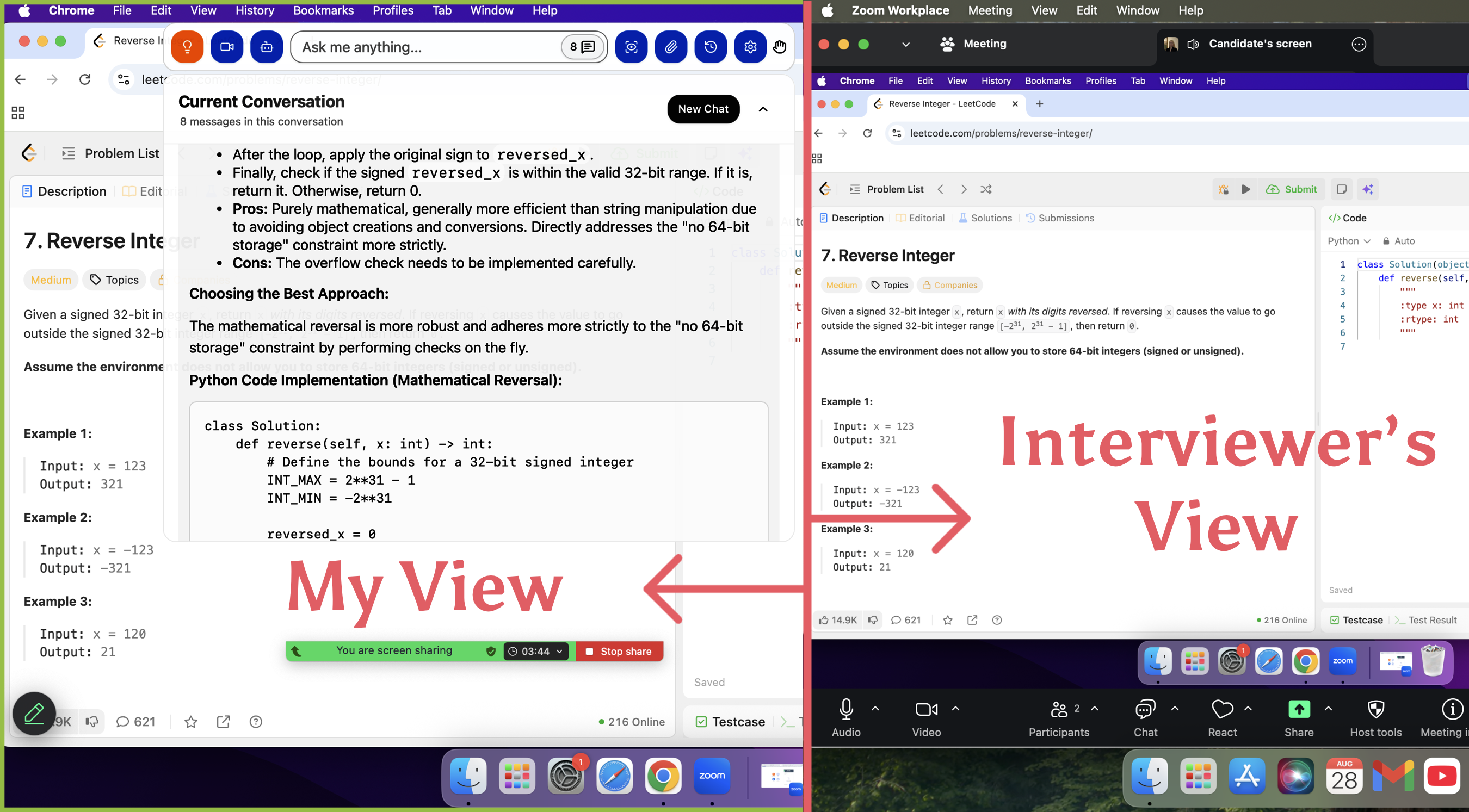
Undetectable AI Interview tool
During my coding interview, I used Linkjob AI, a useful AI tool. It provided very detailed answers to the interviewer's questions, which eventually helped me pass my interview.
Stage 5. System Design
The next round was a system design, and it actually built on the same theme.
🏗️ Design Problem I Got
Design a system to send event recommendation notifications (emails) to users.
What I covered
High-level architecture (API + services)
Event filtering pipeline
Batch vs real-time processing
Retry mechanisms and failure handling
Monitoring / alerting
Database choices
What they pushed on
How I handle failures and retries
How the system scales
What happens if dependencies go down
Stage 6. Behavioral Questions
Final round was with a Director, and it felt more like a deep, sometimes intense conversation.
What happened in my case
1. Project Walkthrough
I was asked to walk through one of my projects — not super formal, but I had to stay structured.
2. Deep Dive (with interruptions)
I got interrupted quite a bit
They kept asking "why"
Pushed on alternatives and edge cases
3. Business-Oriented Questions
I got questions like:
Why did you choose this solution?
What business value does it bring?
How would you scale or monetize it?
4. Open-ended Question
Something like:
"Give me a new idea and explain how you’d make it successful."
StubHub SWE Phone Screen Interview Strategies
Technical Fundamentals
The hiring manager round didn't feel like a typical technical screen. Instead of testing specific knowledge areas, it focused heavily on my past experience.
The interviewer first introduced the team, their current projects, and roadmap, which actually gave useful context for the rest of the conversation.
After that, we went straight into a deep dive of my projects, including what I built, what problems I solved, and what kind of bottlenecks I was addressing.
Communication Tips
One thing I noticed during this round is that the interviewer could get impatient if the conversation wasn’t focused. I initially asked some general questions, but quickly realized it wasn't very effective.
So I adjusted and let the interviewer lead more, which made the conversation smoother.
During the project deep dive, I was interrupted multiple times for clarification, which made it clear that answers need to be concise and structured.
StubHub SWE Technical Assessment Interview Preparation
While preparing for the interview, since there're was limited information available from other StubHub SWE candidates, I also referred to interview experiences from other companies, such as Anthropic SWE interview experience and questions.
Coding Challenge Approach
The coding round was very consistent with what others have reported. Instead of a typical LeetCode-style question, it felt more like building a small system.
I was given an Event class and a Customer class, and asked to implement a notification function that determines which events should be sent to the user.
From there, the interviewer gradually added more requirements, making the problem more complex step by step.
At first, I needed to filter events based on the same city as the customer. Then the question expanded to finding the event closest to the customer’s birthday, which required handling time-related logic carefully.
Later on, I was asked to return the top K nearest events and think about optimization. There was also a variation where I needed to call an external API to get ticket prices and return the cheapest events.
Toward the end, the discussion shifted to how to combine different filtering strategies in a clean and extensible way. The focus was clearly on code structure and clarity rather than algorithm tricks.
System Design Focus
The system design round focused on a notification or email recommendation system, which felt very aligned with StubHub’s business.
The goal was to design a system that filters events and sends relevant notifications to users in a scalable way.
We discussed typical aspects like throughput, retry mechanisms, failure handling, and alerting.
There was also some discussion around fallback strategies, such as what to do when personalized recommendations are not available.
The interview itself felt somewhat guided, with the interviewer occasionally giving hints, but I still needed to drive most of the design and explain my reasoning clearly.
Resources and Guides for Interview Prep
I used several resources to prepare for each stage of the stubhub software engineer interview. I focused on coding problems, system design, and communication skills. Here’s a table that summarizes what I found most helpful:
Stage of Interview Process | Key Focus Areas |
|---|---|
Technical Assessment | Coding problems, data structures, algorithms, programming languages |
Technical Interviews | System design, object-oriented programming, real-world scenarios |
Behavioral Interview | Past experiences, teamwork, soft skills |
Final Interview | Career goals, alignment with company mission, project presentation |
Preparation Tips | Company culture, technical challenges, problem-solving skills, communication, follow-up, hybrid work experience, insightful questions |
I reviewed algorithms and data structures. I practiced system design principles. I made sure I could talk about my experience with the programming languages and frameworks listed in the job description. I used the STAR method to organize my answers. I prepared to discuss how I fit within the team and company culture. I emphasized collaboration and diversity of thought.
If you want to succeed, practice clear communication of technical concepts and past projects. Use real interview questions and community insights to guide your prep.
I found that using a mix of coding platforms, system design guides, and interview forums helped me feel ready. I stayed consistent and focused on the skills that mattered most.
StubHub SWE Behavioral and Leadership Interviews
STAR Method
Behavioral questions were relatively straightforward and not very frequent. Most of them were about past experiences, such as handling conflicts or making decisions. Here's how I broke down my answers:
Situation: I set the scene and gave context.
Task: I explained what I needed to do.
Action: I described the steps I took.
Result: I shared what happened in the end.
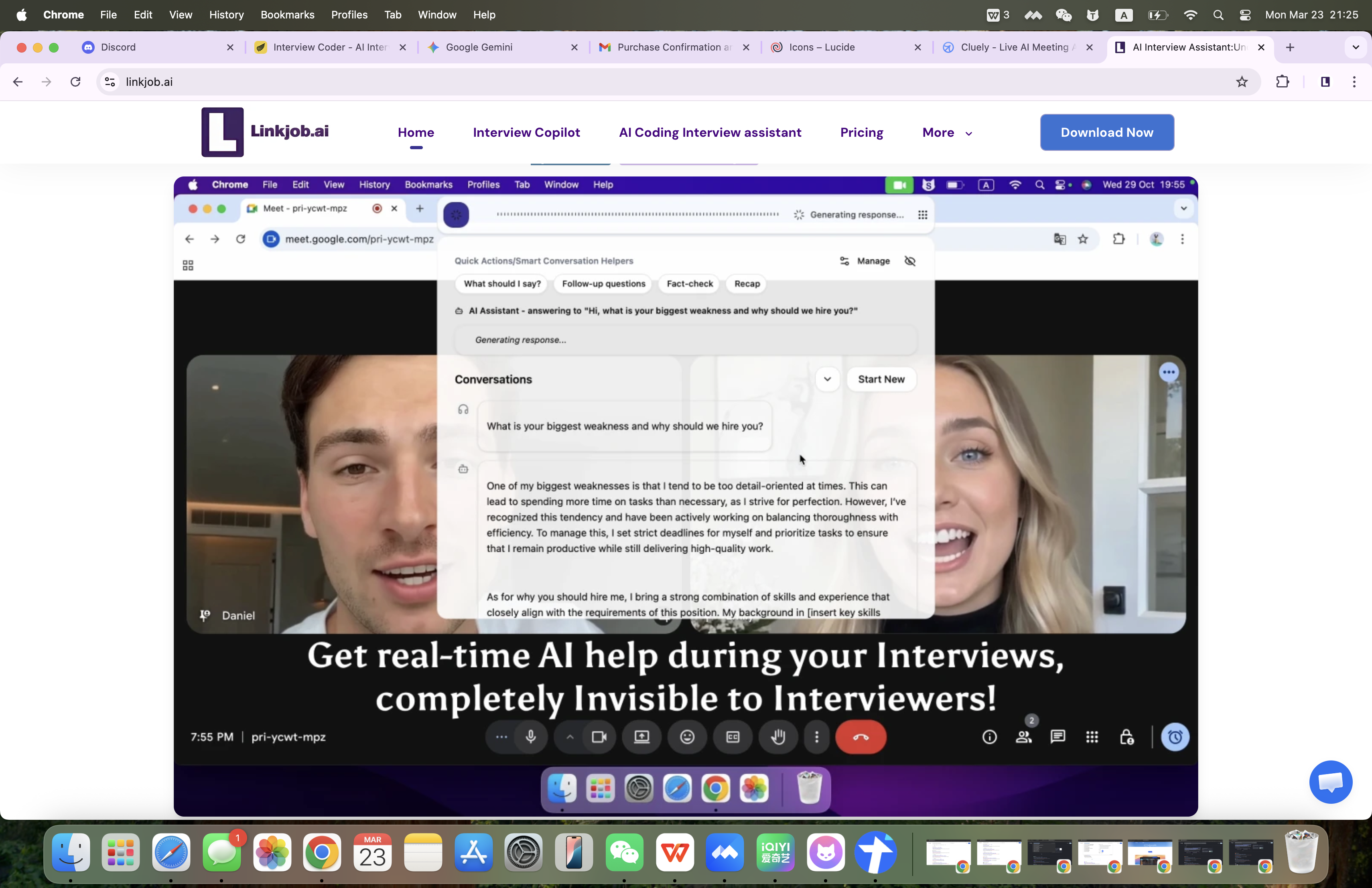
Actullay I didn't strictly follow the STAR format, but I tried to keep my answers structured and focused on what I personally contributed. Linkjob AI also helped me refine my answers, as long as the story was clear and easy to follow:
Leadership Qualities
The director round felt quite different from the earlier ones. I was asked to walk through a project without much preparation, and the interviewer interrupted frequently.
Many questions focused on alternative solutions, such as why I didn't consider a different approach or whether I had thought about things like caching.
In some cases, these suggestions didn't fully match the system context, but the interviewer still pushed on them, which made the conversation a bit challenging.
There were also questions about business decisions and even requests to propose new ideas and explain how they could generate revenue.
Overall, this round felt more like testing how I think under pressure and how well I can justify decisions, rather than purely evaluating technical knowledge.
Preparing for StubHub SWE Interview
Company Research
Before the interview, it helped to have a basic understanding of StubHub as a ticket marketplace.
Knowing the kinds of problems they deal with, such as scalability and data migration, made it easier to give more relevant answers.
In fact, one interviewer mentioned that data migration was a current challenge, which gave some useful context during the discussion.
Tailored Answers
One thing I realized is that answers need to be tied to business impact as early as possible. If we only talk about architecture or technical improvements, the answer can feel incomplete. It's much better to clearly explain what problem was solved and what changed as a result.
Lessons and Tips from StubHub SWE Interview
What Worked for Me
What worked best for me was consistently framing my answers around business impact. Instead of just describing what I built, I focused on why it mattered and what kind of results it achieved.
Keeping coding solutions simple and readable also helped, since the interviews were not about complex algorithms but about clarity and correctness.
Another important factor was staying flexible during conversations and adjusting my communication style based on the interviewer's reactions.
Pitfalls to Avoid
One mistake I almost made was focusing too much on technical details without explaining their relevance. At StubHub, that can make your answer feel incomplete even if the solution is correct.
Another pitfall is overcomplicating the coding solution too early. If the design becomes hard to follow, it can hurt your performance instead of helping.
It's also important not to start from low-level details — interviewers generally prefer a top-down explanation starting from the problem.
FAQ
How did I find real StubHub SWE interview questions?
I searched Reddit, Blind, Glassdoor, and used LeetCode for coding practice. I collected the questions I saw often, read system design guides online and did practice every day.
What should I do if I get stuck during the StubHub SWE coding interview?
When I got stuck during, I focused on clarifying the requirements and simplifying the problem.
Thanks to Linkjob AI for offering me hints, I could talk through my thought process clearly.
How did I manage StubHub SWE interview nerves?
Some rounds in StubHub SWE interview were actually a bit uncomfortable due to frequent interruptions, but I tried to stay calm and keep explaining my thought process.
Treating the interview as a discussion rather than a test helped me stay more relaxed.
See Also
My Journey Through The Palantir New Grad SWE Interview
How I Aced the Goldman Sachs Software Engineer Online Assessment in 2026