How I Passed the 2026 Prevue Assessment with AI Tools


When I first came across Prevue while I was being hired, I thought it would be just like all the other online assessments I had looked into before.
I was expecting there to be some timed tests to measure how well I can do things, maybe a personality test, and then the usual chat about whether the platform could detect me switching tabs or opening other applications.
But then when I started looking into how to cheat on Prevue, I realised that my first idea wasn't actually what Prevue focuses on.
Prevue doesn't publicly claim to be a strictly proctored platform. I couldn't find any proof that standard Prevue checks automatically require webcam recording, screen sharing, browser locking, process scanning, or desktop monitoring, like tools like ProctorU do. Put simply, Prevue doesn't really have the tight anti-cheating features you find in apps like HackerRank.
But based on my research and using AI tools like Linkjob AI, a floating-window, stealthy AI interview assistant, I found that Prevue has built most of its integrity safeguards straight into the assessment system. This has got me thinking some more and given me some ideas for how I can improve my workflow when using Linkjob AI.
How to Cheat on Prevue Starts With Understanding What the Assessment Measures
There is no single Prevue question type.
The standard assessment framework can combine three broad areas:
Abilities
Motivations
Personality
The abilities portion itself is divided into Working with Words, Working with Numbers, and Working with Shapes, covering verbal, numerical, and spatial reasoning. Motivations looks at the kinds of work and environments a person is naturally drawn to, while Personality measures behavioral tendencies and workplace style using a Big Five-based framework.
The Assessment Is Really Several Different Problems
What caught me off guard was how differently I needed to think about each part.
Section | What It Measures | Candidate Experience |
|---|---|---|
Working with Words | Verbal reasoning | Timed |
Working with Numbers | Numerical reasoning | Timed |
Working with Shapes | Spatial reasoning | Timed |
Motivations | Work preferences | Not strictly timed |
Personality | Behavioral tendencies | Not strictly timed |
Prevue's test-taker guide makes this pretty clear: there's a time limit for the General Ability section, but none for the Interests and Personality sections.
So, I reckon that people like me who are trying to find ways to pass the Prevue exam should not see it as just one type of test.
The thing is, the Numerical section is all about speed.
The problem with the "Personality" section is that it's open to interpretation.
The problem with the 'Motivation' bit is that there might not be one answer that works for everyone.
The Timed Abilities Section Rewards Pace
The official website says that Prevue recommends that test-takers answer as many competency-based questions as possible, starting with the easier ones, making educated guesses when unsure, and then moving on to the next question, since there's no penalty for getting it wrong.
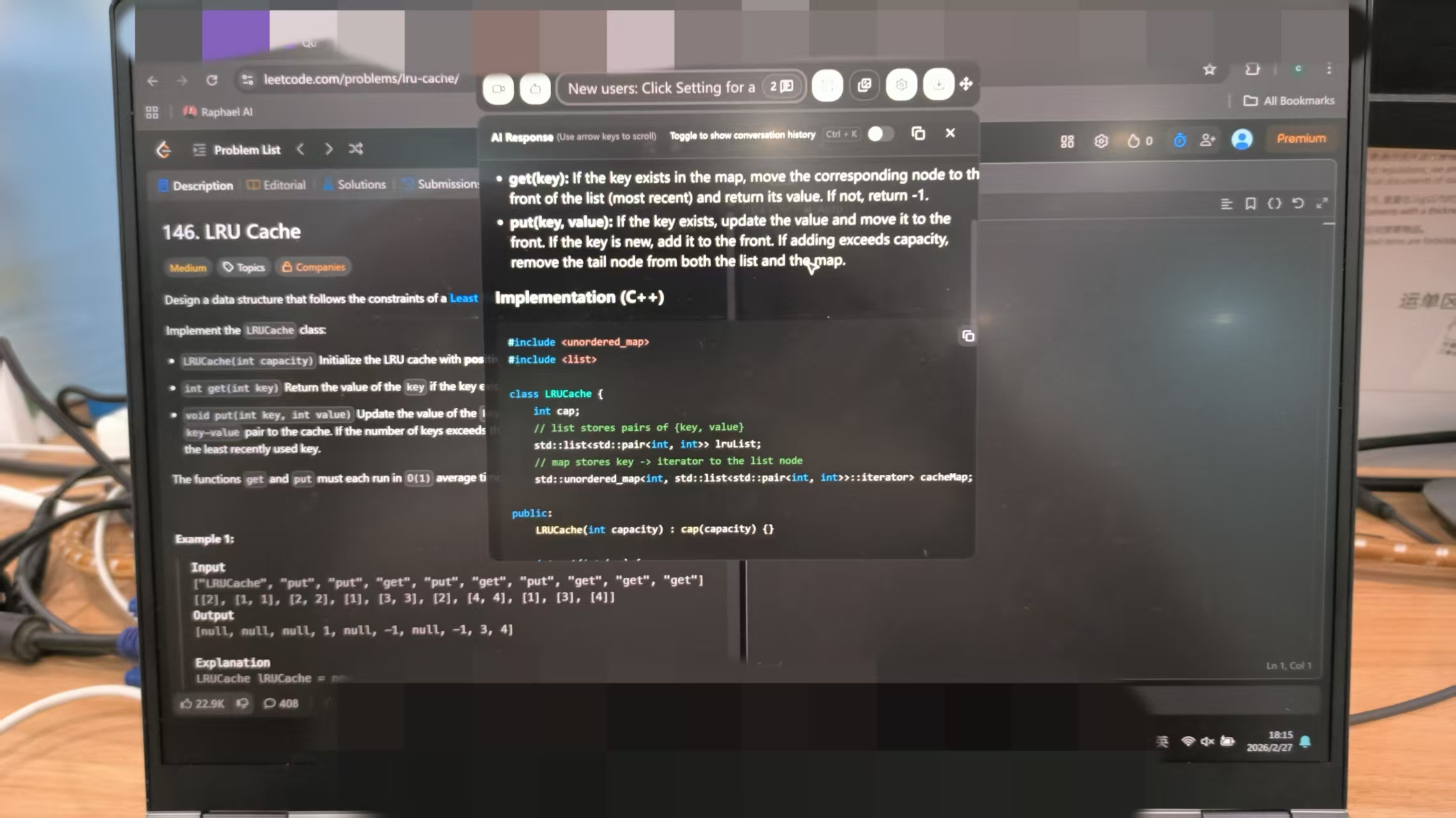
I did the same thing during the assessment. Whenever I had a question and couldn't find an answer quickly, I'd first use a global hotkey to activate my chosen LLM using Linkjob AI. While it was thinking and generating an answer, I'd quickly move on to the next question. This meant I could spend less time getting bogged down on a single tricky shape sequence and more time on other things.
But some questions were still really tricky, so I was really grateful to be able to get some help from outside — even if it meant preparing in advance, like making a custom prompt. I'll save those details for later, though.
Personality Is a Completely Different Problem
The Personality section isn't asking you to calculate the right number.
Prevue says there are no simple right or wrong answers; the goal is to understand natural behavioural tendencies and compare them with what a role requires.
That's where things get tricky and you can't just rely on a normal aptitude-test cheat sheet.
Prevue vs. TestGorilla vs. Predictive Index
It might still be a bit tricky to get your head around with just this explanation, so I've also put together a summary of the official comparison page:
Platform | Main Emphasis |
|---|---|
Prevue | Aptitude + personality + motivations + custom job benchmarks |
TestGorilla | Broad skills and test library |
Predictive Index | Behavioral/cognitive assessment plus broader talent optimization |
Basically, Prevue's assessment zeroes in on what we usually call the "behavioral wheel". It doesn't usually cover areas that are heavily impacted by AI, like coding, so it doesn't enforce as strict anti-cheating measures as CoderPad or TestGorilla. In fact, for many questions, there's no need to use Linkjob AI at all.
How to Cheat on Prevue: The Anti-Cheating Measures I Could Actually Verify
I found a lot of generic claims online about assessment platforms recording every action candidates take.
For Prevue, the official list is more specific.
1. Copy and Paste Are Disabled
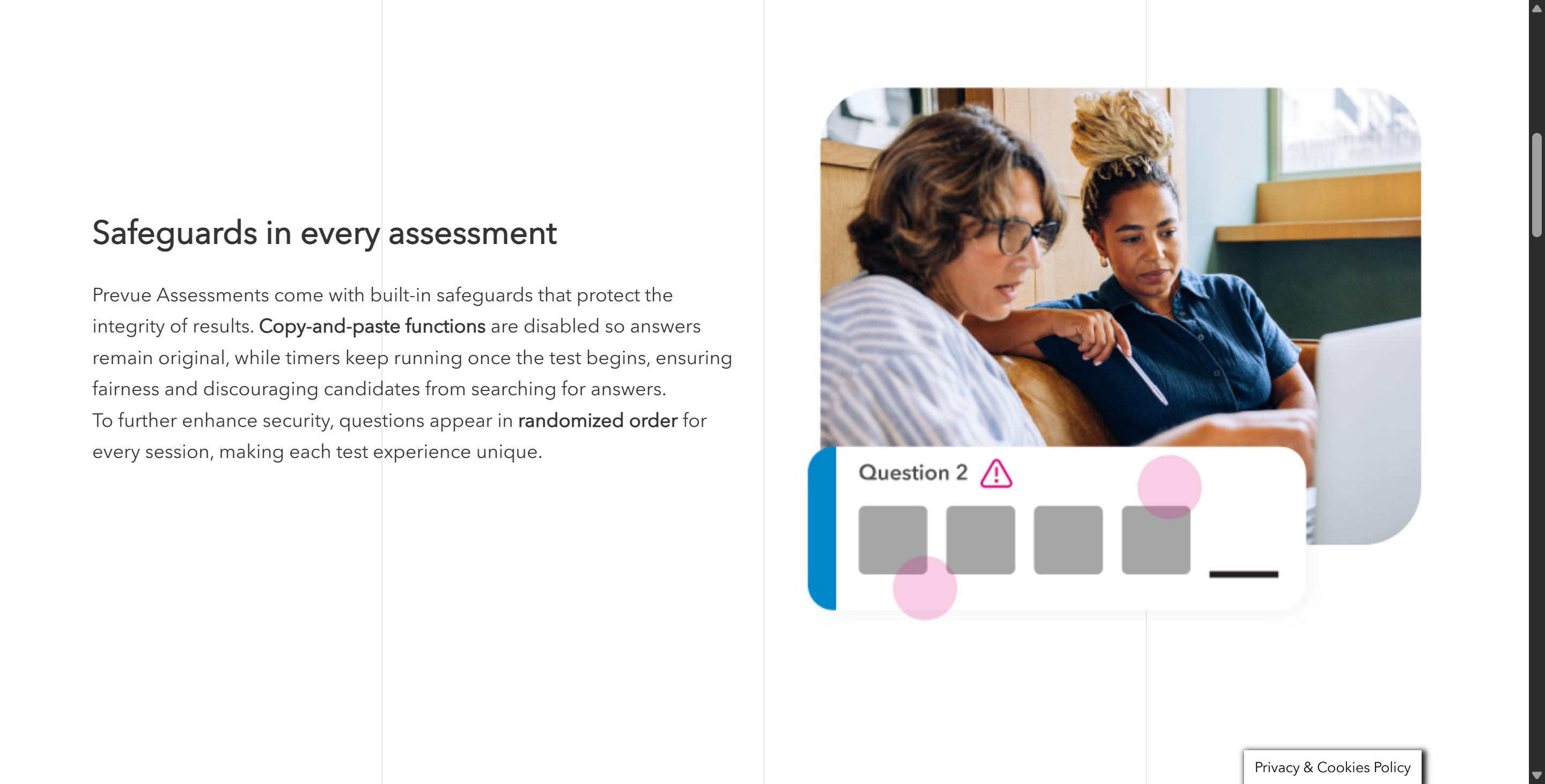
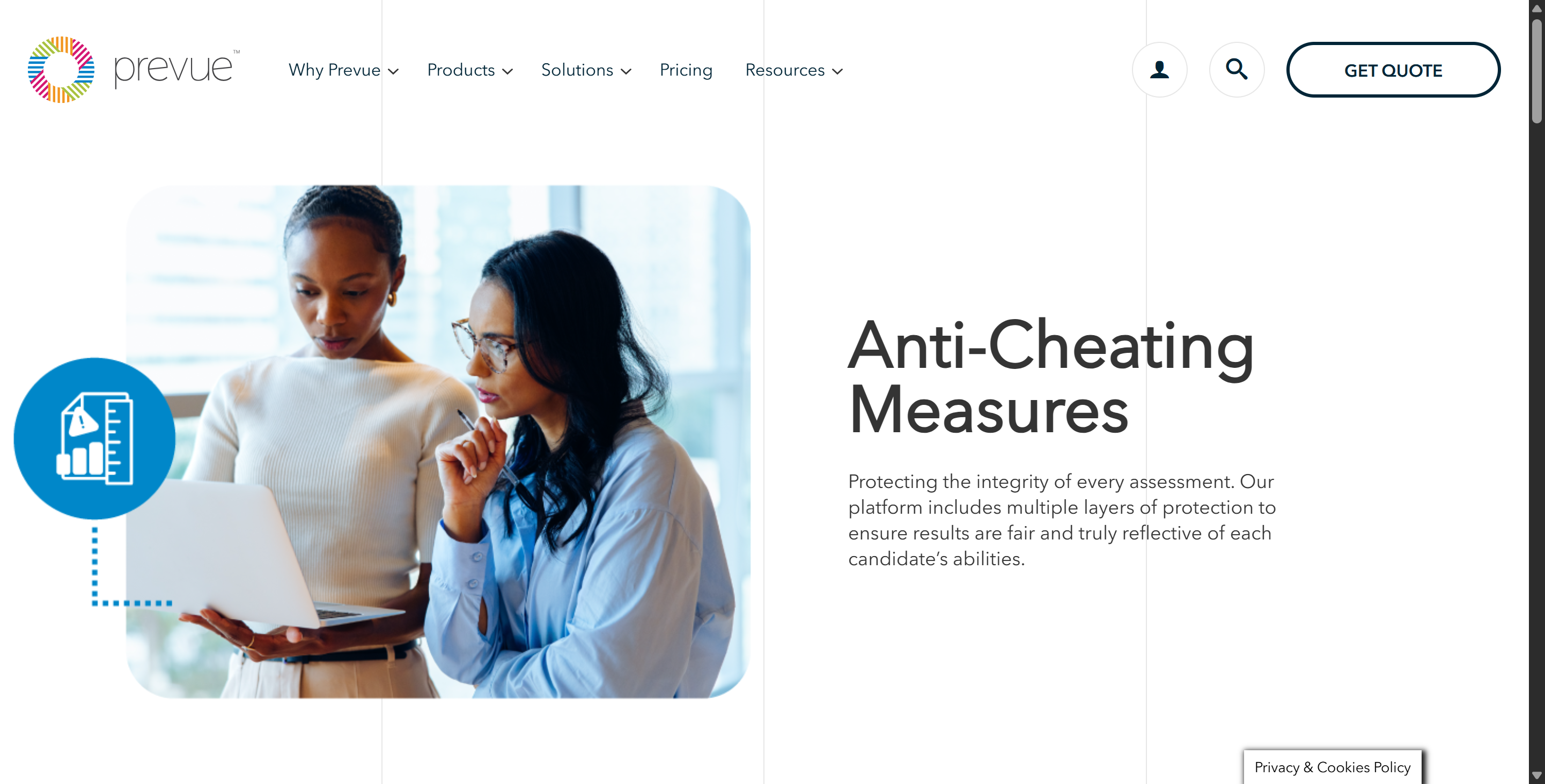
Prevue's current Anti-Cheating page explicitly says its assessments disable copy-and-paste functionality.
That creates an obvious obstacle to the classic workflow:
copy question → external AI/search tool → copy answer back.
I would not stretch that into saying Prevue monitors the entire operating system clipboard.
The evidence only supports an assessment-level restriction.
2. The Timer Keeps Running
The same page says timers continue once the test begins specifically to preserve fairness and discourage candidates from stopping to search for answers.
This is a surprisingly important part of how to cheat on Prevue.
For Words, Numbers, and Shapes, external assistance has a cost even before any sophisticated detection enters the picture.
Every extra minute spent searching is a minute not spent answering.
3. Question Order Is Randomized
Prevue also says question order is randomized for each assessment session.
There is a subtle but important distinction here.
I found evidence for:
randomized question order
I did not find evidence that every candidate receives a completely different dynamically generated question set like Predictive Index's LOFT system.
So the safe conclusion is that sharing a fixed “Question 1 = B, Question 2 = D…” sequence becomes less useful.
4. Prevue Analyzes Unusual Response Patterns
This is the most convincing techy claim.
Prevue says that its special algorithm looks at how people respond and looks for anything unusual that might mean someone's cheating.
But based on the info I've got, it's not clear if this is about:
mouse tracking analysis;
keystroke timing analysis;
tab switching monitoring;
eye-tracking;
IP anomaly detection;
and other anti-cheating measures. But, since pretty much all platforms nowadays claim their anti-cheating measures as a major selling point, it's best not to assume these features are included unless they're listed explicitly.
How to Cheat on Prevue Gets Harder Once the Job Benchmark Is Hidden
This is where Prevue becomes more interesting than a normal “correct answer” assessment.
Prevue does not just calculate scores and compare everyone to one universal ideal.
Its hiring system can compare a candidate against a benchmark built for a specific role and organization. Prevue describes these benchmarks as being based on the role, industry, success criteria, job-description surveys, top performers, and benchmark libraries.
There Is No Universal Ideal Personality
Imagine a personality item related to competitiveness.
It is easy to assume:
“Competitive sounds ambitious, so more competitive must be better.”
But that logic breaks down when the target is role-specific.
A sales role may reward one behavioral profile.
A customer-support role may need another.
A highly independent specialist role may value traits that would be less useful in a tightly collaborative environment.
This is one reason generic advice around how to cheat on Prevue can be misleading.
The person answering the questions does not see the employer's complete target profile.
The Benchmark Can Be Built Around the Actual Role
Prevue emphasizes custom benchmarking much more heavily than competitors such as TestGorilla.
Its own comparison material says the goal is to build benchmarks around the organization's roles, industry, and success criteria rather than rely purely on generic norms.
That gives employers a hidden reference point.
From the candidate side, you see:
questions.
From the employer side, the system sees:
your profile vs. the role profile.
Job Suitability Combines Several Dimensions
Prevue's Job Suitability Score combines aptitude, personality, and motivations and compares those results against the benchmark for that role.
Candidate Data | Compared Against |
|---|---|
Aptitude | Role cognitive requirements |
Personality | Role behavioral benchmark |
Motivations | Role/work-environment fit |
Combined profile | Job Suitability |
This is why how to cheat on Prevue is fundamentally different from finding answers to a math test.
You are not only trying to produce correct responses.
You are producing an overall profile.
Practical Strategies to Avoid Detection When Researching How to Cheat on Prevue
Right, now for the most important part: Do you know how to use AI tools to get around the Prevue assessment? If you want to get the most out of your performance and figure out how to ace the Prevue exam, you've got to keep control of the testing environment and your own behaviour. Make the tool work for you, don't let it boss you around.
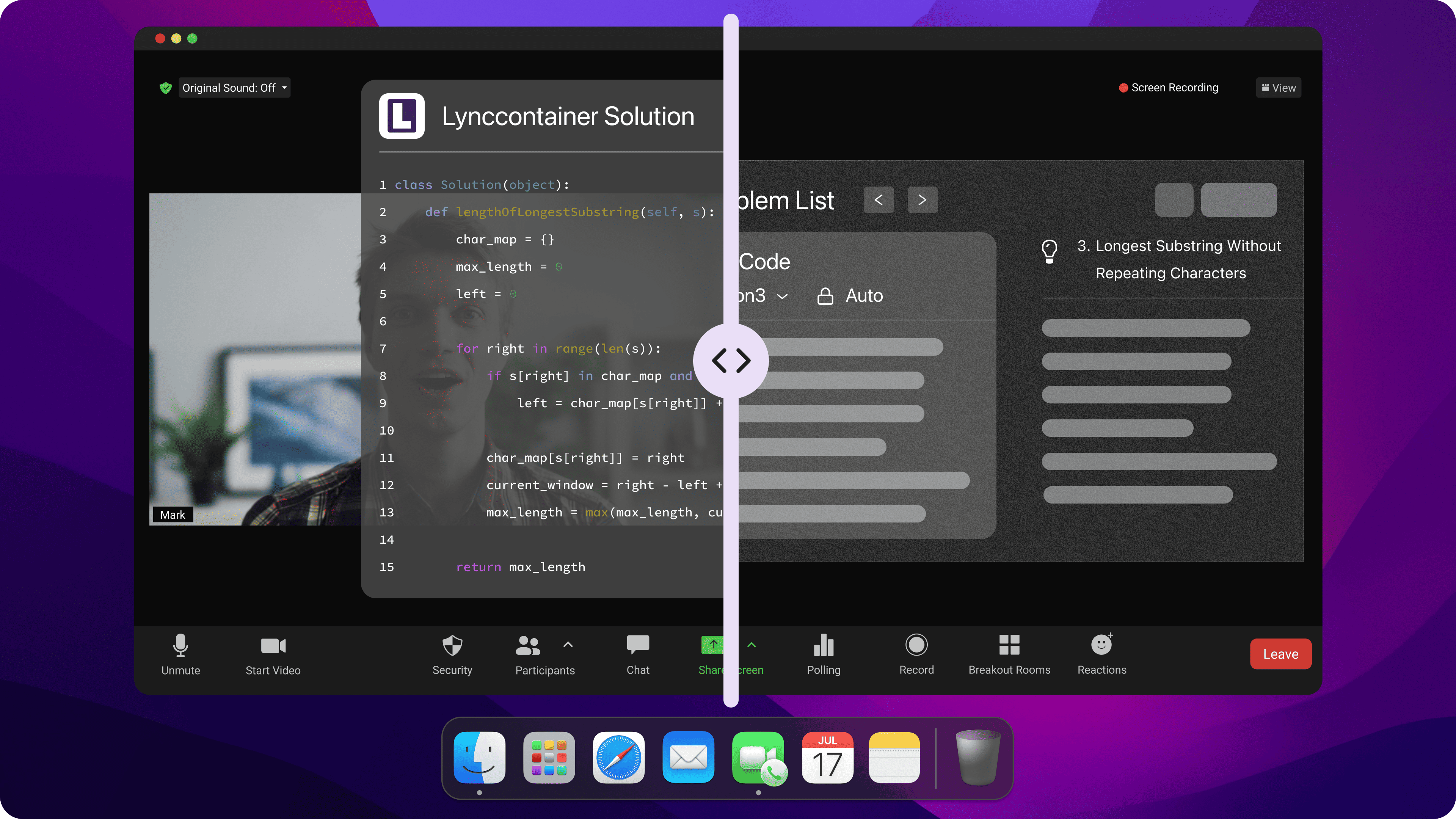
Workspace Preparation and OS-Level Hotkey Execution
OS-Level Screen Capture Usage: Because Prevue disables in-page clipboard actions, candidates utilizing visual AI overlays must rely on system-level hotkeys (
Cmd + Shift + SorCtrl + Shift + S) to capture screen regions directly from the OS graphics buffer.Transparent HUD Overlay Alignment: Position transparent assistance windows directly beneath your webcam lens or centered over the question area to maintain a natural line of sight.
Single Display Environment: Disconnect secondary displays, external tablets, and screen splitters before starting the assessment to avoid cursor tracking anomalies or display layout glitches.
Clean Workspace Setup: Ensure all unnecessary background applications and third-party browser extensions are disabled to prevent unexpected browser pop-ups or timing latency during timed reasoning sections.
Pre-Assessment System Check: Verify that JavaScript is enabled and pop-up blockers are turned off, as recommended by Prevue’s official candidate technical requirements.
Behavioral Pacing and Response Calibration Rules
Character-by-Character Manual Typing: Never attempt to paste text into open-ended fields. Manually type out any generated text or formula structures character-by-character to reflect organic human typing dynamics.
Realistic Cognitive Deliberation: On complex numerical or spatial reasoning items, pause for 10 to 20 seconds before submitting answers. Submitting instant correct responses across consecutive hard reasoning tasks generates unnatural response latency data.
Balanced Personality Reporting: When taking untimed behavioral modules, respond consistently without selecting extreme positive options on every question. Strive for balanced, authentic responses to keep your Social Desirability score within the safe 3–8 sten range.
Adherence to Honesty Agreements: Recognize that clicking "Agree" on Prevue’s pre-test Honesty Statement creates a formal candidate record; ensure your testing behavior mirrors independent completion.
Preparation for Supervised Retests: Maintain a baseline understanding of your test responses, as employers hiring for critical roles may request a proctored in-office retest to verify high remote scores.
System Comparison and Security Matrix: How to Cheat on Prevue Realistically
To clarify how Prevue operates compared to traditional proctoring suites, the following matrices detail Prevue’s multi-tiered integrity layers and compare them against invasive monitoring platforms.
Prevue Anti-Cheating Layers vs Technical Detection Signals
Integrity Layer | Prevue Technical Mechanism | Monitored Detection Signals | Recommended Bypass Workflow |
Interface Friction | Disabled copy-paste functions | Clipboard command attempts within browser DOM | Use OS-level hotkey screen capture ( |
Cognitive Timing | Uninterrupted running timers | Per-question completion speed and time-outs | Rapid visual processing via HUD overlay combined with deliberate human pacing |
Item Sequence | Randomized question presentation | Static answer sequence sharing | Process each item dynamically as it renders on screen |
Response Analytics | Proprietary scoring algorithms | Statistical anomalies in completion speed/accuracy | Maintain realistic pacing and avoid instant consecutive correct answers |
Personality Reliability | Social Desirability Scale | Extremely high impression management scores | Avoid selecting extreme "ideal" options; aim for balanced responses |
Work Ethic Format | MOLE forced-choice triads | Uniform response biases across equal options | Evaluate statement trade-offs naturally rather than gaming options |
Prevue HR vs Surveillance-Based Proctoring Systems (ProctorU, Guardian)
Feature / Control | Prevue HR Assessment Model | Surveillance Proctoring (ProctorU, Guardian) |
Primary Security Strategy | Psychometric test design + timing friction | Kernel-level lockdown + live human/AI video surveillance |
Webcam / Audio Streaming | ❌ Not required or tracked | ✅ Continuous HD video & microphone recording |
Desktop Lockdown Software | ❌ Standard browser execution | ✅ Custom lockdown browser / process scanner required |
Tab-Switch Logging | ❌ Not a primary public feature | ✅ Active focus tracking & desktop screen recording |
Impression Management Checks | ✅ Built-in Social Desirability Scale | ❌ None (focuses purely on physical cheating) |
Verification Method | Supervised in-office retest recommendation | Real-time proctor intervention & video flag audits |
How to Cheat on Prevue Without Creating Suspicious Results
The practical part of how to cheat on Prevue turned out to be far less exotic than I expected.
Most of the useful advice is simply about avoiding unnecessary mistakes.
1. Keep the Timed Section Predictable
If I took the assessment again, I would:
Take Prevue's practice questions first. The candidate site provides shortened practice versions for Words, Numbers, Shapes, Personality, and Motivations.
Use a quiet environment. Prevue specifically recommends an uninterrupted, distraction-free sitting.
Do the assessment in one sitting.
Start with questions that feel easier.
Guess and move on when necessary. Wrong answers do not receive an additional penalty in General Abilities.
Do not depend on copy/paste workflows. Prevue says clipboard functions are disabled.
Keep watching the timer.
None of these is sophisticated.
That is exactly why they matter.
2. Keep Your Personality Profile Consistent and Defensible
For the personality and motivation sections, I would focus on different habits:
Answer according to how you actually work.
Do not automatically maximize every positive-sounding trait.
Remember that the benchmark is role-specific.
Avoid trying to manufacture one perfect personality.
Expect unusual extremes to become interview discussion points.
Be able to explain your working preferences later.
Prevue's reports can generate targeted interview questions based on where candidates fall relative to the role benchmark, so the assessment does not necessarily end when you click Submit.
How to Cheat on Prevue FAQ
Does Prevue Use Webcam Proctoring?
I found no current public evidence that webcam monitoring is a standard Prevue assessment requirement.
Does Prevue Track Tab Switching?
Prevue does not publicly document tab-switch tracking as a standard anti-cheating feature.
Does Prevue Block Copy and Paste?
Yes. Prevue's official Anti-Cheating page says copy-and-paste functionality is disabled.
Does Prevue Randomize Questions?
Yes, question order is randomized for each session; that does not necessarily mean every candidate receives a completely different question bank.
Can AI Know the Best Prevue Personality Answers?
Not reliably. Candidate results can be compared against an organization- and role-specific benchmark that the candidate does not see.
What Does Prevue's Social Desirability Scale Measure?
It measures response style and possible impression management rather than a normal personality trait.
Can Employers Verify a Prevue Result Later?
Yes. Prevue's best-practice materials recommend supervised administration or verification when employers need stronger confidence in assessment validity.
See Also
My Experience Using AI Tools to Ace Glider AI Exam
How to Get AI Invisible Help for TestGorilla: My 2026 Update
How to Get Invisible AI Help for Karat in 2026 Undetectably
How to Get Invisible AI Help for Ropes Interview in 2026 without Getting Caught
How to Get Invisible AI Help for CodeSignal Proctored Tests in 2026: My Tricks
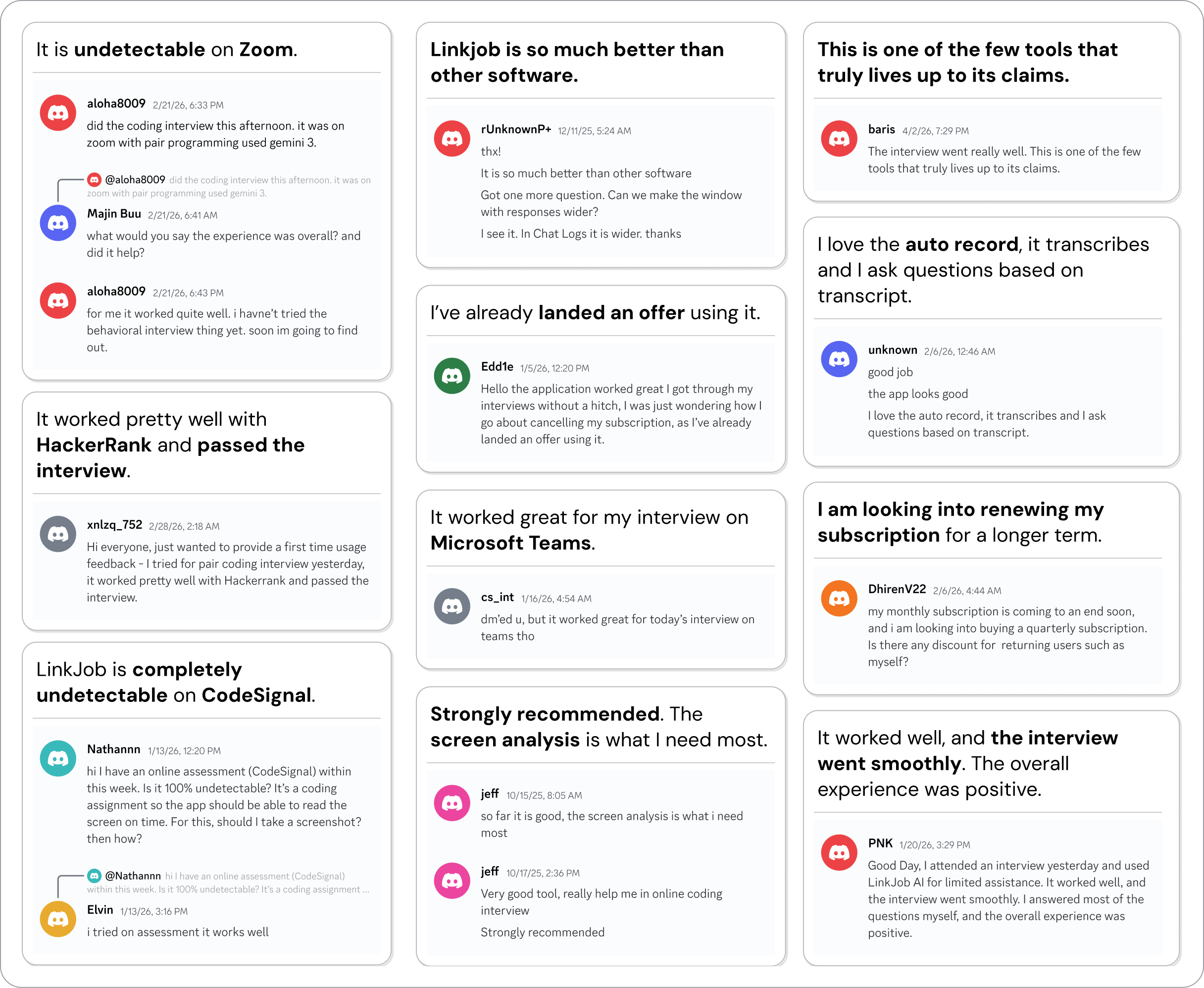
Why People Choose Linkjob AI
Smoother interviews, coding challenges cleared, and job offers landed. See how users describe their experience with Linkjob AI—in their own words.

© Copyright 2026 Linkjob AI - All Rights Reserved.