How I Successfully Navigated Persona HackerRank Online Assessment in 2026

The first round of my Persona 2026 interview was an OA on HackerRank. I had two problems to solve in 60 minutes. I could choose my own language, and while there was no camera, the screen was monitored.
After finishing, I felt that although the problems weren't too hard, the code volume was quite large. If I hadn't cleared up the logic right at the start, time would've definitely been tight. The second problem felt like a more advanced version of the first one.
I’m really grateful to Linkjob.ai for helping me pass my interview, which is why I’m sharing my OA questions and experience here. Having an undetectable AI coding interview assistant indeed provides a significant edge.
Key Takeaways
Set clear goals and practice consistently to build confidence for the assessment.
Understand the test format and time limits to manage your time effectively during the assessment.
Focus on key technical skills like data structures and algorithms to prepare for coding questions.
Stay calm under pressure by maintaining a positive mindset.
If you want to bypass this test, you'd better look up how to cheese a HackerRank OA in advance.
Persona HakcerRank OA Real Questions
The problems for SWE and SDE roles are a bit different. I'll start by sharing the two tasks I encountered for the SWE new grad position, and then I'll cover the SDE questions.
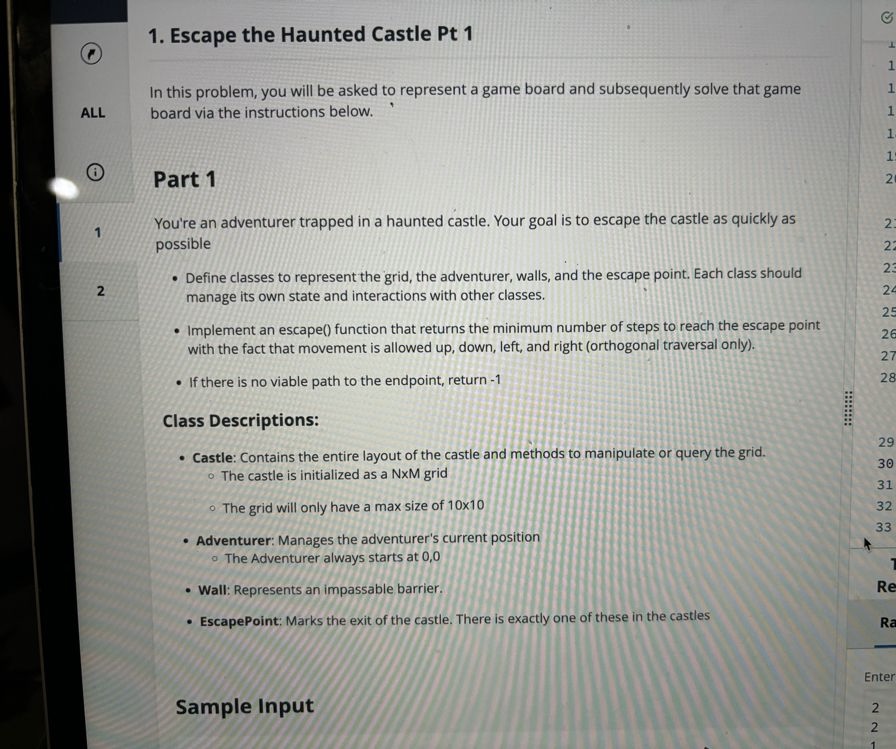
SWE Question 1: Escape the Haunted Castele Pt 1
In this problem, you will be asked to represent a game board and subsequently solve that game board via the instructions below.
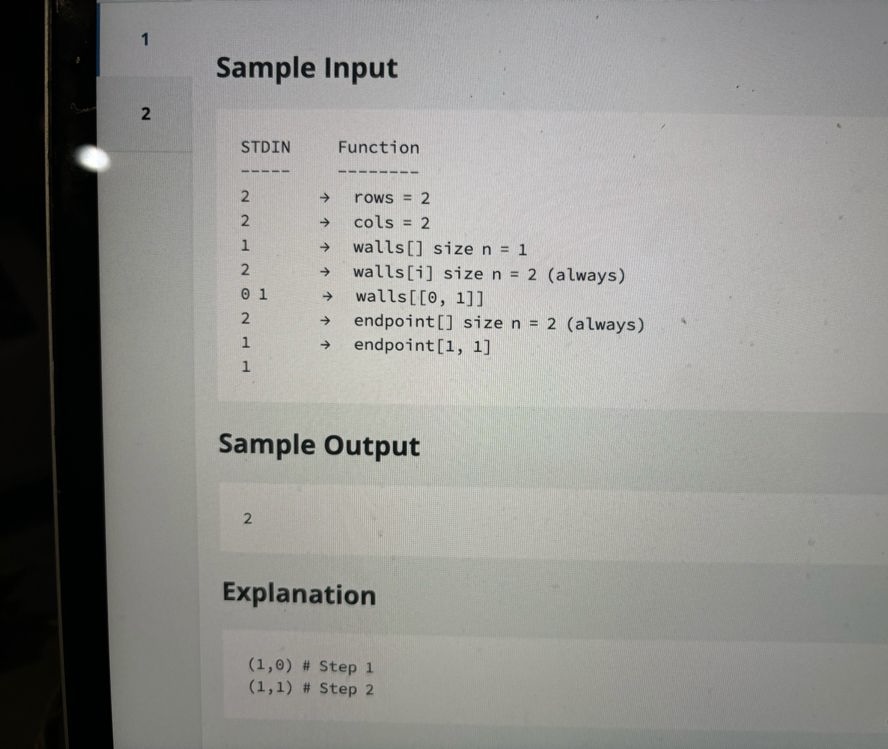
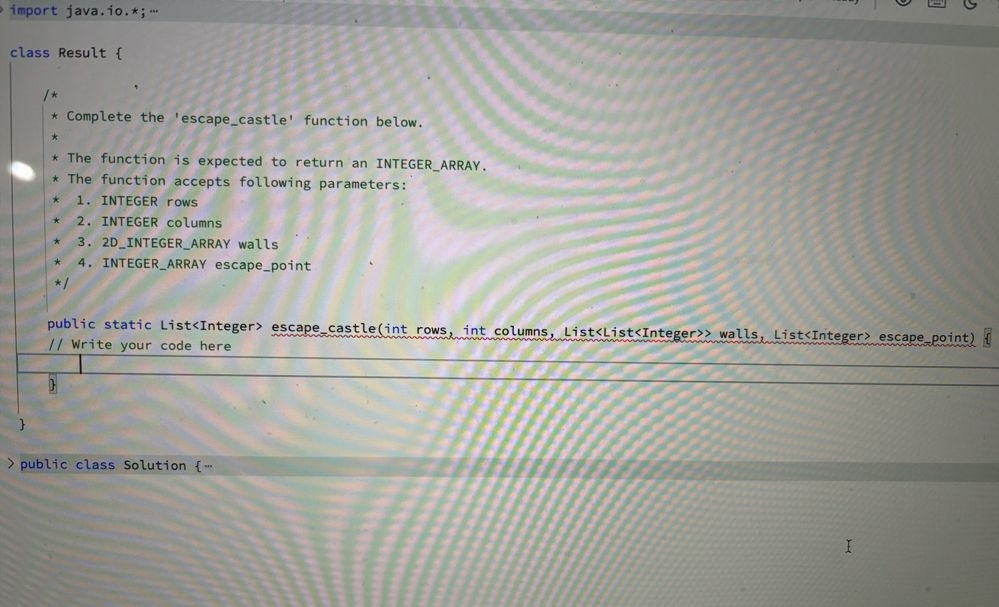
SWE Question 2: Escape the Haunted Castle Pt 2
In Part 2, you will now subsequently solve that game board while optimizing for a high score.
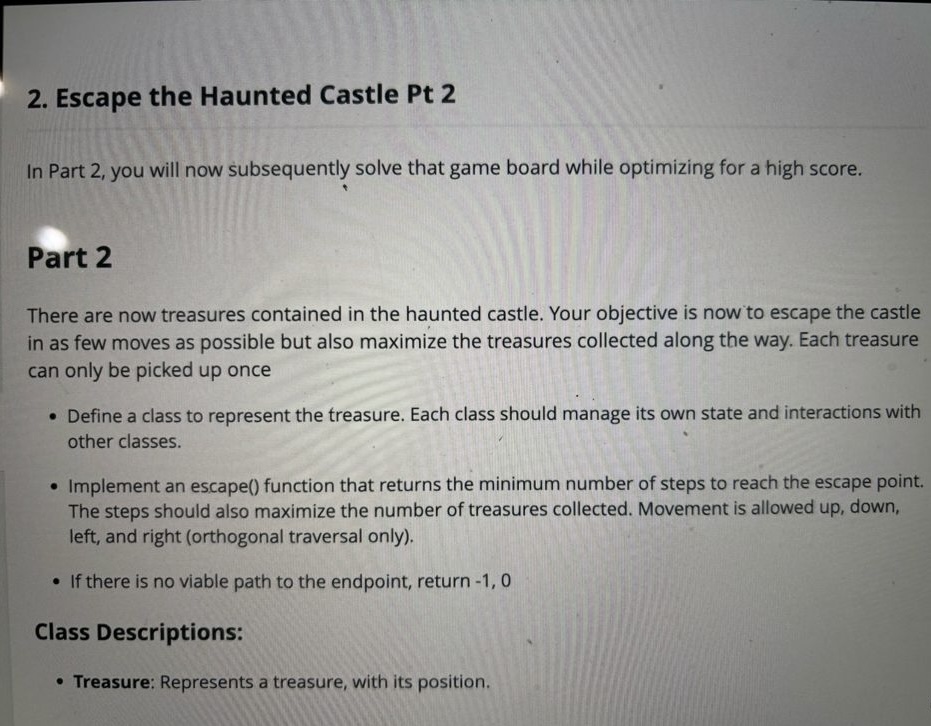
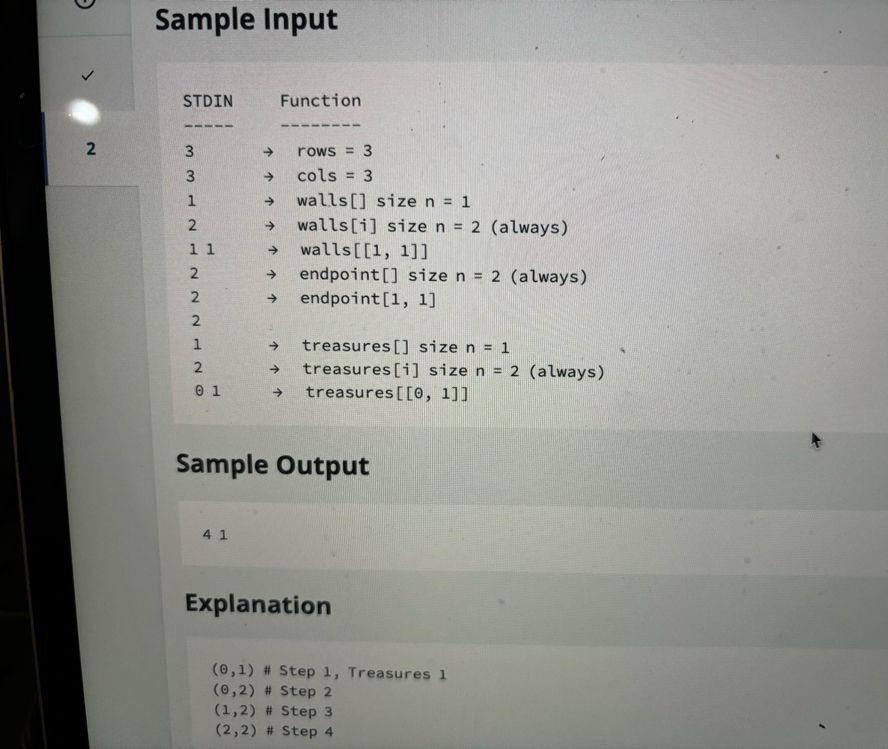
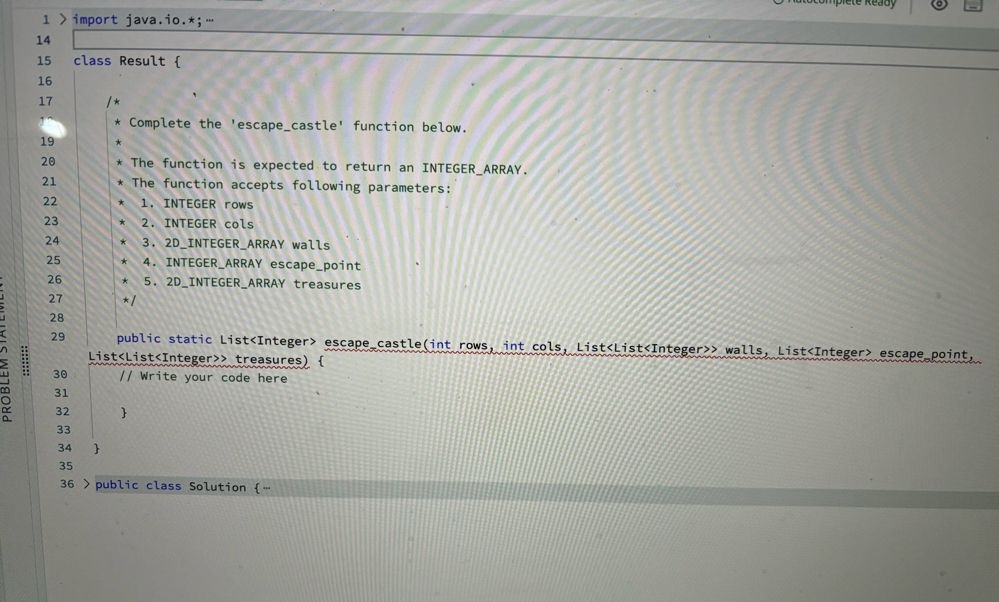
I felt like there was something wrong with this problem when I was doing it. My output looked correct, but the test cases kept failing. The instructions said to modify the class Solution, but then it wouldn't let me make changes. Plus, I didn't understand why the prompt required creating separate classes.
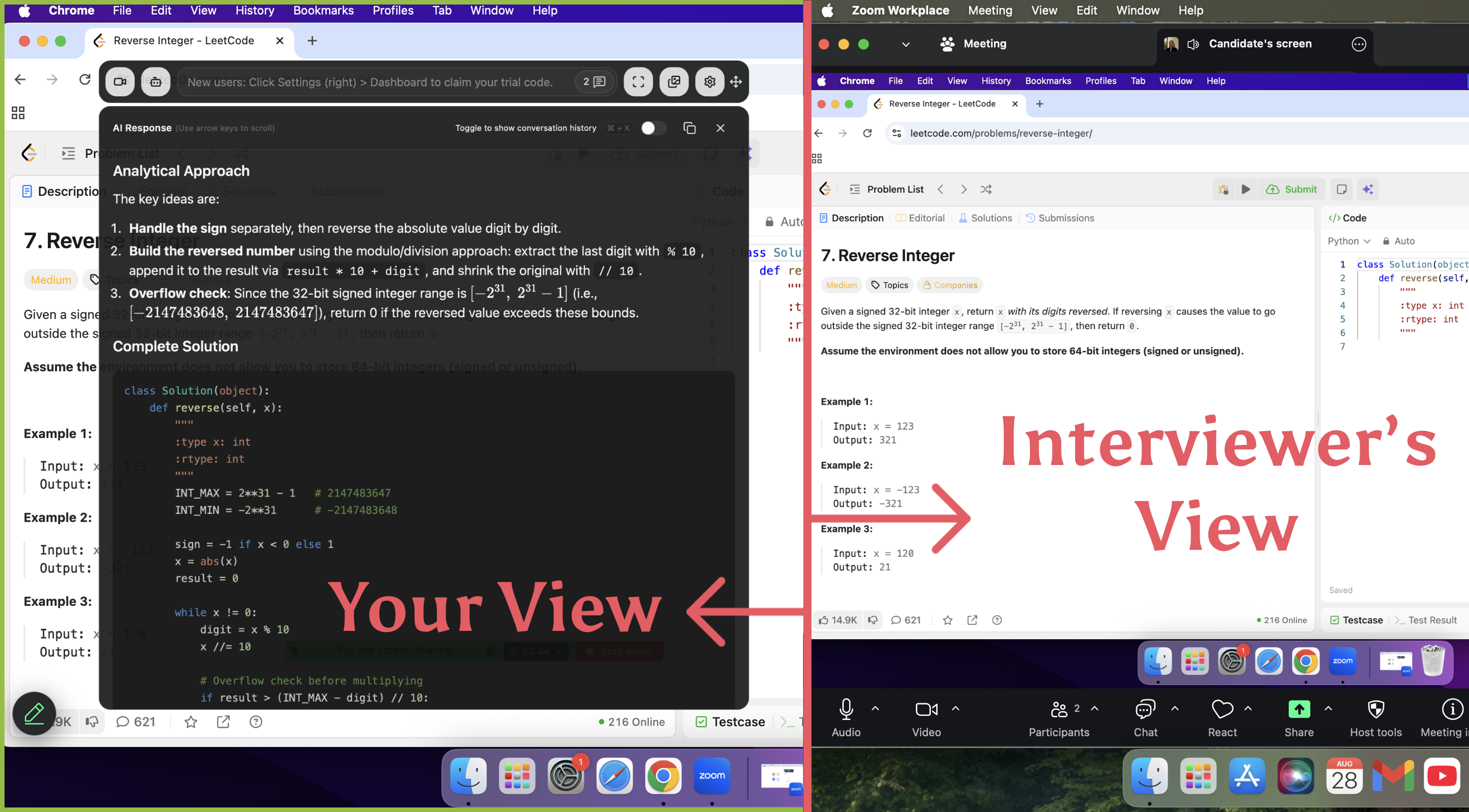
Later, I checked the breakdown from Linkjob AI and finally realized why I was stuck. The real kicker was that both problems expected a string back, not an int. After seeing the AI's solution, I just did a quick str(4) + " " + str(1) for the second one, and boom—it worked. No more weird errors from returning two separate things.
As for the SDE side, it’s a Banking System problem involving 4-level System Design Coding. The person who shared it said it was insanely hard. You only get 1 hour and 30 minutes, and even if your keyboard is literally smoking from typing so fast, you still can’t finish it.
The video below shows the original problem. This one wasn't on HackerRank but on CodeSignal, probably because it was for a different company. I noticed that out of a max score of about 500, he only managed to get a 400.
Here is the text version of the problem description:
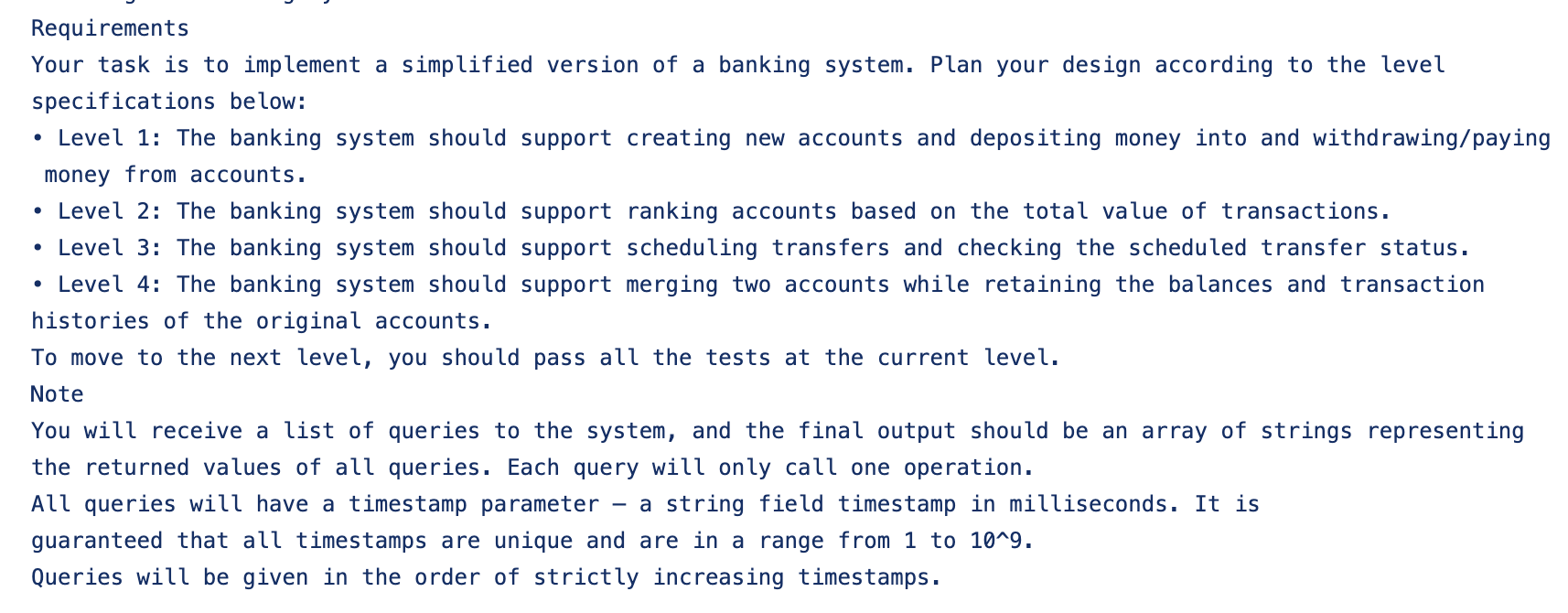
SDE Question Level 1

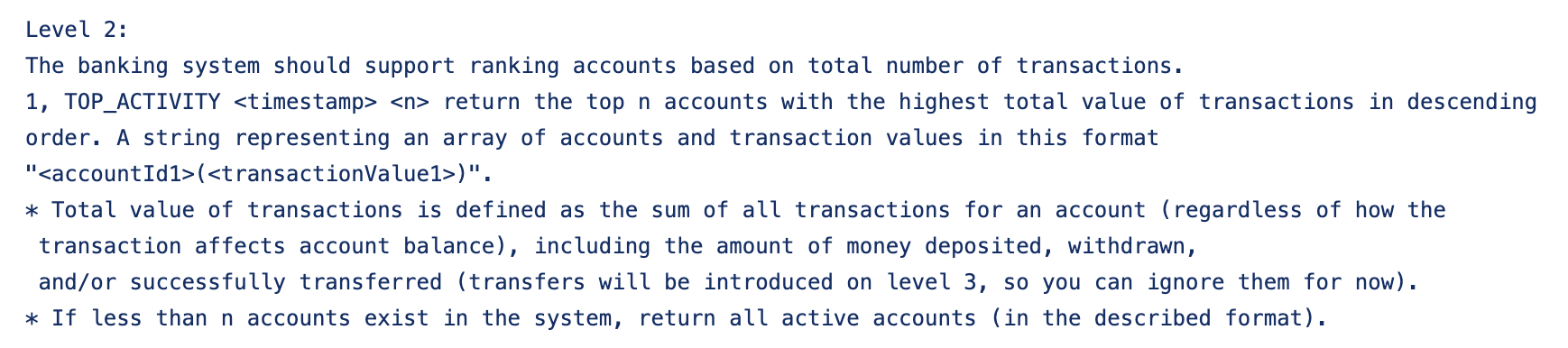
SDE Question Level 2
SDE Question Level 3
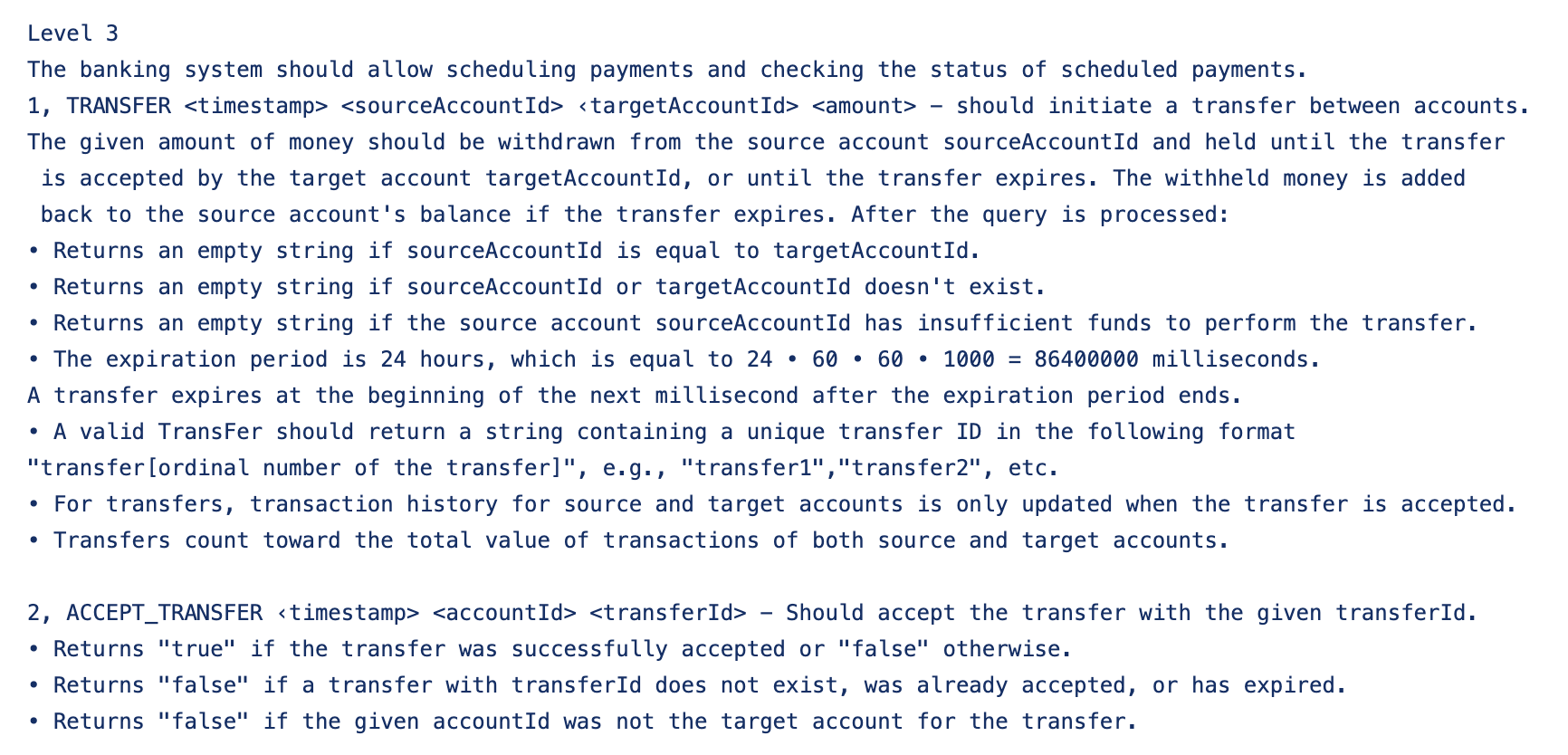
SDE Question Level 4
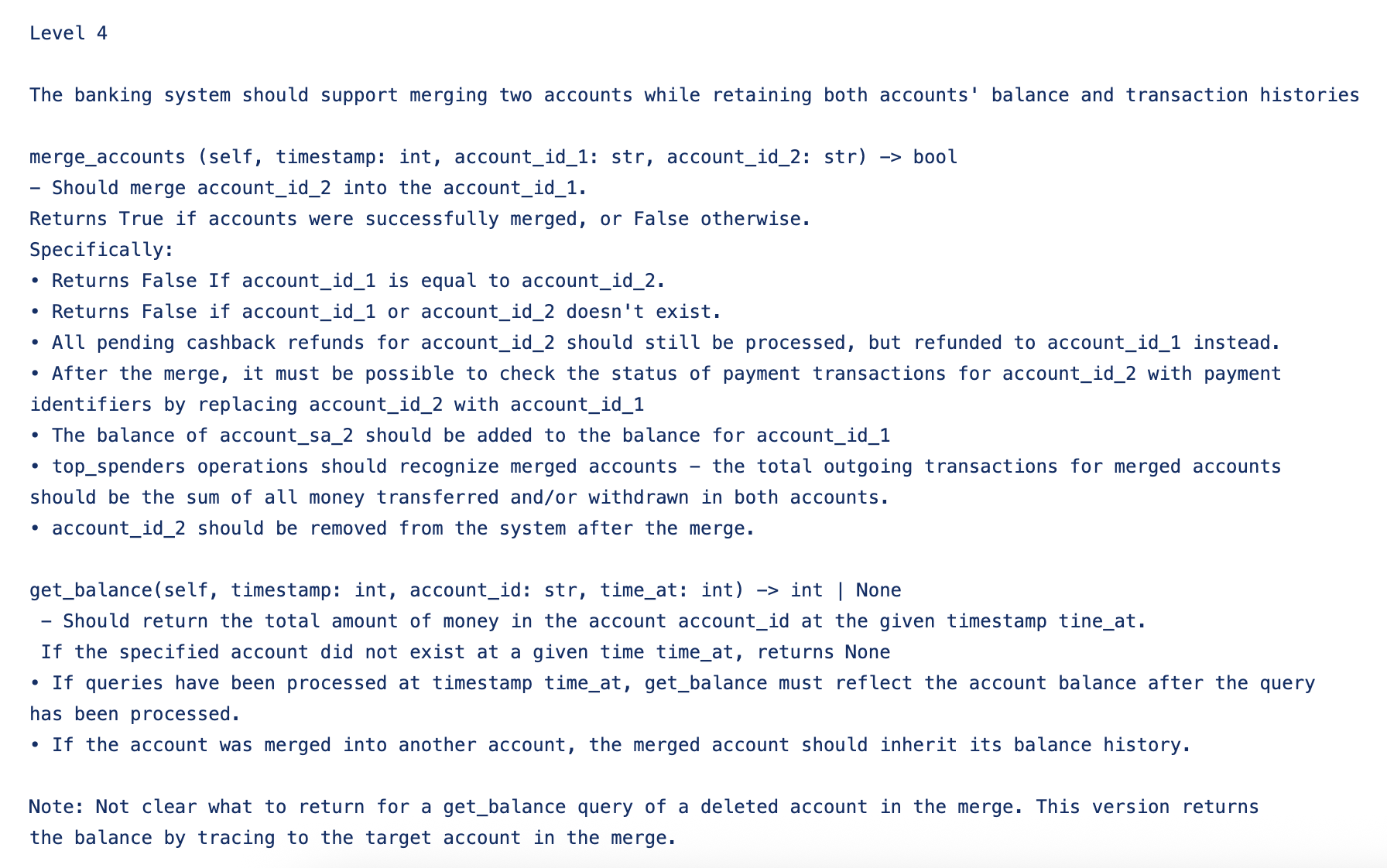
Persona HackerRank Online Assessment: What to Expect
Format and Timing
When I sat for the persona hackerrank online assessment, I wanted to know exactly what I was getting into. The test felt intense, but knowing the structure helped me stay calm. Here’s what I found:
The assessment usually lasts between 60 and 120 minutes, depending on the role.
Most technical assessments give you 2–3 coding questions.
The questions focus on algorithms and data structures, with a difficulty level similar to medium or hard LeetCode problems.
You can use popular programming languages like Python, Java, C++, or JavaScript.
I made sure to practice with these time limits in mind. That way, I didn’t get caught off guard when the clock started ticking.
System Design and Coding Challenge
The persona hackerrank online assessment often mixes different types of challenges. I saw a variety of problems, and each one tested a different skill. Here’s a quick look at the main types:
Type of Challenge | Description | Key Focus Areas |
|---|---|---|
Timed algorithmic challenges | Solve 2-4 problems in 30-90 minutes, focusing on algorithms and data structures. | Arrays, strings, trees, graphs, clean code |
Take-home projects | Build a small app or API over 1-3 days. | Code quality, architecture, real-world skills |
Live coding interviews | Solve problems in real-time while explaining your thought process. | Communication, problem-solving, trade-offs |
Communication and Timeline
After I applied, Persona sent me a clear email with instructions and a link to the assessment. I got a deadline to complete the test, usually within a few days. If I had any questions, I could reply to their email or check their FAQ. I always checked my spam folder, just in case. Once I finished, I received a confirmation message right away. The waiting period for results felt long, but Persona kept me updated about the next steps.
Tip: Set reminders for deadlines and check your email regularly so you don’t miss important updates.
Preparation Strategies for Persona HackerRank OA Success
Study Resources and Practice Platforms
I started my journey by gathering the best resources. I wanted to make sure I used tools that matched the real persona hackerrank online assessment. Here’s what helped me the most:
I took a 30-minute sample test. This gave me a feel for the platform and the types of questions I would see.
The HackerRank Interview Preparation Kit became my go-to. It has curated challenges that cover all the important topics.
I joined the HackerRank community. Solving challenges and climbing the leaderboard kept me motivated.
I always practiced in a quiet space. I used the latest version of Google Chrome to avoid technical hiccups.
Before the interview, I went through some shared experiences from others, like the J.P. Morgan HackerRank test and the Microsoft HackerRank assessment.
Tip: Practicing in the same environment as the real test can boost your confidence and reduce surprises.
Building a Consistent Routine
Consistency made a huge difference for me. I didn’t try to cram everything into one weekend. Instead, I built a daily routine that kept me sharp and ready. Here’s the routine that worked best:
I used a mock interview platform to get targeted practice questions.
I reviewed sample questions to understand what to expect.
I practiced every day. Even 30 minutes a day helped me build speed and confidence.
I timed myself during practice sessions. This helped me manage the clock during the actual persona hackerrank online assessment.
After each session, I reviewed my mistakes. I made notes on what I missed and focused on those areas next time.
Note: Reviewing mistakes is just as important as solving new problems. I learned more from my errors than my successes.
Focusing on Key Technical Skills
I realized early that I needed to focus on the right skills. The persona hackerrank online assessment tests more than just basic coding. I made sure to cover these areas:
Skill Area | Why It Matters | How I Practiced |
|---|---|---|
Data Structures | Most questions involve arrays, strings, or trees | Daily coding challenges |
Algorithms | Efficient solutions save time | Practiced sorting, searching |
System Design | Some roles require architecture knowledge | Built small projects |
Communication | Explaining my thought process is key | Talked through solutions aloud |
I also watched out for common mistakes. I never tried to restart the test or switch browsers without support. I stayed calm and avoided any actions that might look suspicious. Panicking only made things worse.
Remember: Integrity matters. The best way to succeed is to show your real skills and stay honest throughout the process.
By following these strategies, I felt prepared and confident when test day arrived.
Persona HackerRank OA Test-Day Tactics and Mindset
Time Management Tips
Time can slip away fast during the persona hackerrank online assessment. I learned to use a few simple strategies that made a big difference:
I started with the 2–5–20 rule. I spent the first 2 minutes reading instructions, then 5 minutes scanning all questions and planning my approach. The next 20 minutes, I focused on solving the easiest problem first.
I used the First 5 Minutes Strategy. I did not rush into coding. I took time to understand what each question wanted.
In the middle of the test, I checked my progress. If I got stuck, I decided quickly whether to keep going or move on.
For the last 10 minutes, I reviewed my code. I looked for bugs and made sure my solutions ran without errors.
I wrote comments and outlined my steps before writing code. This helped me stay organized and reduced mistakes.
Tip: Watch out for common bugs that happen under stress, like off-by-one errors or missing edge cases.
Approaching Coding Questions
When I faced coding questions, I remembered what top performers do:
I broke down each problem into smaller steps.
I used my knowledge of data structures and algorithms to pick the best approach.
I explained my thought process out loud, even if no one listened. This kept my mind clear and helped me catch mistakes.
I focused on writing clean, readable code. I did not try to be fancy. I aimed for solutions that worked and made sense.
Note: Good communication matters, even in a solo test. Clear comments and logical steps show your skills.
Staying Calm Under Pressure
Staying calm helped me think straight and avoid silly mistakes. Here are the techniques I used:
I practiced deep breathing before and during the test. This helped me relax.
I stayed present by focusing on one question at a time.
I challenged negative thoughts. If I felt stuck, I reminded myself that I had prepared well.
I used stress management skills like planning and sticking to my routine.
If I felt overwhelmed, I took a short pause, then got back to work.
Remember: Everyone feels pressure. What matters is how you handle it.
By using these tactics, I stayed focused and confident throughout the persona hackerrank online assessment.
Avoiding Pitfalls and Cheating Flags
Proctoring and Integrity Measures
I learned early that the persona hackerrank online assessment uses strong anti-cheating tools. I wanted to avoid any red flags, so I paid close attention to my setup and behavior. Here’s what the platform tracks:
Plagiarism detection compares my code to other submissions.
Behavioral analytics watch how long I spend on each question and how I submit answers.
Proctoring features may use my webcam and screen to check my identity and environment.
IP and geolocation tracking look for suspicious activity.
Output comparison checks if my code acts like someone else’s, even if it looks different.
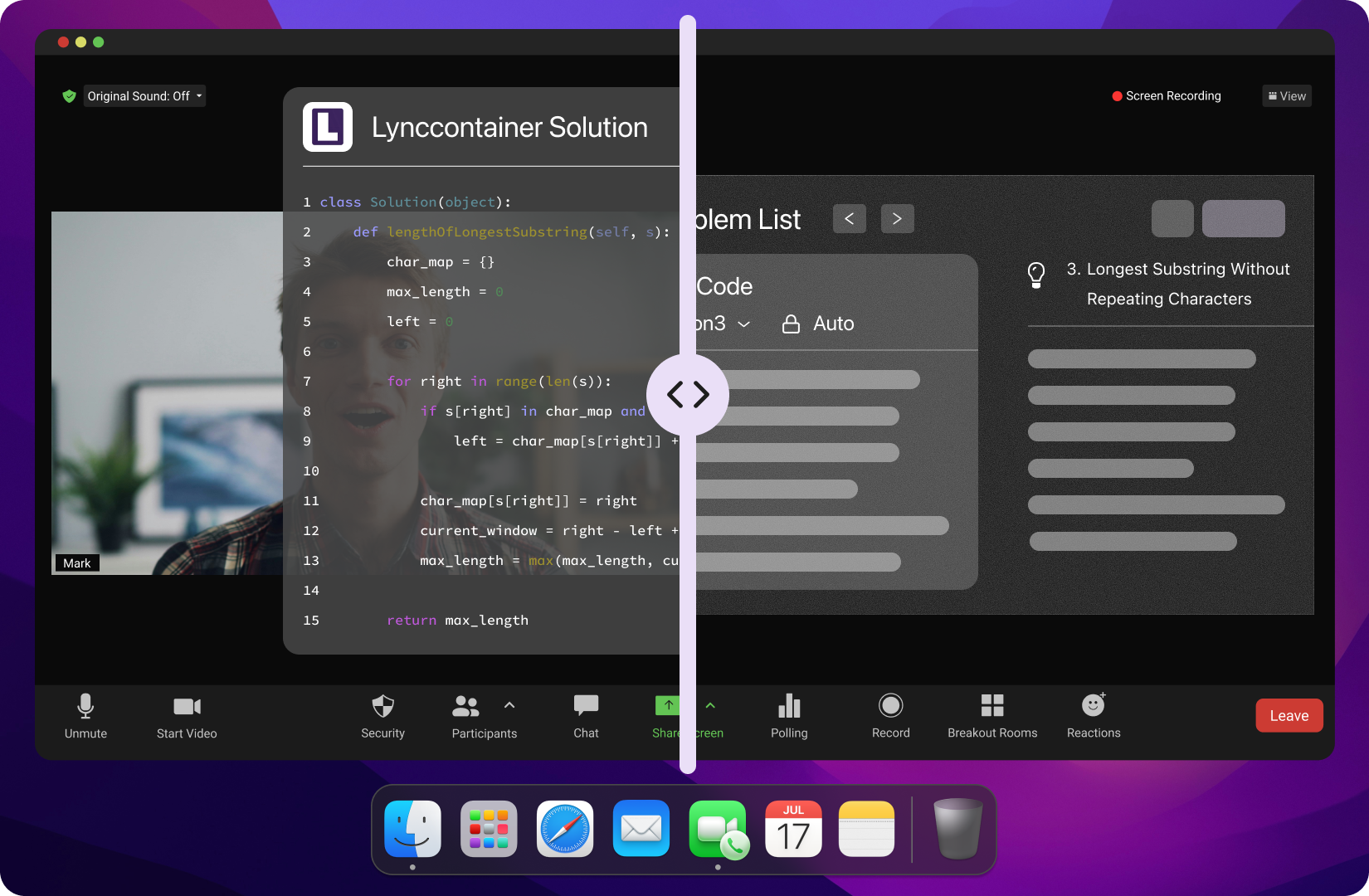
However, if I use Linkjob to assist me during the interview, it can completely bypass these checks. It’s a transparent overlay that stays directly on my screen and is visible only to me.
Still, to keep things smooth, I followed these tips:
Tip | Description |
|---|---|
Use a single monitor | I avoided extra screens that could trigger alerts. |
Ensure good lighting | I sat in a bright room so my face stayed visible. |
Maintain system hygiene | I closed apps and turned off notifications to stay focused. |
Humanize your coding | I wrote comments and explained my steps in code. |
Choose the right tools | I used tools that helped me learn, not just copy answers. |
Manage your behavior | I stayed relaxed and acted naturally during the test. |
Tip: I never switched tabs or windows during the test. That can trigger a cheating flag.
Demonstrating Original Work
The platform uses a two-layer system to check for originality. First, it uses MOSS to spot code that looks too similar to others. Then, a machine learning model checks my coding patterns and flags anything suspicious. This system catches both copy-paste and AI-generated code with high accuracy.
Handling Technical Issues
Sometimes, things go wrong. If I had a technical problem, I stayed calm. I took a screenshot of the issue and contacted support right away. I made sure my internet connection was stable before starting. If something happened, I explained the situation honestly in my follow-up email.
After the Persona HackerRank Online Assessment
Results and Feedback
After I finished the persona hackerrank online assessment, I felt a mix of relief and curiosity. I wanted to know how I did. Usually, Persona sends results by email. Sometimes, it takes a week or two. I checked my inbox every day. If I passed, I got a message with next steps. If I did not pass, I still received feedback. The feedback pointed out my strengths and areas for improvement. I found this helpful for my next try or for other interviews.
Tip: If you do not see an email, check your spam folder. Sometimes important messages hide there.
Retake Policies
I wondered if I could retake the test if things did not go well. Persona usually allows a retake after a waiting period. This gives everyone a fair chance. The waiting time can be a few months. I used this time to practice more and review my mistakes. I made sure to read the instructions in the email. The rules can change, so I always checked the latest policy before planning my next attempt.
Policy Area | What I Did |
|---|---|
Waiting period | Practiced and reviewed feedback |
Retake request | Followed instructions in the email |
Preparation | Focused on weak areas |
Next Steps with Persona
When I passed, the process moved forward step by step. Here is what happened next:
About two weeks after passing, I received an invitation for the next-round interview.
The interview was set for the following week. It included 20 minutes of behavioral questions and 40 minutes of coding questions.
A week later, I received an email from a talent partner. Then, I got an offer call.
Note: If you get a waitlist notification after the interview, it means you passed but haven't been matched with a team yet.
FAQ
How did I prepare for the coding questions?
I practiced daily on HackerRank and LeetCode. I focused on data structures and algorithms. I reviewed my mistakes and learned from them. I also timed myself to get used to the pressure.
What should I do if I get stuck during the test?
I take a deep breath and move to the next question. I do not waste time. I come back later with a fresh mind. Sometimes, a short pause helps me see the solution.
What if I face technical problems during the test?
Step | What I did |
|---|---|
Stay calm | I did not panic. |
Take notes | I wrote down the error message. |
Contact support | I reached out right away. |
I explained my issue honestly in my follow-up email.
See Also
2026 Update: My Stripe HackerRank Online Assessment Questions
2026 Nvidia HackerRank Test: Questions I Got and How I Passed
My IBM 2026 HackerRank Assessment: Real Questions & Insights
Questions I Encountered in 2026 Goldman Sachs HackerRank Test
My 2026 MathWorks HackerRank Assessment Questions & Solutions
Why People Choose Linkjob AI
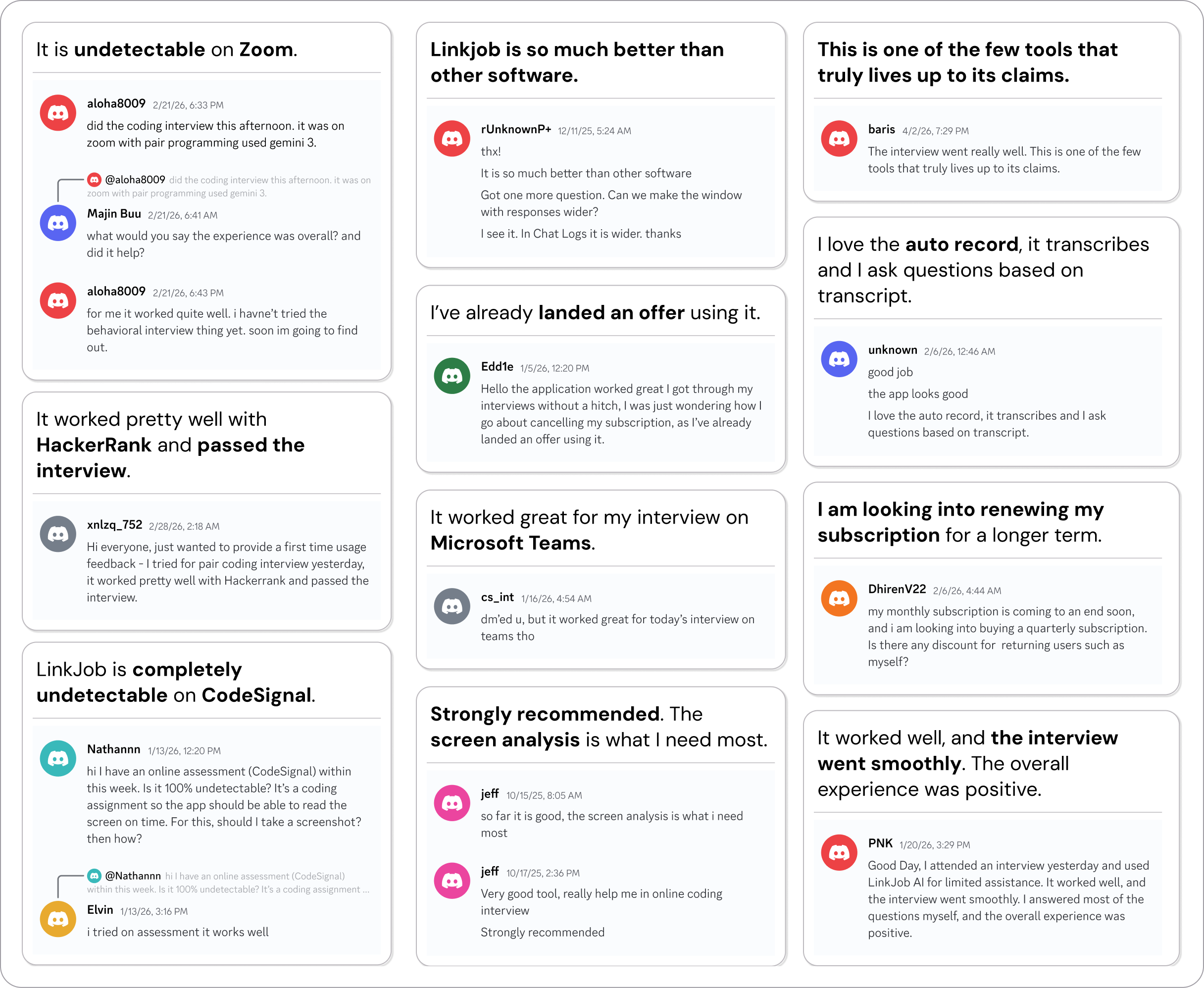
Smoother interviews, coding challenges cleared, and job offers landed. See how users describe their experience with Linkjob AI—in their own words.