How I Passed Booking Hackerrank Online Assessment in 2026


Booking's Online Assessment includes three coding tasks on HackerRank with a 90-minute limit. I found two of them to be LeetCode-style, while the last one was a scenario-based task that was tedious rather than hard. I'll be sharing my specific problems below, as well as a collection of tasks from other people's experiences.
I’m really grateful to Linkjob.ai for helping me pass my interview, which is why I’m sharing my OA questions and experience here. Having an undetectable AI online interview assistant indeed provides a significant edge.
I waited two weeks for an update after my OA. If you haven't received an update after two weeks, you should definitely send a follow-up email to check in.
Key Takeaways
Start your preparation early. Establish a consistent routine to build skills over time.
Use a variety of study resources. Explore platforms like LeetCode, Hackerrank, and Reddit for tips and practice problems.
Simulate real test conditions. Practice coding challenges under timed conditions to manage stress and improve focus.
Track your progress. Keep a log of solved problems and review your mistakes to enhance your understanding.
Communicate clearly during the assessment. Explain your thought process in comments to help reviewers follow your logic.
If you’re planning to cheat on a HackerRank interview, you’d better check their proctoring rules in advance.
Booking Hackerrank Online Assessment Questions
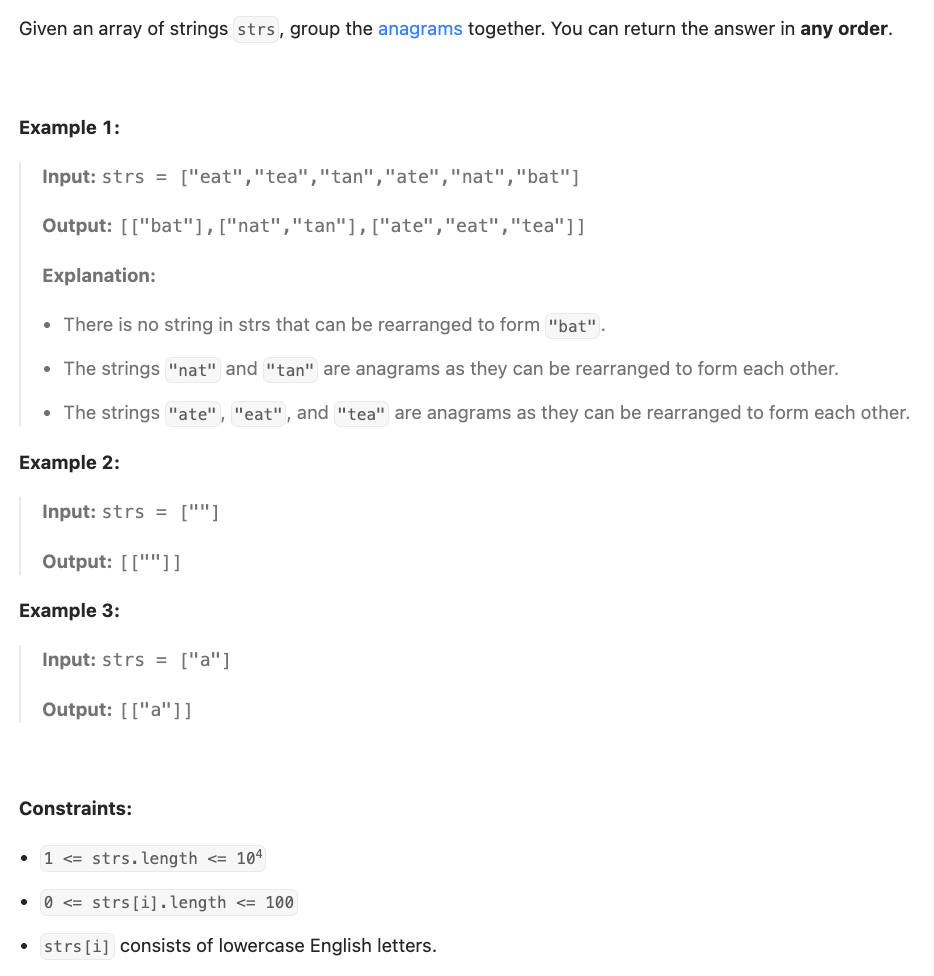
Question 1: LeetCode 49
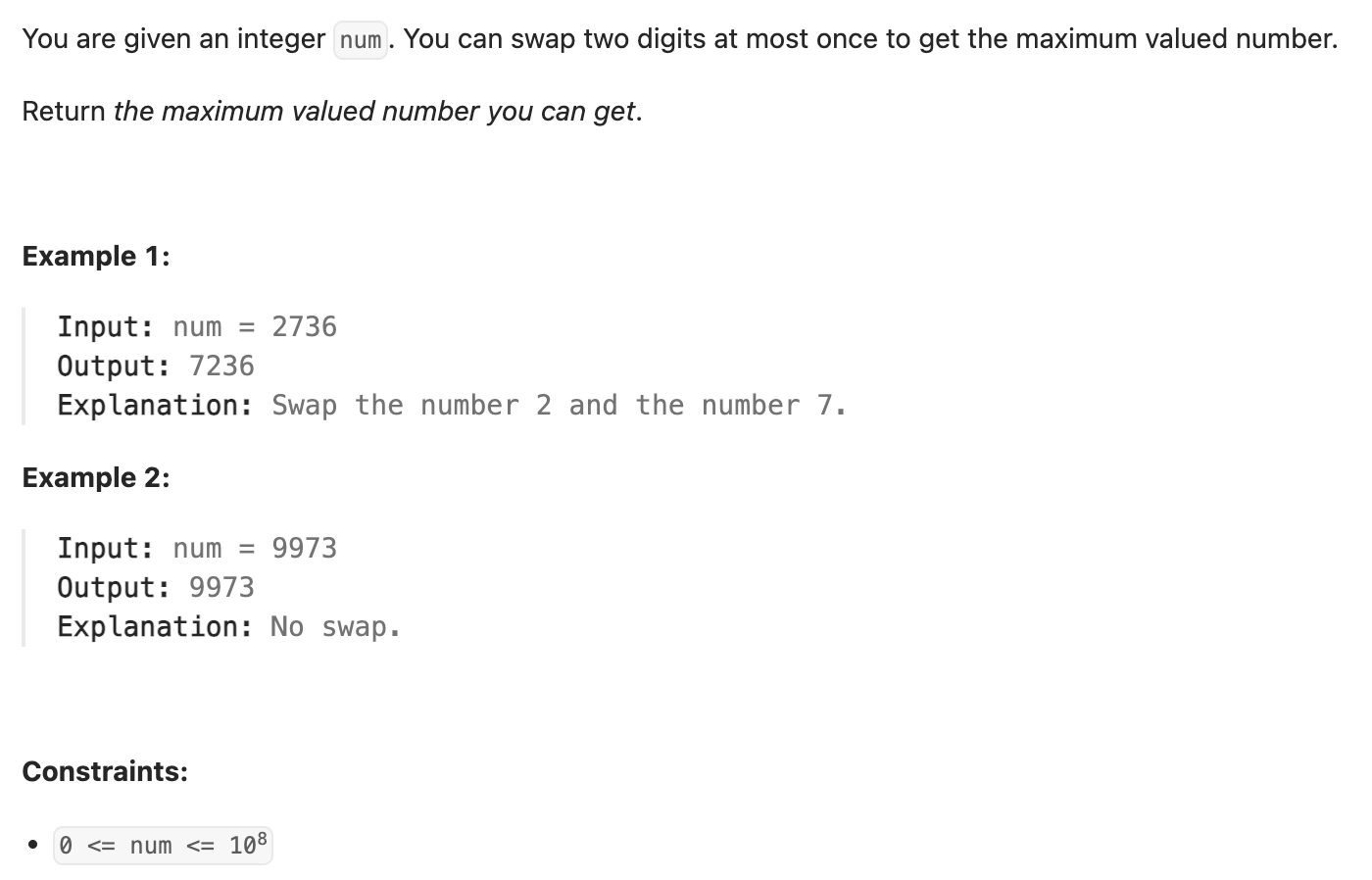
Question 2: LeetCode 670
Question 3
The third one is the scenario-based problem I just mentioned. The task is to rate hotels by identifying keywords (both positive and negative) within their reviews, and then calculate a total score for each hotel to find the top-k hotels.
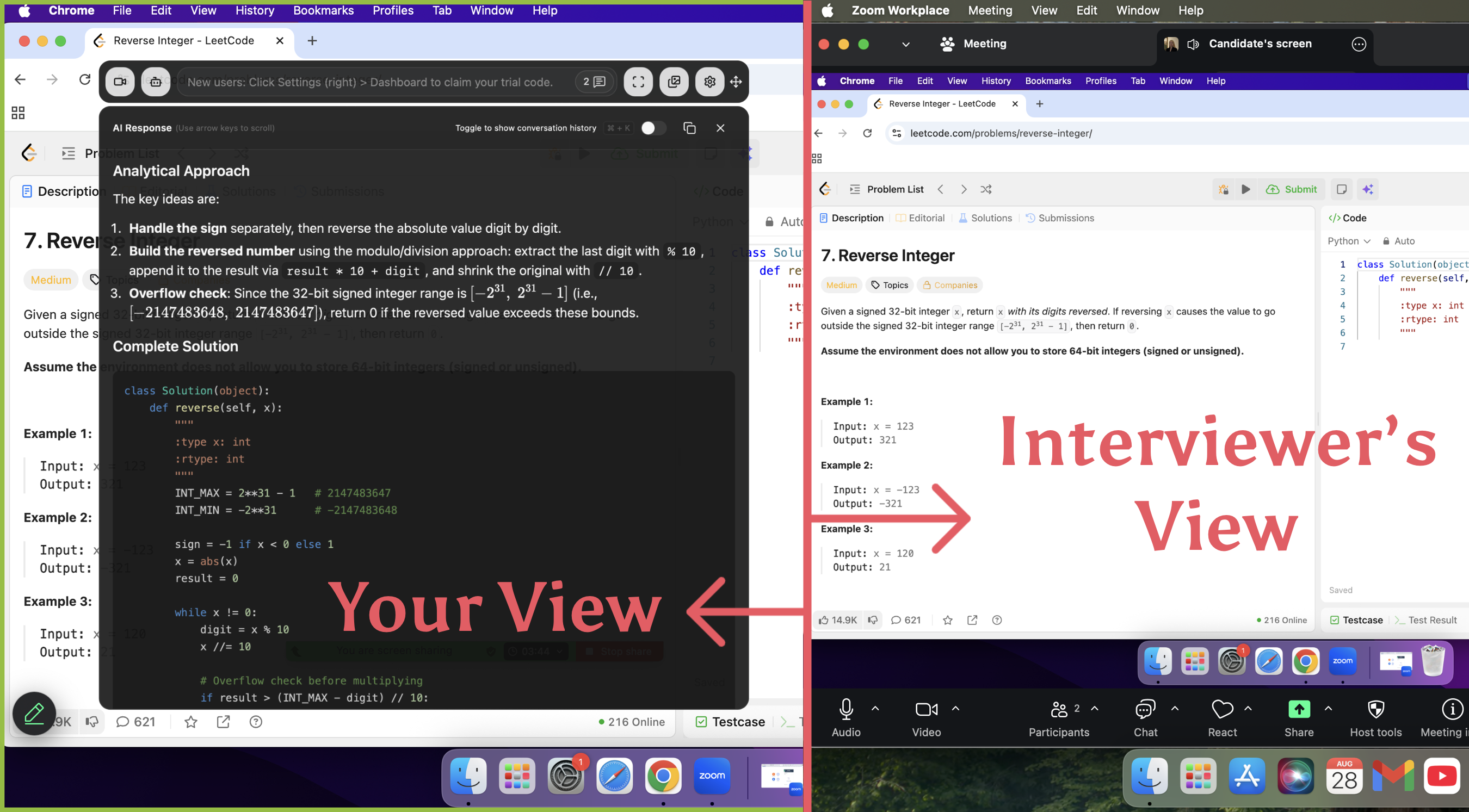
Linkjob AI worked great and I got through my interview without a hitch. It’s also undetectable, I used it and didn't trigger any HackerRank detection. This AI interview tool can solve LeetCode problems and complex coding tasks as well. You simply capture the screen, and the answer is ready for you. I chose the Claude 4.6 Opus model. It’s super reliable and highly effective.
Booking Hackerrank Online Assessment Experience
While preparing for the interview, I also collected some interview experiences from others, and I'm just going to drop them right here.
Experience 1: Frontend OA Question
It was their newly released problem set: a 150-minute frontend task using vanilla JS, mainly focusing on forms and tables. My UI was mostly working, but not a single test case would pass. About a week later, the recruiter called and said that because the problem set was so new, the tests weren't fully polished yet—I was like, 'WTF?' Then they told me they'd be sending over a new OA involving React and DSA.
Experience 2: Three Round Experience
Round 1: HM Interview – Deep dive into my resume.
Round 2: Given a list of booking info and a list of payment information, determine if a payment was made for a specific booking. Follow-up: What if there are multiple payments for a single booking?
Round 3: System Design – After a lot of back-and-forth with the requirements, I finally realized it was about building a logging system. Sending metrics to the system can be asynchronous, but reading the data must be in real-time.
Experience 2: Four Types of Questions
Simulation & Prefix Sum
A variation of the "Start Value" problem.
Given an integer array and a starting value, you need to ensure a specific "cumulative condition" is always met. The goal is to find the minimum starting value. The core logic involves scanning the array, maintaining the minimum prefix sum, and deriving the answer through simple mathematical deduction. With a time complexity of $O(n)$, this is a classic foundational logic problem.
Shortest Path with Two Operations
A transformation problem between two integers.
You need to convert one integer to another using only two operations (e.g., "minus 1" and "multiply by 2") in the fewest steps possible. The key is reverse thinking—using either a Greedy approach or BFS. Be careful with edge cases and even/odd parity logic. It’s a short problem designed to test mental flexibility.
Range Flipping & Difference Array
Multiple range toggles followed by a summation of qualifying indices.
The most efficient approach is using a Difference Array to mark range changes, followed by a Prefix Sum to determine the final parity (even/odd) state. While the code is concise, it requires a solid grasp of the Difference Array concept. This type of problem frequently appears in high-frequency sets on HackerRank, Codility, and LeetCode.
Graph Traversal / DFS Paths
Given an undirected graph or connectivity map, identify which path follows a Depth-First Search.
This tests your understanding of DFS stack order, node visitation control, and backtracking logic. The key is mastering the "go as deep as possible before backtracking" principle. It is a fundamental problem for graph search algorithms.
Experience 4: Three Questions
There were three problems in total. The first one, if I remember correctly, was Most Frequent Word. The second was LeetCode 221, and the third was LeetCode 2521.
Booking Hackerrank Online Assessment Prep
Best Study Resources
I started my prep by searching for the best resources. I wanted guides that explained the format and question types for the booking hackerrank online assessment. I found value in online forums like LeetCode and Reddit. People shared their experiences and tips. I also used practice platforms such as Hackerrank and CodeSignal. These sites let me solve problems similar to what I saw in the real test.
Here’s a quick list of resources I used:
Official Hackerrank Practice: I practiced coding challenges and timed tests.
LeetCode Discussions: I read posts about booking hackerrank online assessment and learned from others.
Reddit Threads: I searched for recent experiences and advice.
YouTube Tutorials: I watched walkthroughs of common algorithms and coding patterns.
Tip: Don’t just read guides. Try coding problems yourself. Practice is the best teacher.
Practice Routine
I built a routine that helped me stay consistent. I set aside one hour every day for practice. I focused on coding problems, but I also reviewed API usage and communication skills. I kept a notebook for tricky questions and solutions.
Here’s how I structured my routine:
Warm-Up (10 minutes): I solved one easy problem to get started.
Main Practice (40 minutes): I tackled medium and hard questions. I timed myself to simulate real test conditions.
Review (10 minutes): I checked my solutions and wrote down mistakes.
I mixed up topics each day. Sometimes I worked on algorithms. Other days, I practiced API calls or wrote explanations for my code.
Note: Consistency matters more than intensity. Small daily steps build confidence and skill.
Key Topics to Review
I made a list of topics that showed up often in the booking hackerrank online assessment. I wanted to cover all the basics and some advanced areas. I focused on algorithms, data structures, and API usage. Communication skills also played a big role.
Here’s a table of key topics I reviewed:
Topic | Why It Matters | How I Practiced |
|---|---|---|
Arrays & Strings | Common in coding challenges | Solved problems daily |
Hash Maps | Fast lookup and data grouping | Built custom hash maps |
Sorting & Searching | Used in many test questions | Implemented algorithms |
APIs | Booking.com uses APIs | Practiced API calls |
Communication | Explaining code is important | Wrote code explanations |
Callout: Don’t skip communication. Explaining your logic clearly can make a big difference.
I reviewed these topics until I felt comfortable. I practiced coding and explaining my solutions. This helped me feel ready for the booking hackerrank online assessment.
Practice Strategies for Booking HackerRank OA Success
Simulate Test Conditions
I wanted to feel comfortable during the booking hackerrank online assessment, so I practiced under real test conditions. I set a timer for each coding challenge. I worked in a quiet room with no distractions. I used the same tools and platforms as the actual test. This helped me get used to the pressure and pace. I learned how to manage my nerves and focus on solving problems.
Tip: Try a mock test once a week. It shows you where you need to improve and builds confidence.
Track Progress
Tracking progress kept me motivated and showed me how far I had come. I created a simple study plan and checked off topics as I mastered them. I paid attention to code quality and tried to write cleaner, more efficient solutions each day. I focused on understanding concepts instead of memorizing answers. This made it easier to tackle new questions.
Here’s how I tracked my progress:
I kept a log of solved problems and noted which topics needed more practice.
I reviewed my code for readability and efficiency.
I tested my understanding by explaining solutions out loud.
I set weekly goals and celebrated small wins.
Note: Progress is not just about quantity. Quality matters. Improving your coding practices and understanding concepts will help you succeed.
Use Online Communities
Online communities gave me valuable insights into the booking hackerrank online assessment. I joined forums like LeetCode and Reddit. I read posts about common question types and strategies. I asked questions and shared my experiences. Other candidates offered advice and support.
I learned about new approaches and avoided common mistakes.
Callout: Don’t hesitate to reach out. The community can help you solve tough problems and stay motivated.
I combined these strategies to build confidence and skill. Practicing under real conditions, tracking progress, and connecting with others made a big difference in my preparation.
Booking HackerRank Test Day Tactics
Time Management
On test day, I always keep an eye on the clock. I break the assessment into smaller chunks and set mini-deadlines for each question. If a problem takes too long, I move on and come back later. This approach helps me avoid getting stuck and wasting precious minutes. I use the platform’s timer to track my progress. I also read all questions quickly before starting, so I know which ones look easier.
Tip: Don’t spend more than 10 minutes on any single question at first. Mark tough ones and revisit them if you have time.
Solving Coding Challenges
When I tackle coding challenges, I start by reading the prompt carefully. I jot down the requirements and edge cases. I write a plan before jumping into code. Debugging is a big part of my process. I test my code with simple and tricky inputs. I never guess when something goes wrong. Instead, I follow a systematic approach to debugging. Here’s a table showing how top performers handle debugging and edge cases:
Signal | Description |
|---|---|
Systematic Debugging | I isolate the issue, test my ideas, and verify fixes instead of guessing. |
Effective Use of AI Tools | I use AI to speed up problem-solving but always check AI-generated code. |
Strong Fundamentals | My deep understanding of basics helps me adapt to new frameworks quickly. |
I always double-check my logic and look for hidden edge cases. If I get stuck, I try to break the problem into smaller parts.
Communication Skills
Clear communication is key during the booking hackerrank online assessment. I explain my thought process in comments as I code. I use simple language and short sentences. If the platform allows, I write a brief summary of my approach at the top of my solution. This shows the reviewer that I understand the problem and can explain my reasoning.
Callout: Good communication can set you apart. Reviewers appreciate clear explanations and organized code.
I keep my code neat and add comments for each step. This habit helps me stay focused and makes my solutions easier to review.
Overcoming Challenges
Handling Difficult Problems
I faced some tough questions during my Booking Hackerrank assessment. When I hit a wall, I took a step back and read the problem again. I broke the question into smaller parts. I wrote down what I knew and what I needed to find. Sometimes, I sketched out a quick plan or drew a diagram. If I still felt stuck, I moved on to the next question and came back later with a fresh mind.
Here’s my quick checklist for handling hard problems:
Read the question twice.
Identify input, output, and constraints.
Break the problem into steps.
Write a simple example.
Move on if you get stuck, then return later.
Tip: Don’t panic if you can’t solve a problem right away. Many candidates struggle with at least one question.
Technical Issues
Technical glitches can happen to anyone. I made sure my computer and internet worked well before the test. I closed unnecessary apps and checked my browser. I kept the support contact info handy, just in case. When I faced a minor issue, I stayed calm and refreshed the page. For bigger problems, I contacted support right away and explained the situation clearly.
Issue | What I Did |
|---|---|
Slow Internet | Switched to wired or hotspot |
Platform Crash | Refreshed, then contacted support |
Code Not Running | Checked syntax, reloaded page |
Note: Always take screenshots if something goes wrong. This helps explain your case to support.
Staying Positive
Staying positive helped me push through tough moments. I reminded myself that one mistake didn’t define my whole test. I took deep breaths and focused on the next question. I celebrated small wins, like solving a tricky bug or finishing a question on time. I kept a growth mindset and saw every challenge as a chance to learn.
Smile and breathe when you feel stressed.
Focus on progress, not perfection.
Remember, everyone faces challenges.
Callout: Your attitude matters as much as your skills. Stay positive, and you’ll perform your best.
After the Booking HackerRank Assessment
Review Your Performance
Once I finished the booking hackerrank online assessment, I took a moment to reflect. I wrote down which questions felt easy and which ones challenged me. I checked if I managed my time well or if I rushed through any sections. I also reviewed my notes and code to spot patterns in my mistakes. This helped me see where I could improve for future assessments or interviews.
Tip: Take a short break after the test, then review your experience while it’s fresh in your mind.
Next Steps with Booking.com
After submitting my solutions, I didn’t just wait. I sent a polite follow-up email two days later to ask about the next steps. This showed my interest and kept me on their radar. Soon after, I prepared for a recruiter call. The recruiter wanted to know about my motivations and past experiences. I made sure I could talk about why I wanted to join Booking.com and what I learned from previous projects.
I also spent time learning about Booking.com’s business model. I read about A/B testing because the company values the business side of software development. I checked if I had any experience with PERL or if I was open to learning it. During the call, I asked questions about company culture, perks, and how leadership works at Booking.com. This made a good impression and helped me decide if the company fit my goals.
Here’s a quick checklist for this stage:
Send a follow-up email two days after your test.
Prepare to discuss your motivation and experience.
Learn about Booking.com’s business and A/B testing.
Be ready to talk about PERL.
Ask thoughtful questions about the company.
Preparing for Interviews
I knew the next step could be a technical or behavioral interview. I reviewed my past projects and practiced explaining them clearly. I brushed up on algorithms and system design basics. I also practiced common behavioral questions, like how I handle challenges or work in a team. I made sure I could connect my skills to Booking.com’s needs.
Callout: Practice speaking out loud. Clear communication can set you apart in interviews.
By following these steps, I felt ready for whatever came next.
FAQ
How long did I prepare for the Booking Hackerrank assessment?
I spent about four weeks getting ready. I practiced every day for at least one hour. This routine helped me build confidence and improve my skills.
What should I do if I get stuck on a coding problem?
I take a deep breath and reread the question. I break the problem into smaller steps. If I still feel stuck, I move on and return later with a fresh mind.
How important are communication skills in the assessment?
Communication matters a lot. I always explain my thought process in comments. Clear explanations show that I understand the problem and help reviewers follow my logic.
What if I face technical issues during the test?
I stay calm and try simple fixes like refreshing the page. I keep support contact info ready. If the problem continues, I contact support right away and explain what happened.
See Also
How I Passed 2026 JP Morgan HackerRank Assessment: Q&A
How I Passed 2026 Microsoft HackerRank Test on My First Try
2026 Update: My Stripe HackerRank Online Assessment Questions
2026 Nvidia HackerRank Test: Questions I Got and How I Passed
Questions I Encountered in 2026 Goldman Sachs HackerRank Test