How I Prepped to Crush the 2026 Google New Grad Interview


Google receives over a million applications every year, yet only 4,000 to 5,000 candidates actually make the cut. The competition is incredibly fierce, and you really have to prepare yourself beforehand by doing some research into their interview process and the types of questions they ask potential employees. However as a new graduate, I feel incredibly lucky to have landed an offer from Google this year!
I’m really grateful to Linkjob.ai for helping me pass my interview, which is why I’m sharing my interview questions and experience here. Having an undetectable AI interview assisstant during the interview indeed provides a significant edge.
Google New Grad Interview Process and Real Questions
Before we get started, let’s walk through the Google interview process so there are no surprises:
1. Recruiter Connect: The recruiter can contact the candidate based on his/her profiles on LinkedIn and other employment-oriented online service providers or if any of his/her friends/acquaintances have referred him/her to the company. However, it’s always best to message the recruiters via LinkedIn and apply for the roles on the Career page of Google. If the candidate is good in DS & Algo skills, it is highly recommended that he/she participate in Google Kickstart- a hiring contest conducted by Google six times a year. The recruiters will contact you if the results in those competitions are good enough.
2. Interview Rounds: Google conducts a total of seven rounds of interviews. The first two are telephonic interviews where the interviewer mostly asks one medium or two easy Algo DS problems to the candidate, and the candidate has 45 minutes to solve the problems. However, if Kickstart's performance is a success, you move straight to the next round. Next, they have five onsite interviews, out of which four are Algo DS interviews, and one is a Googliness interview, which is mostly a behavioral interview.
Stages of the Interview
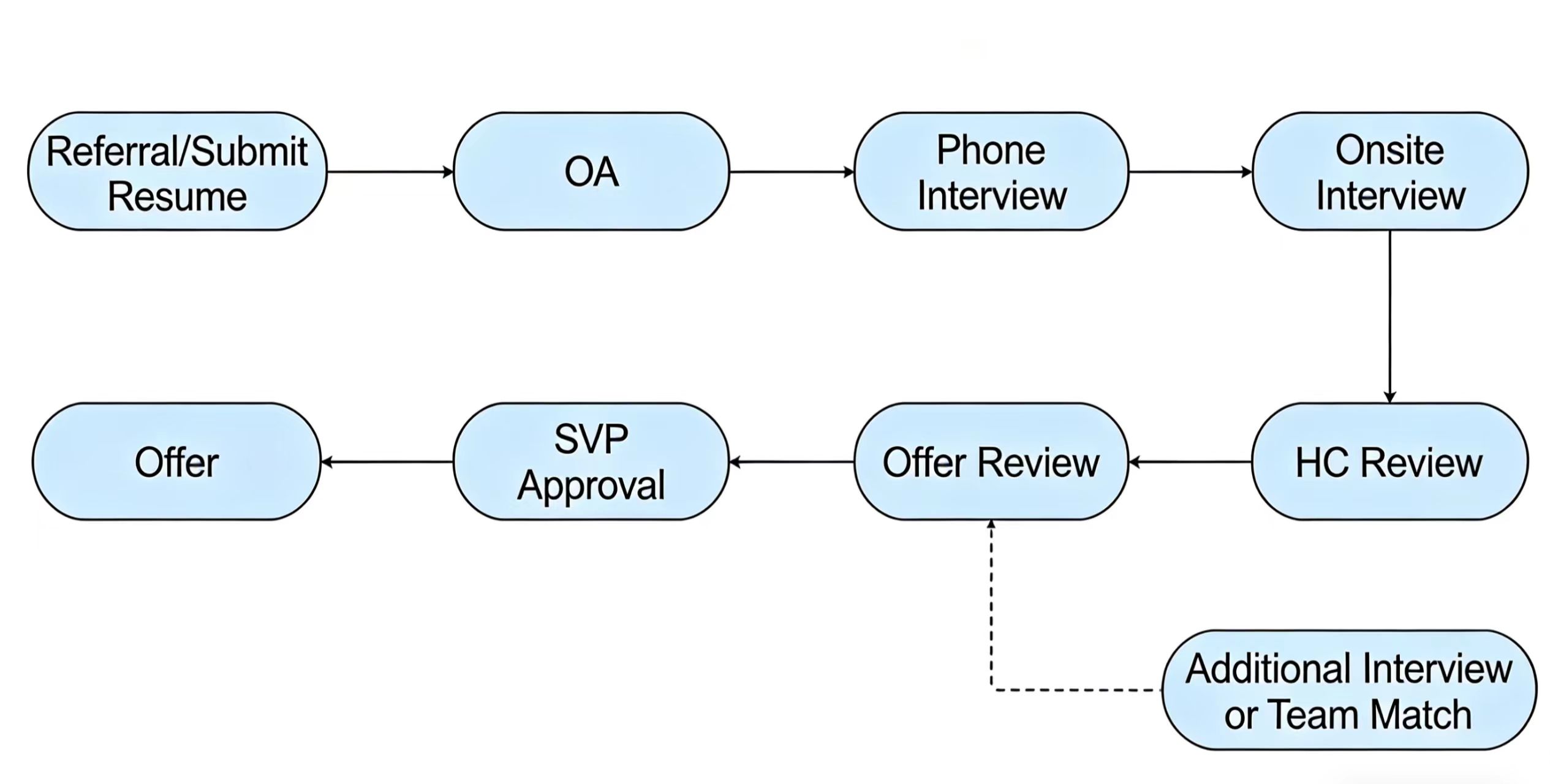
Google New Grad Interview: OA
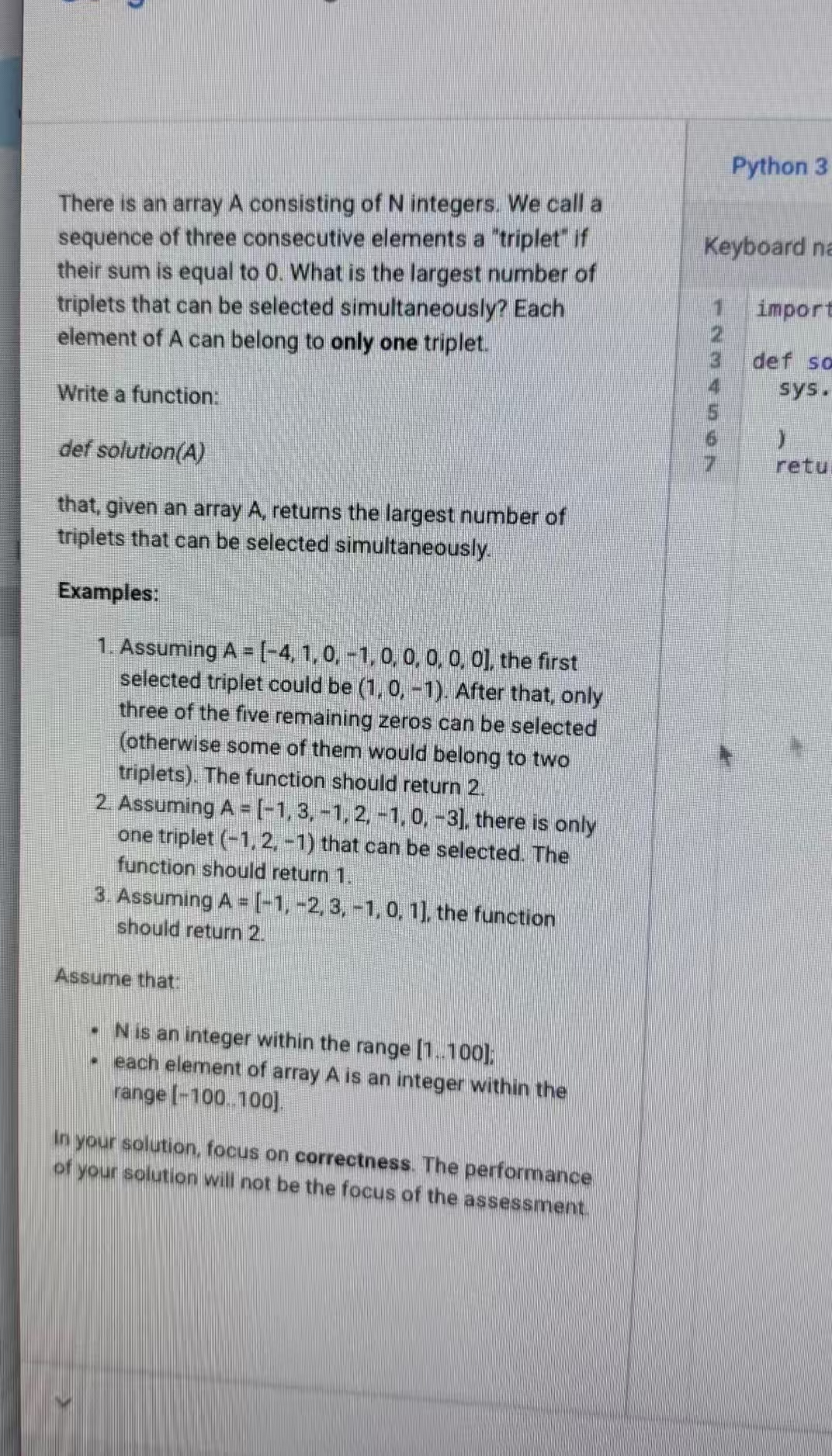
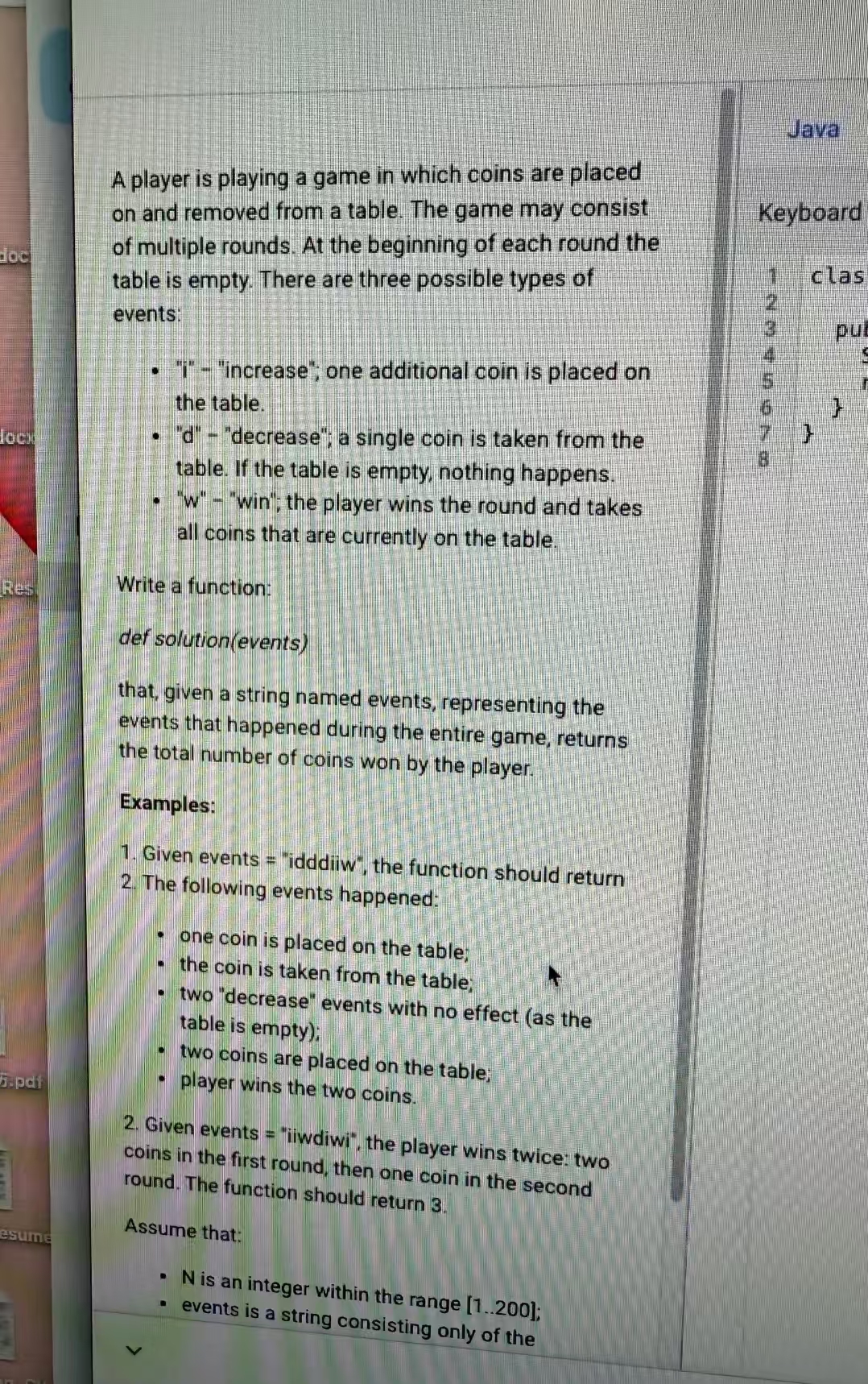
Most Google OAs are hosted on Google’s own coding platform or sometimes third-party sites like HackerRank. You are typically given 2 coding problems to solve within 60 to 90 minutes. The questions focus heavily on Data Structures and Algorithms (DSA).
Here are two OA questions I encountered:
Google New Grad Interview: Phone Interviews
These are two 45-minute rounds during which the interviewer asks you to solve either a medium problem or two easy problems from a list of Algorithms and DS questions. This round was heavily focused on number theory (specifically primes), algorithm design, and incremental code optimization. It is expected that the candidate first explains the solution of the problem to the interviewer and then codes the problem on Google Docs in the given duration of time.
My phone interview was quite intense. The interviewer did a deep dive into prime numbers, pushing through over five follow-up questions that grew progressively more difficult. Here’s how the session unfolded:
The Starting Point: We kicked things off with a basic prime number problem.
The Challenge: I was then asked to design an algorithm for a specific type called a 'supercut prime number.'
Optimization: From there, the focus shifted to refining and optimizing the 'supercut' algorithm.
Implementation: Next, I was tasked with implementing the Sieve of Eratosthenes.
The Final Stretch: The round concluded with a requirement to further optimize the sieve's performance.
Google New Grad Interview: Algo DS Interviews
These are 45-minute interviews where the interviewer shares a Google Doc with the candidate and asks medium to hard problems about Algorithms and DS. It is expected that the candidate first explains the solution of the problem to the interviewer and then codes the problem on Google Docs within the given time frame.
My interview consisted of three rounds in total:
Round1:Write a function
fn(value: int)which takes an integer as input and stores it in a data stream. After each insertion, it must return a triple from the data stream that satisfies the following conditions:abs(x - y) <= distance && abs(y - z) <= distance && abs(z - x) <= distance. If no such triple exists, returnNone.At first, I considered using dynamic programming to solve this problem, but I quickly realized it wasn't the optimal solution. The interviewer also hinted at regarding the data stream as a number line. Then I came up with the idea of sorting the data stream after each insertion and linearly scanning for a sub - array of length 3 where the absolute difference between the first and the last elements is less than or equal to the distance. To avoid sorting, I proposed an optimized solution that uses a monotonic stack and a temporary stack to maintain the sorted order of the data stream during insertion. The interviewer also recognized this solution. I feel that I performed quite well in this round.
Round2:Given a list of words, we need to return a list of ambigrams.
This problem was quite straightforward. I iterated through each word and used the two - pointer method to convert each character into a bidirectional character. The interviewer was satisfied with this approach and then presented a follow - up question.
Follow up: Given a list of words, we need to find the list of interesting words.
I converted the input list into a set to speed up lookups and then solved the problem in an optimized way.
Round 3: Given a graph of cities, where A and B live in two different cities and are traveling to the same city, we need to find the minimum total cost required to reach the destination.
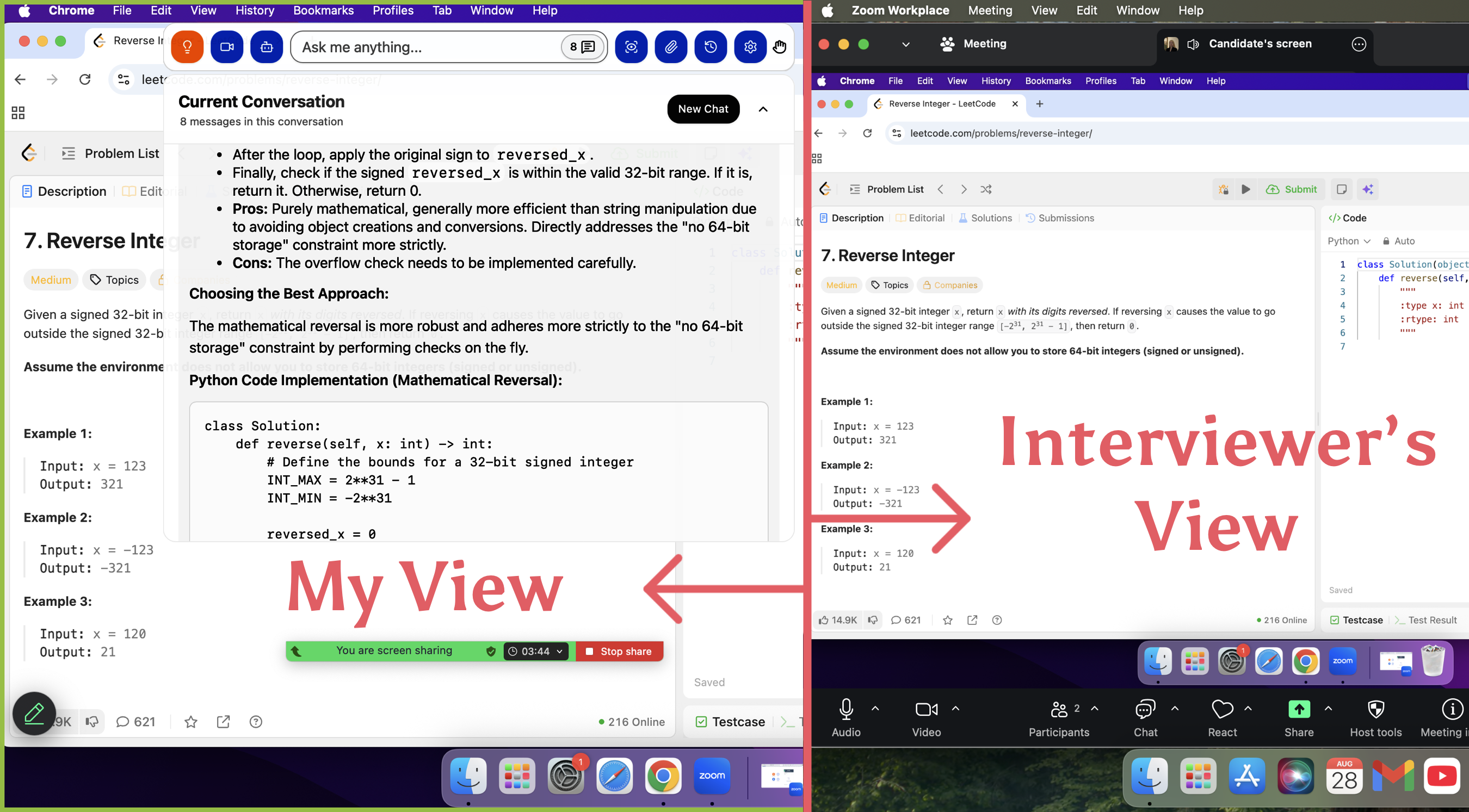
This problem was a bit complex. I really couldn't come up with the optimal solution on the spot. The brute - force approach would take too much time. So, I used Linkjob.ai at that time. Since the interviewer couldn't see what I was doing on its interface, I used the answer it provided. The interviewer said my thinking was very good. I immediately felt a huge sense of relief because this made the subsequent interview much easier.
Google New Grad Interview: Googliness Interviews
This is an interview process started by Google in 2020. The goal is to check for cultural compatibility with the company as much as interviewing skills. It is primarily a behavioral interview to check the adaptability of a candidate to the diverse cultural environment of the company.As long as you familiarize yourself with Google's culture and values beforehand, you’ll be fine.
My advice is to prep a few personal stories and use the STAR method to keep your answers clear and concise—it really helps the interviewer grasp your impact. Here are the questions I was asked for your reference:
Q1: Tell me about the last time you failed, and what happened?
Q2: Tell me about a time you created something from nothing.
Linkjob AI really helped me in online coding interview. It is undetectable, so I used it without being noticed by the interviewers.
What Google Looks for in New Grads
I learned that google does not just want someone who can code. They want a well-rounded software engineer who fits the company culture and can grow in the role. Google loves problem-solvers. I remember reading about how google once used a billboard with a math problem to attract candidates. They wanted people who could solve tough challenges, not just memorize answers. In the google software engineer interview, you will see questions that test your ability to think, not just recall facts.What Google actually looks for during the interview is:
Role-Related Knowledge: Are you really up for the job?
Cognitive & Behavioral: How you handle hypothetical scenarios and past challenges.
Googleyness: This is all about cultural fit and how you collaborate.
Leadership: They look for 'emergent leadership,' regardless of the seniority of the position."
So, don't sweat it if you're a new grad with limited work experience. When you go through the interview loop, focus on showing your passion for software and your excitement for the role. Google wants to see that you care about the work and that you are ready to learn. Understanding the role and showing your interest can set you apart from other candidates.
Google New Grad Interview Interview Preparation Strategies
Getting ready for the google software engineer interview takes more than just reading a few articles. I learned that effective interview prep means building a plan, practicing with real questions, and getting feedback. Let me walk you through the strategies that helped me and can help you stand out in your google interview.
Technical Skills and Coding Practice
When I started my preparation, I realized that technical skills form the backbone of every google coding interview. I made a Trello board to organize all the topics I needed to cover, like arrays, trees, graphs, and dynamic programming. For each topic, I read articles on GeeksforGeeks and worked through chapters in 'Cracking the Coding Interview.' This helped me understand the basics before I jumped into practice problems.
I set a goal to solve two or three questions for each topic. This approach helped me build confidence and spot patterns in the types of questions google likes to ask. I also made sure to time myself, since the interview moves quickly and you need to think on your feet.
Tip: Organize your study sessions by topic and difficulty. Start with easy questions, then move to medium and hard. This way, you build a strong foundation and avoid feeling overwhelmed.
Coding is not just about writing code. In the google coding interview, you need to explain your thought process out loud. I practiced talking through my solutions as I coded, which made me more comfortable during the real interview. If you want to improve your technical prep, try recording yourself or practicing with a friend. My entire answering process was very smooth. Although there were some questions I didn't know how to answer, I managed to handle them with the help of the AI interview assistant.
Behavioral Interview Tips
The behavioral part of the google interview can feel tricky, but I found that preparation makes a huge difference. Google interviewers want to know how you think, solve problems, and work with others. They ask questions that dig into your past experiences and test your fit for the company.
Here are some of the behavioral questions I faced:
1.What drew you to Google in the first place?
This is a question to assess how much you know about Google's offerings. The answer you give doesn't matter, as long as you talk about the company with excitement and say how it's changed your life somehow.
I use YouTube to find new ideas, gain skills and explore new subjects, while others use it to promote their work. To provide more customization to the users, I would implement an option to say how the video recommendations are affected by each video. The overload problem may be solved depending on the feedback that the YouTube community wants.
2. Who are Google's top competitors? Does Google stand out from the rest?
With this question, the hiring manager can tell if you are familiar with the other companies who are vying for the same position as Google and give you a fair opportunity to mention your relevant strengths. This can be specifically helpful for more creative or experimental roles such as product managers, or software developer jobs, where demonstrating how you are more experienced or better is important.
Google's competitors vary, depending on the market. Google has the ability to seamlessly integrate its services into one user experience. In addition, Google offers a variety of services, making it versatile and easy to avoid leaving the website to accomplish a task.
3. How do you go about ensuring that your co-workers are doing what they need to do?
Accountability is an integral factor for employers; in the eyes of Google, you want to make sure that you take on your responsibilities and live up to the company's expectations. A hiring manager may favor candidates who can also help their co-workers stay accountable, especially if the company expects a lot of group projects.
For me, accountability is always a priority. One of the things I do to stay accountable is to track all of my deliverables and associated due dates. A list is how I stay organized, create notifications and block out time on my calendar as necessary, ensuring I can focus on the task and finish on time when projects are larger. I also employ the use of mini-milestones, which helps me explore the step-by-step process and plan more effectively.
Working with my co-workers, I find that keeping in touch is often helpful. This can be in the form of scheduling team meetings to discuss our progress or bouncing ideas back and forth. Additionally, I try to contact them periodically to check if they need anything or offer assistance if they appear to be falling behind.
4. Have you ever done something professionally, risked a lot, and failed? What was it? What made you take the risk, and what did you take away from it?
Google seems to love innovation, and with innovation comes risks. So, when Google finds a creative person, it is appreciative and respectful of the courage to do something no one else would. There should be something to help that next effort succeed in future endeavors.
More Google New Grad Interview Questions
5. What drew you to Google in the first place?
The presence of free food and the ability to bring your pet to the Googleplex isn’t what you want to do here — although it is a very important factor to some. Instead, discuss how your skills mesh with what Google is looking for, what the company offers, and the specific job you're applying for. This is your chance to show that you are the right person for the job and understand the company.
Google always releases new devices and apps. Your skills as an app developer could be of assistance to this group. Tell them that you would like to get together with the team and discuss how you can be of help.
6. What is your knowledge of Google's history?
Headquartered in Mountain View, California, Google LLC, formerly Google Inc. (1998-2017), is an American company which develops, produces, and distributes software in diverse technological domains. With more than 70% of worldwide online search requests being handled by Google, it is essential to most internet users’ experience.
I used the STAR method for every answer. STAR stands for Situation, Task, Action, and Result. This structure helped me keep my answers clear and focused. For example, when asked about a conflict, I described the situation, explained my role, shared what I did, and finished with the outcome. Practicing with the STAR method made my stories more memorable and showed the impact of my actions.
Note: Google hiring managers use the STAR framework to evaluate your answers. Practicing your stories with this method helps you highlight your professional thinking and growth.
To improve your behavioral interview skills,I write down my answers to common questions and practice saying them out loud and ask my ai interview assistant to listen and give feedback. This really help me sound natural and confident during the real interview.
Application and Resume for Google New Grad Interview
Tailoring Your Resume
When I started my journey toward the google software engineer interview, I realized my resume needed to stand out. Google recruiters spend only a few seconds scanning each resume, so I made mine simple and easy to read. I focused on a clear format that highlights my skills and achievements. I always begin with a strong professional summary that shows my accomplishments and uses numbers to prove my impact. I list relevant job titles that match the google software engineer role. For each experience, I put the most important achievements in the first two bullet points. I use keywords from the job description and include metrics to show results. I make sure my education and certifications meet the requirements for the role.
Here’s a quick checklist I use before submitting my resume:
Write a summary with measurable accomplishments.
Match job titles to the google software engineer role.
Start bullet points with action verbs and numbers.
Use keywords from the google job description.
List education and certifications clearly.
I always tailor my resume for each google role. I include the role title, years worked, company name, and a short summary. I use SMART outcomes to show my contributions. I highlight what makes me unique and focus on experiences that match the google software engineer interview requirements. I keep the design clean so it stands out.
Showcasing Projects and Impact
Google loves seeing real software projects that show creativity and impact. I pick projects that solve real problems and use coding skills. For example, I built a machine learning model for urban gardening, created an AI system for health advice, and developed a dashboard for sales analysis. These projects helped me show my software engineer skills and my ability to think outside the box.
I always document my design process and explain my ideas. I focus on how my solutions help users and make things easier. I use the XYZ formula to turn tasks into achievements. I start each bullet point with a strong verb and add numbers to show results. This helps google see my impact and understand the role I played.
Tip: Shift your mindset from listing responsibilities to showing achievements. Use numbers and keywords to make your resume ATS-friendly.
When I apply for a google software engineer role, I make sure my resume shows my coding skills, my passion for software, and my ability to solve problems. Understanding the role and showing my impact helps me stand out in the google interview process.
See Also
How to Cheat HackerRank Tests With AI: My 2026 Update
2026 Update: My Stripe HackerRank Online Assessment Questions
The 2026 OpenAI Coding Interview Question Bank I've Collected
© Copyright 2025 Linkjob.ai - All Rights Reserved.