How I Nailed My NVIDIA New Grad Interview in 2026


As a recent graduate specializing in algorithms, I felt pretty anxious before my NVIDIA interview last year. However, once I understood the interview process and what to expect, I became much more confident and composed. I hope sharing my experience will help you better understand how the process works.
I’m really grateful to Linkjob.ai for helping me pass my interview, which is why I’m sharing my interview questions and experience here. Having an undetectable AI Interview assistant during the interview indeed provides a significant edge.
Key Takeaways
My interview process consisted of four rounds. I applied for the Computer Architecture – LLM position. In this role, I would have worked on the post-training framework, TensorLLM, Tensor-RT, and related projects.
Here’s a breakdown of my interview timeline:
1/26 – HR Phone Call
An HR representative reached out to schedule the interviews.
2/24 – Round 1: Technical Phone Screen
The interviewer was a senior engineer from the team. There was very little focus on algorithms. Instead, he dove deep into the post-training projects listed on my resume. I was also asked to solve one PyTorch-related problem and one medium-difficulty LeetCode question.
2/27 – Round 1 Result
I received positive feedback and scheduled Round 2 for 3/3. The turnaround time was very fast—typically within three days.
3/3 – Round 2: Hiring Manager Interview
The difficulty level increased significantly. The focus was entirely on LLM inference optimization. I was asked detailed questions about the internal logic of TensorRT and had to write an API call for a FlashAttention variant on the spot.
3/4 – Round 2 Result
I was notified that I had passed Round 2, and Round 3 was scheduled for 3/5. HR mentioned that there would be four rounds in total and that they would try to expedite the process.
3/5 – Round 3: Final Technical Deep Dive
This round focused heavily on my internship experience. The interviewer asked in-depth questions about communication bottlenecks in distributed training and examined my previous projects in great detail.
3/10 – Offer Received
Stage | Duration |
|---|---|
Initial Recruiter Screen | Approximately 30 minutes |
Technical Phone Screen | Approximately 1 hour |
On-Site Technical Interview | 3 to 4 interviews, 45 minutes each |
Final Technical | Approximately 40-50 minutes |
Preparation for NVIDIA New Grad Interview
Researching NVIDIA’s Culture and Products
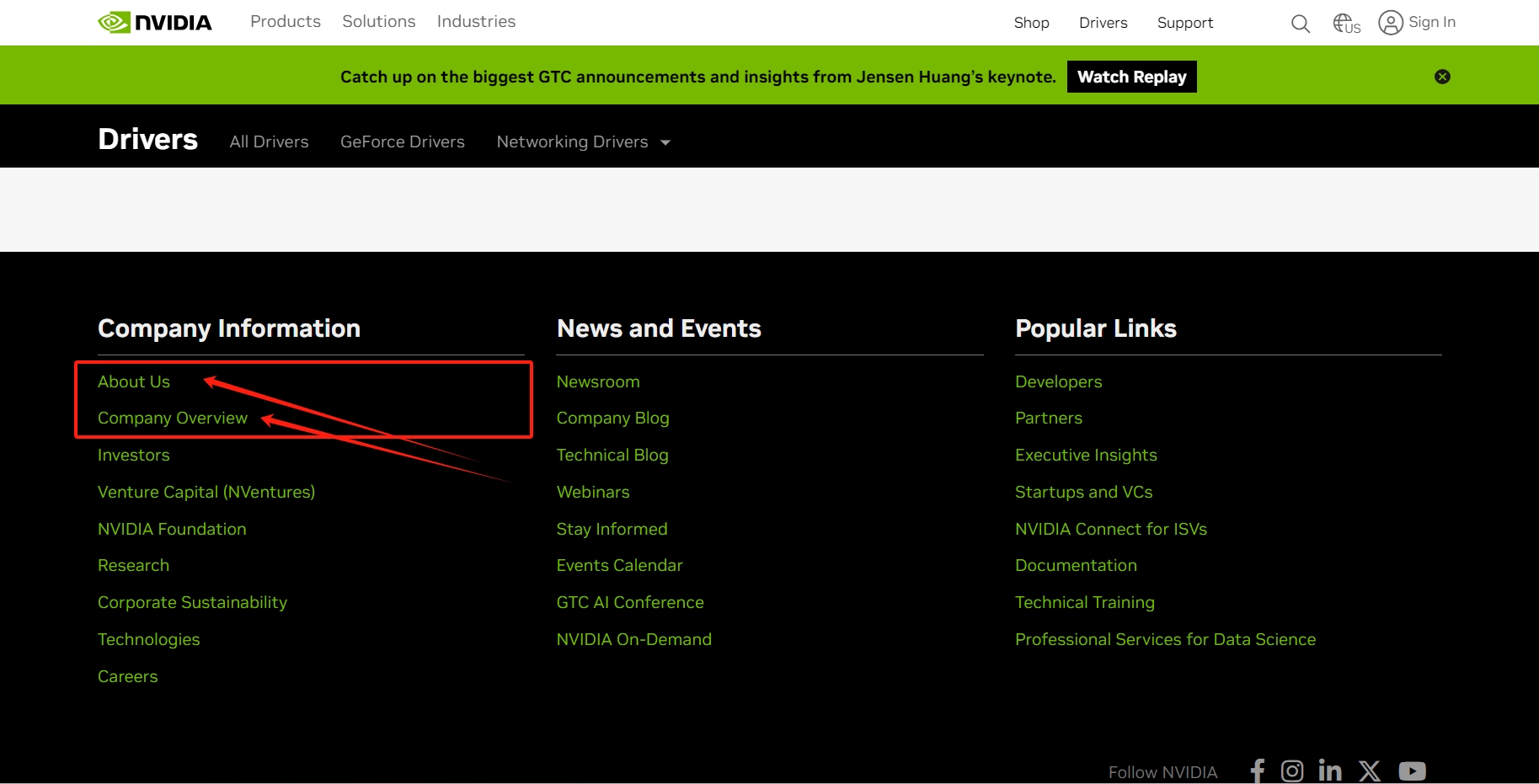
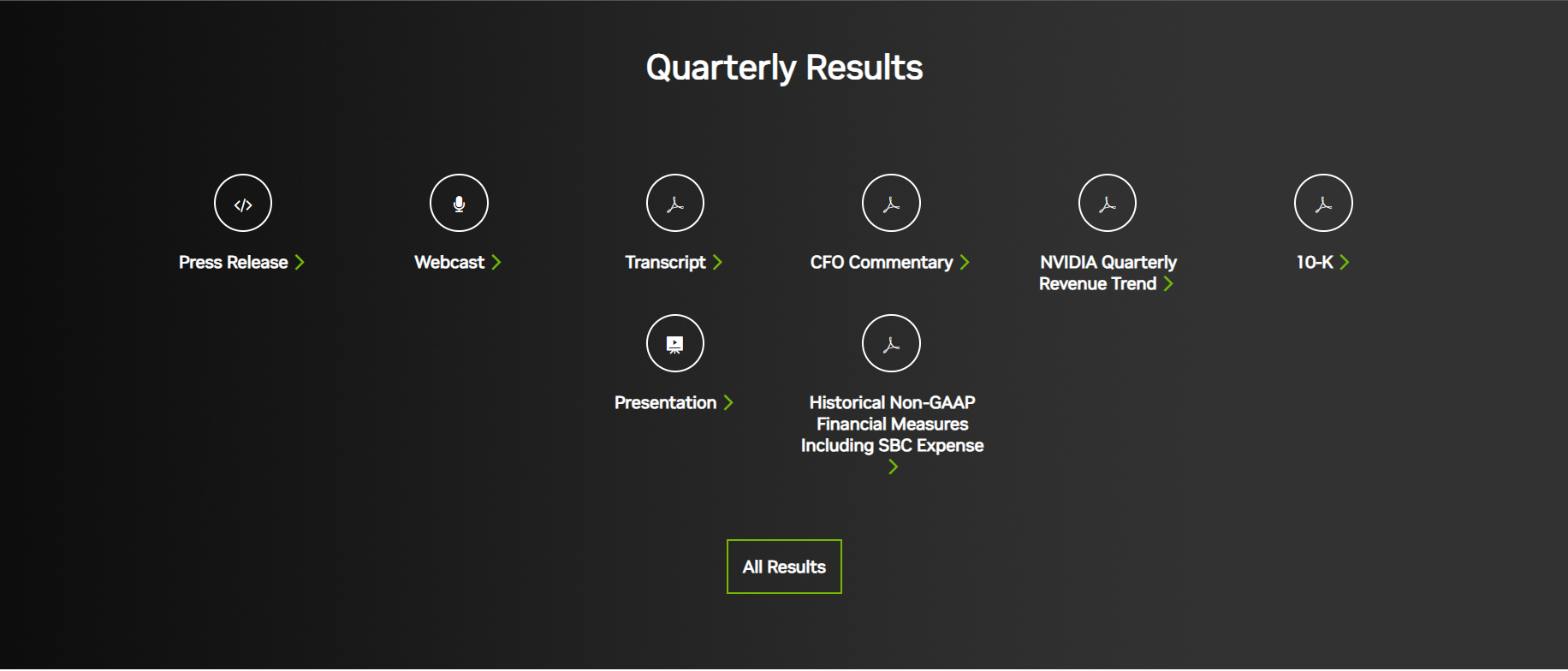
Before I started practicing interview questions, I took time to learn about NVIDIA’s culture and products. I wanted to show that I aligned with their values and understood what sets them apart. A great way to do this is by reviewing NVIDIA’s investor materials, such as the 10-K and recent press releases. They provide valuable insight into the company’s strategy and priorities.
Here’s what I focused on:
Core business details: product lines, underlying technologies, and future directions.
Competitive advantages: what makes NVIDIA’s products unique, and what differentiates the company from its competitors.
This preparation helped me answer behavioral questions thoughtfully and demonstrate that I cared about more than just technical skills.
Reviewing Job Description and Skills
For the position I applied for, I used AI tools to break down the JD and searched for related interview experiences on platforms like Reddit and Quora.
Conducting this research helps me pinpoint the key areas for interview preparation, thereby maximizing efficiency:
LLM Inference Optimization
Attention Mechanism Variants: Deep understanding of FlashAttention (v1/v2/v3) principles, I/O complexity analysis, and the ability to either hand-write implementations or utilize their APIs is mandatory. Interviews often require implementing a simplified version or variant of FlashAttention on the spot.
KV Cache Management: Mastery of KV Cache allocation strategies in GPU memory, Paged Attention (the core technology behind vLLM), and techniques to mitigate GPU memory fragmentation.
Quantization: Proficiency in INT8/FP8/INT4 quantization principles, covering both weight and activation quantization. Familiarity with state-of-the-art algorithms like AWQ and SmoothQuant, and their implementation within TensorRT, is expected.
Decoding Strategies: Understanding the parallelization bottlenecks on GPUs for strategies such as Greedy Decoding, Beam Search, and Sampling (Top-K, Top-P).
Computer Architecture & Hardware-Software Co-Design
GPU Microarchitecture: In-depth knowledge of NVIDIA GPU architectures (e.g., H100, Blackwell), including the structure of Streaming Multiprocessors (SMs), the working principles of Tensor Cores, and analysis of memory bandwidth bottlenecks.
Communication Bottlenecks: In the context of distributed training/inference, mastery of the NCCL library and communication primitives across multiple GPUs/nodes (e.g., All-Reduce, All-Gather, Reduce-Scatter). Crucially, you must know how to hide communication latency through overlap techniques.
Operator Fusion: Understanding how fusing operators reduces kernel launch overhead and minimizes global memory access.
Frameworks & Toolchains
TensorRT / TensorRT-LLM: Familiarity with the Build Engine workflow, Plugin development, and the usage of performance profiling tools like Nsight Systems and Nsight Compute.
PyTorch Internals: Knowledge of PyTorch’s scheduler and Dispatcher mechanisms, as well as the process of exporting and optimizing PyTorch models into TensorRT engines.
Practicing Coding and Technical Questions
NVlDlA places a strong emphasis on practical problem-solving abilities. Therefore, do not limit yourself to theoretical knowledge; it is crucial to gain hands-on programming experience.
Application Process Insights
Resume and Cover Letter Tips
You can apply to NVIDIA through mass applications, employee referrals, or career fairs. Mass applications are highly competitive, with rejection rates around 80%. Referrals are strongly recommended—try connecting with employees on LinkedIn to request one.
For referrals, you typically need:
Your resume
The Job ID(s) you’re applying for
A third-person self-introduction
Resume requirements: Include your full name, phone number, and email address.
Important: Do not apply on your own before securing a referral. If you do, the system may flag your email and make you ineligible for referral submission.
Once the referral is submitted, you’ll receive a system email. You can then log in to the portal and select your preferred positions.
NVIDIA New Grad Interview Process
Interview Stages Overview
I started with a recruiter screen. This round generally include a self-introduction, background-related questions, some foundational technical and coding problems, as well as questions about your motivation for applying.
You should aim to spend about 1–2 minutes answering each question. The interviewer may comment on your previous answer or ask follow-up questions to dig deeper. Here are some representative questions you might encounter:
In your intern experience, what suggestions you have proposed for your supervisor? Give two.
Do you have any coding experience with assembly code? Are you familiar with that?
Do you know the state vector method for simulating quantum circuits?
Do you know the tensor network method for simulating quantum circuits?
How are you familiar with cuQuantum?
What parallel programming experiences do you have? MPl? cuda? multi-threading?
How are you good at Python and C++?
Tell me about your related study experiences and project experlences.
Any cuda programming experiences?
How about your knowledge of NVlDlA's different GPU architectures? Fermi? Turing? Ampere?
Tell me the most difficult and fulfilling project experience you have had.
Which algorithm-related courses did you take?
Why NVIDIA?Why this position?
Technical and Behavioral Rounds
Next, I had a technical phone screen. This round tested my coding skills and problem-solving approach.
This round is all about testing your core technical hard skills, with a heavy focus on underlying logic and engineering ability. The questions generally fall into three main categories (only sharing a selection here):
1. Model Structure & Optimization Operators
What is the overall framework of the model you worked on?
What percentage of the total performance improvement was contributed by the specific operator you optimized?
2. Engineering Skills & Coding Concepts
Model inference acceleration techniques (e.g., dynamic batching, continuous batching)
Memory management
Pointer concepts and other fundamental knowledge
3. Problems Solving:
Classic Algorithmic Puzzles: You might face brain teasers like the "weighing balls" problem or the "two eggs" problem.
System Analysis & Optimization: Questions could involve analyzing register overflow or optimizing dynamic batching strategies.
Note: Interviewers will often follow up on your answers to probe the reasoning behind every step you chose.
Real-World Scenarios: Be prepared for practical challenges such as:
Communication optimization in Multi-GPU Distributed Training
CUDA memory optimization for large-scale matrix operations
CUDA kernel fusion for Transformer attention optimization
Tools & Methodology: You may also be asked about your experience with containers, DevOps practices, software development lifecycle tools, and general design philosophies.
Most candidates, including myself, completed four to six rounds before receiving an offer. The number of rounds depended on the role and team.
Finally, candidates who make it to this stage will face the HR/Behavioral Round and the Hiring Manager & Team Interview. Beyond standard behavioral questions, expect the interviewers to deep-dive into every single line of your resume again.
Here are some representative questions you might encounter:
What is your most challenging project experience, and how did you manage it?
Give me an example of a time when you showed initiative and took the lead.
Tell me about a time when you effectively delegated a project.
Describe a situation where you used persuasion to successfully convince someone to see things your way.
Can you describe a time when you tried to resolve a dispute within your team? What was the outcome?
Describe a long-term project you managed. How did you ensure everything stayed on track and moved forward in a timely manner?
Note: NVIDIA places a huge emphasis on behaviors, and culture fit is absolutely critical.
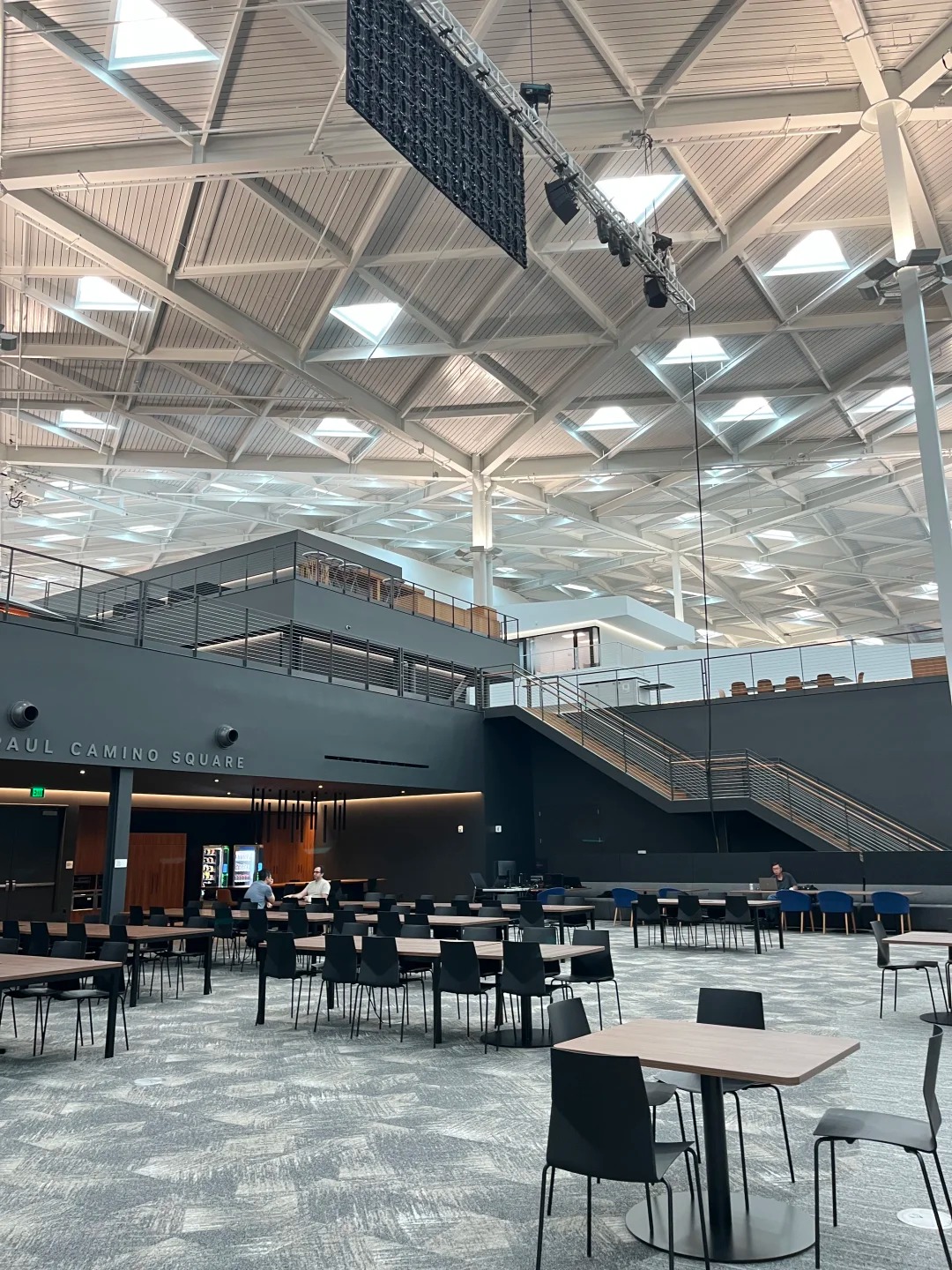
Inside the company:

Strategies to Stand Out
To summurize, the NVIDIA interview loop is usually a marathon — 3 to 4 hours of back-to-back rounds. The core of the process is a deep dive into my resume. Interviewers peeled things back to first principles — design choices, trade-offs, edge cases, and implementation details. The wording on my resume really matters because they’ll use it as an anchor for probing questions.
Each round also includes a live coding component. The questions are generally moderate in difficulty and focus on fundamentals — data structures, algorithms, and clean logical thinking.
The process itself is professional and well-structured. Interviewers typically introduce themselves clearly at the beginning. In recent years, due to rapid expansion, many interviewers are relatively new (1–2 years at the company). Most are friendly and conversational, though senior staff may be more demanding and detail-oriented. Overall, there’s no need to be overly nervous — it’s rigorous, but fair.
Here are the four key factors that I believe contributed to my success in this interview. I hope they’re helpful:
Polish Your Resume Thoroughly: Be ready to explain motivation, architecture, bottlenecks, trade-offs, and measurable outcomes — clearly and consistently.
Prepare for Coding & Algorithms: Every round includes live coding. Focus on core data structures, sorting, recursion, trees, graphs, and standard problem-solving patterns.
Practice Clear English Communication: Many interviewers are international, and discussions are fully in English. Clear, structured speaking is a plus — but technical depth still outweighs fluency.
Prepare Mentally for the Endurance Test: Three to four hours of technical questioning requires focus and energy. Treat it like a performance — stay steady, think aloud, and don’t let one tough question throw off your rhythm.
FAQ
What coding languages should I focus on for the NVIDIA new grad interview?
I practiced C++, Python, and a bit of CUDA. Most technical rounds tested my skills in these languages. If the job description mentions a specific language, I always prioritize it.
How long does the interview process usually take?
The process took me about six to eight weeks. I kept a checklist to track each stage. Staying organized helped me manage the timeline and reduce stress.
Should I ask questions during the interview?
Absolutely! I always ask clarifying questions when I need more details. This shows my curiosity and helps me avoid mistakes. Interviewers appreciate candidates who engage and communicate.
What if I don’t know the answer to a technical question?
I stay calm and explain my approach. If I get stuck, I share how I would solve the problem. Interviewers value problem-solving skills and honesty more than perfect answers.
See Also
I Passed 2026 NVIDIA Technical Interview: Real Questions
NVIDIA Coding Interview: Problems I Faced and My Solutions
2026 Nvidia HackerRank Test: Questions I Got and How I Passed
My 2026 NVIDIA Software Engineer Interview and Questions
How I Experienced My NVIDIA Deep Learning Interview in 2025
My 2026 Bloomberg New Grad Interview: Process and Questions
My 2026 Bloomberg New Grad Interview: Process and Questions
My 2026 Bloomberg New Grad Interview: Process and Questions
© Copyright 2025 Linkjob.ai - All Rights Reserved.