How I Cracked Intuit HackerRank OA in 2026

I took the Intuit OA about a week ago. It was on HackerRank and consisted of three questions—one coding, one SQL, and one Bash—with 90 minutes to finish. The questions might not have been super difficult, but since I’ve been mass-applying, I found them a bit challenging, especially the SQL part.
Surprisingly, I passed the OA with the help of Linkjob AI. To be honest, I didn't expect an AI interview assistant to actually help me clear a cold application that I wasn't even very confident about, so I was pretty shocked when I got through. It was crazy.
I’ll go ahead and share the interview process and the details of each question below.
If you want to know how I managed to use AI during the interview, you can check out my previous post where I shared some tips on how to bypass the HackerRank OA.
Key Takeaways
Even though I didn't prepare much specifically for the Intuit HackerRank OA, looking back at my overall interview prep, I think there were a few strategies that made a real difference:
Strategy | Why It Worked for Me |
|---|---|
Clear Coding Structure | Helped me show my logic and build trust. |
Time Management | Let me tackle both questions without panic. |
Go-To Coding Patterns | Sped up my problem-solving during the test. |
Practice coding problems daily to build confidence and improve skills. Even 30 minutes a day can make a big difference.
Focus on clear communication during coding assessments. Explaining your thought process helps build trust and shows your logic.
Manage your time wisely during tests. Read all questions first, tackle the easier ones, and avoid getting stuck on difficult problems.
Intuit HackerRank OA Real Questions
Here are the three questions I encountered for a SWE role:
Question 1: Code Question (Student Arrangement)
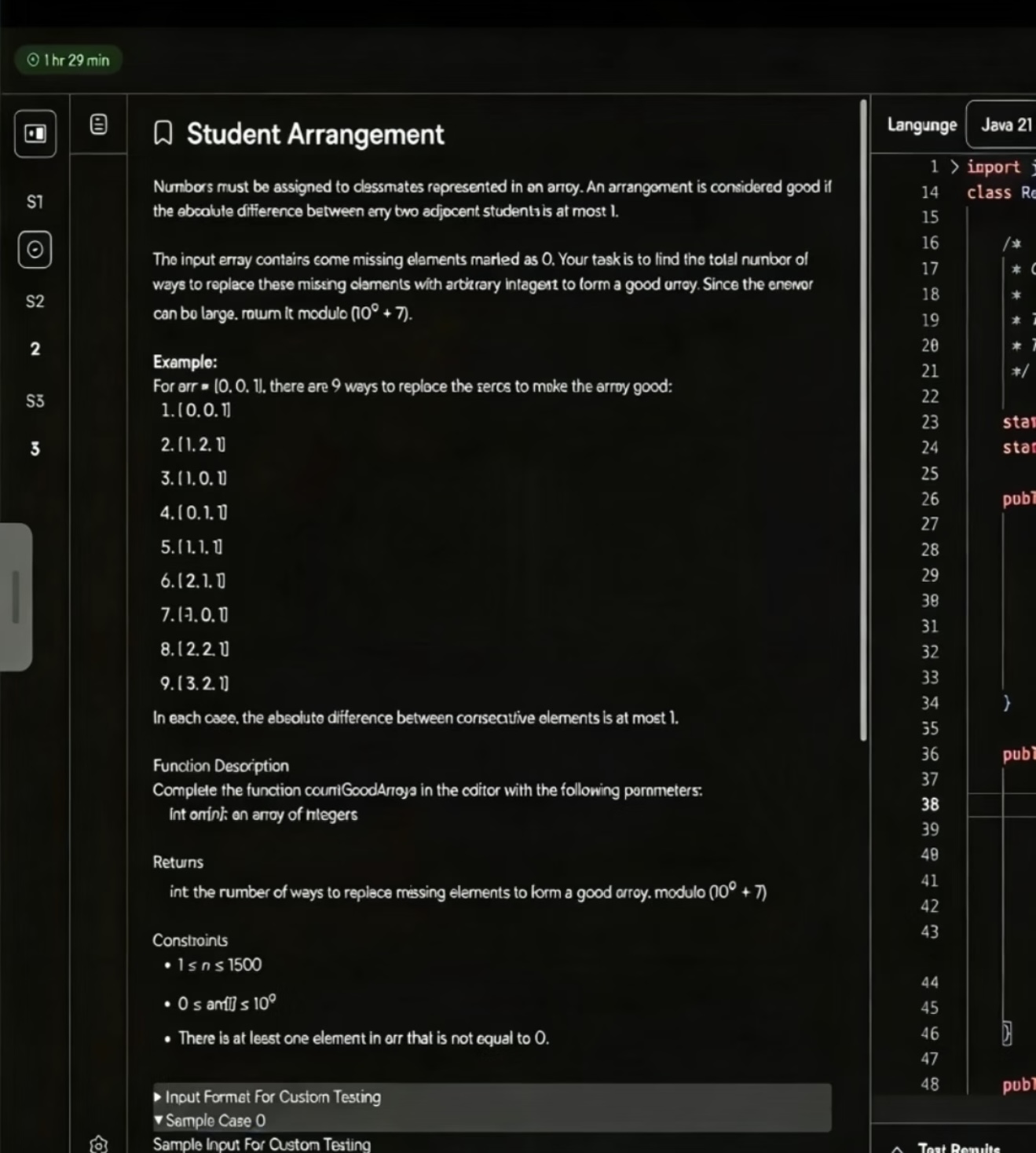
Question Description:
The problem gave me an array with some missing values, and I had to fill them in so that the absolute difference between any two adjacent elements was no more than 1. I needed to find the total number of ways to do this. This one was relatively easy for me—it was basically a counting problem. It was obvious that I only needed to figure out what to fill in for a continuous segment of zeros. It’s like starting from a point and moving to a destination where each step can only be -1, +1, or stay the same. Since the total displacement is fixed, it’s just a multinomial coefficient problem. I just had to iterate through the possible counts of -1, +1, and "no change" and plug them into the formula. It didn't take long at all.
Question 2: SQL Question (Stock Market Software Capitalization Report)
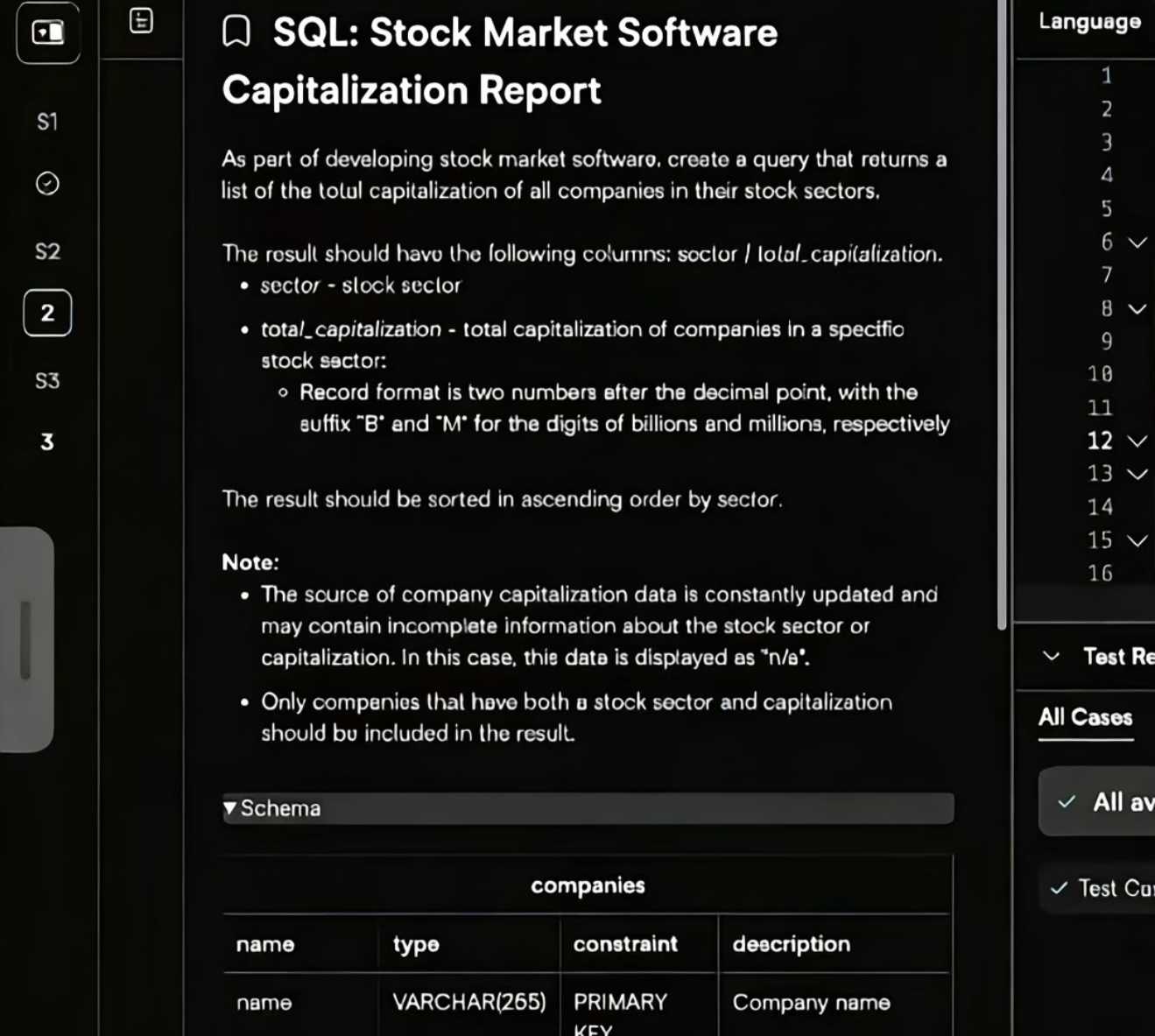
Question Description:
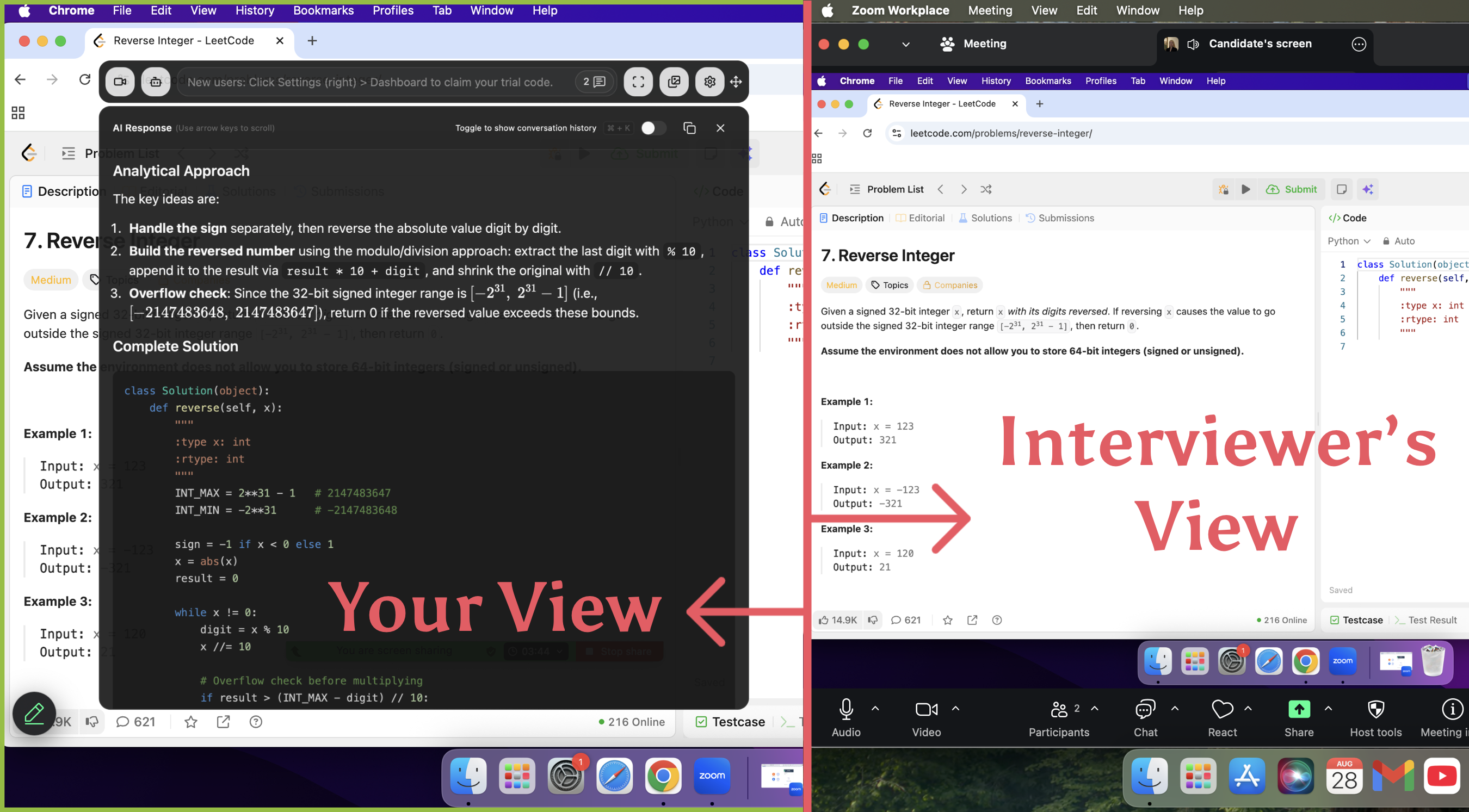
I actually couldn't solve this one on my own at the time and used Linkjob AI to handle it, but I figured it out later when I was reviewing. I think the interview nerves just got to me. The problem gave me a table where the amounts were strings with units, like "10B" or "5M." I had to group and sum them up by a certain category and then convert them back into the format with units. The trick was to strip the symbols and units first, convert "B" to $10^9$ and "M" to $10^6$ to get pure numbers, sum them up, and then divide back and reattach the "B" or "M" at the end. That was it.
Question 3: Bash Question (Pattern Matching)
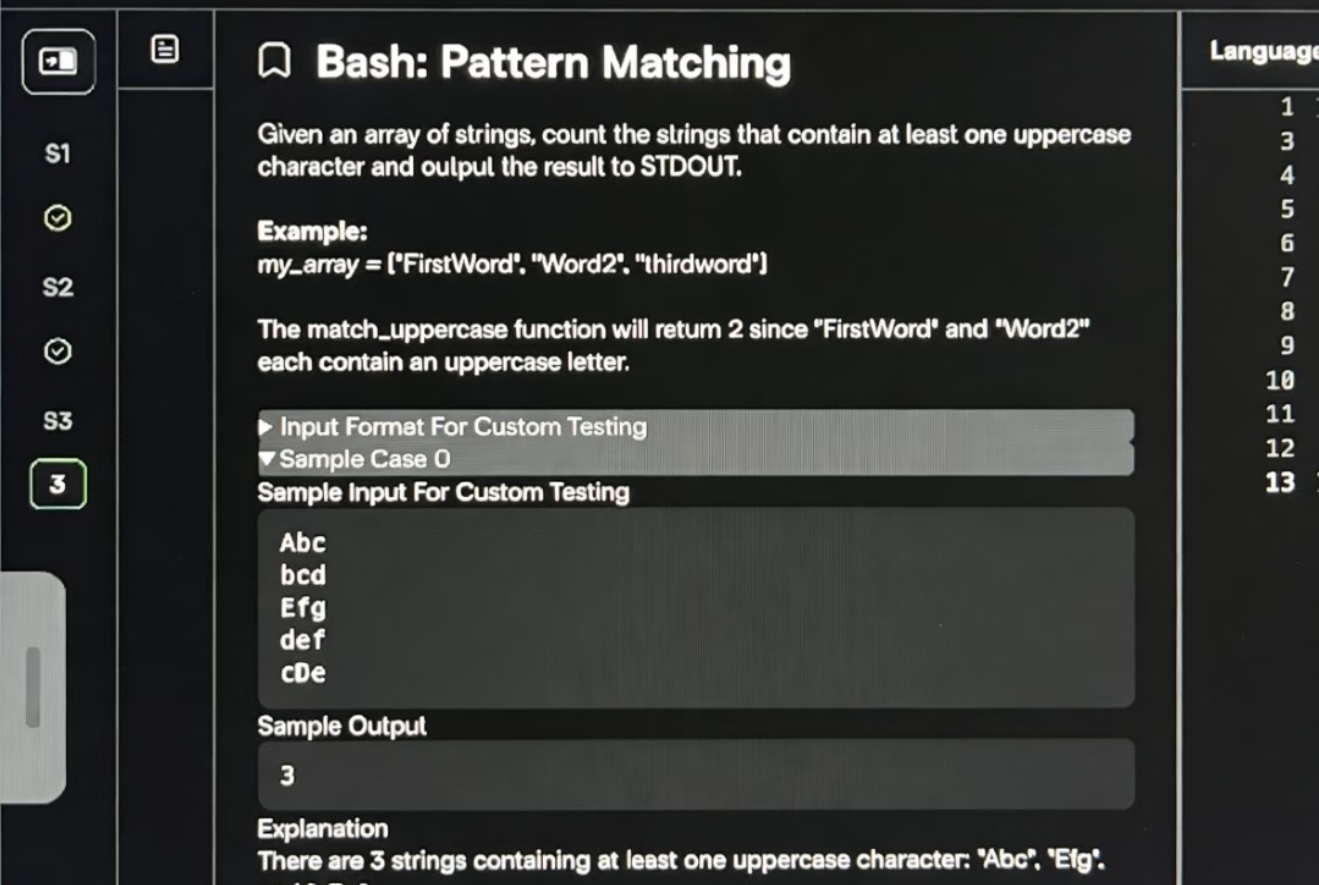
Question Description:
The last one asked me to count how many strings in an array contained uppercase letters. I just had to iterate through the array and use a regex like [A-Z] to match them. Every time I found a match, I incremented the counter. Simple as that.
Additional Questions from Other Candidates
Question 1: Leetcode 2812
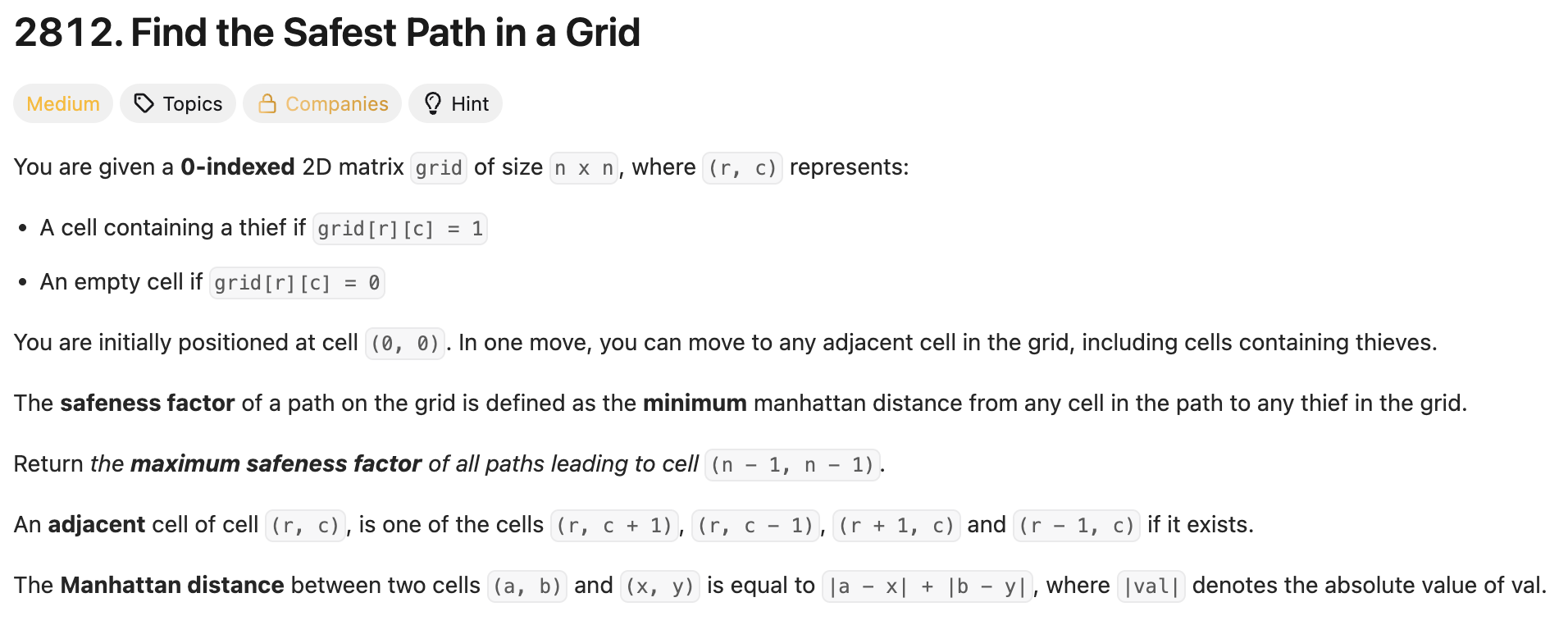
Question 2: LRU Cache
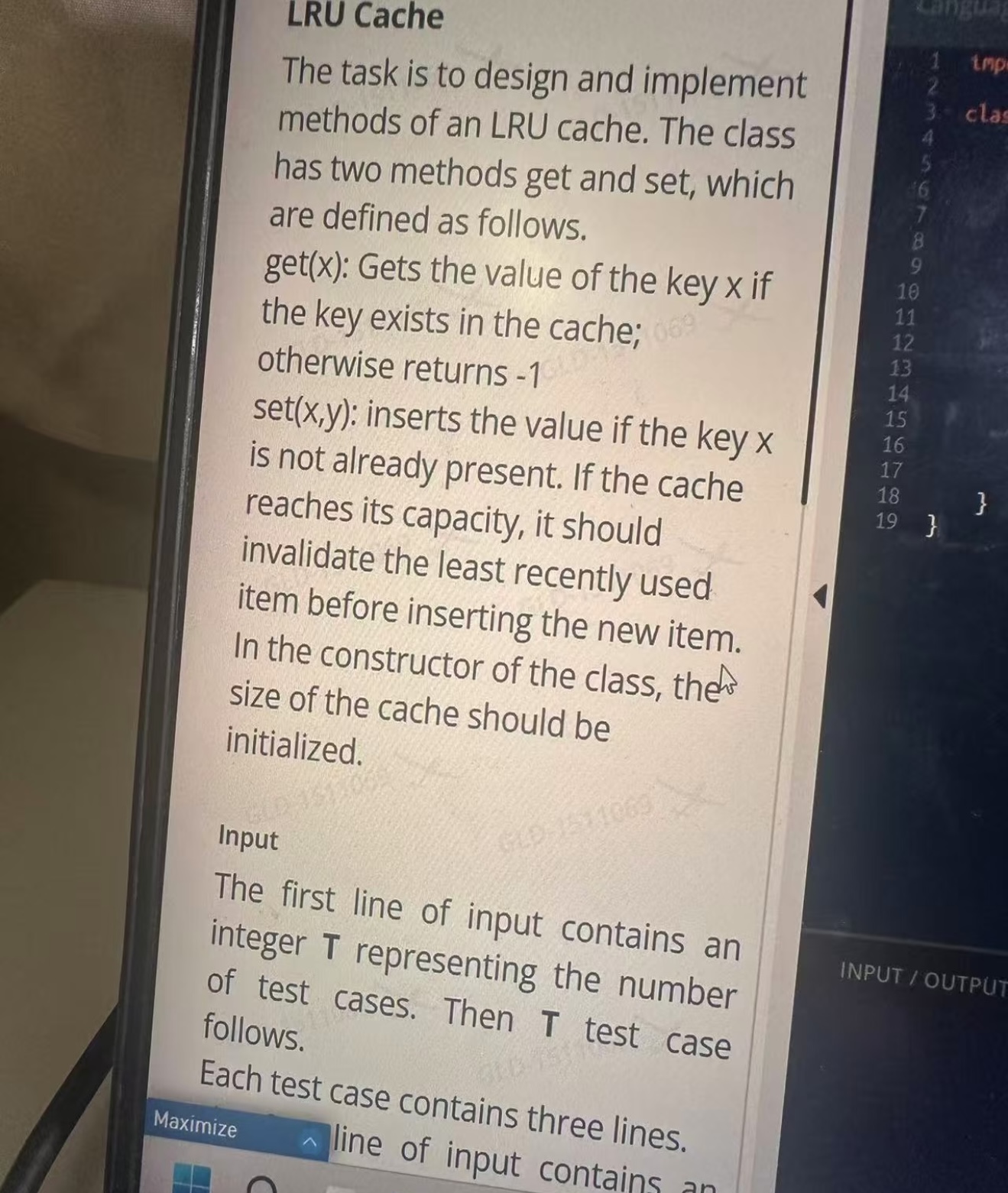
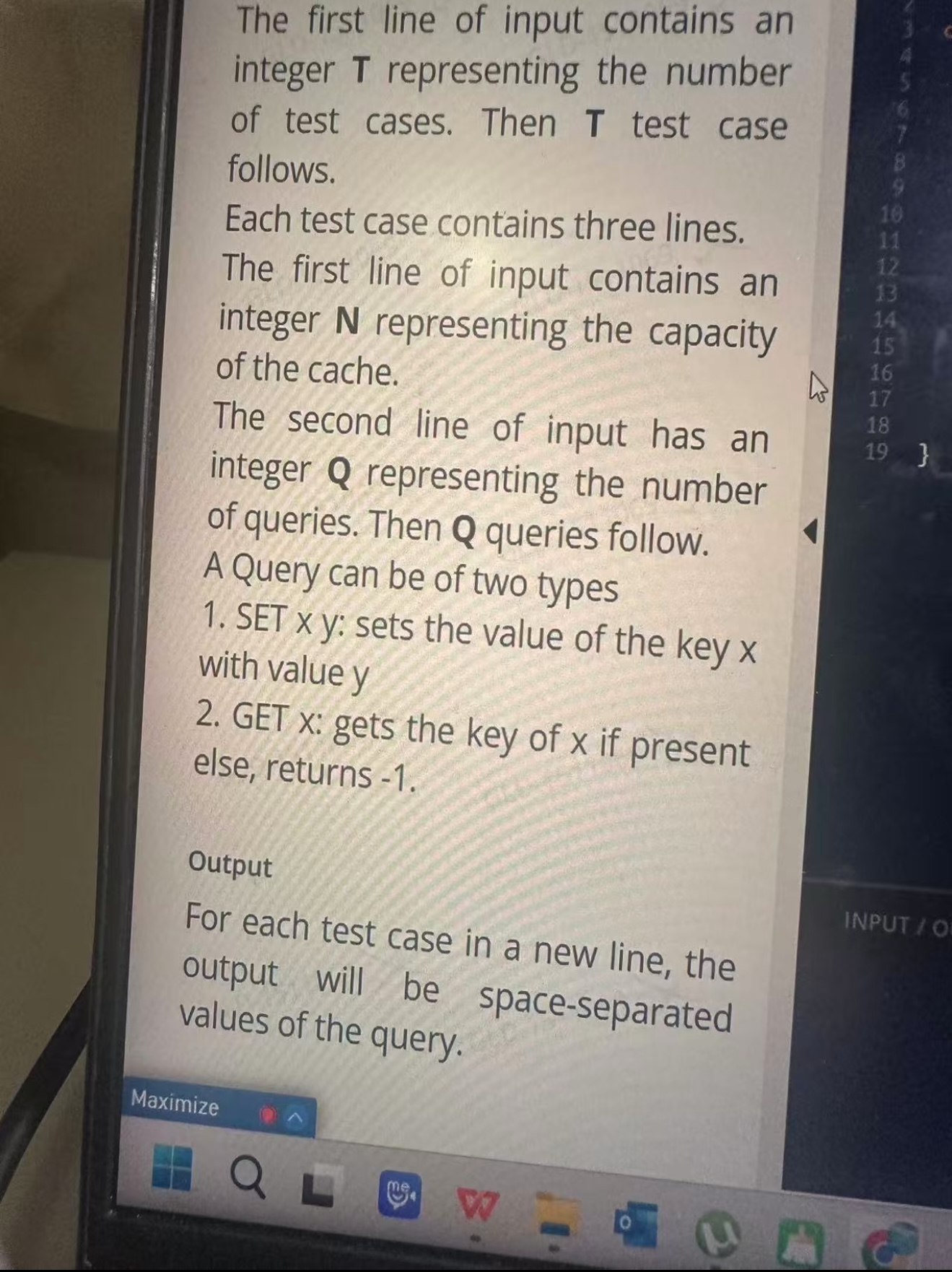
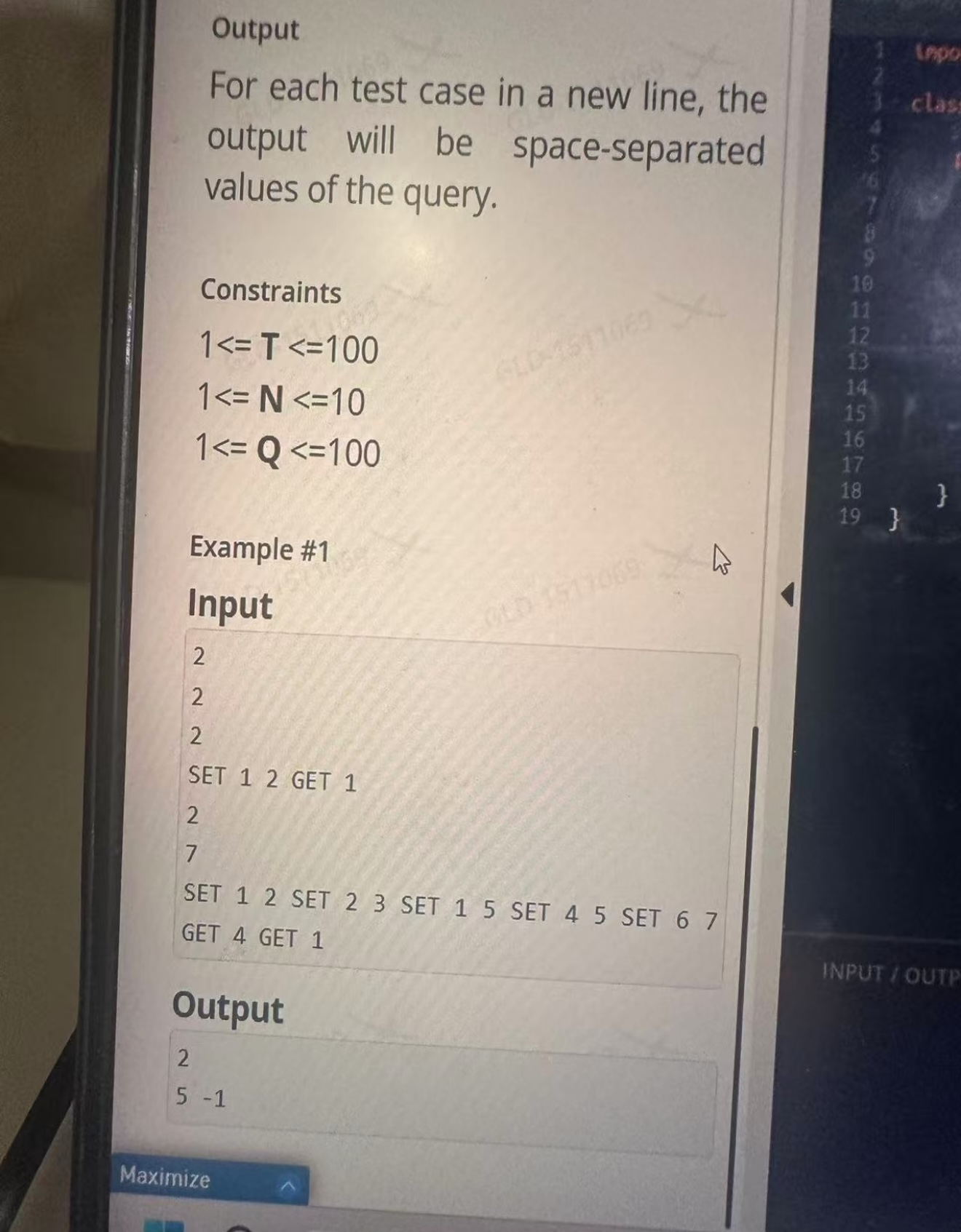
Intuit HackerRank OA Format
Test Structure
In terms of difficulty, I’d say they were around LeetCode Easy to Medium. Here is the email I received before the interview:
Sign Up to See Assessment Details: Once you register in the Uptime Crew portal, you will see the full details and structure of the technical assessment. This is a multistage process where you must pass one stage to advance to the next. The portal will guide you through each step, which includes:
• Coding Challenge | 90 minutes
• 1:1 Technical Interview with an Uptime Crew recruiter | 30 minutes
• A Build Challenge (take-home assignment) | 2 - 4 hours
• A final 1:1 Tech Screen to review your build | 30 minutes
Question Types
The intuit hackerrank oa covered a wide range of topics. I saw questions about data structures, algorithms, databases, SQL, operating systems, and computer networks. Practicing with arrays, linked lists, trees, graphs, dynamic programming, greedy algorithms, and backtracking gave me an edge.
Evaluation Criteria
I learned that Intuit looks for more than just correct answers. Here’s what they focus on:
Criteria | Description |
|---|---|
Coding Skills | Can I write logic independently and handle programming tasks? |
Code Robustness | Does my code handle edge cases and stay reliable? |
Attention to Detail | Did I implement solutions carefully, especially with strings? |
Debugging Ability | Am I consistent in debugging and closing logical loops? |
Understanding these criteria helped me tailor my answers and boost my confidence during the test.
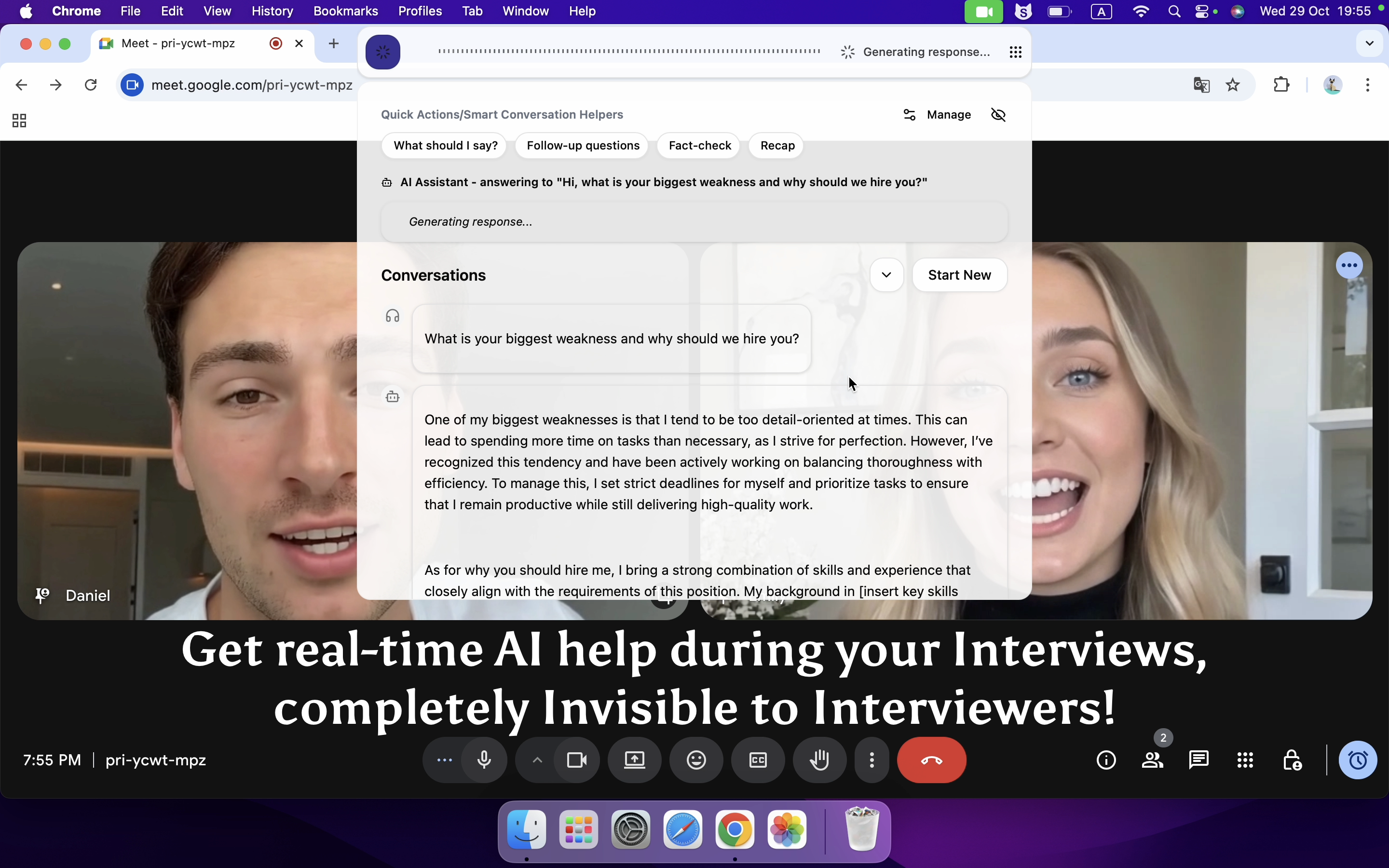
Intuit HackerRank Test Preparation Strategy
Study Resources
When I started preparing for the intuit hackerrank oa, I wanted to make sure I used the best resources. I tried a lot of platforms, but a few stood out for me. Here’s a quick table of the ones I found most helpful:
Resource | Description |
|---|---|
LeetCode | My go-to for coding problems and mock interviews. |
HackerRank | Perfect for practicing in the actual test format. |
GeeksforGeeks | A valuable resource for interview preparation. |
I also used YouTube for quick explanations and joined Discord groups to discuss tricky problems. These resources helped me cover all the important topics and kept my practice sessions interesting.
Before the interview, I did some research on what kind of questions to expect on HackerRank, so I looked into some related interview experiences—things like the JPMorgan HackerRank OA and Microsoft HackerRank tests.
Study Plan
I realized early that a good plan made all the difference. I broke my prep into weekly goals and daily tasks. Here’s how I structured my study plan:
Week 1: Focused on arrays, strings, and basic algorithms. I solved at least five problems each day.
Week 2: Moved to linked lists, trees, and hash maps. I reviewed concepts and practiced two medium-level problems daily.
Week 3: Tackled graphs, dynamic programming, and SQL. I spent extra time on topics I found tough.
Week 4: Took full-length mock tests using AI tools and reviewed my mistakes. I made sure to simulate real test conditions.
Tip: I always prioritized topics that showed up most often in coding interviews, like arrays, strings, and trees. I kept a notebook to track which topics I struggled with and revisited them every weekend.
Practice Methods
I learned that how I practiced mattered just as much as what I practiced. Here’s what worked best for me:
I listened carefully to each problem and took notes to avoid missing details.
I asked myself clarifying questions, like “What are the input constraints?” or “How should I handle edge cases?”
I worked through simple examples before jumping into code.
I thought aloud, explaining my approach as if I was teaching someone else.
I compared different solutions and discussed their pros and cons.
I always practiced on platforms like LeetCode and HackerRank under timed conditions. This helped me get used to the pressure of the real test. I focused on common data structures and algorithms, especially arrays, hash maps, trees, and sorting.
After solving a problem, I reviewed my code for edge cases and tested it thoroughly. If I got stuck or failed a question, I followed a simple review process:
Step | Description |
|---|---|
Restate the problem | I rephrased the problem in my own words to make sure I understood. |
Determine inputs and outputs | I clarified what my code needed to handle. |
Recognize standard patterns | I looked for familiar scenarios like graph traversal. |
Write a quick plan | I outlined my approach or wrote pseudocode. |
Dry run | I tested my solution with sample cases to check my logic. |
Note: Writing clean, readable code and adding comments helped me spot mistakes faster. I also made it a habit to communicate my thought process clearly, which boosted my confidence during the actual test.
By following this strategy, I felt ready and calm when I faced the real assessment. Consistent practice and honest review of my mistakes made all the difference.
How to Solve Coding Questions in Intuit HackerRank OA
Coding Approach
When I started each problem, I used a few simple strategies that made a big difference. Here’s what worked for me:
I broke my code into small parts and tested each one. For example, I printed out lists after sorting to check if they looked right.
I tried to find the core math or logic behind the problem. If I needed to find the maximum value, I looked for the smallest limiting factor.
I practiced specific question types, like event processing and optimization. I focused on sorting with multiple conditions and tracking changes over time.
This approach helped me stay organized and avoid getting lost in complex logic.
Time Management
Managing time during the intuit hackerrank oa felt tricky at first. I used a few techniques to stay on track:
Technique | Description |
|---|---|
Read All Questions First | I scanned both questions to spot the easier one and started with that. |
Allocate Time | I split my time based on how hard each problem looked. |
Don’t Overthink | If I got stuck, I moved on and came back later. |
Submit Before Deadline | I always submitted a few minutes early to avoid last-minute issues. |
Pro Tip | I aimed to solve both questions correctly instead of rushing through all. |
I learned not to spend too long on one detail or overthink a single part.
Handling Difficult Problems
Sometimes, a question just felt impossible. Here’s what I did:
I spent a few minutes planning before I wrote any code.
If I stayed stuck for more than 15 minutes, I switched to the other problem.
I always checked for edge cases and weird inputs.
When nerves kicked in, I reminded myself to talk through my logic. This helped me catch mistakes and explain my solution clearly.
By following these steps, I felt more confident and ready for anything the test threw at me.
Mistakes to Avoid in Intuit HackerRank OA
Common Pitfalls
I made plenty of mistakes before I finally cracked the Intuit HackerRank OA. Some of them almost cost me my chance. Here are the most common pitfalls I noticed—both from my own experience and from talking to others:
Relying on code from AI tools like ChatGPT or GitHub Copilot without really understanding it. I saw friends do this, and their solutions looked good on the surface but fell apart when tested with tricky cases.
Trying to get outside help or even hiring someone else to take the test. This might seem tempting, but it can ruin your credibility and lead to bigger problems down the road.
Ignoring edge cases or not reading the question carefully. I used to rush in and miss small details that made a big difference.
Spending too much time on one problem and running out of time for the second question.
Forgetting to test code with different inputs, which led to bugs I could have caught early.
Tip: Always write code you understand. If you can’t explain your solution out loud, you probably need to review it.
Overcoming Challenges
I faced a lot of challenges during my prep and the actual test. Here’s how I tackled them:
I made sure to practice the types of questions that usually show up in the OA. This helped me feel ready for anything.
I split my time wisely between questions. I set mini-deadlines for myself so I wouldn’t get stuck.
I developed a step-by-step approach for each problem. First, I broke down the question. Next, I wrote a plan. Then, I coded and tested as I went.
When I felt stuck, I took a deep breath and reminded myself to focus on the process, not just the answer. That mindset shift made a huge difference for me.
Final Tips and Next Steps after Intuit HackerRank OA
Last-Minute Advice
I always remind myself to stay calm before the test. I check my setup and make sure my laptop works well. I keep water nearby and avoid distractions. Here are a few last-minute tips that helped me:
Review your notebook with tricky topics and common mistakes.
Practice one or two easy problems to warm up your mind.
Read each question slowly and highlight key points.
Test your code with edge cases, even if you feel rushed.
Submit your answers a few minutes early. This prevents panic if something goes wrong.
Note: I never cram new topics right before the test. I focus on what I already know and trust my preparation.
Mindset and After the OA
A positive mindset changed everything for me. I learned to treat each challenge as a chance to grow. Here’s what I noticed during coding assessments:
I became more resilient when I faced tough bugs.
I improved my system-level thinking by discussing project architecture.
I learned practical skills by optimizing queries.
I built better communication and collaboration by handling disagreements with teammates.
I stayed curious and open to new technologies.
FAQ
How did I handle nerves before the OA?
I took deep breaths and reminded myself that practice prepared me. I focused on the process, not the outcome. Staying calm helped me think clearly.
What if I get stuck on a coding question?
I pause and break the problem into smaller steps. If I still feel stuck, I switch to the other question. I always come back with fresh ideas.
Can I use online resources during the test?
I never used outside help during the OA. I relied on my own knowledge and practice. This kept my answers honest and built real confidence.
See Also
2026 Update: My Stripe HackerRank Online Assessment Questions
2026 Nvidia HackerRank Test: Questions I Got and How I Passed
My IBM 2026 HackerRank Assessment: Real Questions & Insights
Questions I Encountered in 2026 Goldman Sachs HackerRank Test
Why People Choose Linkjob AI
Smoother interviews, coding challenges cleared, and job offers landed. See how users describe their experience with Linkjob AI—in their own words.