How I Bypassed Sherlock AI's Detection in My 2026 Interview


To be honest, when I first heard that the interview would use a detection tool called Sherlock AI, I didn't really know what to expect. Apparently, it can detect Cluely and Interview Coder.
Luckily, based on my experience, Linkjob AI still works well against its detection tools. So, yes, I've figured out how to get around the Sherlock AI interview. I didn’t just get lucky; I used proven methods that work.
I practiced with my AI interview assistant before my interview and memorized the best answers.
I combined my own thinking with the answers provided by the AI real-time assistant instead of just copying them.
I always make eye contact with the interviewer, and I never use pasted content from AI during coding interviews.
These tricks helped me slip past Sherlock AI’s cheating detection, but I learned there are risks, too.
If the interview platform you're using is connected to other platforms, I'd also recommend checking out my articles on How to Cheat on CoderPad and How to Cheat on Codersignal.
Sherlock AI Interview Cheating Detection
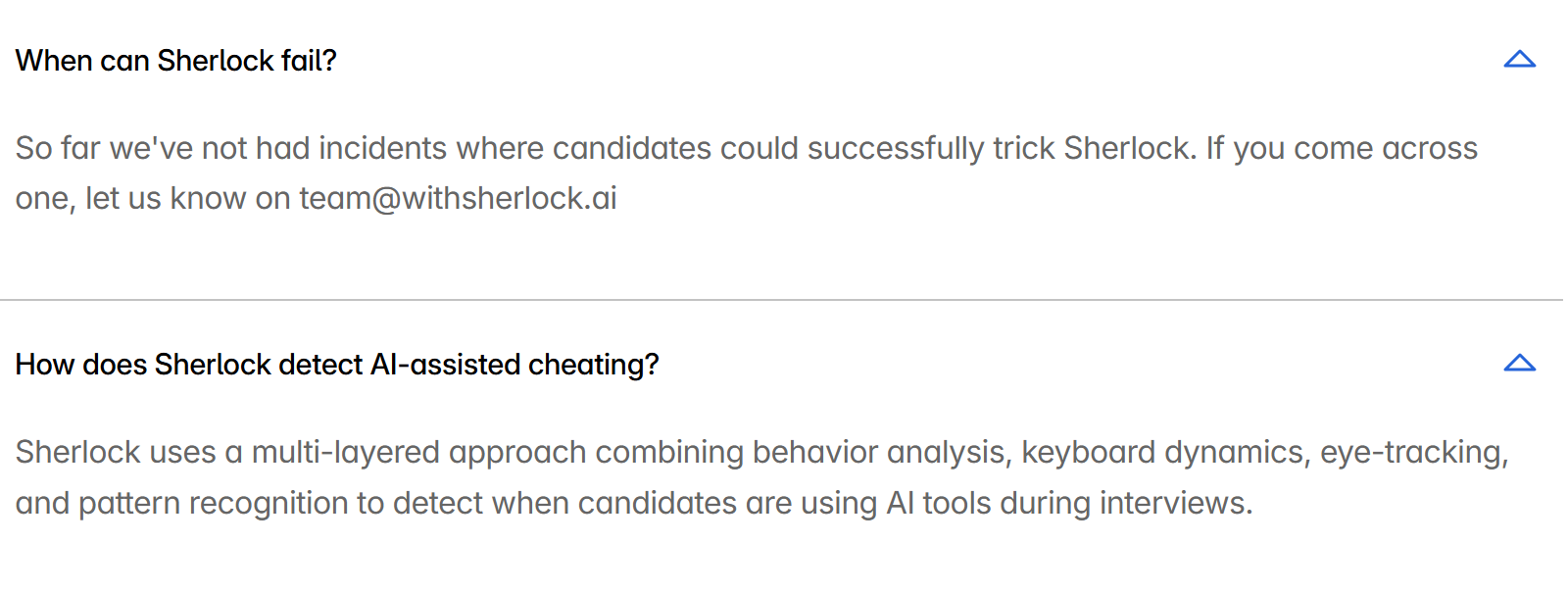
When I started planning how to cheat on Sherlock AI interview, I realized Sherlock AI uses several layers of detection. The platform hasn't given much detail on how it's stopping cheating, but I've still found some clues in the small print. For example, in the FAQ below, Sherlock AI mentions that it keeps an eye on behavioural patterns, keyboard activity, eye movements, and interview logic.
Let me break down what I learned about their system and how it works in real time.
Behavioral Analysis
Sherlock AI watches every move during the interview. It tracks eye movement, response timing, and even changes in how you speak. I noticed the system looks for signs like sudden shifts in focus or delayed answers. Here’s a quick table showing the main behavioral cues Sherlock AI monitors:
Behavioral Cue | What It Means |
|---|---|
Eye movement | Looks for distraction or checking another device |
Response timing | Detects unnatural pauses or delays |
Communication style changes | Flags sudden shifts in tone or vocabulary |
Behavioral inconsistencies | Finds mismatches between what you say and how you act |
I found that well-trained systems combine these signals to spot clear cheating. Subtle methods, like background app monitoring, help balance accuracy and privacy. Sherlock AI’s behavioral analysis feels pretty advanced, but it’s not impossible to fool if you know what to expect.
Voice and Speech Monitoring
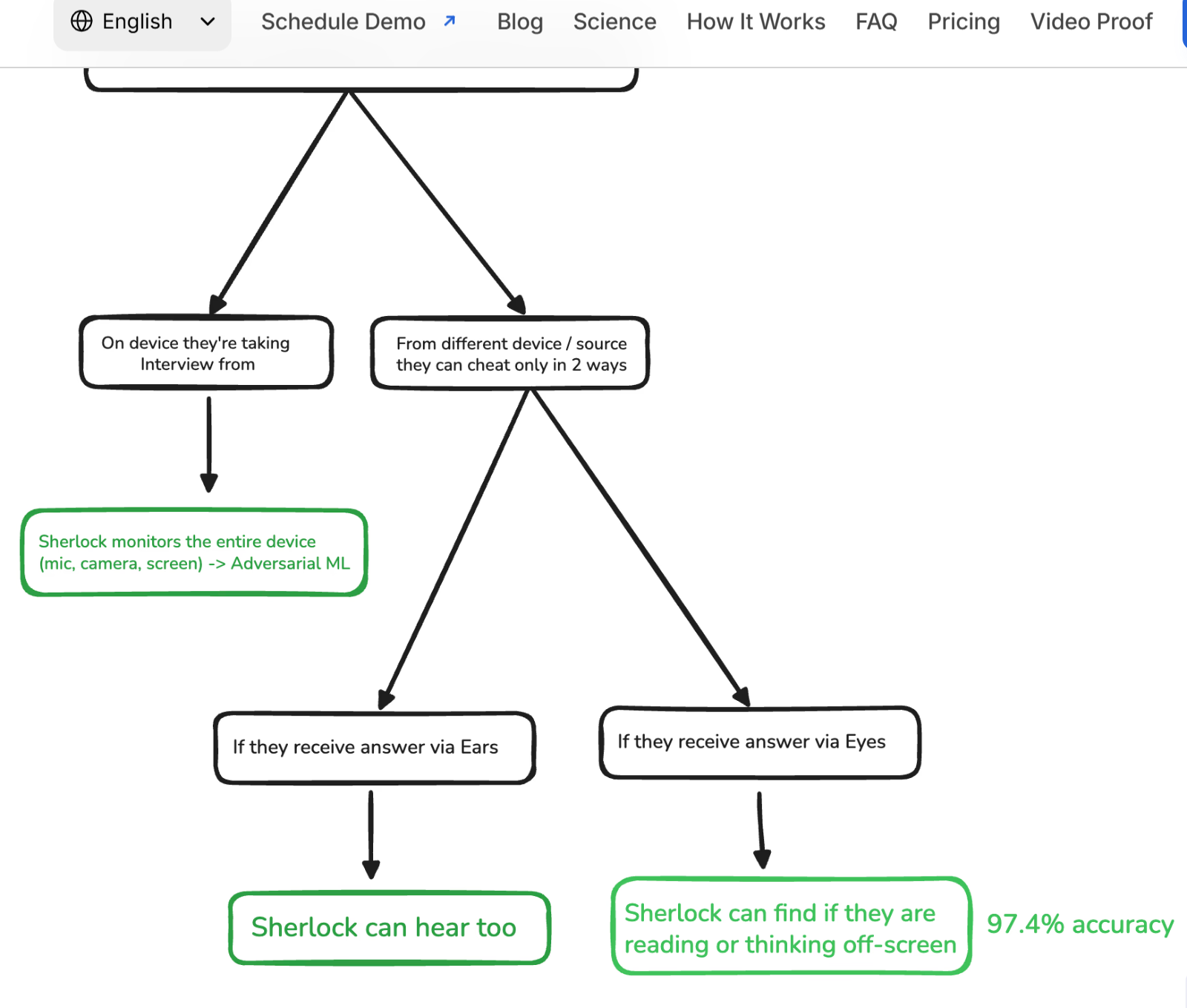
Sherlock AI listens closely. It checks for voice patterns that don’t match your usual style. If you use a voice changer or read answers from another source, the AI can pick up on unnatural pauses, echoes, or sudden changes in fluency. The system also looks for mismatches between your spoken words and your body language.
Delayed responses or odd pauses can signal external help.
Sudden changes in technical vocabulary may raise flags.
Environment Checks
Sherlock AI scans interviewees' surroundings and device activity in real time. It tracks your microphone, camera, and screen to spot unauthorized devices or helpers. The AI uses a multimodal approach, analyzing audio, video, and device behavior. I made sure my interview space was clean and free from distractions. Sherlock AI can detect hidden devices or extra participants, so I kept my setup simple and transparent.
Sherlock AI’s real-time monitoring makes cheating tough, but understanding these methods helped me plan my approach.
How to Cheat on Sherlock AI Interview: Preparation
Researching Detection Patterns
Before I even thought about how to cheat on sherlock ai interview, I spent time digging into the latest detection algorithms. I checked online forums, research papers, and tech blogs.
One resource stood out—a recent study on MAD-Sherlock, which uses multi-agent debate for visual misinformation detection. This algorithm keeps getting updates and now covers video-text and multilingual inputs.
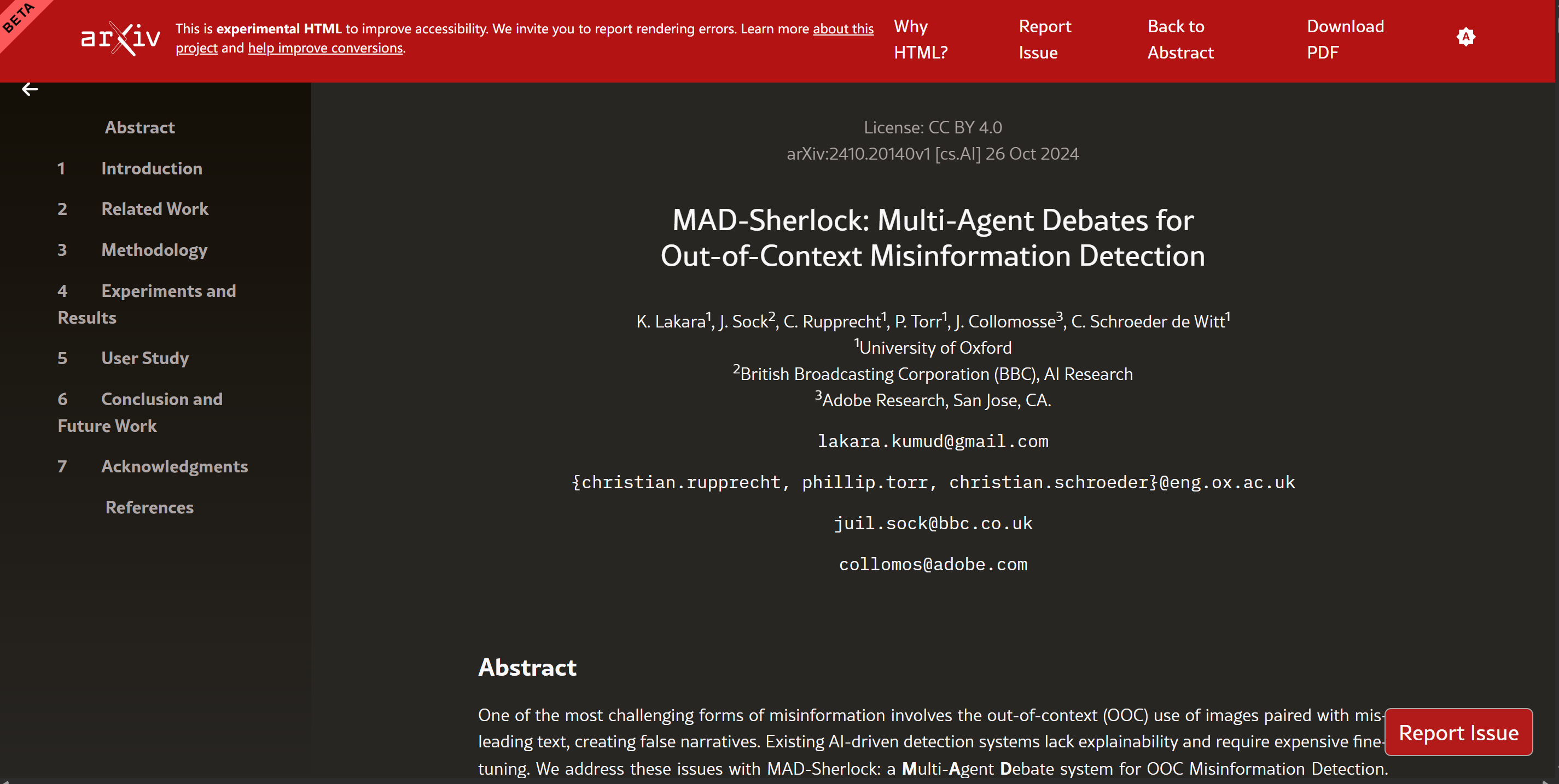
I made a quick table to organize what I found:
Aspect | Details |
|---|---|
Algorithm Name | MAD-Sherlock |
Focus | Visual Misinformation Detection |
Key Features | Evidence-based explanations, external retrieval module |
Performance | Improved out-of-context detection |
Source | arXiv research paper |
I kept up with news about Sherlock AI’s upgrades. Staying informed helped me predict what the system would look for during my interview.
Setting Up Your Interview Space
I knew my environment mattered. I cleared my desk and removed anything that could distract me or trigger detection. I checked my camera angle and lighting. I made sure no extra devices were visible. I tested my microphone and webcam to avoid technical glitches. I kept my workspace simple and clean. This helped me stay focused and reduced the risk of Sherlock AI flagging my setup.
Selecting Tools and Helpers
I wanted to use tools that would help me without drawing attention. I looked at small audio devices, stealth controls, and secondary devices. Here’s a quick overview:
Tool/Method | Description |
|---|---|
Audio Devices | Earbuds or bone-conduction headphones for discreet AI responses |
Stealth Controls | Keyboard, global shortcuts for silent AI interaction |
I learned that the effectiveness of these tools depends on how well you blend them into your routine. Some tools focus on behavioral analysis, while others rely on more invasive monitoring.
Tools and Real-Time Strategies to Cheat on Sherlock AI Interview
Mimicking Natural Behavior
Sherlock AI looks for anything that seems off, so I practiced my body language and facial expressions in front of a webcam.
The AI tool I use, Linkjob AI, offers real-time support during interviews and can also be used for mock interviews. It's been a massive help at different stages of the process, like practice sessions.
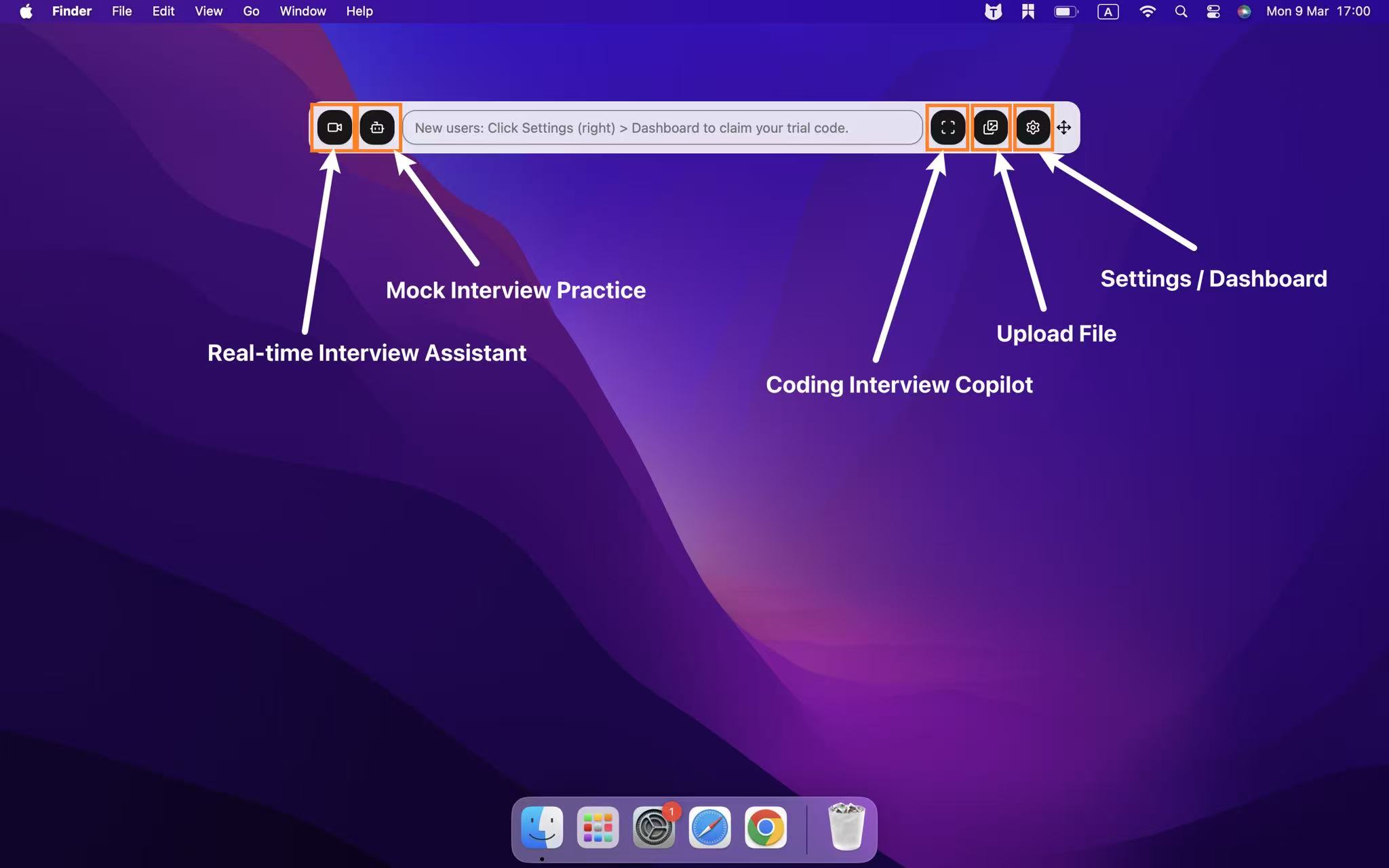
During the mock and real interviews, I made sure to keep my eyes on the screen, not darting around or glancing at another device. I also kept my hands visible and avoided fidgeting.
Here’s what worked for me:
I rehearsed my answers until I could say them smoothly, without sounding robotic.
I timed my responses to match a normal conversation pace.
I smiled and nodded occasionally, just like I would in a real interview.
Tip: If you act too perfect or too stiff, Sherlock AI might flag you. Relax and let your personality show.
Managing Voice and Speech
Sherlock AI pays close attention to how you speak. I learned that reading answers word-for-word sounds unnatural, so I mixed up my phrasing each time.
I also avoided long pauses or sudden changes in my speaking style. When I needed to buy time, I used filler phrases like “That’s a great question” or “Let me think for a second.” This gave me a moment to check my notes or get help from my second device.
I also made sure my voice stayed steady. I practiced speaking clearly and at a consistent volume. If I stumbled over a word, I just kept going instead of stopping to correct myself. This made my answers sound more genuine.
Here’s a quick checklist I followed:
Vary your tone and pace to sound natural.
Use filler phrases to cover short pauses.
Avoid reading directly from notes or a screen.
Concealing AI Assistance By Utilizing Linkjob AI
One of the biggest challenges in how to cheat on sherlock ai interview is hiding any outside help. I found that the key was to blend AI-generated answers into my own words.
Sherlock AI says it can check the external process, and it does show this in the interview and post-interview summaries. But I've found a workaround: Linkjob AI helps me a lot.
Just open Linkjob AI in the background and you won't find a trace of Sherlock AI. You can't even find it in the task management tool or the Docker tab either.
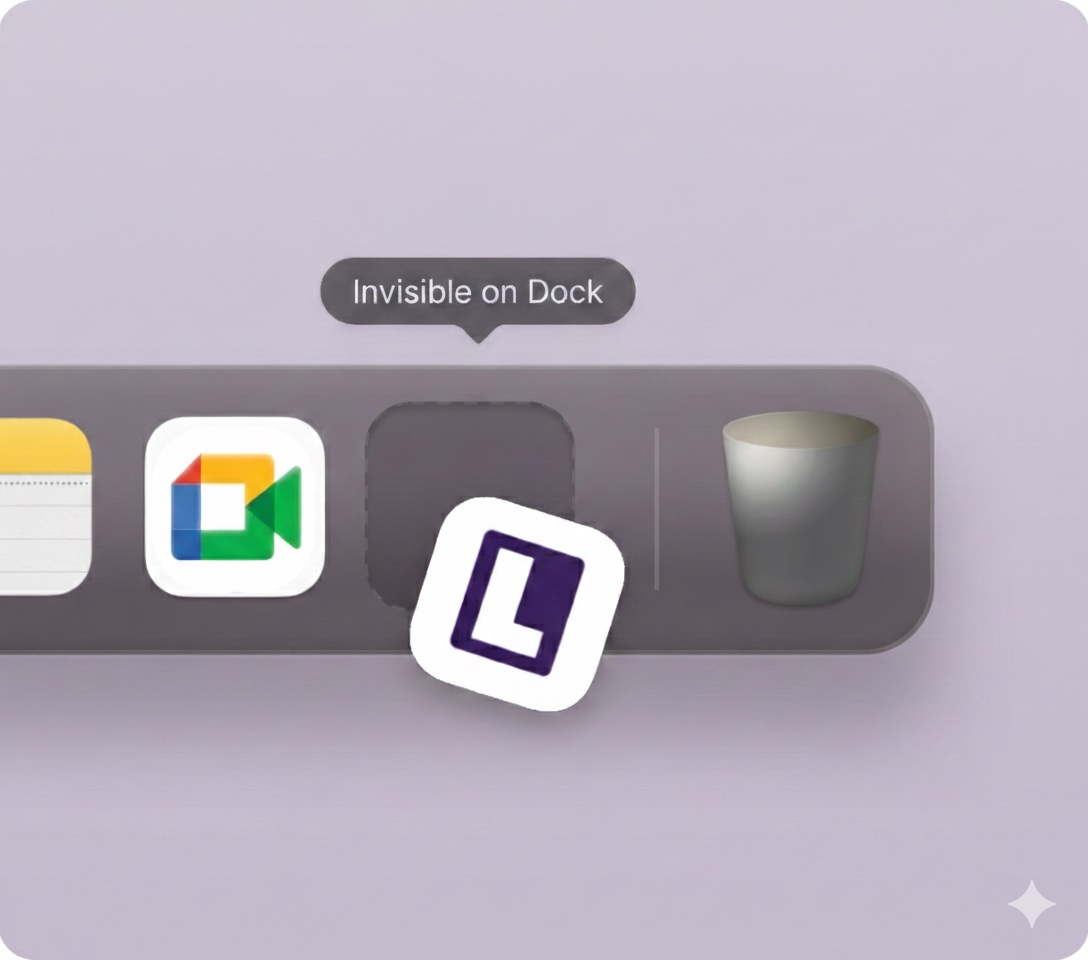
But when it comes to handling a live interview, some natural tweaks are needed. I played around with the transparency of the AI text overlay and positioned it below the camera to make my eye movements look natural. At times, it even seems like I'm making eye contact with the interviewer.
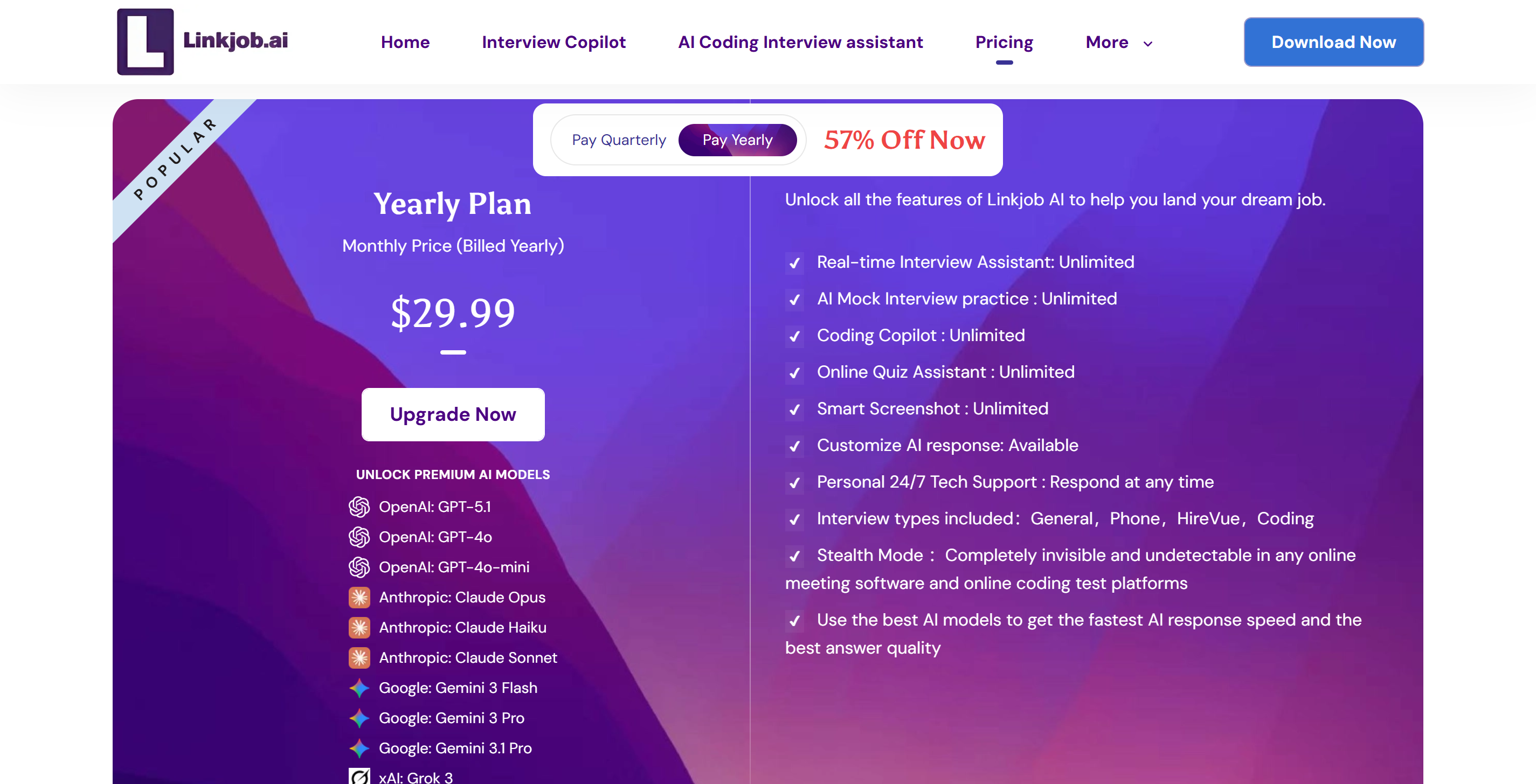
I also thought about advanced AI models. Linkjob AI has some of the latest and most reliable models to help minimise the risk of templated answers during interviews. It provides GPT 5.1, Claude Opus, and Gemini 3 Flash and 3 Pro. I also write my own custom prompts in advance, prepare various relevant stories, and then the AI links them to my CV.
It takes a bit of time to explore Linkjob AI, but the help it provides is definitely worth the effort.
Risks and How to Avoid Getting Caught While Cheating on Sherlock AI Interview
Consequences of Detection
Getting caught by Sherlock AI is no joke. I saw what happened to others who tried to cheat and failed. The system can flag your interview for review. Sometimes, you get an instant rejection. Other times, the company might blacklist you from future applications. In some cases, they even share your name with other employers. That can ruin your reputation before you even start your career.
Backup Plans
I knew things could go wrong. I always had a backup plan. If Sherlock AI flagged me, I prepared a story about technical issues or nerves. I practiced staying calm if the interview paused for a review. I also kept a clean version of my resume ready, just in case I needed to reapply somewhere else.
Here’s my quick backup checklist:
Prepare a believable excuse for delays or odd behavior.
Stay calm if you get questioned.
Have your documents ready for a new application.
FAQ
How did I practice sounding natural during the interview?
I recorded myself answering questions. I watched the videos and fixed anything that looked or sounded fake. I also asked a friend to give feedback. This helped me relax and act more like myself.
Can Sherlock AI detect if I use a second device?
Yes, Sherlock AI can spot extra devices if you are not careful. I kept my second device out of camera view and made sure I did not look away too often. I also muted notifications to avoid strange sounds.
What should I do if Sherlock AI flags my interview?
I stay calm and explain any delays as technical issues or nerves. I keep a backup story ready. If things go wrong, I move on and try again somewhere else. Stressing out only makes things worse.
See Also
Navigating AI Assistance During My Webex Interview Experience
Using AI to Outsmart TestGorilla: Insights for 2026
Employing AI in Google Meet Interviews Undetected: A Guide
© Copyright 2025 linkjob.ai - All Rights Reserved.