How to Get Invisible AI Help for Lockdown: What Really Works

The motivation behind cheating on a lockdown browser makes sense — grades have direct impacts, and it can feel like everyone else knows some “trick" to bypass it. I’ve personally looked into the most widespread methods, driven by both curiosity and desperation.
Here is the reality: most of them will get you caught almost immediately and the consequences reach far beyond a failing grade. Here's what I actually saw:
Penalty Type | Description |
|---|---|
Test Invalidation | The exam attempt is voided due to technical issues or minor irregularities; the student may be required to rewrite within 72 hours and accept the lower of the two grades. |
Zero on Exam | The student receives a score of 0 for the test. This is the standard minimum penalty for confirmed academic misconduct. |
Academic Record Note | A formal notation of misconduct is placed on the student's internal file or academic record, which serves as a warning for any future offenses. |
Suspension or Expulsion | Temporary or permanent removal from the institution. These are reserved for repeated offenses or particularly "dramatic" violations of integrity. |
I highly recommend checking out Linkjob.ai — it's a real-time, secure, discreet, and efficient AI interview assistant. It stands out among similar products in the tech and interview space. It can help you bypass detection and generate personalized coding answers on the fly, which can really ease interview anxiety.
I’ll share specific details in real-world cases so you can decide for yourself whether the risk is worth it and what the safest method is.
My Lockdown Cheat Experiment
Why I Tested Lockdown Cheats
I did not mean to cheat on lockdown exams. It just doesn't feel neutral when taking online proctoring exams. It feels watched and observed. I believe there is a way to bypass this. What I started noticing, though, was the moments when professors graded inconsistently, or even built an exam that felt designed to fail you rather than assess you. And once that shift happens, I see the whole thing differently. I am less likely to be part of the system, but more likely to be someone who probably would find gaps in it.
I am honestly curious about why so many smart and capable people feel so pushed toward online proctors. So I've decided to look into what actually gets tried and run tests on whether those methods are effective and won't lead to bad consequences.
How I Picked Methods to Try
I followed the same path most people would - Scrolling through forums, watching YouTube tutorials, and checking out Reddit threads where people share what “worked” and what didn’t.
At first, it seems random. But after a while, patterns started to repeat. Here’s what I paid attention to:
Methods that kept coming up across different platforms
Tricks that were repeatedly labeled as “undetectable”
Setups using extra devices, cheat on share screens, or with ai assistance
Anything that sounded a little too good to be true
I tried these not only because they were the most reliable, but because they revealed something deeper. These weren’t just strategies — they reflected what people want to believe: that with enough care and cleverness, you can stay invisible.
Setting Up for Each Attempt
Every lockdown cheat method came with its own setup. Nothing was as “instant” as it sounded online. It required planning, coordination, and a level of control that had nothing to do with the exam itself. Here’s what that usually looked like:
Reaching out to friends — or people who seemed more experienced — for advice
Scheduling the test around their availability, not mine
Installing and testing any required software days in advance
Making sure my ID, camera angle, and environment looked completely normal
If outside help was involved, practicing how to act natural on camera
Finishing the exam, then sitting with the uncertainty of whether it actually worked
Individually, none of this feels overwhelming.But together, it creates something else entirely. You’re not just preparing for an exam anymore. You’re preparing to manage a situation.
How Detection Works (Respondus LockDown Browser)
I used to think I could outsmart the system. I was wrong. Here’s how they catch you:
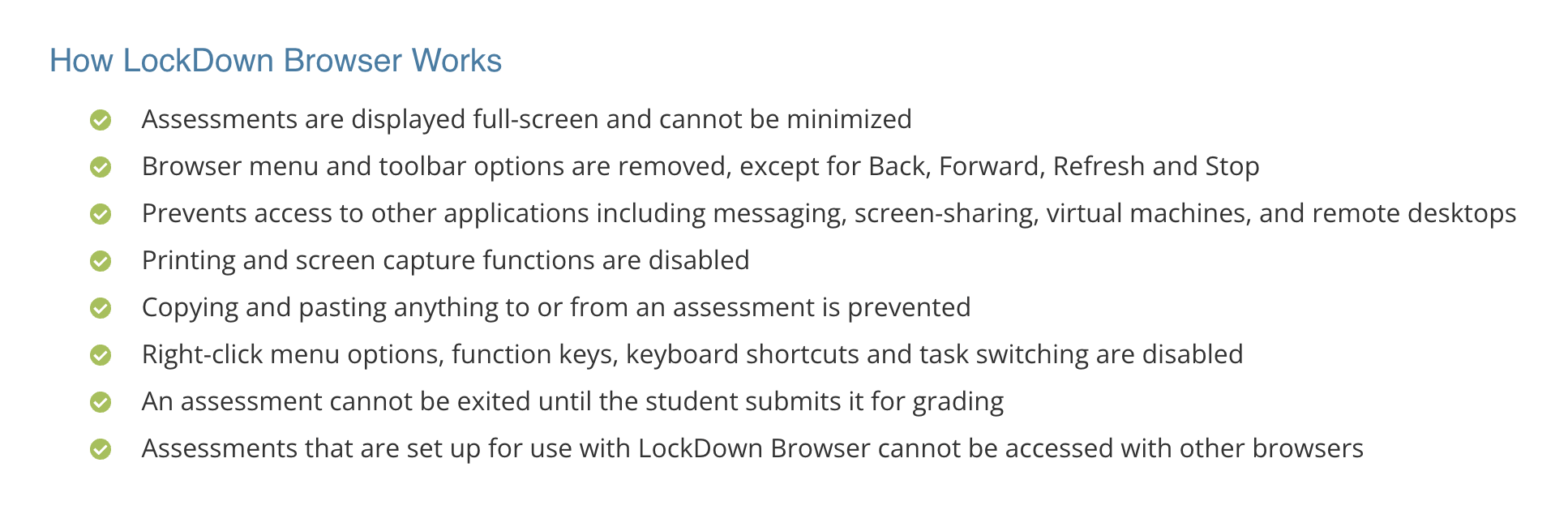
Application Scans: Scans for and prompts students to shut down prohibited programs like messaging, screen-sharing, or network monitors before starting.
Virtualization Checks: Detects active virtual machines and leftover VM device drivers or physical images created from VM images.
AI Behavioral Analysis: Uses algorithms to flag suspicious shifts in eye-gaze, body posture, or facial expressions during the exam.
Identity Persistence: Creates a facial template to verify student identity and ensure they remain in the video frame.
Emergency Override: Includes a "Proctor Exit" feature that allows instructors to bypass the lock with a password during technical freezes.
System-Level Blocks: Modifies local settings to disable the Windows Start button, system tray, and standard menu bars
What Actually Works (If Anything)
Successful Lockdown Cheats
I’ll be honest — most tricks failed or got flagged. Still, a few methods slipped through, but only under very rare conditions. For example, using handwritten notes just outside the webcam’s view worked once when the proctoring AI wasn’t strict. I also heard about students who used custom software or advanced virtual machines, but these required hardcore technical skills.
If you’re not a tech expert, these methods usually failed. Even if something works now, there’s no guarantee it will work next time.
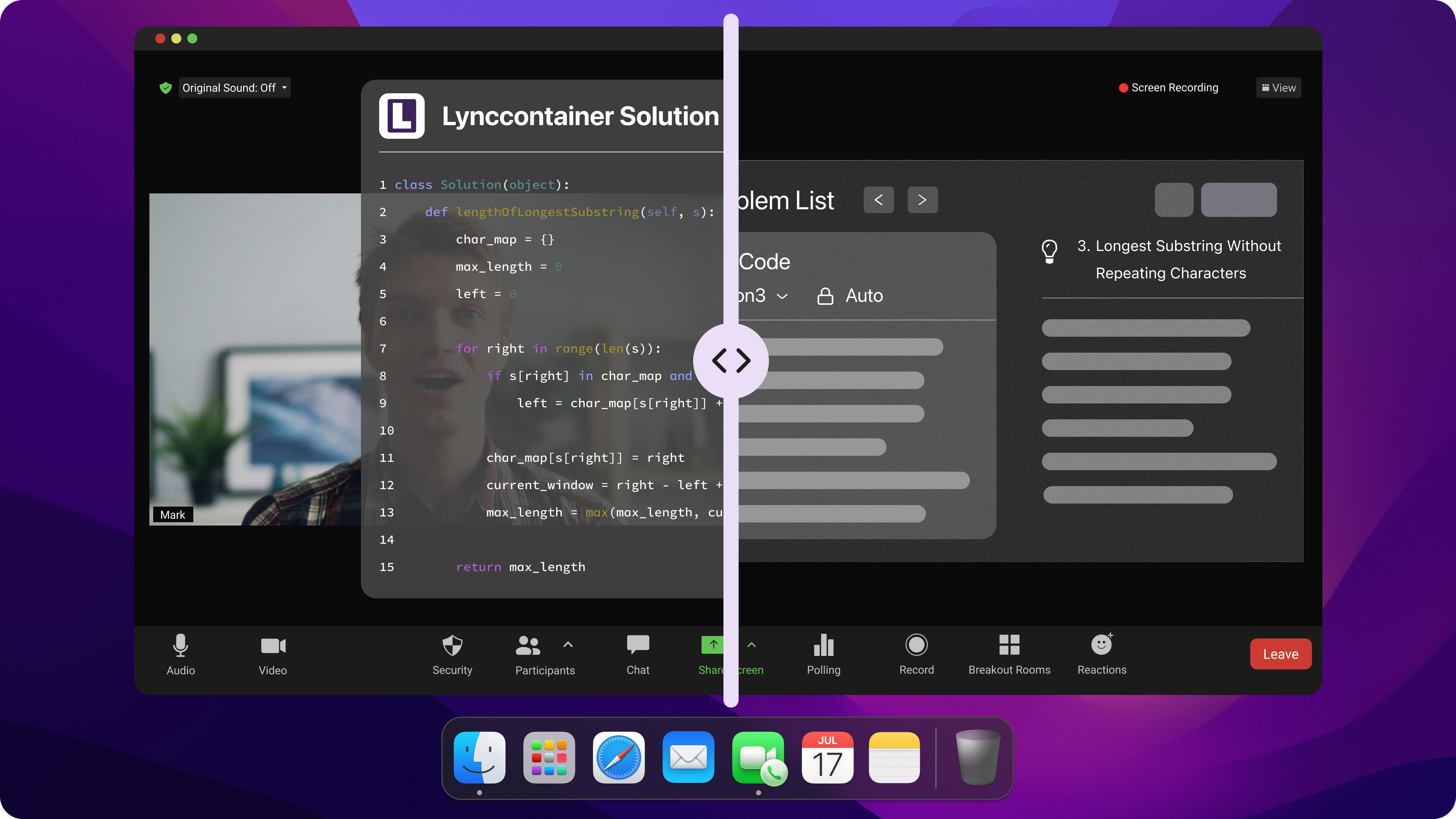
Most “successful” cheats needed the software to be run in the background and undetectable. I personally find out the best way to cheat Lockdown Browser is using linkjob.ai, an invisible AI assistant that could help you outperform in lockdown exams. I personally find it useful in these areas:
Real-time AI Helper: Everything you need to ace your online exam — in real time, completely hidden. During online exams, our AI could view your current screen and analyze it to instantly generate answers — with ultra-low latency and no noticeable delay.
Completely Invisible. It stays fully hidden during screen sharing, tab detection, and webcam monitoring. No Dock icon, no Menu Bar entry, no trace in Activity Monitor or Task Manager. The cursor is invisible; the hotkeys are undetectable
High-Quality Answers Backed by 80+ leading AI models including GPT-5.1 and Claude Opus, the assistant delivers accurate, context-aware responses tailored to your questions. You can even edit prompts in system settings and then feed & DIY your own prompts for your exam.
Is Cheating Ever Worth It?
The shift toward remote learning has normalized Artificial Intelligence Proctoring Services, yet this transition raises profound legal and ethical concerns regarding student rights. Lockdown browsers often mandate "room scans," requiring us to provide a video view of our private homes, a practice recently ruled an unconstitutional search by a federal judge.
The justification for using such invasive technology is framed as a necessary measure to prevent cheating, but it creates several systemic issues, such as invasion of Privacy and Surveillance, Economic Inequality and Performance Penalties, The Digital Divide, and algorithmic bias.
The truth is, these proctoring tools are intrusive, inconsistent, and deeply unfair from the start. They invade our privacy, judge us through flawed algorithms, and punish students for circumstances beyond their control. When the system itself bends ethics and stretches boundaries just to police us, it only makes sense to push back within reasonable limits. I don’t think it’s wrong to use small, subtle tricks to level the playing field. If schools keep leaning on invasive, unjust surveillance instead of trust and fairness, a little pushback is only human.
Lockdown Cheat Methods and Results
Using a Second Device (Phone or Tablet)
I started with the classic move: using a phone or tablet to look up answers. Overall, it feels separate, untouchable, and outside the system. Also, the separation creates a new problem - split attention. And this inconsistency is easier to notice than people think.
I tested this by placing my phone just out of webcam view and tried to Google questions while taking the test. At first, this genuinely felt like the easiest lockdown cheat I'd seen people online claim worked for them, and it looked low-risk. But here’s what actually happened under LockDown Browser and its proctoring system:
Evidence Type | Description |
|---|---|
Challenges | Using a second device is often ineffective due to advanced monitoring signals, even if the device itself is off-camera. |
Hardware Vulnerability | Even indirect setups (like off-screen phone use or external assist devices) can create detectable behavioral inconsistencies. |
Real-World Failure | Isolated tests may succeed, but combined browser and AI layers lead to failures under proctoring conditions. |
The issue wasn’t just visibility but behavior itself. The webcam tracked my eye movements. Lockdown Browser flagged me for looking away too often, and soon, a live human proctor intervened and asked me to put away the phone nearby. After the exam. I got a warning email from my instructor about “suspicious behavior.” A quick glance at a second device might feel harmless in the moment, but under proctoring conditions, the system isn’t relying on a single signal. It’s building a pattern of behavior. And patterns are what get flagged — not isolated actions.
Multiple Monitors and External Screens
It is intuitive that more screens feel like more control. However, in reality, they create more variables that would be detected by the LockDown Browser. Specifically, I plugged in an extra screen and tried to open notes on one while taking the test on the other. The LockDown Browser caught me right away.
LockDown Browser can identify if multiple monitors are in use.
A warning message pops up if a second monitor is detected.
The exam will not start until you disconnect the extra screen.
I learned that this method is almost impossible now. The browser checks your hardware before the test even begins. Even if you try to “ignore” the second screen or keep it unused, the environment still treats it as a variable. Because in proctored systems, variables are the problem. The logic is simple: more screens don’t create more freedom. This lockdown cheat is popular, but it rarely works anymore.
Screen Sharing and Remote Help
I got creative and tried to get help from a friend. I set up a hidden video call and shared my screen. I also tested remote-access software like TeamViewer and ToDesk. Here’s what I found:
Using a virtual machine lets you run the lockdown browser in one window and do whatever you want in another. This sounds clever, but it’s risky. The browser can’t see outside its own environment, but it uses anti–VM technology to catch you. Some students use hidden video calls or install remote-access software. Others mirror their laptop screens to another device. However, these are constraints you cannot bypass:
The lockdown browser restricts you to a single, secure environment.
It forces any open screen-sharing apps to close before the exam starts.
I tried all these tricks. There will be a live human proctor would pop up if I did not close all applications except Chrome, and once I force–quit tools like TeamViewer or ToDesk, the attempt was done. Furthermore, when I tried getting help from my friend, the webcam caught me talking to someone off-screen. I got flagged for “background voices.” This lockdown cheat will be detected one hundred percent.
Browser Exploits and Extensions
I tried to step into about browser exploits and extensions that claim to bypass lockdown browsers. However, I quickly realized that it required real expertise in tech that goes far beyond my ability. This is just not something I could casually figure out on my own, and if I were to ask a tech professional for help, the expense would be beyond what I can afford. I hadn’t even started this lockdown cheat before I already had to admit it was a failure.
Faking Technical Issues
I tried faking a bad internet connection. I unplugged my router and pretended to freeze on camera, hoping it would buy me extra time or create an opportunity to look up answers. This Implementation lies on:
Students could actively simulate internet connectivity issues to disrupt monitoring.
This tactic can give you extra time or let you claim disconnection errors.
LockDown Browser needs a steady internet connection, so it’s vulnerable to this trick.
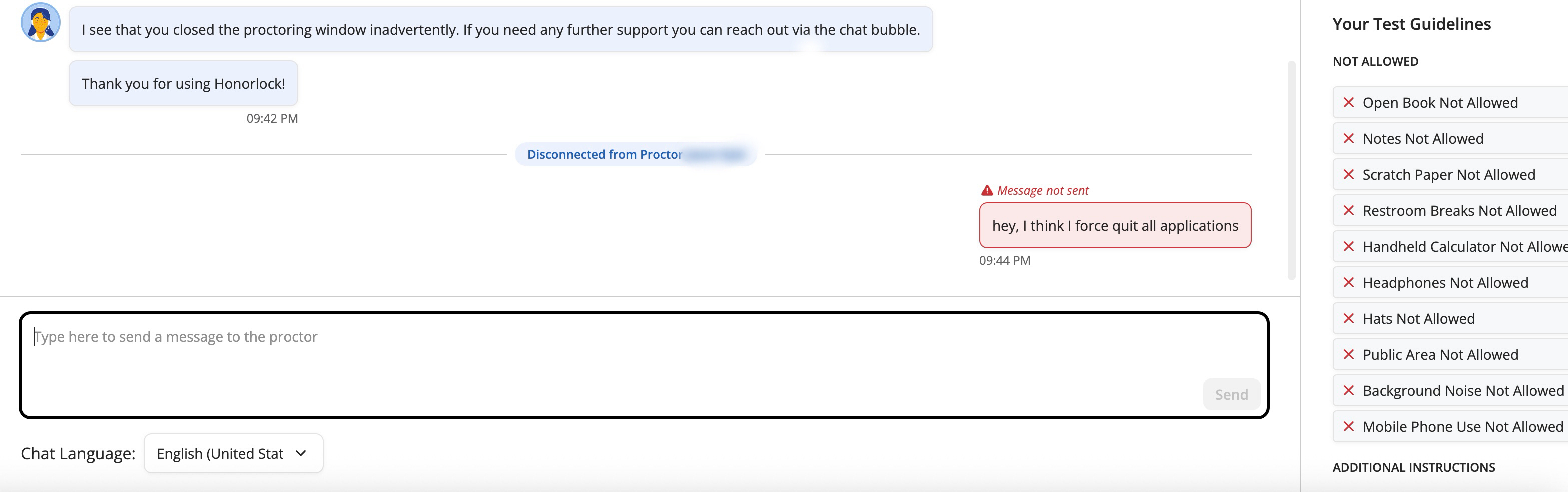
In my case, my exam paused immediately. Although the instructor allowed a restart, but Lockdown Browser system still flagged my session for “multiple disconnects.” I later had to explain myself in an email. Indeed, it didn’t help at all, because the questions were different each time I retook the exam. This method works in very rare situations, but it leaves a clear digital trail. Repeated use makes it pretty suspicious.
Other Common Lockdown Cheats
I found a range of other methods discussed online — less structured, but frequently repeated patterns of how people try to work around lockdown systems:
Cheating Method | Description |
|---|---|
Hiding Physical Notes | Notes, cheat sheets, or Post-its placed directly to the laptop screen or on nearby walls where they remind the student outside the webcam. |
Virtual Backgrounds | Using a pre-recorded video of the student acting normally as a virtual background (e.g., in Zoom) to mask current cheating activities. |
Collaborative Assistance | Having a person hidden in the room (e.g., under a desk or behind the laptop) who moves during room scans to stay out of sight while providing answers |
Impersonation | Hiring "expert" helpers to take the exam on the student's behalf, sometimes involving attempts to bypass facial recognition and ID verification |
Using "Bypasses" | Downloading specialized, undetectable AI interview tool or designed to bypass monitoring tools and allow unauthorized access to top-tier AI models |
My honest suggestion after trying out all these lockdown cheats is that having an invisible AI Interview assistant during a lockdown exam that constantly generates answers for the student's questions is indeed very convenient.
What Gets You Expelled
Detected Lockdown Cheats
I learned the hard way that some methods almost guarantee you’ll get caught. Here’s a quick table showing which tricks led to the most trouble for me and others:
Cheating Method | Failed reason |
|---|---|
Dual-Monitor and Alt+Tab Switching | Flagged by the Respondus Monitor AI for "gaze aversion" |
Virtual Machine | Detected the virtualization within seconds and refused to start; froze during webcam initialization |
Browser Extensions | automatically disable all extensions except the online proctoring add-ins |
Real Cases of Warnings and Expulsion
I saw real fallout from these choices. One friend attempting to take an exam in April found his account automatically banned by the Lockdown Browser. The proctoring stuff informed the instructor that its technical forensics showed the student had used unauthorized software during a previous exam in March.
The consequences of this case included:
Zero Grade: The professor immediately issued a grade of zero for the course based on the software's flag.
Official Warning and Reporting: The student was reported to the Dean of Students for a formal academic misconduct hearing.
Potential Expulsion: The dean and professor indicated that the final outcome of the hearing could lead to the student being "kicked out of the program" (expulsion).
After trying just about every lockdown “cheat,” it became clear most of them get flagged almost immediately. The few that occasionally slip through. Here’s what I learned:
Cheat Type | Usually Detected? | Risk Level |
|---|---|---|
Second Device | Sometimes | High |
Virtual Machine | Yes | Extreme |
Invisible AI assistance | No | Low |
Browser Extension | Yes | High |
Fake Tech Issues | Sometimes | High |
FAQ
Can I use a second device without getting caught?
I tried using my phone off-camera. The AI flagged me for looking away, and there is a human proctor popped up right away to pause the exam. Most lockdown browsers track eye movement. You might get away with it once, but the risk is high. I would not recommend it.
What should I do if I get flagged by the AI?
Stay calm. I always emailed my instructor right away and explained what happened. Most schools let you share your side. Honesty helps more than making excuses.
Are there any safe ways to get help during a lockdown exam?
I recommended using Linkjob.ai –– you can practice a few rounds beforehand and then give it a try.
Will using handwritten notes out of view work?
I tried hiding notes just outside the webcam. Sometimes it worked, but the AI often flagged my eye movements. It is a risky move.
See Also
My Experience With LockedIn AI: A Comprehensive Review
My Journey of Outsmarting Proctorio in 2026
Using AI to Beat TestGorilla: My 2026 Insights
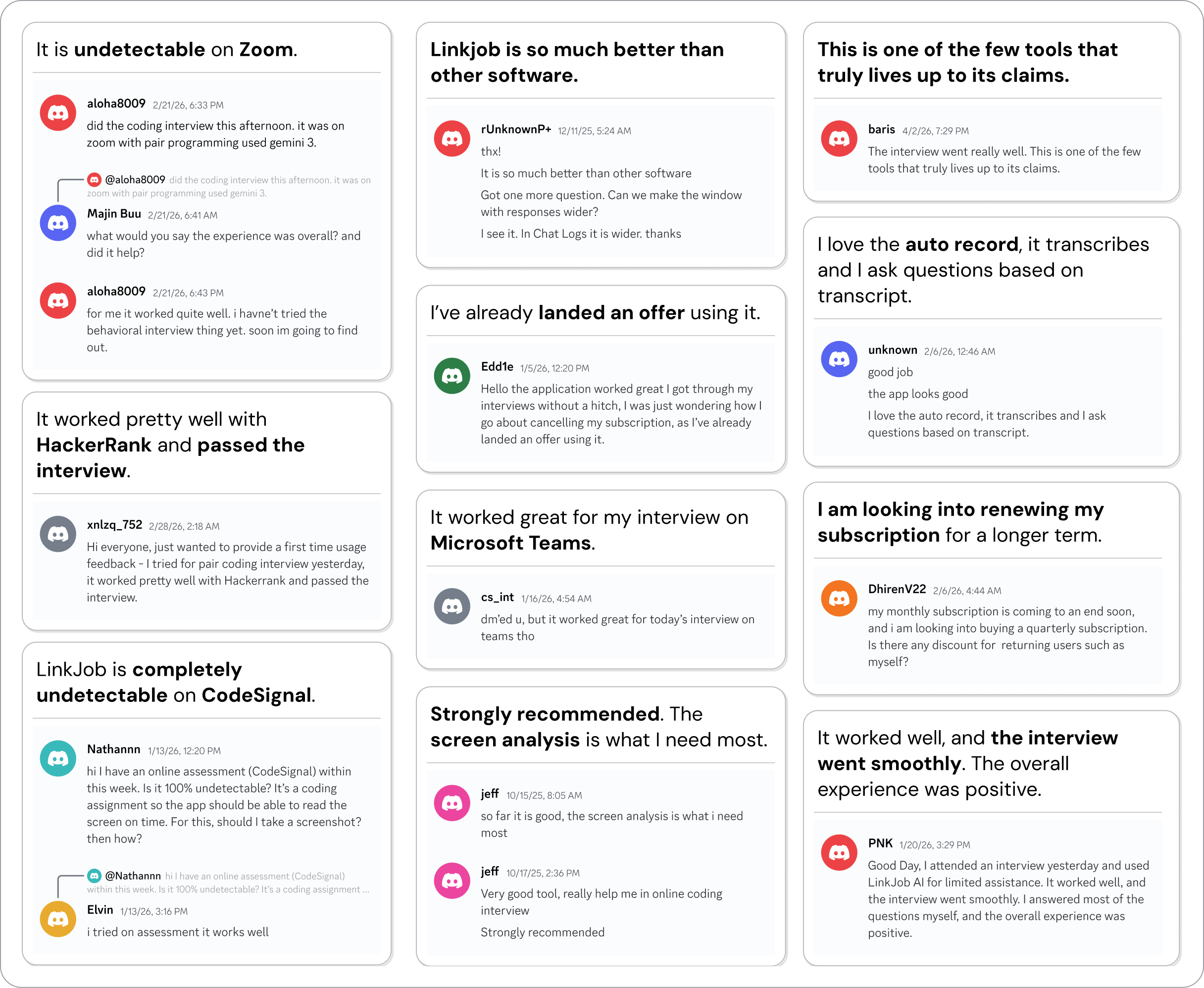
Why People Choose Linkjob AI
Smoother interviews, coding challenges cleared, and job offers landed. See how users describe their experience with Linkjob AI—in their own words.

© Copyright 2026 Linkjob AI - All Rights Reserved.