How I Solved My Citi Problems on Karat Assessment in 2026

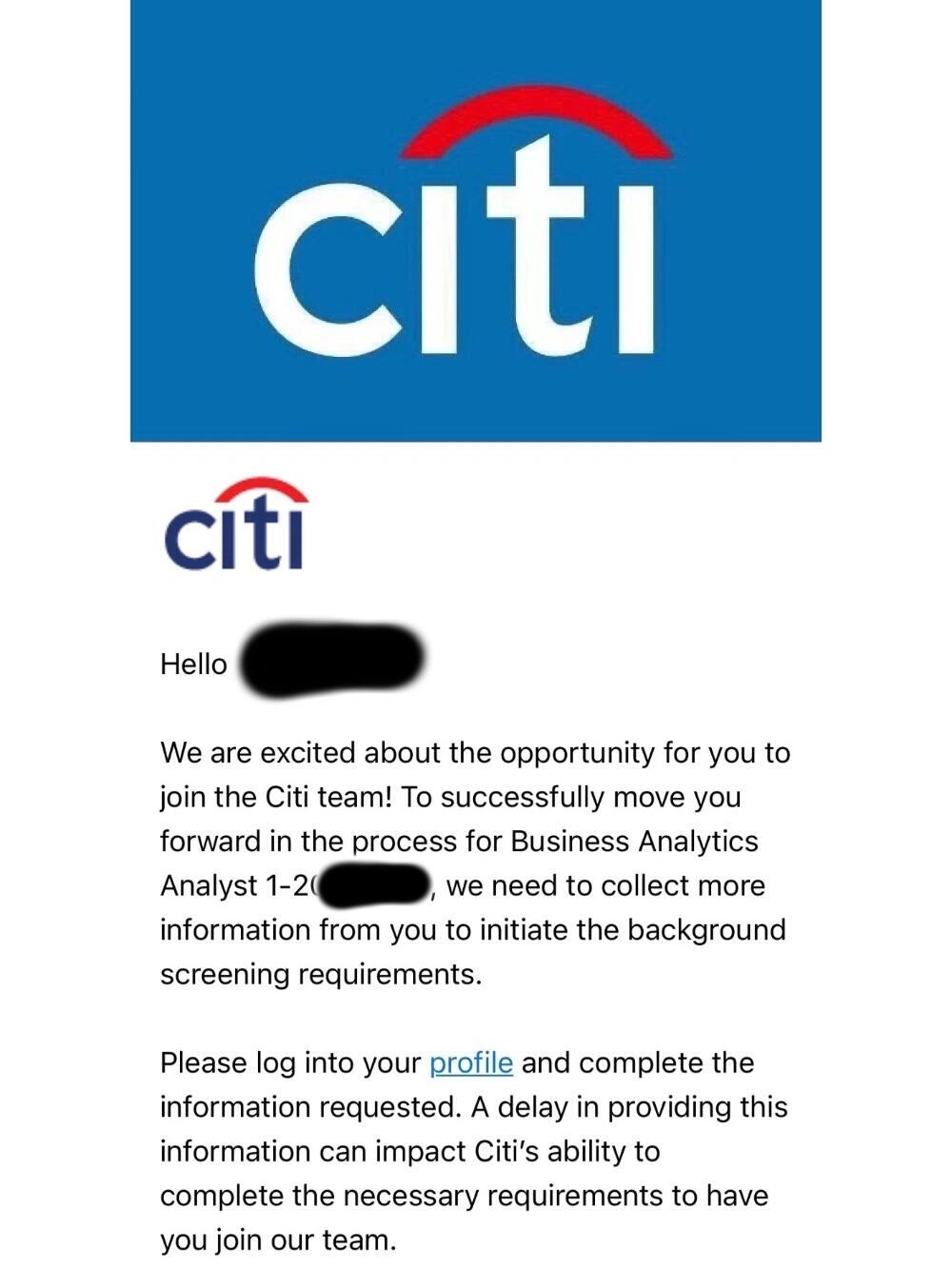
I have just received an offer for a Business Analytics Analyst position at Citi in NAM. I still remember feeling nervous before my Citi Karat experience. Citi uses a structured process that feels tough, but I learned how to handle it.
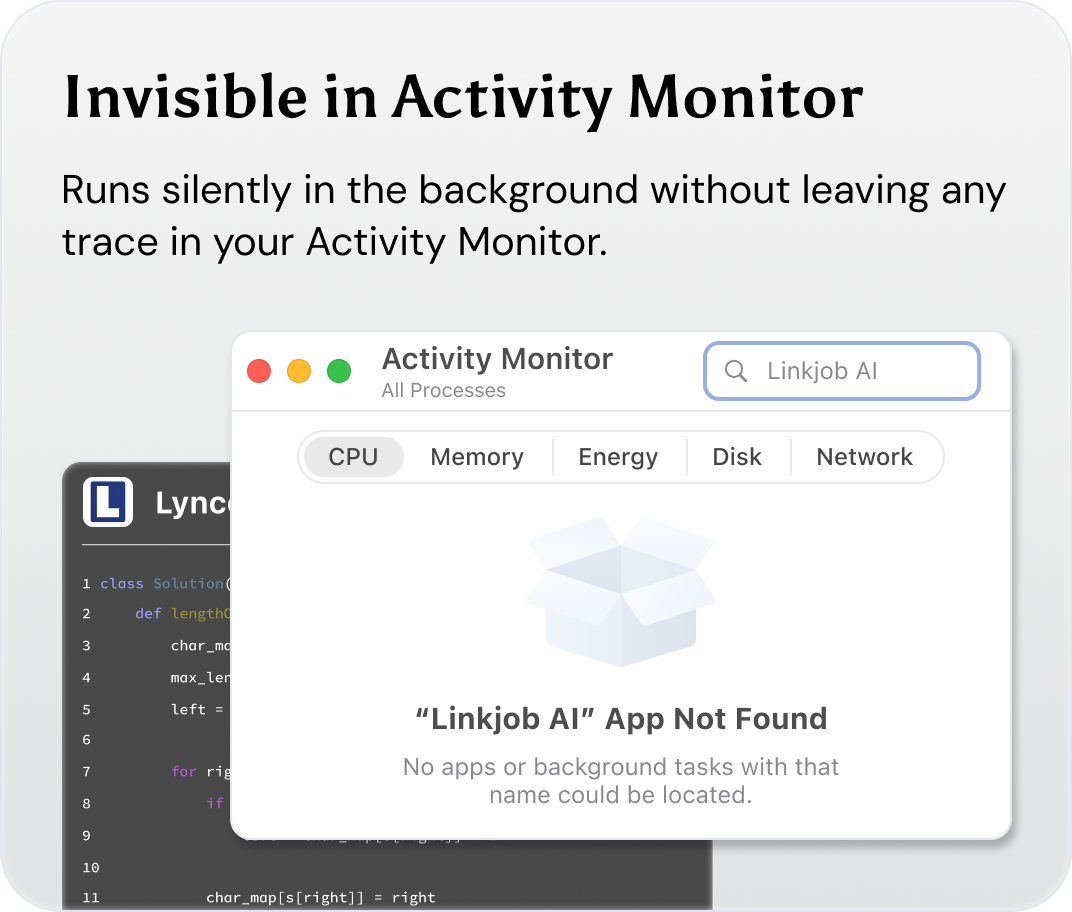
To be honest, I used some tricks to cheat in my interview without getting caught. The AI tool I used called Linkjob.ai, which is a useful AI interview assistant that is invisible to all the popular OA platforms. If you‘d like to know more details, please read my other article about how to cheat on Karat.
I’m really grateful to Linkjob.ai for helping me pass my interview, and that’s also why I’m sharing my entire Citi OA experience here. Having an undetectable real time AI interview assistant during the interview indeed provides a significant edge.
Key Takeaways
Prepare your setup before the interview. Check your internet connection and devices to avoid technical issues.
Practice coding questions that match Citi‘s expectations. Use mock interviews to build confidence and improve your skills.
Answers should be clear and well-organized. Explain your thought process to showcase your reasoning and skills.
Manage your time wisely during the interview. Keep an eye on the time and move on if you get stuck to ensure you complete all questions.
Review Citi’s values and job requirements. Align your experiences with what Citi looks for in candidates.
Frequently Asked Questions in Citi Scaled Hiring on Karat (Engineer-level)
Citi Karat interviews typically cover four major areas: general behavioral questions, sales & trading, investment banking, and technology roles. Below is a curated list of the most representative questions from each category.
1. General / Behavioral Interview Questions
This section evaluates your motivation, communication skills, teamwork experience, and overall fit for Citi.
Most representative questions:
Tell me about yourself / Walk me through your resume.
Why do you want to work at Citi / Why this role specifically?
Tell me about a time you worked in a team, handled conflict, or met a tight deadline
2. Sales & Trading Interview Questions
This category focuses on market awareness, trading intuition, macroeconomic thinking, and communication skills.
Most representative questions:
Pitch me a stock.
What do you think about the current market or Federal Reserve policy?
How would you allocate a portfolio under different market conditions?
3. Investment Banking Interview Questions
These questions test your understanding of financial fundamentals, valuation methods, and deal mechanics.
Most representative questions:
Walk me through a DCF valuation.
What are the three financial statements?
How do changes in interest rates or depreciation impact financial statements and valuation?
4. Technology Interview Questions
This section evaluates programming fundamentals, problem-solving ability, system thinking, and project experience.
Most representative questions:
What are some projects you have worked on?
What is the difference between “=”, “==”, and “===”? (or SQL JOIN / OOP concepts).
How do you handle multiple high-priority tasks or debugging issues under pressure?
My Recent Citi Business Analytics Analyst Karat Interview Experience—Real Questions
I recently completed the Citi Karat assessment for a Business Analytics Analyst role. The entire interview lasted about 60 minutes and followed a structured format with an AI interviewer guiding the flow.
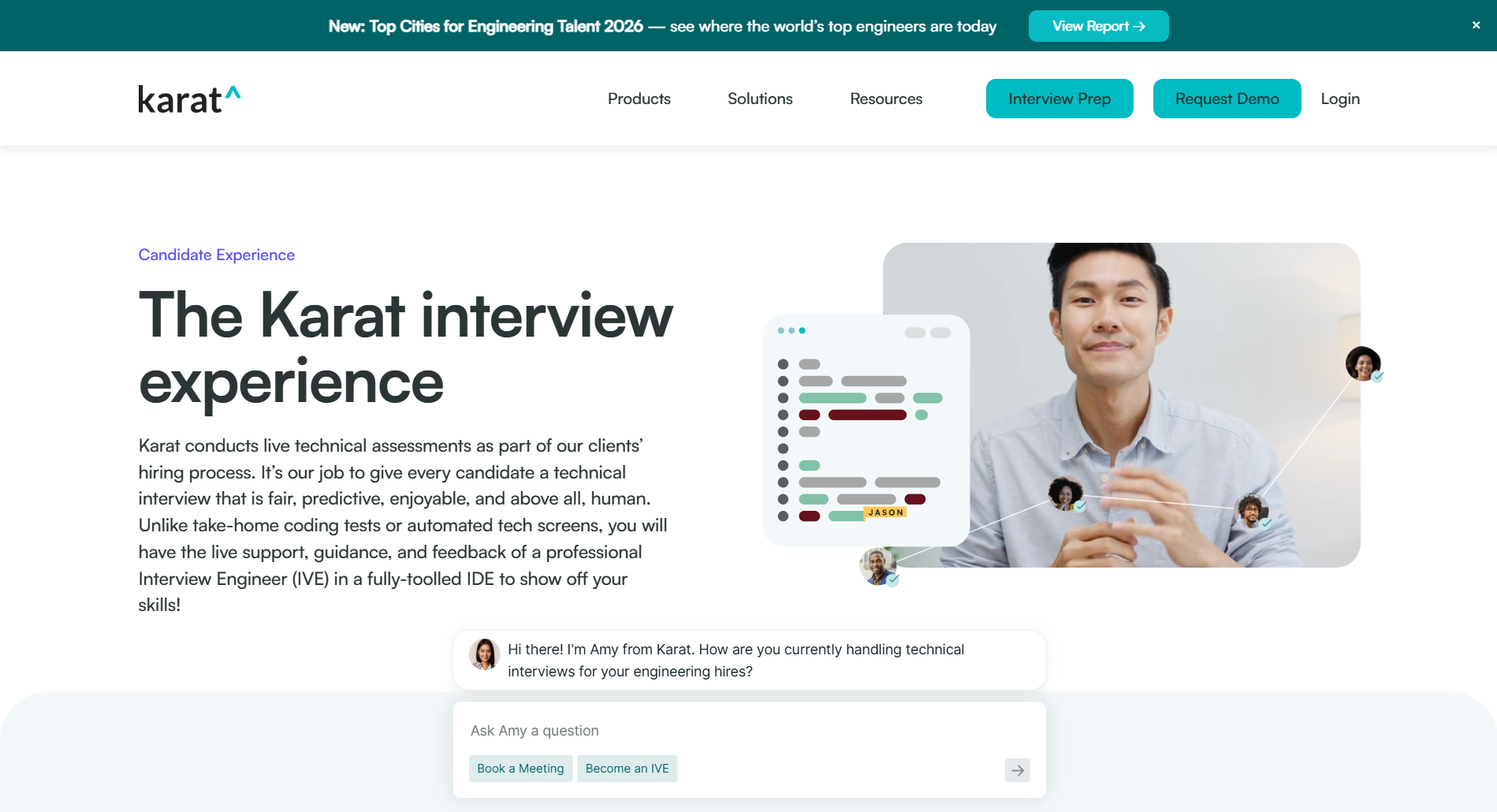
Citi Karat Interview Structure
Introduction: 5 minutes
SQL & Data Analysis: 30 minutes
Data Interpretation: 15 minutes
Behavioral: 10 minutes
Stage 1. Introduction (5 min)
The interview started with a very standard prompt:
“Let’s start with a brief introduction.”
I was asked:
Tell me about yourself.
Why are you interested in this role at Citi?
There were no follow-up questions here. It felt more like a quick warm-up before moving into technical questions.
Stage 2. SQL & Data Analysis (30 min)
After that, the interviewer transitioned with:
“Let’s move on to some data-related questions.”
Question 1
I was given a simple table:
transactions (customer_id, transaction_date, amount, segment)
Prompt:
Write a SQL query to calculate the total transaction amount per customer segment.
Question 2
Then I was given two tables:
customers (customer_id, segment)defaults (customer_id, default_date)
Prompt:
Write a SQL query to calculate the number of defaults per segment.
This required a JOIN and aggregation.
Question 3 (Main Question)
The final SQL question was more involved:
loan_data (customer_id, segment, month, default_flag)
Prompt:
Write a SQL query to compute the 12-month rolling default rate for each segment.
This was the hardest part and required using window functions. Thanks to Linkjob.ai, I figured out my answers really smooth. Linkjob.ai can also be used on other popular OA platforms during the interviews. You may click to find out how to ace BCG X CodeSignal assessment.
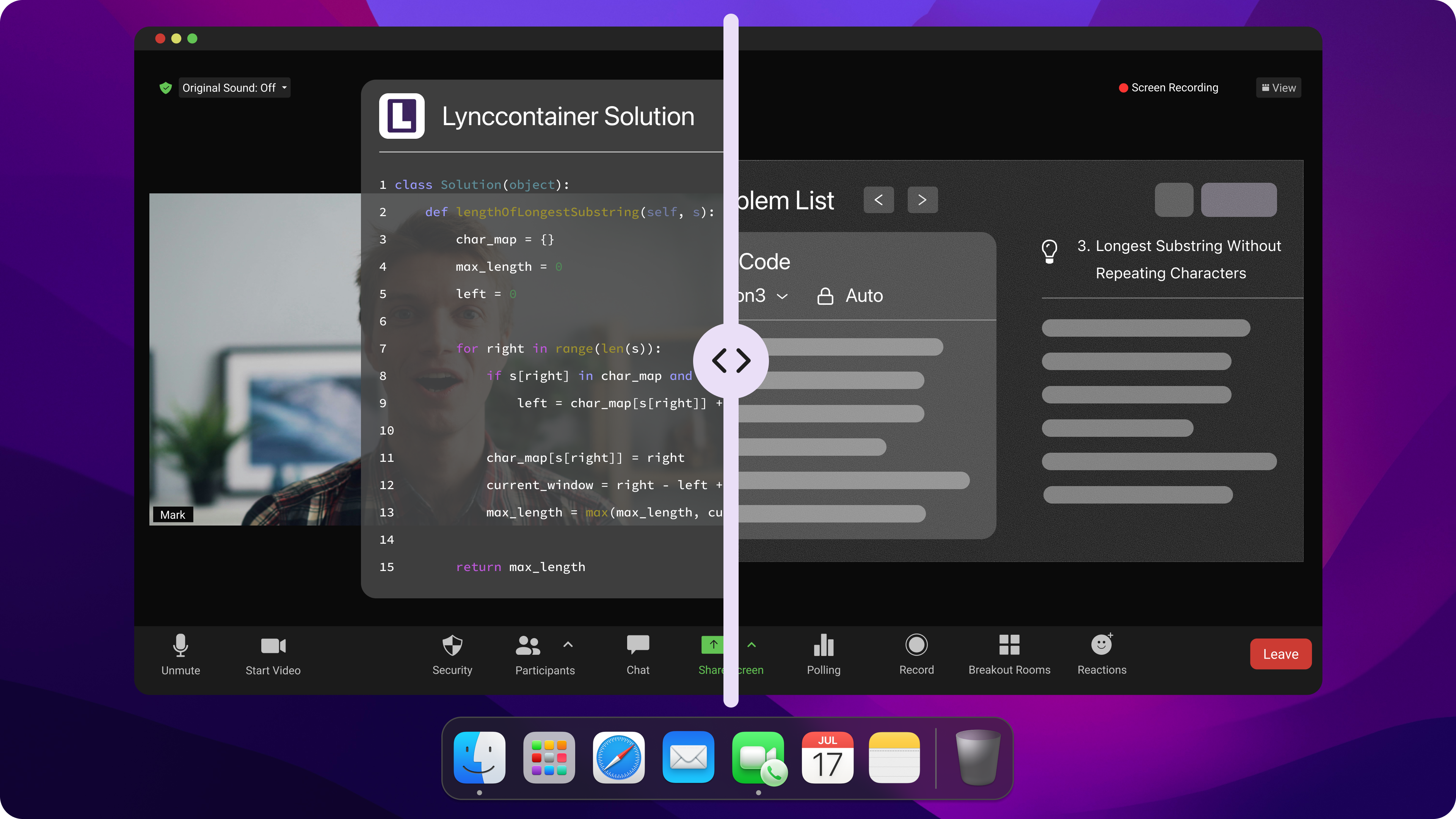
Undetectable AI Coding Interview Assistant
Stage 3. Data Interpretation & Analytics (15 min)
Then we moved into more analytical questions:
“Now let’s talk about how you would analyze data.”
Question 4
I was given a scenario with PD, LGD, and EAD.
How would you calculate Expected Loss (EL)?
How would you identify the top risk contributors?
Question 5
Next was a data quality question:
How would you handle missing values in a dataset?
What factors would influence your choice?
There were light follow-ups asking me to clarify trade-offs.
Stage 4. Behavioral Questions (10 min)
At the end, the interviewer switched to behavioral:
“I have a few final questions.”
Tell me about a time you worked with messy or incomplete data.
Describe a time you had to meet a tight deadline.
How do you prioritize multiple tasks?
These were straightforward, and there was no deep probing.
How Karat Assessment Works and Solutions to Citi Karat Assessment Challenges
How Karat Online Assessment Works
Step 01 | Schedule your interview | 60% of interviews are scheduled outside of core business hours, on nights, or weekends. |
Step 02 | Prep your setup | For the interview, you’ll want to make sure you have the right equipment to set yourself up for success. |
Step 03 | Interview with Karat | Your interview will be 60 minutes covering a brief introduction, discussion questions, and programming questions. |
Step 04 | Evaluate performance | The most important thing we are evaluating is how successfully your code solves the problem. |
Karat interview is conducted by an IVE — a professional software developer. They have a lot of experience leading technical interviews, so they’re well-practiced at helping you show your best skills.
The interview is about an hour long, and has three major sections:
A brief introduction
10 min. of discussion questions
40 min. of programming questions
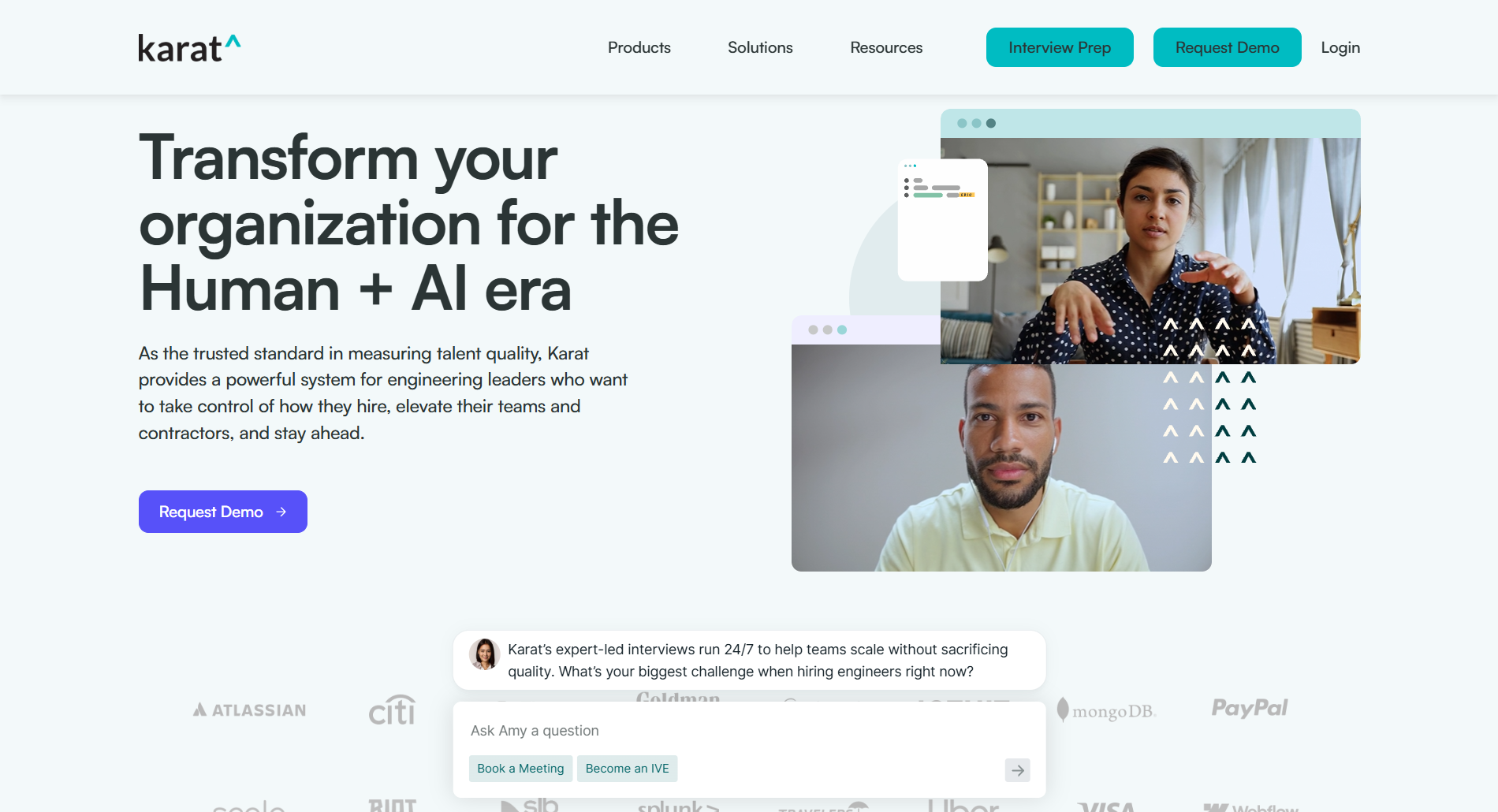
Technical Troubleshooting Steps
Before my Citi Karat interview, I quickly check my setup—WiFi, mic, and camera—and close extra apps. If anything breaks, I tell the interviewer right away. I also keep a backup device ready just in case.
Approaching Citi Coding Questions
I use practice tools like Linkjob.ai. It offers me a real Citi question bank and mock interviews, which helps me get comfortable with the types of questions I see in other‘s Citi Karat experience.
Handling Citi Karat Time Pressure
I set a timer before the interview starts.
I divide my time between questions and stick to my plan.
If I get stuck, I move on and come back later, in order to avoid spending too long on one part.
I practice with timed mock interviews to build speed and confidence.
Note: Practicing under timed conditions makes the real interview feel easier.
Answering Citi Behavioral Questions
I describe a situation where I spotted a stability risk and fixed it, and mention how my actions improved the system.
I connect my past experiences to Citi’s engineering culture, and explain why I fit their modernization goals.
I talk about my strengths and weaknesses, and show how I’ve grown in team settings.
I share a story about disagreeing with a colleague, and explain how I worked toward consensus.
Preparation for the Citi Karat Assessment
Study Plans and Practice Tools
I always start with a solid study plan:
I break down my preparation into small, daily goals.
I focus on coding practice because Citi values hands-on skills.
I use online platforms to solve problems that match the Karat format, such as questions from Walmart interview on Karat Assessment.
I also set up a timer to simulate real interview conditions. This helps me get used to the pressure.
I practice under real constraints. Linkjob.ai provides me with as comprsehensive set of mock interview features, including a timer, which allows me to experience a realistic interview environment. I also pre-decide on common coding patterns, so I don’t freeze during the interview.
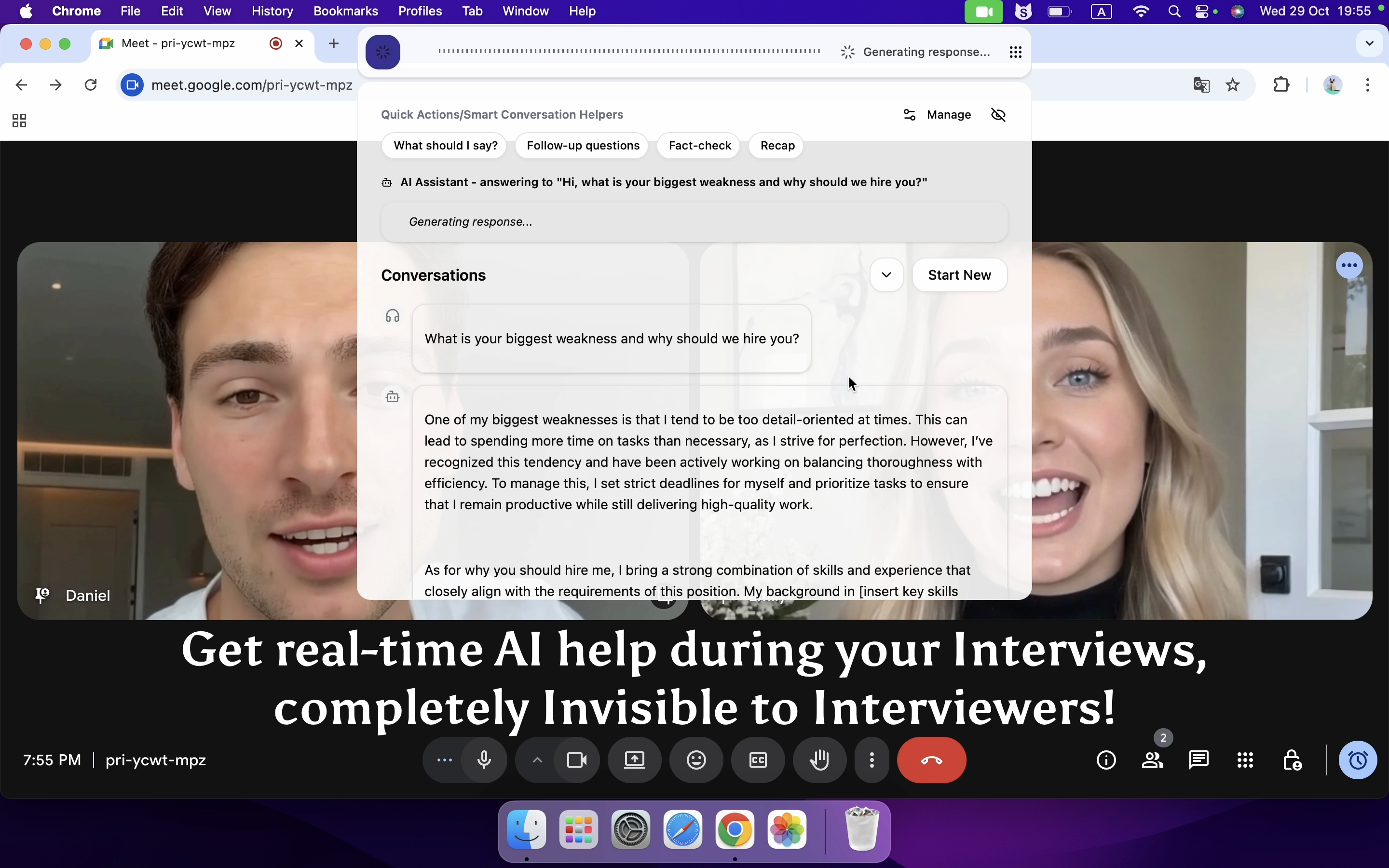
Real-time AI Interview Copilot
Mock Interviews and Peer Feedback
Mock interviews on Linkjob.ai help me a lot, and I also invite my friends to give me feedback on my answers and body language. I record myself to catch mistakes I might miss. I also join online forums where people share their experiences. This gives me new ideas and helps me stay motivated.
Tip: Treat every mock interview like the real thing. Speak clearly and explain your logic step by step.
Reviewing Citi Values and Job Requirements
I always review Citi’s values before my assessment. Citi looks for reliability, compliance, and collaboration. I read the job description and match my skills to what they want. I practice talking about how I write production-ready code and design scalable systems. I also focus on teamwork because Citi values strong communication in a regulated environment.
Citi wants reliable engineers.
Compliance and teamwork matter.
Communication skills can set you apart.
By preparing this way, I feel ready and confident for the Citi Karat assessment.
Improving My Citi Karat Assessment Experience
Tools and Checklists
I always rely on a set of tools and checklists to make my Citi Karat assessment experience smoother. Before the interview, I use Linkjob.ai to help reduce mental overhead during live coding. This tool keeps my workspace organized and lets me focus on solving problems instead of worrying about setup. I pre-decide common coding patterns, so I don’t waste time thinking about which approach to use. This habit minimizes decision fatigue and helps me stay sharp.
I avoid premature optimization. Instead, I focus on delivering clear, working solutions first. This strategy keeps me from getting stuck on tiny details and lets me show my skills effectively. Karat’s deliberate process for creating, testing, and scoring interview questions means I can trust the fairness of the assessment. I practice under realistic constraints, like timed sessions and limited resources, to match the actual interview conditions.
Here’s a simple checklist I follow before my Citi Karat interview:
Checklist Item | Purpose |
|---|---|
Test internet and devices | Prevent technical issues |
Organize workspace | Reduce distractions |
Pre-decide coding patterns | Minimize decision fatigue |
Practice timed coding | Build speed and confidence |
Review communication strategy | Improve clarity and consistency |
Tip: Structure your communication during the interview. Speak clearly and explain your logic step by step.
Community Support and Forums
I join online forums and communities where candidates share their Citi interview experiences on Karat assessment. These spaces give me valuable feedback and new strategies. I ask questions, read success stories, and learn from others’ mistakes. Peer support keeps me motivated and helps me stay positive.
Mistakes to Avoid on Citi Karat Assessment Interview
Common Pitfalls
I actually hit some snags during my Citi Karat prep. Let me share the ones that tripped me up most, so you can steer clear of them.
I sometimes jump right into coding without clarifying the requirements. This usually leads me to solve the wrong problem.
I waste time over-explaining theory that isn’t relevant. The interviewer wants to see my practical skills, not a lecture.
I try to optimize my code too early. This distracts me from getting a working solution.
Here’s a quick table with strategies I use to avoid these pitfalls:
Strategy | Explanation |
|---|---|
Pre-decide patterns | I internalize common coding patterns before the interview. |
Avoid over-optimizing | I start with a correct solution, then refine if there’s time. |
Focus on correctness | I deliver a clean, working solution before worrying about efficiency. |
Practice real questions | I get familiar with common patterns by practicing actual Karat questions. |
Tip: If you feel stuck, talk through your thoughts. And don’t hesitate to turn to Linkjob.ai—it’s your secret weapon for interview success.
Final Success Checklist
I always run through a checklist before my Citi Karat assessment, which keeps me calm and ready:
Test my internet and devices.
Organize my workspace for minimal distractions.
Review common coding patterns and decide which ones I’ll use.
Practice timed coding sessions to build speed.
Prepare stories for behavioral questions.
Plan to communicate every step, even when I’m unsure.
Remind myself to focus on correctness first.
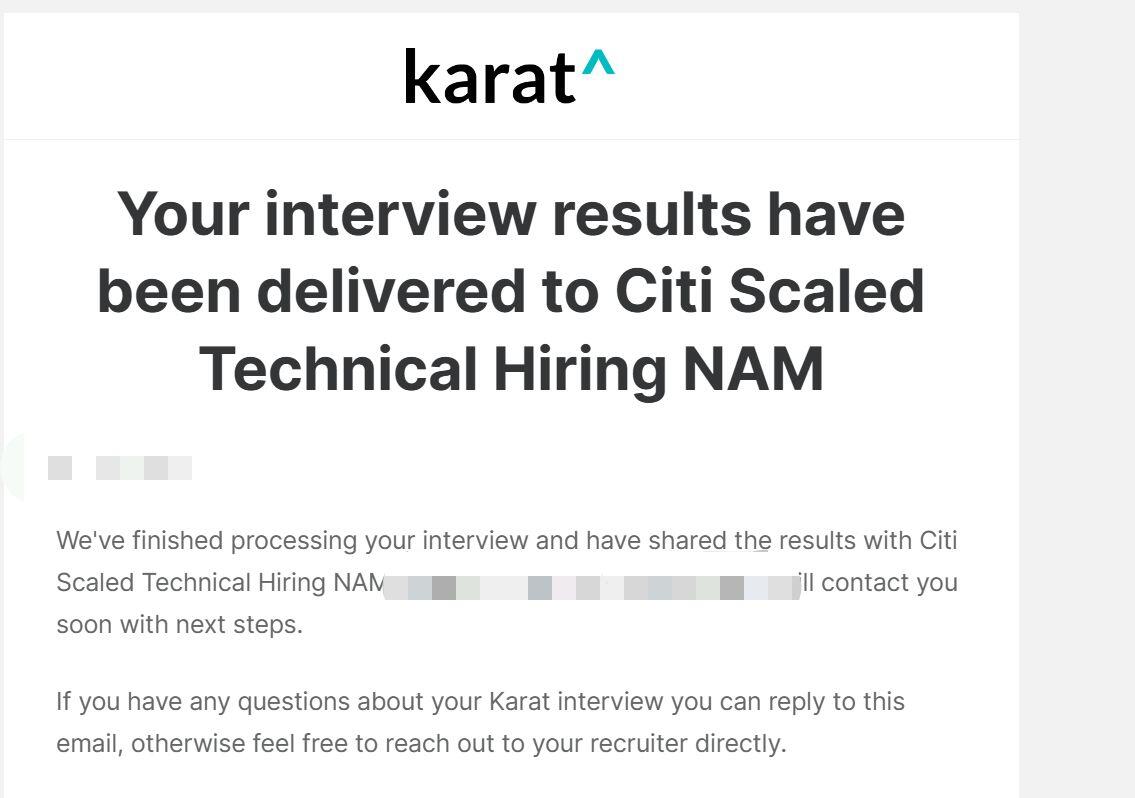
Finally, I moved on to hire manager onsite and won my offer. My efforts finally paid off.
FAQ
How do I handle technical issues during the Citi Karat assessment interview?
I always check my setup before the interview. If something goes wrong, I tell the Interview Engineer right away. They pause the session and help me reset. Staying calm helps me focus on solving the problem.
What should I do if I get stuck on a coding question?
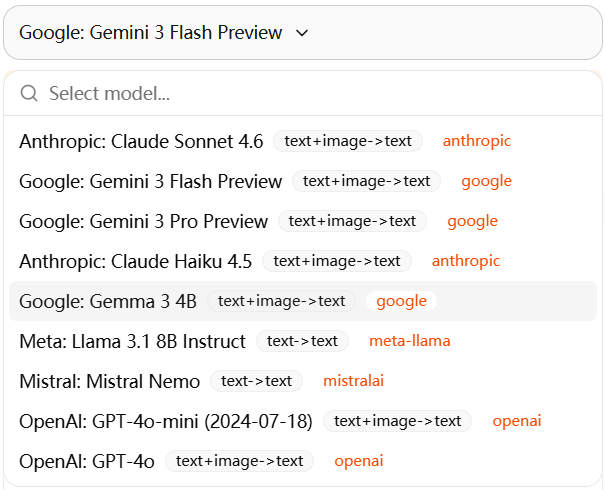
If I still feel stuck, I stay calm and turn to my AI coding interview assistant for help. If the question is too difficult for AI to answer, or the AI-generated answer is too rigid, I may choose another model such as Anthropic: Claude Sonnet 4.6, or move on to the next part and come back later. Practicing this makes me feel more confident.
How can I prepare for Citi-specific questions?
I have thoroughly reviewed Citi’s values and job requirements. I use mock interviews to practice coding problems that match their business needs, and online forums to learn from others. This helps me understand what Citi looks for in candidates.
See Also
How I Cracked the Ramp CodeSignal Assessment and What You Can Learn
I Cracked the Coinbase CodeSignal Assessment: My Insider Guide
How I Navigated the Visa CodeSignal Assessment and What I Learned
My 2026 MathWorks HackerRank Assessment Questions & Solutions
How I Succeeded in the eBay CodeSignal Assessment Without Stress
Why People Choose Linkjob AI
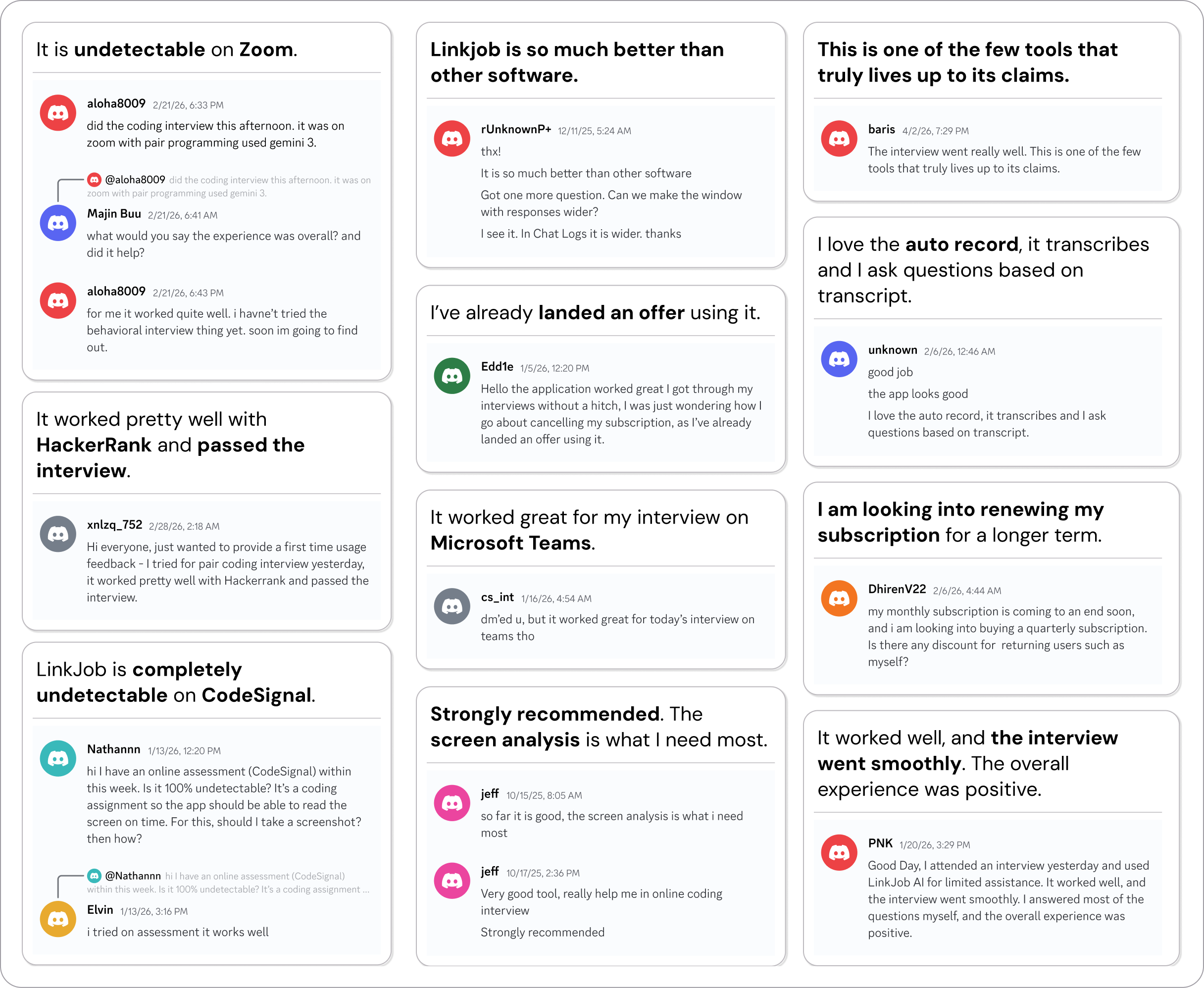
Smoother interviews, coding challenges cleared, and job offers landed. See how users describe their experience with Linkjob AI—in their own words.