How My Tesla Data Analyst Interview in 2026 Inspired Me

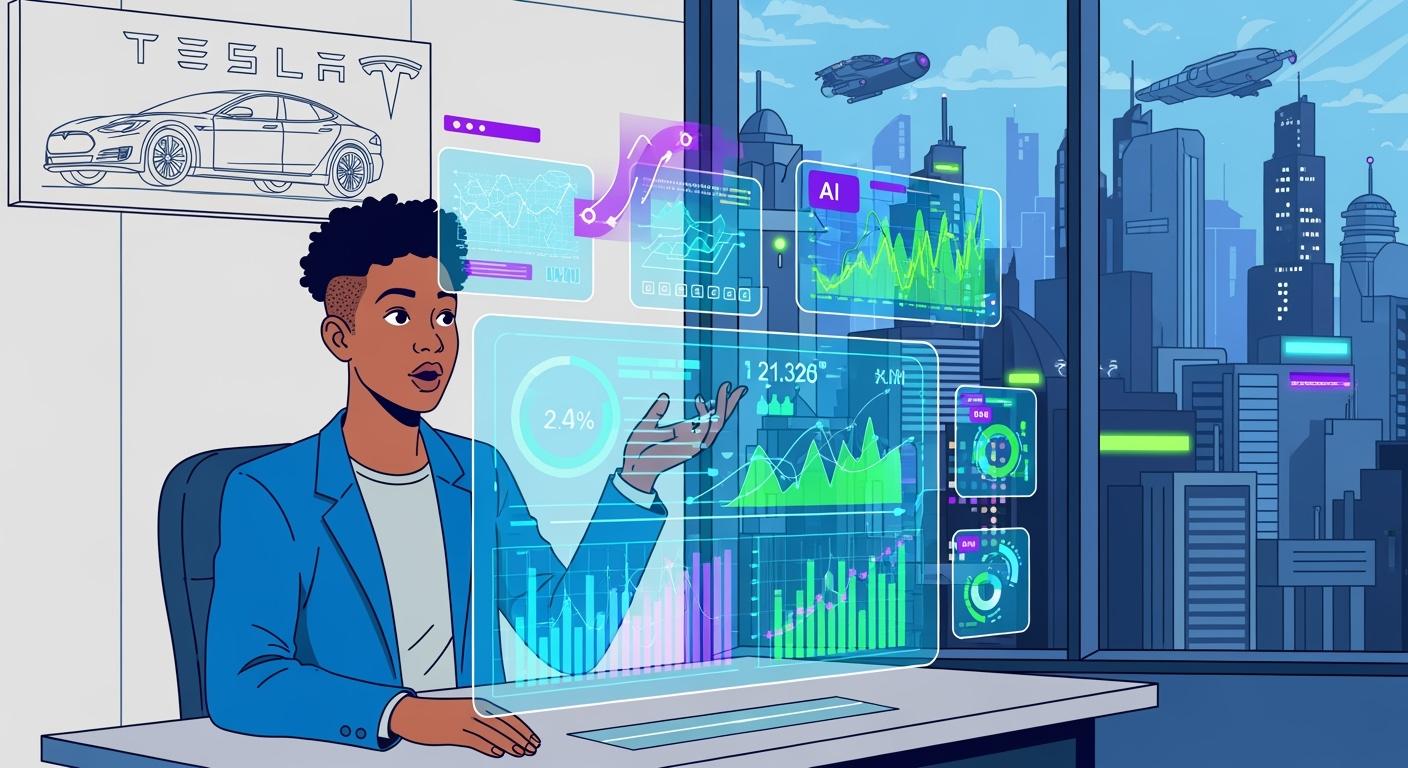
Last month, I finished my Tesla data analyst interview. Something happened beyond my preparation. That is--the interviewer asked me to solve a real Tesla problem case live, with no warning. Most interviews feel scripted. This one felt like a true test of how I think when it counts. But fortunately, I overcame it by an AI interview assistant and finally got an offer. I would like to share this meaningful experience with you.
Inside the Tesla Data Analyst Interview Process
Application and Screening Steps
Tesla Data Analyst
I started my Tesla data analyst interview journey with a simple online application. The recruiter reached out to me after reviewing my resume. We talked about my past experiences and why I wanted to work at Tesla. This first call felt friendly and relaxed. I could tell they wanted to see if I matched the company’s energy.
After the recruiter screen, I received a take-home assessment. I had to analyze a real dataset and share my insights. This step tested my ability to think critically and communicate clearly. I spent a few hours on it, making sure my answers were both accurate and easy to understand.
Interview Format and Rounds
The Tesla data analyst interview process felt more intense than others I had experienced. Each round pushed me to show my skills in a different way. The technical screening came next. I had a phone call with the hiring manager, who asked me about Python and SQL. I had to solve problems on the spot. This part moved quickly, and I had to think on my feet.
After passing the technical screen, I faced a Tesla codility test. I had 90 minutes to complete a set of SQL questions. Right after, I jumped into a live Python coding test. This session lasted about an hour. The pressure was real, but I reminded myself to stay calm and focus on each question.
The final stage was the onsite interview. I met with a panel of senior team members. They asked me back-to-back questions about technical topics and my past experiences. The whole process took a few weeks, but I could see how thorough Tesla wanted to be.
Surprising Process Elements
Some parts of the Tesla data analyst interview caught me off guard. The team wanted to know how my career goals matched Tesla’s mission. They asked me to describe my ideal work environment. I realized they cared about more than just technical skills. They wanted to see if I could fit into their culture and work well with others.
Here are a few things that stood out to me:
I had to explain how my values aligned with Tesla’s mission.
The interviewers asked about my adaptability and how I learned new technologies.
They encouraged me to talk about teamwork and innovation.
I felt they valued continuous learning and flexibility.
Tip: Be ready to share stories about how you adapt to change and learn new things. Tesla wants people who can grow with the company.
The Tesla data analyst interview process felt challenging but fair. Each step tested a different part of my skill set. I learned that Tesla looks for people who can handle pressure, think on their feet, and share the company’s passion for innovation.
Tesla Data Analyst Technical and Case Study Questions
SQL and Python Challenges
I remember the technical part of the Tesla data analyst interview as a real test of my skills. The team wanted to see how I handled data in real time. They gave me a dataset and asked me to write SQL queries to analyze vehicle performance. I had to find patterns and suggest ways to improve manufacturing processes. The Python questions focused on cleaning data and building quick visualizations. Sometimes, they threw in a probability or statistics question to check my understanding of the basics.
Here’s a table that shows the types of challenges I faced:
Challenge Type | Description |
|---|---|
SQL Queries | Used for analyzing vehicle performance data and optimizing manufacturing processes. |
Coding Questions in Python or R | Focus on programming skills relevant to data analysis tasks. |
Probability & Statistics Questions | Assess understanding of statistical concepts applicable in data analysis. |
Product Analytics Questions | Evaluate ability to analyze product-related data and derive insights. |
Machine Learning Questions | Test knowledge of machine learning concepts and their application in data analysis. |
Resume-Based Behavioral Questions | Explore past experiences and how they relate to the role being applied for. |
Tip: Practice writing SQL queries and Python scripts with real datasets. This will help you feel more confident during the interview.
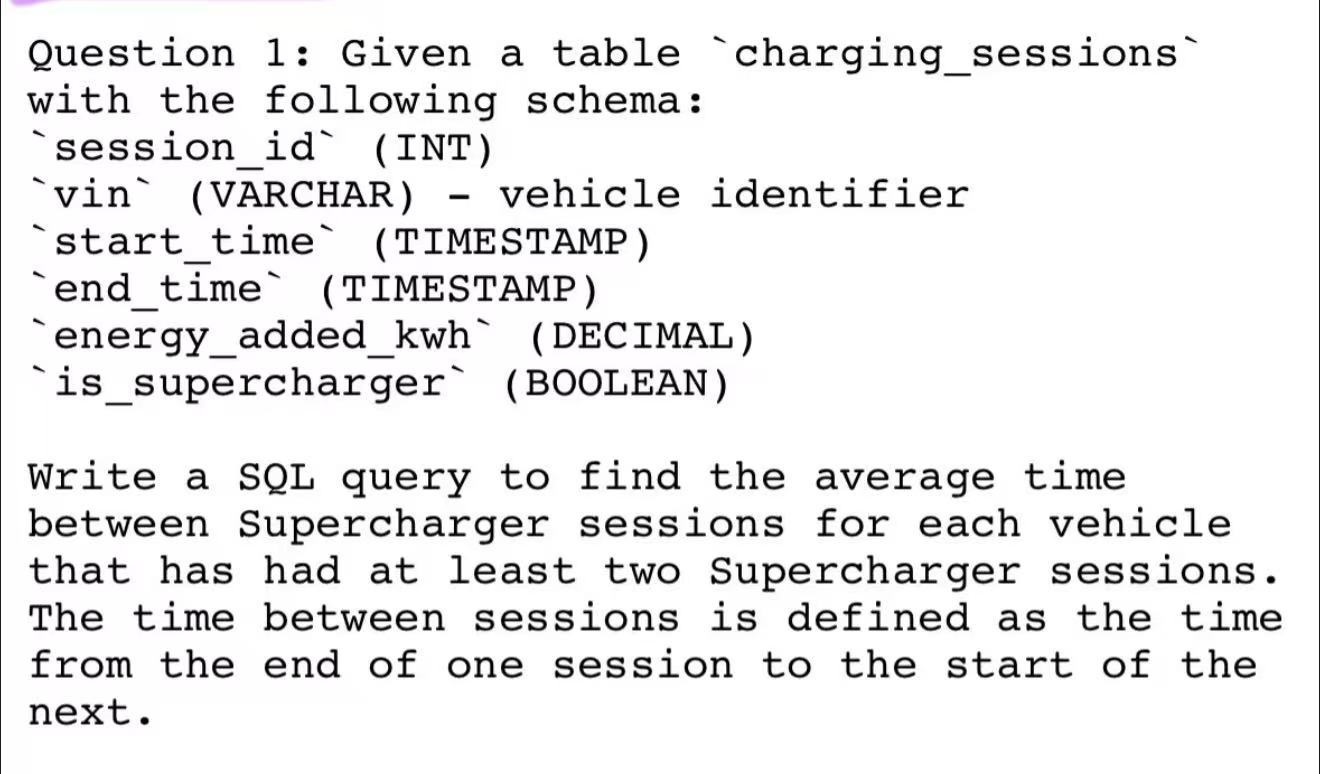
One sample of the question
However, dealing with such a large and complex set of code tests is extremely challenging, even when I have practiced a great number of coding-related problems on a regular basis. So I prepared a fallback plan for myself, which was an AI interview software. This software is completely invisible and cannot be detected. It helped me when I was unsure and couldn't think of the answers to my programming questions. It directly and automatically identified the interviewer's questions and provided solutions, enabling me to overcome the difficulties. I think this software might be of help to you when you encounter unexpected problems. Therefore, based on my own experience, I sincerely recommend it to you.
Case Study on Car Routing
One part of the interview surprised me. The team gave me a case study about optimizing car routing for Tesla deliveries. I had to think about real-world problems, like traffic and charging stations. They asked me to explain my approach step by step. I used a whiteboard to sketch out my ideas. I talked through my logic and showed how I would use data to make decisions. The team wanted to see my problem-solving process, not just the final answer. This time, the AI interview assistant also helped me a lot. The logic and aspects of its answer were much better and broader than mine. So I referred to its answer and provided a perfect response.
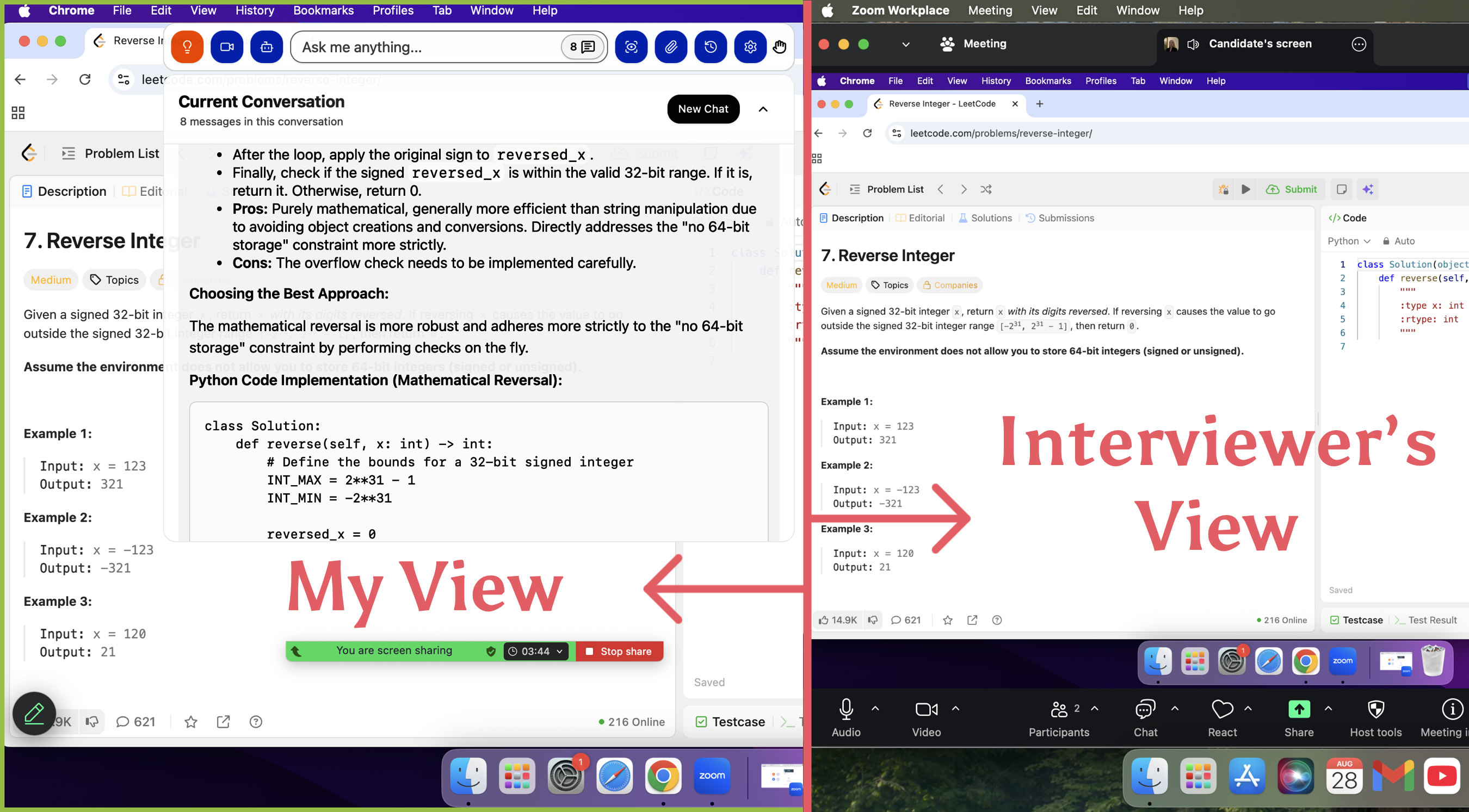
Invisible AI assistant
Tesla Data Analyst Behavioral and Cultural Fit Assessment
Ownership and Pressure Handling
During my Tesla data analyst interview, I quickly realized that technical skills alone would not get me through. The team wanted to know how I handled tough situations and took ownership of my work. They asked questions that made me think about my past actions and decisions. I had to dig deep and remember moments when I faced real pressure.
I learned that Tesla values people who can stay calm and make smart choices, even when things get hectic. When I answered, I made sure to walk through my thought process step by step. I explained how I weighed my options and why I made certain decisions. I also shared what I learned from those experiences.
Cultural Fit at Tesla
Tesla’s culture stands out. The interviewers wanted to see if I could thrive in a fast-moving, innovative environment. They asked about my values and how I approach teamwork. I talked about times when I worked with others to solve problems or tried something new. They seemed to care about curiosity and a willingness to learn.
I noticed that they liked when I showed excitement for Tesla’s mission. I made sure to mention why I wanted to be part of their journey. I also explained how I stay open to feedback and adapt to change.
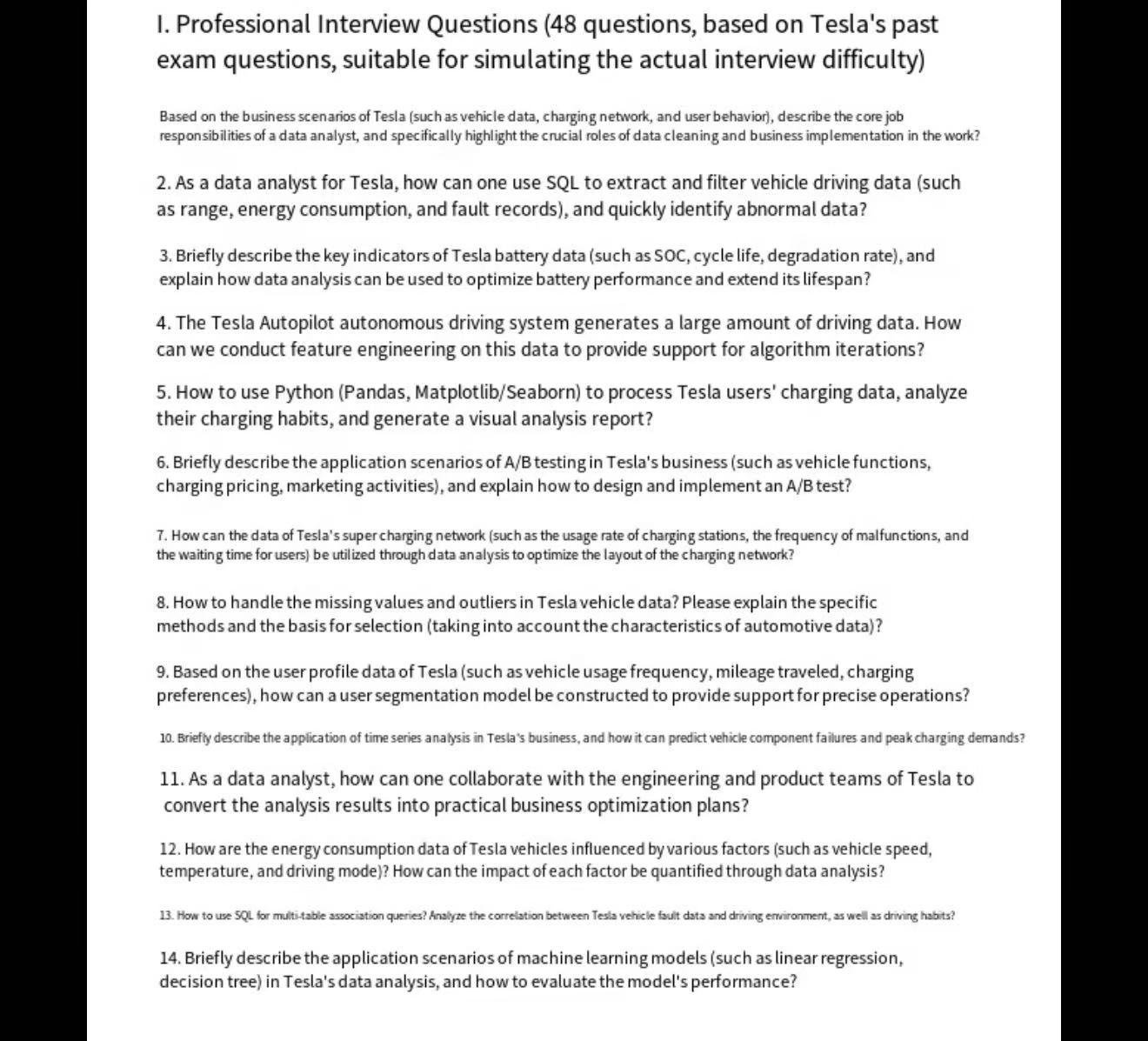
Some previous interview questions
Tesla’s Expectations and Values
Tesla looks for more than just technical skills. They want people who can solve problems, think big, and fit into their mission. During my interview, I saw how much they value ownership and grit. Here’s what stood out to me:
Show technical excellence and a mission-driven mindset.
Adapt quickly and solve problems under pressure.
Bring experience from startups or unique industries.
Align with Tesla’s focus on sustainable innovation.
I made sure to talk about times I took charge and learned from tough situations. Tesla wants people who care about making a difference.
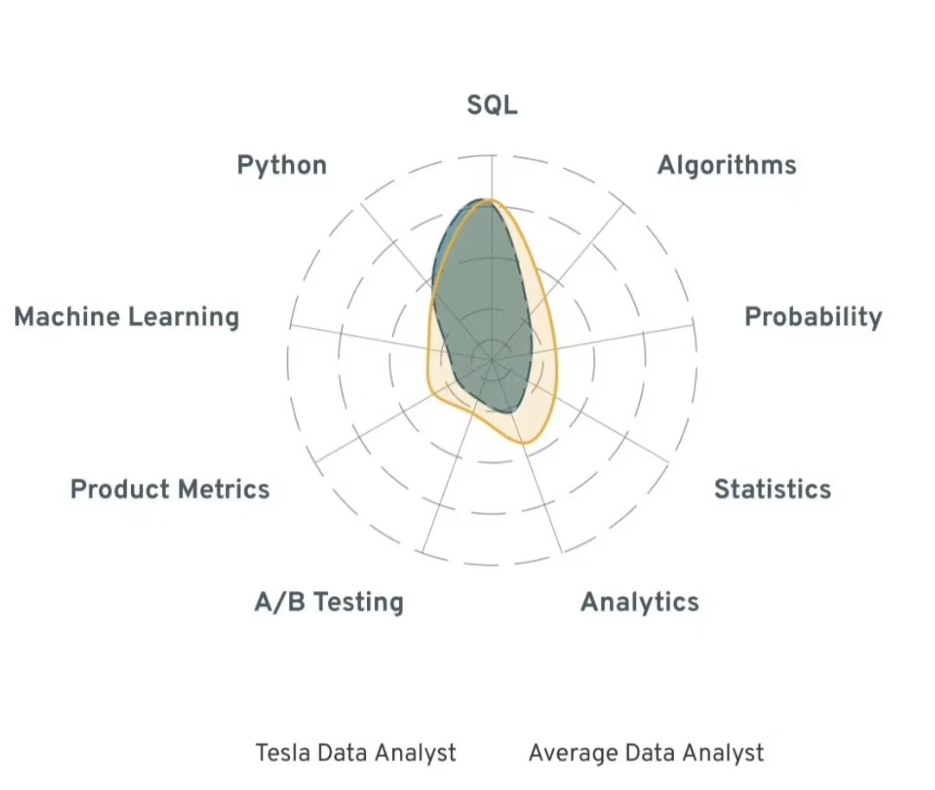
How to Prepare for the Tesla Data Analyst Interview
Practice and Study Resources
When I started preparing, I wanted to make sure I covered all the bases. Here are the resources that helped me the most:
Tesla Codility Technical Test platform: I practiced on Codility to get used to the real test environment. The instant feedback helped me spot my weak areas.
LeetCode and HackerRank: I solved problems on arrays, strings, and algorithms. These sites gave me a wide range of challenges.
Tesla’s engineering blog: I read about Tesla’s projects and how their teams solve problems. This gave me insight into the company’s approach.
Former Tesla software engineering interview experiences: I reviewed interview experiences shared by former Tesla candidates. These firsthand accounts helped me understand the types of questions asked, the interview structure, and what the interviewers focused on during technical and behavioral rounds.
Real interview experiences from others: While I was preparing, I also looked at Tesla interview reviews shared by other candidates, as well as experiences for similar roles at other companies, like the Data Analyst interview process at Capital One.
The Codility test focused on algorithmic thinking, logical design, and software testing. I also practiced data processing and paid attention to edge cases. Understanding these areas made me feel more confident.
Tip: Try to work with real datasets and time yourself. This will help you get comfortable with the pace of the Tesla data analyst interview.
Adapting to Unconventional Questions
Tesla loves to throw curveballs. I learned to expect questions that tested how I think, not just what I know. When I faced a new type of question, I paused and broke it down step by step. I explained my thought process out loud. This showed the interviewers how I approach problems, even if I did not know the answer right away.
Stay flexible and open-minded.
Practice explaining your reasoning, not just your final answer.
Use a whiteboard or paper to sketch out your ideas if you get stuck.
Staying Calm Under Pressure
I felt nervous during some parts of the interview, but I found a few tricks that helped me stay focused:
I took deep breaths before each round.
I used positive visualization. I pictured myself solving problems with confidence.
I reminded myself that it was okay to pause and think.
Note: Staying calm helps you think clearly and show your best self.
If you prepare with these strategies, you will feel ready for anything Tesla throws your way.
Looking back, the Tesla data analyst interview pushed me out of my comfort zone and made me think fast. I learned to expect the unexpected and show my skills in real time. If you want to succeed, practice with real datasets, stay flexible, and keep your cool. Ready for your own challenge? Go for it and trust your preparation. 🚀
FAQ
What should I focus on when preparing for the technical rounds?
I always practice SQL and Python with real datasets. I also review basic statistics. I use online platforms like LeetCode. I make sure I can explain my thought process out loud.
How do I handle unexpected questions during the interview?
I pause, take a breath, and break the problem into small steps. I talk through my ideas, even if I am unsure. This shows how I think and keeps me calm.
Does Tesla expect me to know everything about their products?
No, but I show genuine interest in Tesla’s mission. I read their blog and news. I mention what excites me about their work. Curiosity matters more than knowing every detail.
How important is cultural fit at Tesla?
It matters a lot. I share stories about teamwork and learning from mistakes. I show that I can adapt and stay positive. Tesla wants people who grow with the company.
Will I get feedback after each interview round?
I did not get feedback after each round. Tesla gave me feedback only after the final stage. I stayed patient and focused on doing my best at every step.
See Also
How I Cracked the J.P. Morgan Data Scientist Interview in 2026
My Data Analyst Interview Experience in Tower Research
My Guide to Actual GoDaddy Data Engineer Interview Questions
© Copyright 2025 Linkjob.ai - All Rights Reserved.