How I Outsmarted the Alva Labs Assessment in 2026


As long as you understand the exam content and prepare thoroughly, you should be able to handle the Alva assessment with ease. Alva's adaptive design makes each test unique, so it's much harder to use shortcuts or tricks. Even though there are a lot of risks involved, a lot of people — myself included — have thought about how to cheat on Alva Labs.
If you pay someone to sit the test for you or use an AI interview assistant that isn't completely undetectable (like I said in my LockedIn AI review and Beyz AI review), you risk losing your job offer and failing to show what you're really capable of. I decided to go with a more suitable tool, Linkjob AI, and it really helped me to perform better and get the test done faster.
Before Cheating: Get to Know Alva Labs Assessment
When I first took the Alva Labs logic test, I realised it's important to understand what it's testing and what constitutes cheating. The test changes the questions based on how you're doing, meaning that there is always something new for you to think about.
How can Alva Labs Detect Cheating?
I had a look to see if there were any tips on Alva Labs' website about what to expect in the exam and how to stop people cheating, but I couldn't find much. Here's the lowdown on the findings.
I've highlighted Alva Labs' unique features in bold and red:
Alva Labs: Anti-cheating Features | |
Snapshot capturing | ✗ |
Mouse tracking | ✗ |
Disabled copy-paste | ✗ |
Microphone and camera access | ✗ |
Location access | ✗ |
IP address tracking | ✗ |
Full-screen mode | ✗ |
Tab proctoring | ✗ |
AI assistance detection | ✗ |
Restrict multiple monitors | ✗ |
Randomization of question sequence | ✗ |
Time limit on tests | ✓ |
Screen sharing | ✗ |
Dual camera proctoring | ✗ |
Alva Labs: Reporting and Analytics | |
Detailed reports | ✓ |
Public link to share reports and scorecards | ✗ |
Exportable/downloadable reports | ✓ |
Recruiting analytics | ✓ |
Candidate benchmarking | ✓ |
Completion rate and response insights | ✓ |
What Question Types Does Alva Labs Have?
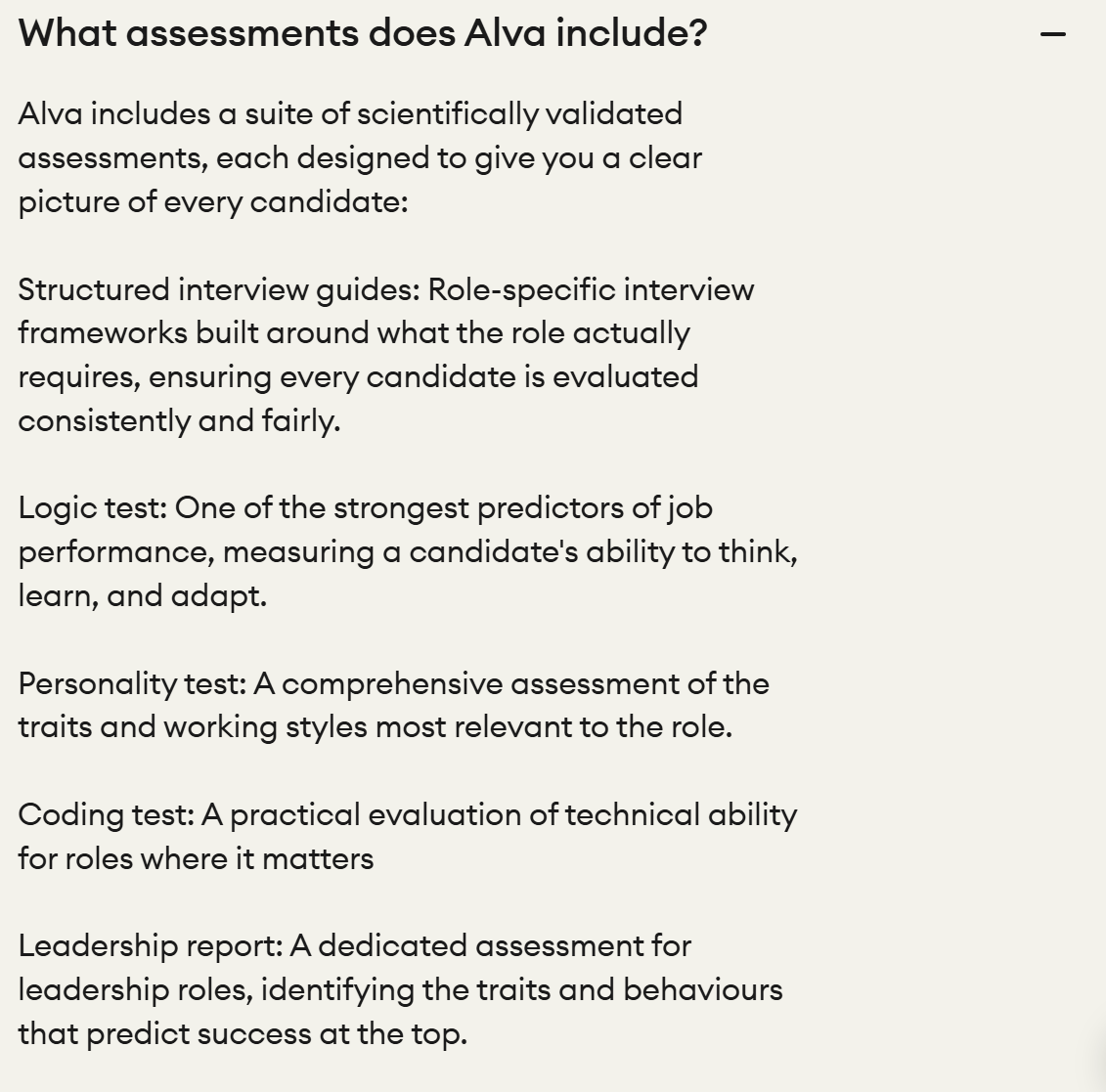
Alva Labs' logic test is all about visual, non-verbal logic puzzles. Most questions are in a 3x3 grid format, and I need to spot the pattern and pick the right answer from six options.
Here's a quick rundown of the different question types:
Test Type | Number of Questions |
|---|---|
Logic Ability Test | 20 |
Coding test | Varies |
Leadership report | Varies |
Personality Test | Varies (adaptive) |
I've found that the more I practise these types of questions, the more I start to understand Alva Labs' logic test. The logic bit normally has about 20 questions, but I've never been able to figure out how to get the right answers (even though I'd like to get all of them right, of course). How challenging the test is depends on how you respond to the questions, but the real test is in the logic puzzles.
Timing and Scoring
It's really important to manage your time well if you're going to ace the Alva Logic Test. You've got about two minutes for each question, and the whole test is 40 minutes max. My mates have been telling me to keep an eye on the clock and not rush through my answers.
My mates who've done the Alva Labs Logic Test told me it looks at how accurate your answers are and how hard the questions are. This adaptive scoring system means that getting more difficult questions right will give you a bigger boost to your score.
I found the simulated timed environment (with Linkjob AI running) really helpful for adapting to the pressure of the exam. This helped me stay calm and focused when I took the official Alva Labs Logic Test.
It's pretty obvious that if you get the test format and have done similar logic puzzles, you'll feel more confident when you take the Alva Logic Test.
How to Cheat in Alva Labs: Realities and Tools
If anyone asks me how to beat the Alva Labs assessments, I always say that they need to understand the risks involved before they even think about cheating. It's hard not to when you're feeling nervous about the test. I totally get how that feels. The truth is, cheating on these assessments isn't as easy as it might sound.
I'll give you the lowdown on the most common cheating methods, the challenges of adaptive testing, and the consequences of using unreliable AI tools.
Cheating Methods and Their Consequences
I’ve seen a lot of talk online about how to cheat in Alva Labs. Some people try to get a friend to take the test for them. Others look for answer keys or use AI to solve the puzzles. But the platform has built-in ways to catch cheaters. Here’s a quick look at the most common cheating methods and how the system detects them.
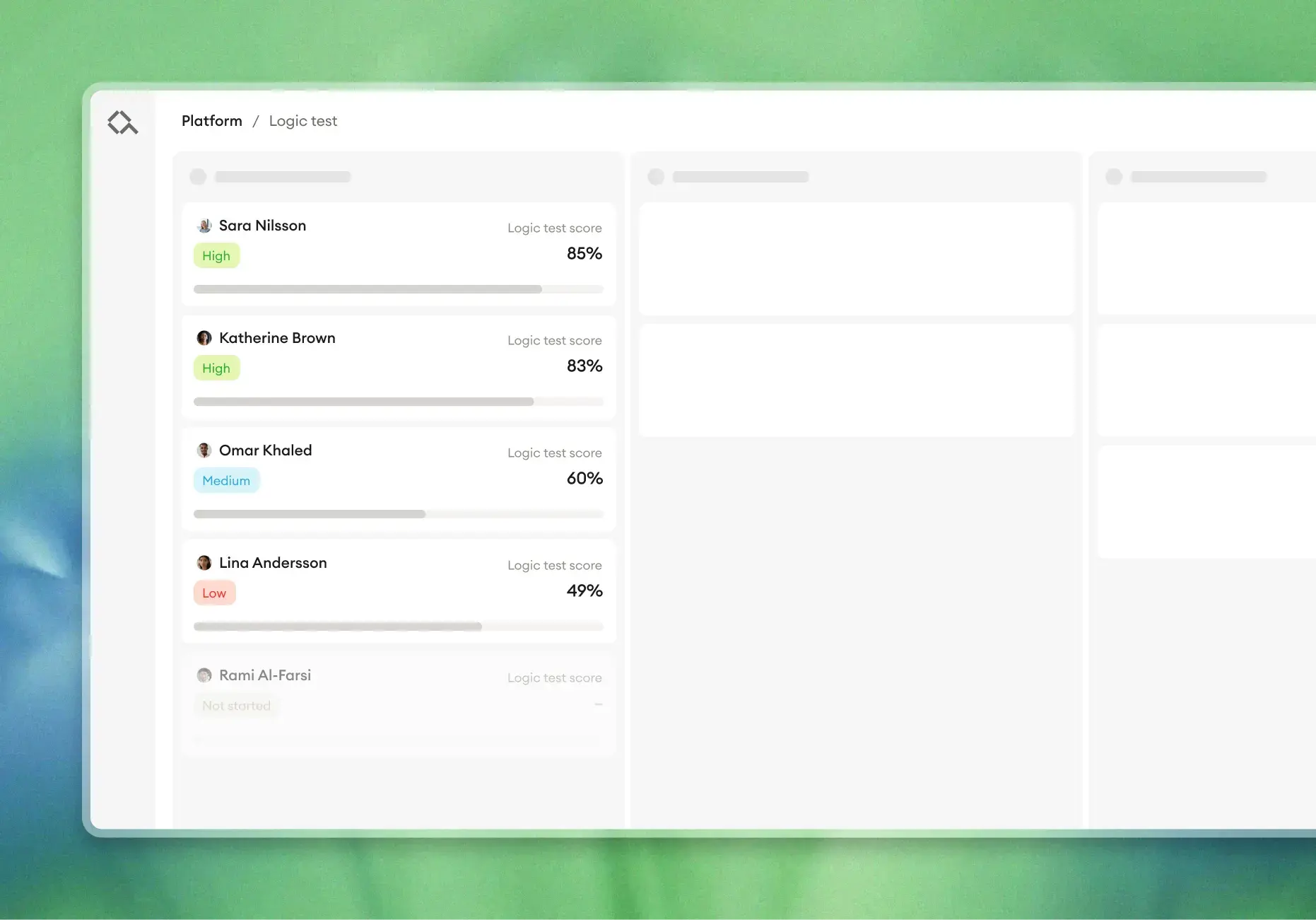
Using AI tools like ChatGPT
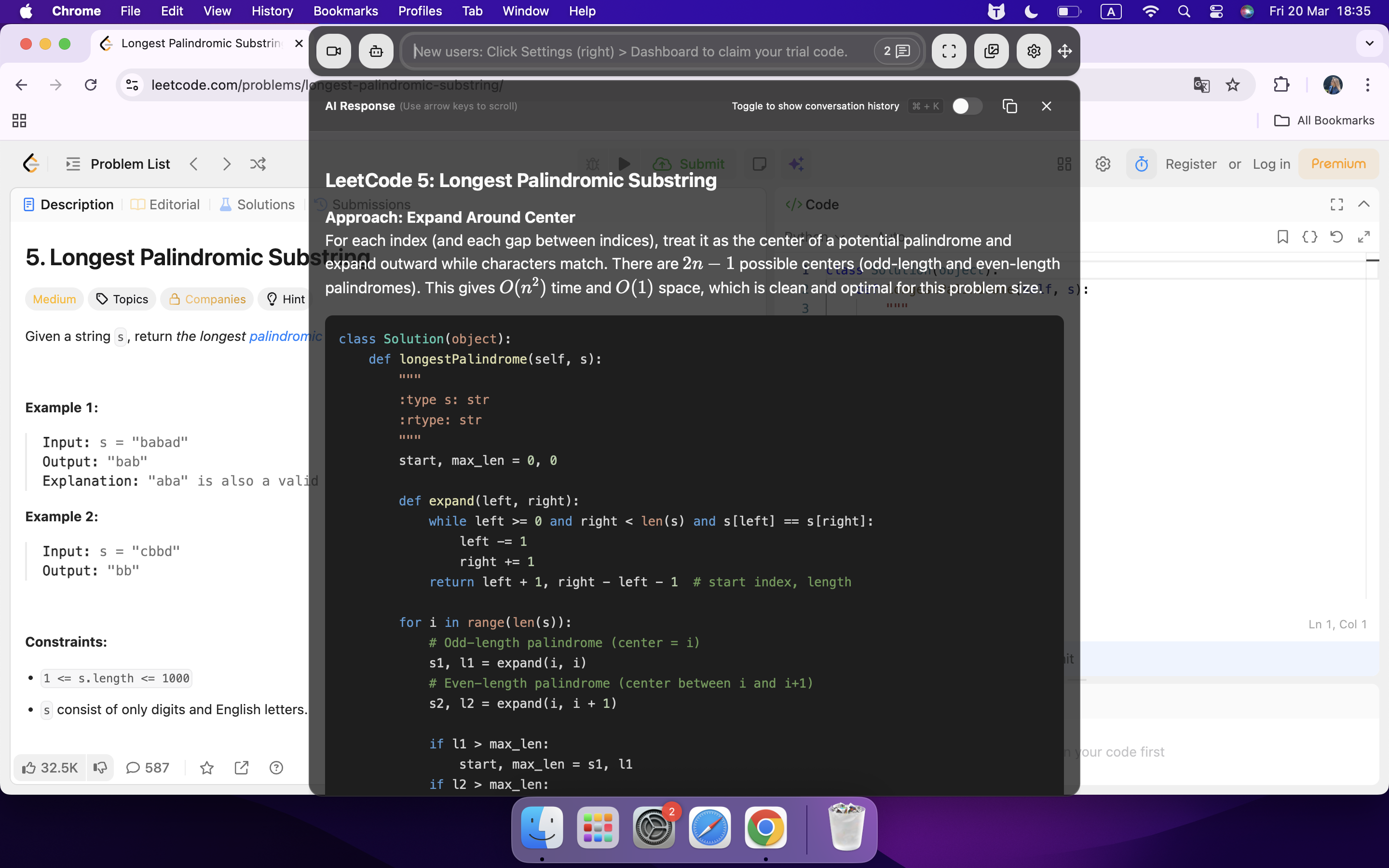
While general-purpose AI tools like ChatGPT can help solve tricky problems during interviews, their biggest drawback is that they're easily spotted as soon as you share your screen. So, it's not recommended to use them.
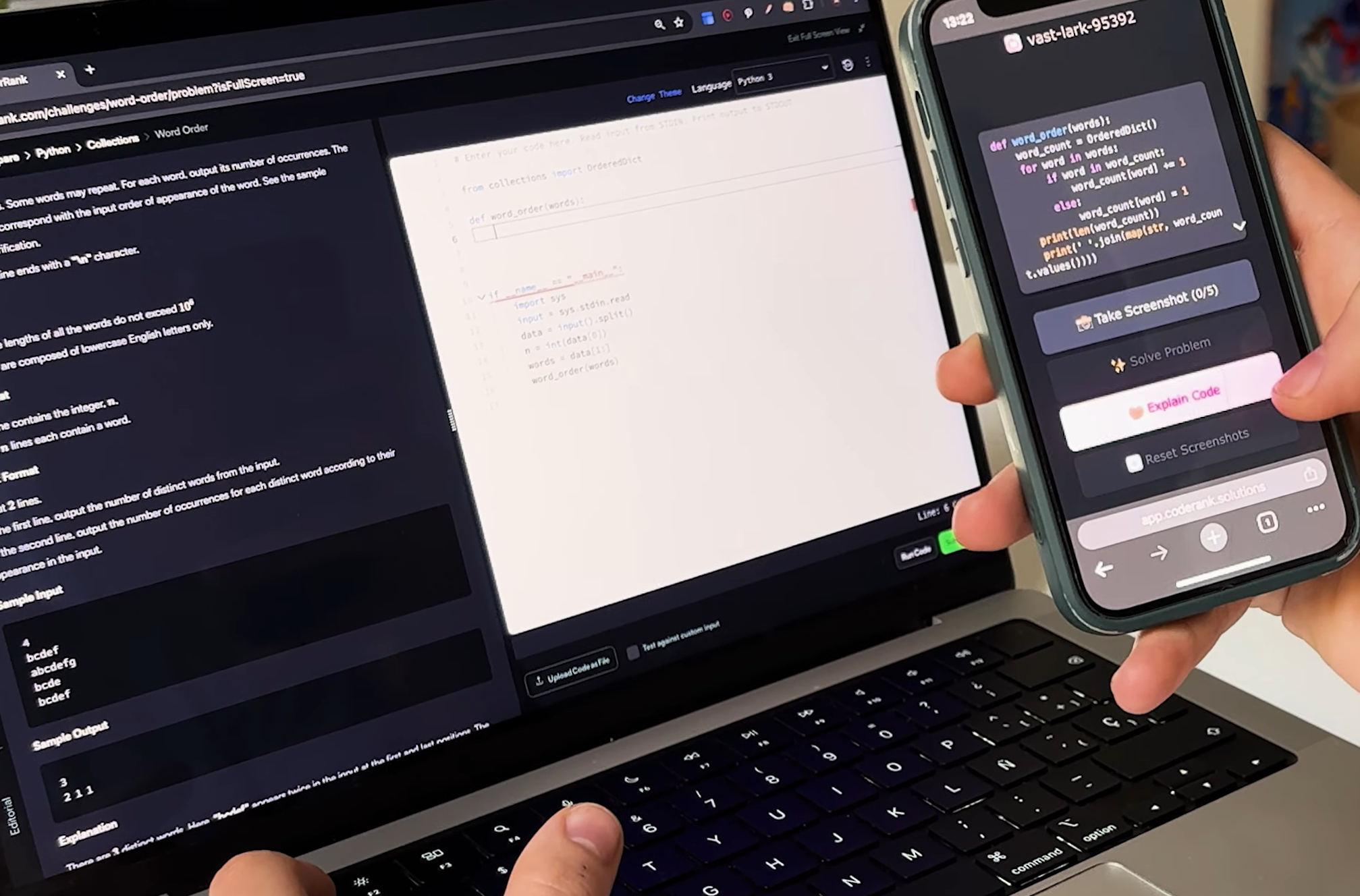
You might think about using these tools on your phone, but if the assessment requires you to turn on your camera, this method is almost impossible to hide. It's pretty clear that most assessments and interviews these days require you to share your full screen and turn on your camera for the proctor or interviewer, even though Alva Labs itself, as a standalone tool, doesn't support these features.
For example, in an assessment I took, the interviewer asked me to use Microsoft Teams to start an online meeting and told me to turn on my webcam and share my full screen. I knew he was recording the whole interview because the email I got about the assessment said so.
Getting Help From Outside and Sharing Codes
This method is even more outdated: you take photos of interview questions, send them to friends for help, and then copy the answers. It's got the same problems as regular AI tools — it can't do screen sharing or real-time camera monitoring.
Web Browser Tips and Extensions
This method is slightly better than the previous two – it's cheating using browser extensions! But it still doesn't meet the screen-sharing requirements. Extensions running on the same page as the assessment layer (some support other layers too, but still rely on tabs to achieve so-called "invisibility"), so once you're on the assessment layer, you've either got to avoid using them altogether or use tools that are pretty useless, like components that stop you switching tabs.
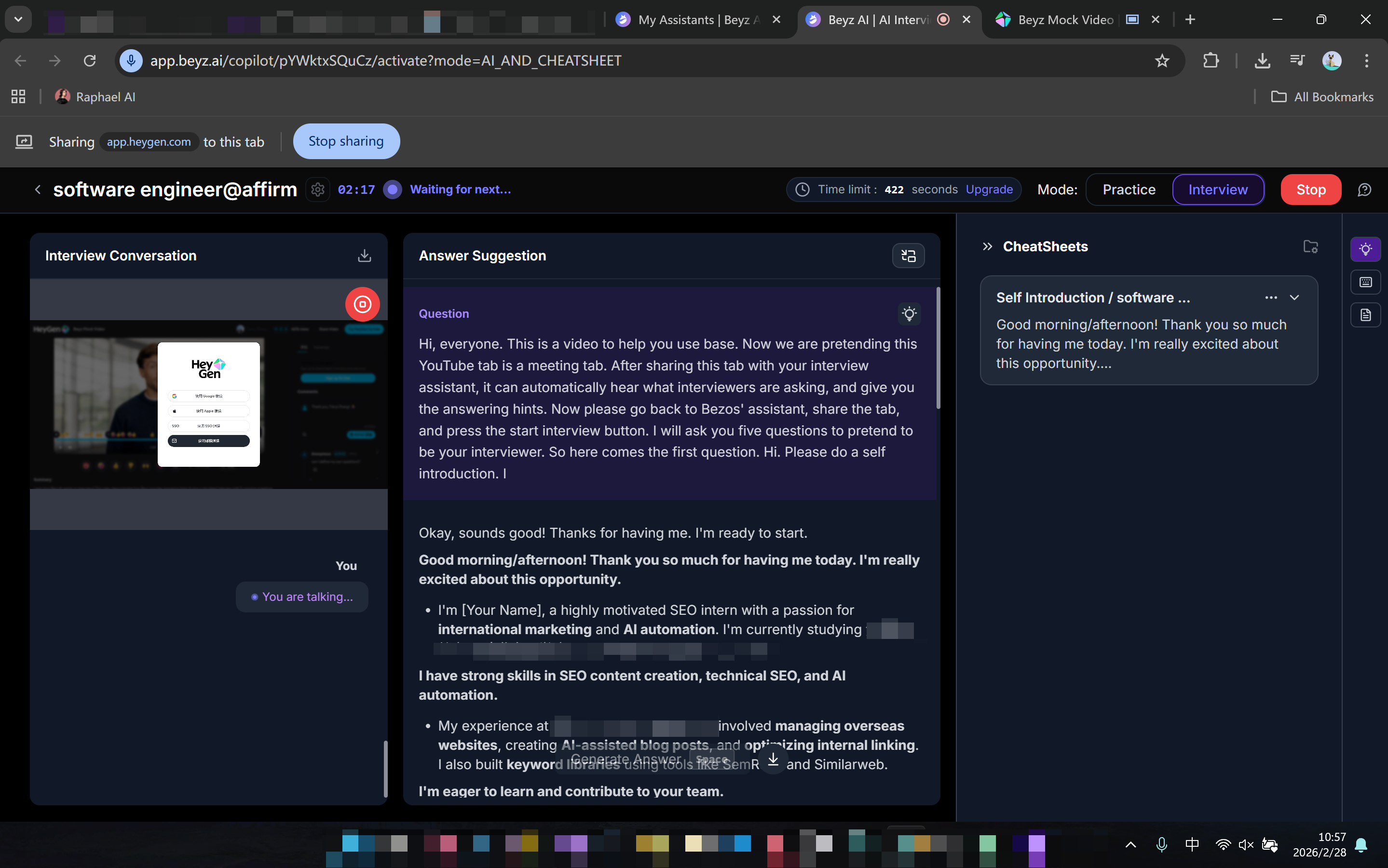
If you try to cheat by sharing answers or switching locations, the system can flag your attempt. The random order of questions makes it almost impossible to use someone else’s answers. Time limits add even more pressure. I always remind myself that getting caught can mean losing a job offer or being banned from future assessments. That’s a risk I’m not willing to take.
Note: Even if you find a way around the system, your results won’t reflect your real skills. Employers want to see what you can actually do, not what someone else can do for you.
Best Way I Found to Cheat on Alva Labs Assessment
After a few failed attempts, I had made up my mind that the best way to cheat discreetly is to look for other AI interview assistants that could provide real-time help and stay 100% undetectable. That's when I first came across Linkjob AI. I tried a few other options too, like Sensei AI, Lockedin AI, and Cluely, but it was Linkjob AI that actually helped me pass the Alva Labs assessment and get the job.
My choice: Linkjob AI
I'm going to share a few reasons why I love Linkjob AI.
The interface is simple and user-friendly, making it easy for even first-time users of AI tools to get started without needing to make many adjustments.
It also supports advanced settings, such as custom prompts and the ability to upload files in various formats.
It's got all sorts of handy features, like global invisible hotkeys and screen capture, which can hide your keyboard activity.
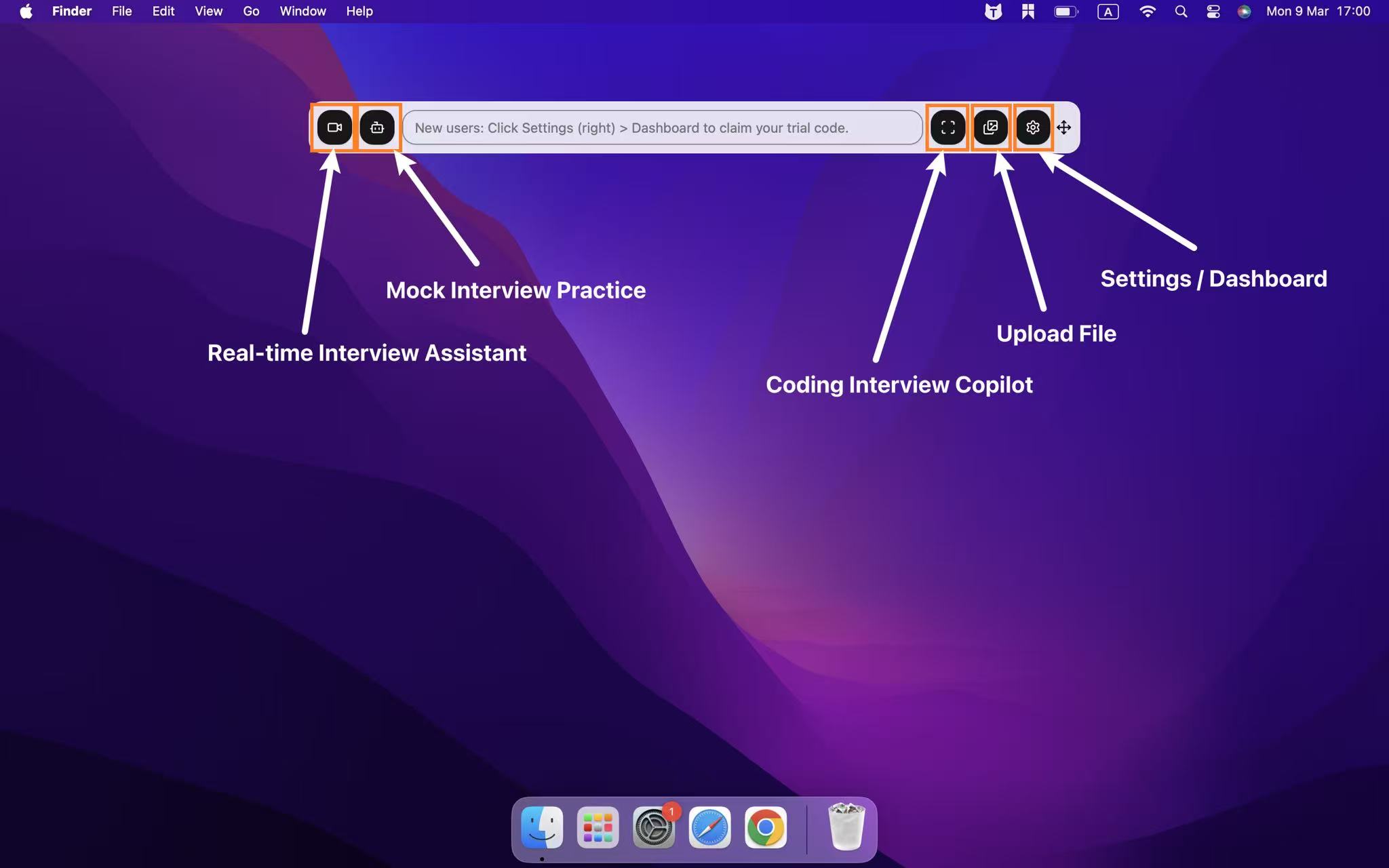
It's got 129 of the latest and most powerful AI models to choose from, including Claude Opus, and you can try all of them during the trial period.
As long as you use it right, interviewers will never spot it—I've never been caught using it.
It can recognise and transcribe speech automatically, and generate answers in the same window without you having to do anything else.
I can upload multiple screenshots at once, and it provides real-time suggestions without having to switch screens.
Key Strategies to Outsmart the Alva Labs Assessments
Practice with Similar Questions
When I started getting ready for the Alva Labs test, I realised that it was really helpful to practise sample logic reasoning questions. By working through questions that were just like the real exam, I could spot the same types of questions more quickly and feel more confident. I always set a timer to help me prepare for the real exam. This helped me get used to the pressure of the exam and taught me how to manage my time effectively.
Here’s a quick look at why this works:
Practice Method | Why It Helps |
|---|---|
Practicing Alva-style logic questions under real timing conditions | Builds speed and accuracy for the actual test |
Covering distinct patterns in study materials | Trains your brain to recognize patterns quickly |
I noticed that people who used official practice materials often improved their scores by 30% or more. That’s a big jump and shows how important practice really is.
Master Question Types
I found that knowing the different question types is just as important as practicing. The Alva Labs assessment covers several styles:
Deductive reasoning
Inductive reasoning
Logical puzzles
Syllogisms
Analytical reasoning
Each type tests a different skill. For example, some questions check how well you spot patterns, while others look at your ability to draw logical conclusions. I made sure to review each type so I wouldn’t get caught off guard.
Tip: I like to mix up my practice sessions. One day, I focus on logical puzzles. The next, I tackle syllogisms or analytical reasoning. This keeps my mind sharp and ready for anything.
Time Management
Time can slip away fast during the test. I always keep an eye on the clock and never spend too long on one question. If I get stuck, I move on and come back later if there’s time. Practicing under timed conditions helped me stay calm and focused.
Here’s my simple time management plan:
Read each question carefully, but don’t overthink.
Answer the easy ones first.
Mark tough questions and return if time allows.
Review answers if I finish early.
Staying calm and focused is just as important as knowing the material. When I manage my time well, I feel more in control and less stressed.
Advanced Tips For Cheaters
Pattern Recognition
I look at each matrix and break it down by rows and columns. This helps me spot the common Alva Labs logic patterns that show up again and again. I never guess right away. Instead, I test one rule at a time, like checking if shapes rotate or colors change in a certain order. Here’s how I approach each puzzle:
I scan the rows for repeating shapes or movements.
I check the columns for changes in color or direction.
I test one possible rule at a time, not all at once.
I avoid guessing until I’ve ruled out obvious patterns.
Tip: I always remind myself to slow down at the start. Early accuracy sets the tone for the rest of the test.
Stress Management
Staying calm under pressure makes a huge difference. I used to rush through the first few questions, but that only led to mistakes. Now, I take a deep breath before each question. If I get stuck, I move on and come back later. Practicing under real test conditions helps me stay cool when the clock is ticking. I also keep water nearby and take a quick stretch if I feel tense.
Using Online Resources
I don’t just rely on practice tests. I use online forums, video tutorials, and puzzle apps to sharpen my skills. I look for resources that focus on Alva-style questions, not just generic puzzles. Here’s a quick comparison of how advanced preparation stacks up against basic strategies:
Preparation Technique | Advanced Strategies | Basic Strategies |
|---|---|---|
Focus | Targeted practice on Alva-style questions | Generic puzzle practice |
Test Understanding | Emphasis on the adaptive nature of the test | Limited understanding of test format |
Pattern Recognition | Systematic analysis of rows and columns | No specific focus on patterns |
Rule Identification | Testing one rule at a time | Guessing without a strategy |
Time Management | Practicing under a strict time limit | No time constraints in practice |
Accuracy Under Pressure | Importance of early accuracy and calmness | Rushed answers without a strategy |
I always choose advanced strategies because they help me feel prepared and confident on test day.
FAQ
How can I prepare for the Alva Labs logic test?
I started with practice with Linkjob AI's mock interview feature. I used sample logic puzzles and set a timer. I focused on spotting patterns and improving speed.
Can I use calculators or tools during the assessment?
I had never used calculators, but as far as I can tell, if you used some completely invisible tools, the proctors and interviewers would not deny your perfect results.
What should I do if I get stuck on a question?
I triggered Linkjob AI's global hotkeys to get instant answers for hard questions. But to stay unnoticed, I also moved on quickly during one or two super hard questions, and came back to them after all others were done.
Is it possible to retake the Alva Labs assessment?
Sometimes you can get a second chance, but not always. I checked with the employer or recruiter before assuming I could retake the test, and it turned out that it was my only chance.
See Also
Strategies to Outwit HackerEarth Proctoring in 2026
Using AI to Successfully Cheat on TestGorilla in 2026
My Experience Cheating on Proctorio in 2026
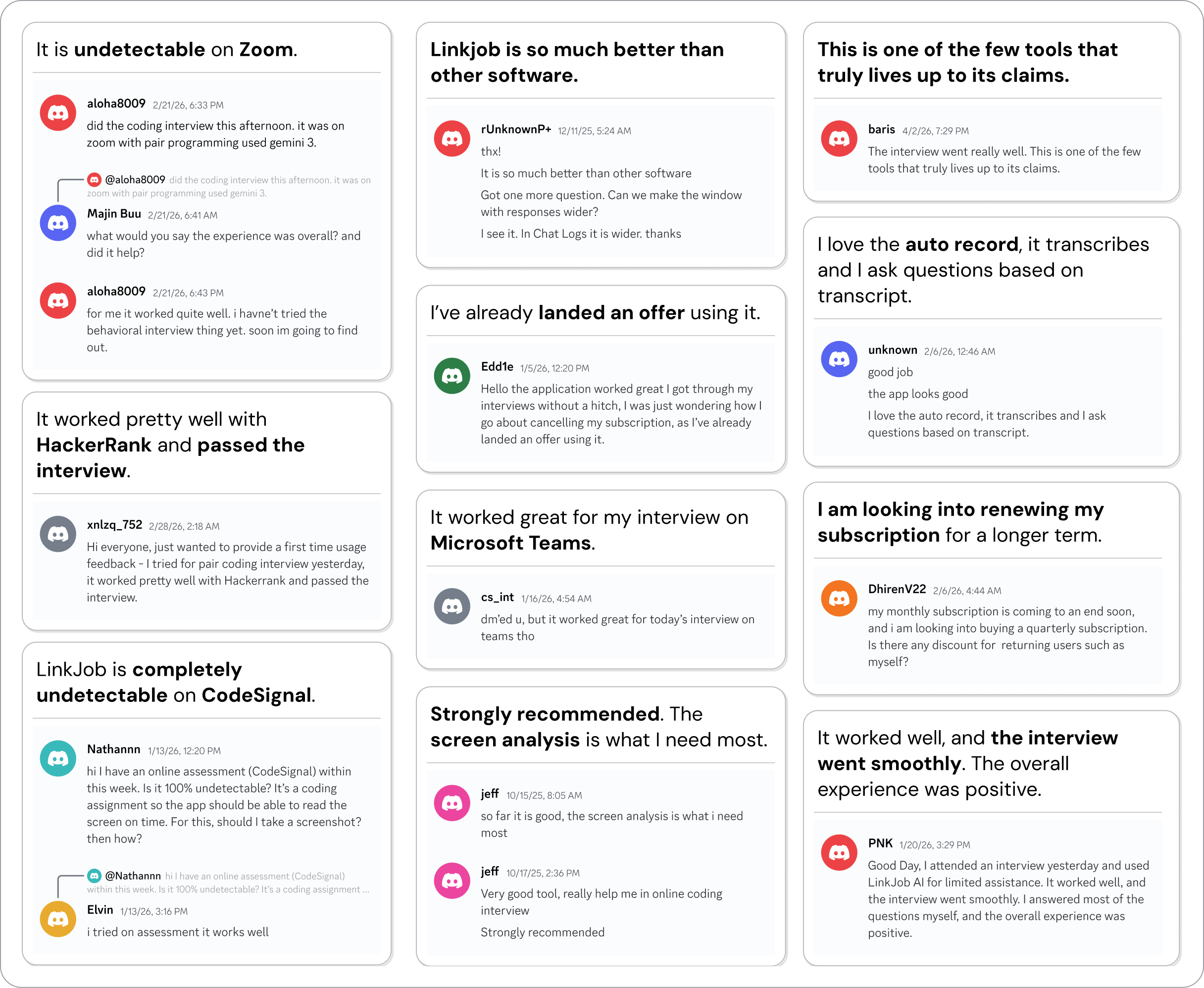
Why People Choose Linkjob AI
Smoother interviews, coding challenges cleared, and job offers landed. See how users describe their experience with Linkjob AI—in their own words.

© Copyright 2026 Linkjob AI - All Rights Reserved.