Interview Coder vs LockedIn AI: Battle of Features & Stealth

If software engineers want to get ahead in interviews, they're using AI-assisted tools more and more. Sometimes, people like me think about using AI to help out during live interviews. In the developer community, there have been loads of discussions comparing different tools, like Interview Coder, on Reddit, Blind, and on engineering-focused Discord channels. I've also read a bunch of articles on topics like Interview Coder vs Parakeet AI, best Interview Coder alternatives, and Lockedin AI vs Final Round AI.
I recently did a full test to see how they'd both perform in a real-life setting. In this in-depth analysis, I'll break down their reputation on the web, how long it takes to connect, the privacy risks when sharing your screen and how much it's really worth for the subscription. I'll also explain why audio latency forced me to switch to a faster alternative: Linkjob AI.
Public Sentiment: Interview Coder vs LockedIn AI
Before executing live system design or pair-programming benchmarks, I spent weeks investigating candidate sentiment across developer platforms, Reddit threads on r/leetcode and r/cscareerquestions, Blind posts, engineering teardowns, and tech reviews on Shadecoder. Examining feedback from verified software engineers comparing Interview Coder vs LockedIn AI revealed distinct patterns regarding subscription costs, audio processing delays, anti-cheat risks, and user interface stability.
Interview Coder Reputation and Developer Sentiment
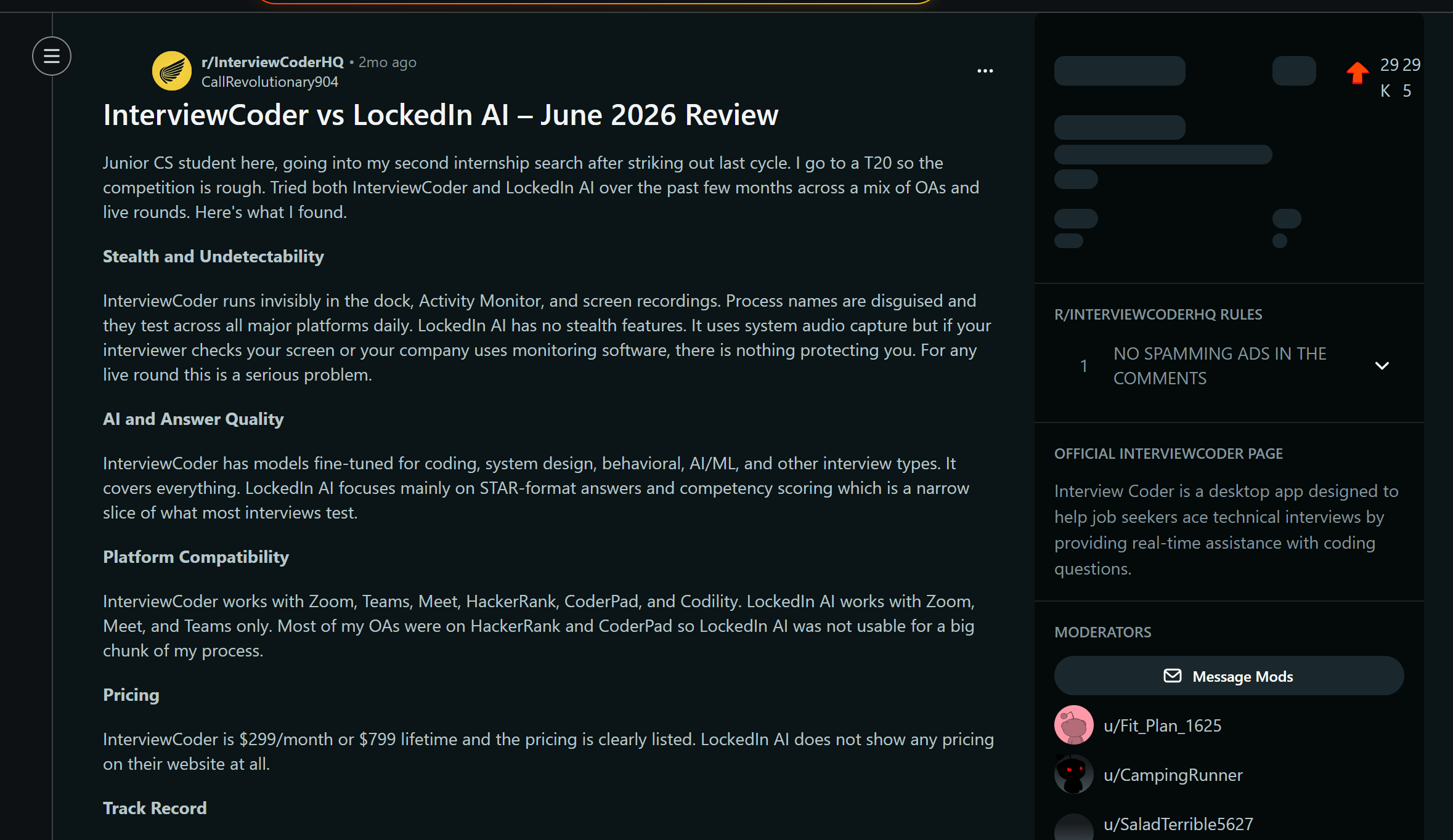
Interview Coder is a professional tool designed for developers, mainly to solve algorithm problems in the LeetCode and CoderPad environments. Its focused interface design is really popular with competitive programmers, but community feedback has highlighted its significant operational limitations:
Limited to single-file algorithms: People on r/leetcode have said that while Interview Coder is great for working on your own algorithmic puzzles, it's not so good when it comes to open-ended backend architectures, multi-file refactoring, or dynamic database optimization.
Visibility of the screen-sharing overlay: Blind has received multiple developer reviews warning that Interview Coder's floating desktop overlay may be captured when sharing a full-screen view via Zoom or Microsoft Teams.
Success Attracts Attention, and Recent Gossip: Back around May 2026, a bunch of people were posting on Reddit and other platforms saying they'd been disqualified by companies for using Interview Coder (the paid plan) during interviews. I can't say for sure whether this rumour is true, but I think it's worth mentioning.
LockedIn AI Community Reception and User Feedback
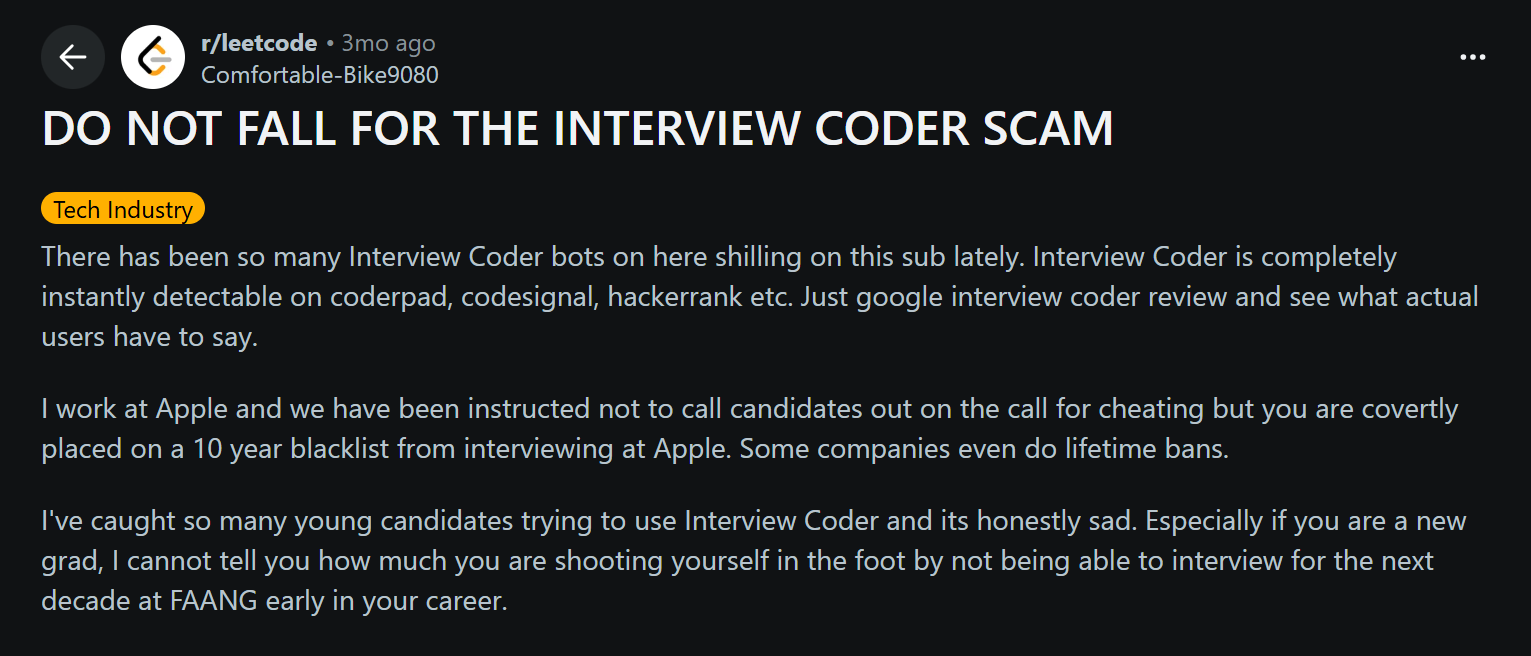
LockedIn AI markets itself as an all-in-one interview copilot designed to assist across technical coding screens, sales calls, and behavioral interviews. However, third-party teardowns and candidate reviews point to notable operational friction during live technical rounds.
Community & Reputation Metric | Interview Coder Feedback | LockedIn AI Feedback |
Primary Target Audience | Software engineers & competitive programmers | Multi-industry candidates (Tech, Finance, Sales) |
Primary Strength | Minimalist UI tailored for algorithm code generation | Broad feature suite covering behavioral & tech rounds |
Primary Operational Hazard | Desktop overlay visibility during full shares | High audio transcription latency (3.5s – 6.0s) |
Pricing Sentiment | High initial cost ($299/mo or $799 lifetime) | Credit-tier system with recurring monthly costs |
Community Rating (Reddit/Blind) | 3.4 / 5.0 | 3.1 / 5.0 |
Real-World Benchmarks: Interview Coder vs LockedIn AI
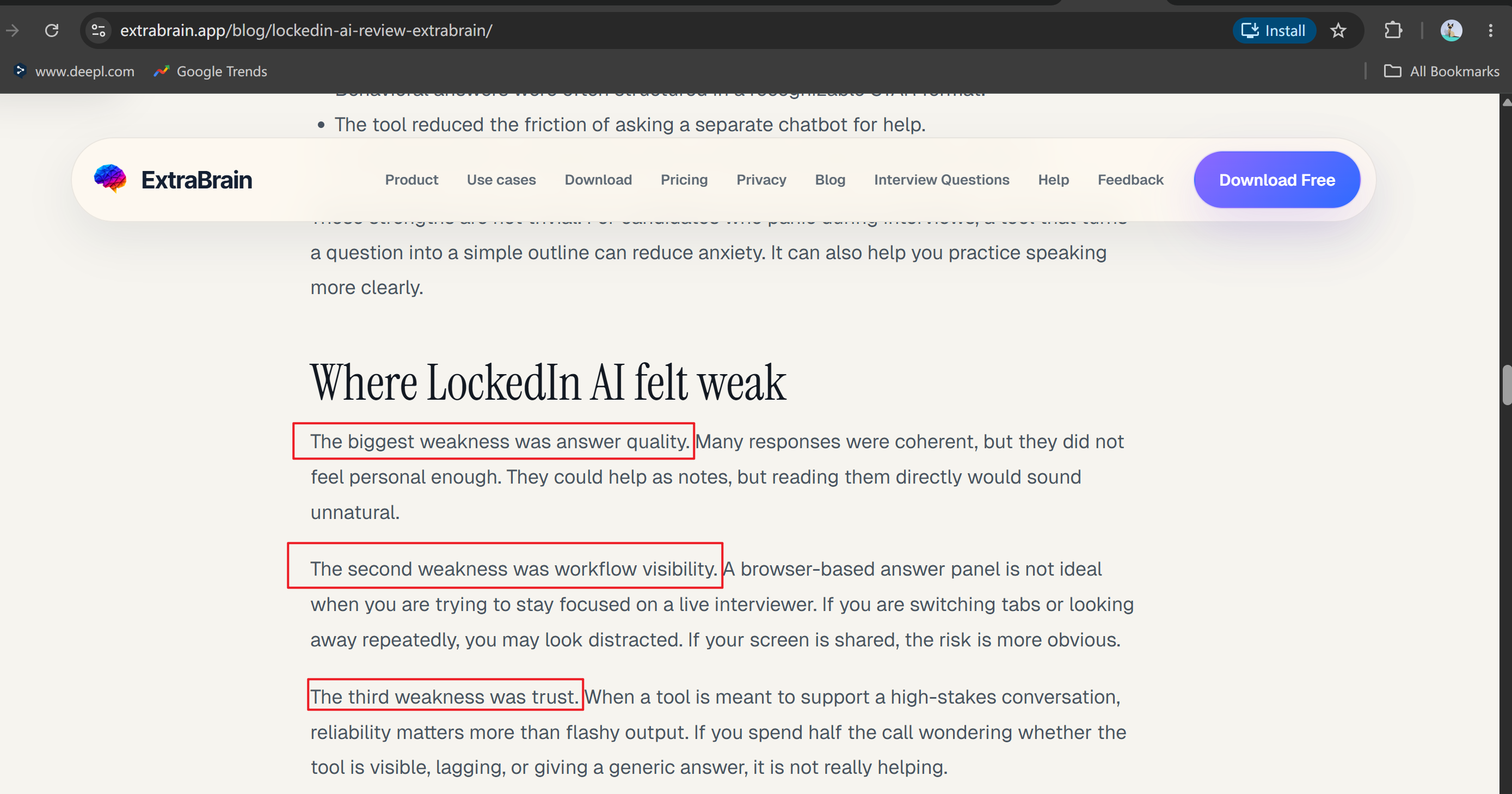
To put these two tools through their paces in the real-world pressure of a technical interview, I came up with a high-throughput microservice refactoring and database tuning benchmark. I designed the evaluation to recreate a real-life Go/gRPC service that's struggling with issues like a maxed-out database connection pool and PostgreSQL queries that aren't being indexed when we crank up the test traffic.
Feature Comparison Matrix: Interview Coder vs LockedIn AI
To visualize how these platforms compare technically alongside modern developer alternatives, I compiled performance data across input technology, response speed, stealth capabilities, model access, and pricing:
Feature Benchmark | Interview Coder | LockedIn AI | Linkjob AI |
Primary Input Tech | Area Screen Capture | Speech-to-Text Audio Ingestion | Smart Screenshot Capture |
Response Latency | 2.5 – 4.0 Seconds | 3.5 – 6.0 Seconds | 1.0 – 2.0 Seconds |
Screen Share Stealth | Soft Overlay (Visible on DWM) | Desktop Overlay (Visible on DWM) | Hidden Background Process |
DOM Focus Safety | Triggers | Triggers | 100% Sandbox Independent |
AI Model Choices | Fixed Cloud LLMs | Wrapped Proprietary Models | 80+ Top Models (GPT-5, Claude) |
Multi-Device Support | Single Device Focus | Desktop + Mobile Mirroring | Desktop + Multi-Device Support |
Monthly Starting Cost | $299 / month (or $799 lifetime) | $85 – $120 / month | $29.99/mo (Annual) / $99.99 Monthly |
Audio Processing Bottlenecks in Live Technical Screens
When testing Interview Coder vs LockedIn AI on response generation speed during live database optimization, speech-driven copilots encountered severe latency bottlenecks. Voice-based interview assistants rely on a multi-stage ingestion pipeline:
Audio Ingestion: Capturing spoken dialogue through virtual sound drivers or microphone inputs.
Speech-to-Text (STT) Parsing: Translating spoken words into text, where complex technical terms like connection pooling, EXPLAIN ANALYZE, or B-tree indexing are frequently mistranscribed.
Prompt Construction & API Dispatch: Packaging parsed transcripts into HTTP payloads and routing them to remote LLM servers.
LLM Generation & Overlay Streaming: Waiting for cloud models to process prompts and stream text back to desktop window overlays.
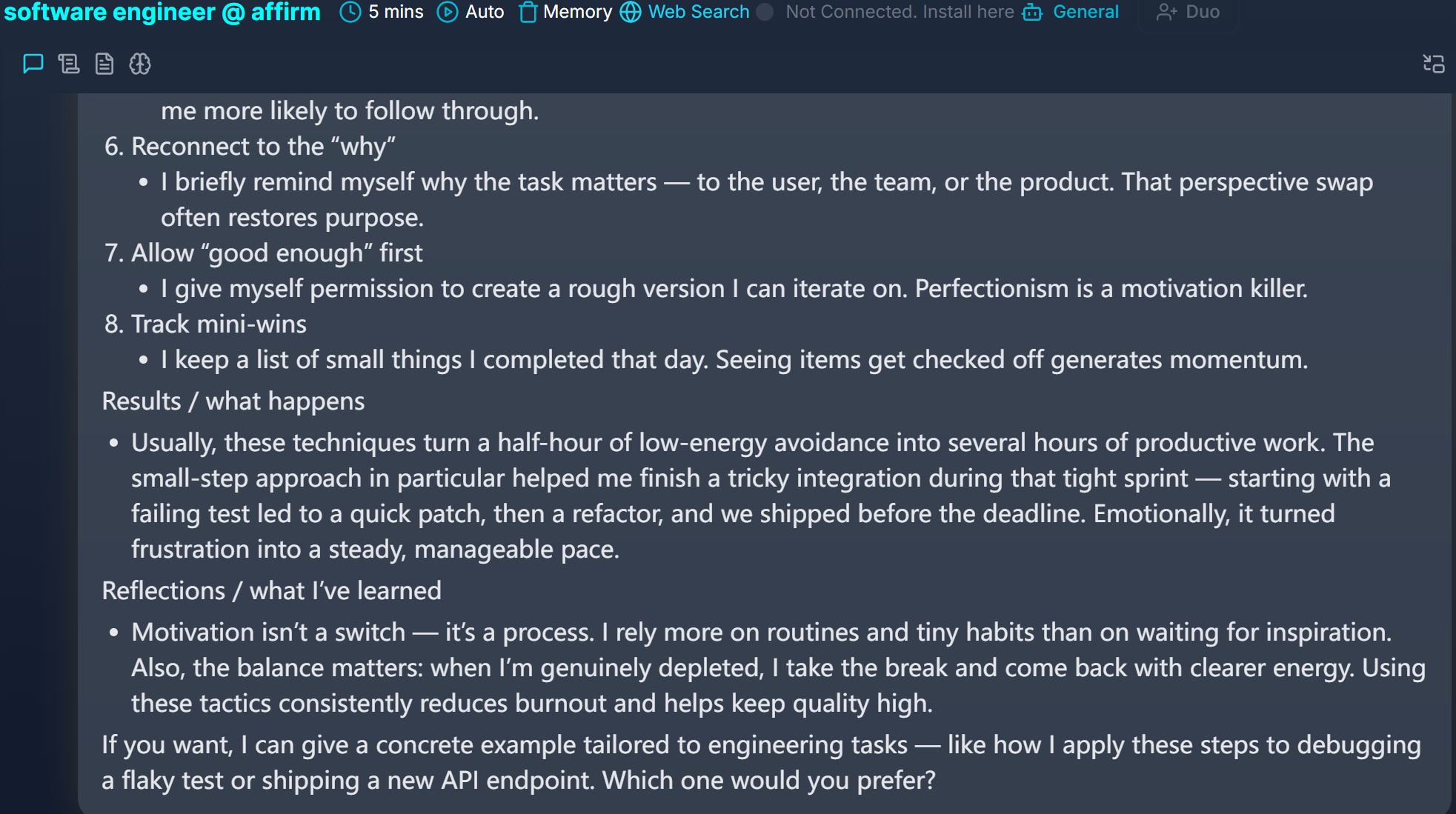
This multi-step pipeline results in uncomfortable 3.5 to 6-second delays during rapid technical discussions. By contrast, replacing speech transcription with direct visual context capture eliminates speech latency completely. Linkjob AI utilizes Smart Screenshot Capture to snapshot target screen regions instantly and stream visual code directly to multi-modal AI models. Instead of waiting 5 seconds for speech transcription, Linkjob AI processes live IDE code, SQL queries, or architecture diagrams in 1 to 2 seconds, delivering precise code without missing context.
Stealth Architecture: Interview Coder vs LockedIn AI Breakdown
Stealth is the single most critical factor when selecting an interview assistant. If a tool leaves visible window elements during a full-desktop screen share or triggers browser-level focus tracking, candidates risk immediate disqualification.
Screen Share Visibility and Overlay Pipeline Risks
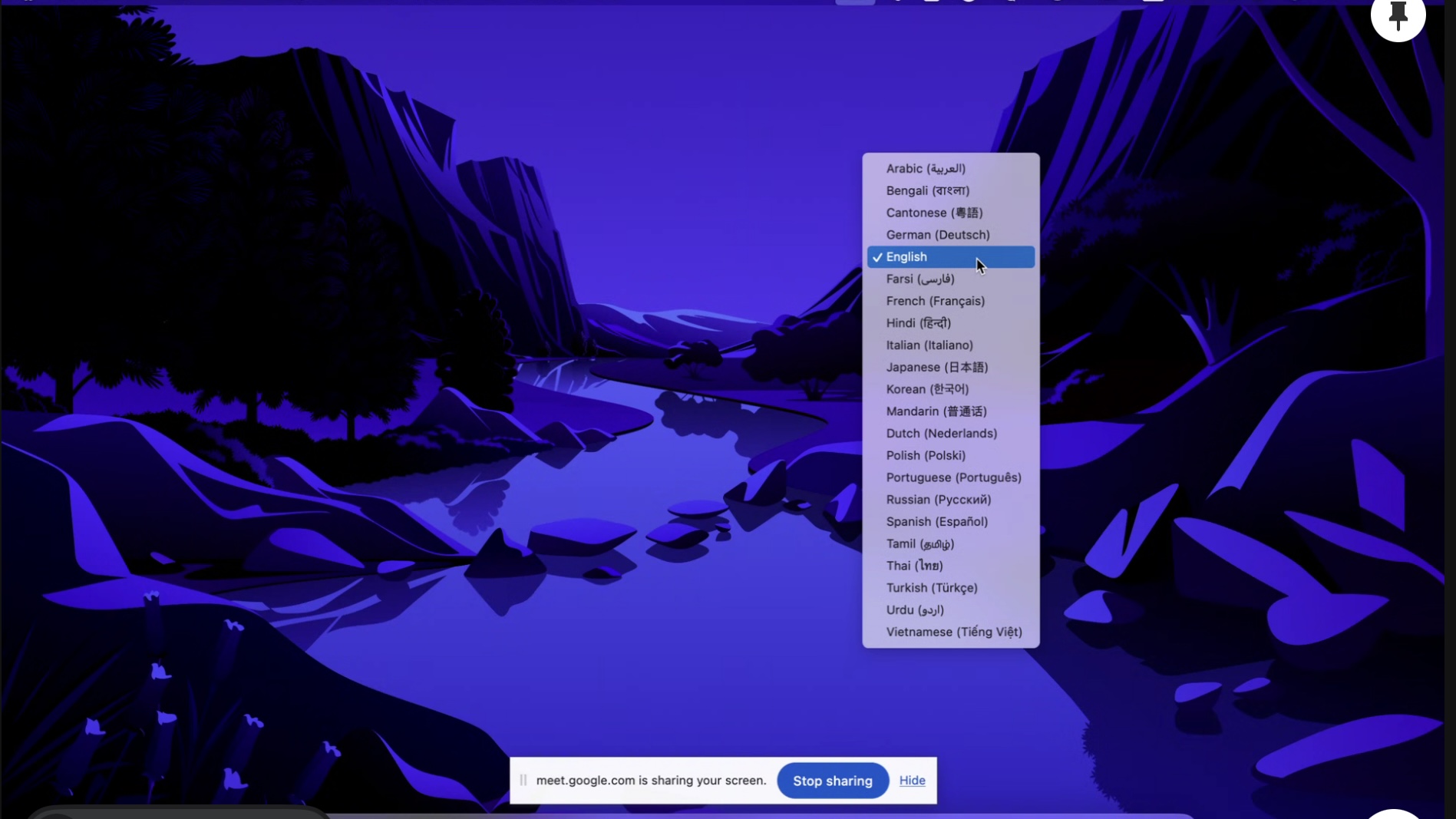
During technical screens, recruiters routinely require candidates to share their entire desktop—rather than an isolated browser tab—to monitor their problem-solving workflow. During my screen-sharing tests on Zoom and Microsoft Teams, testing Interview Coder vs LockedIn AI exposed major visibility risks:
Standard Desktop Overlay Pipeline (Interview Coder / LockedIn AI):
[Copilot Desktop Window Overlay] ➔ [OS Desktop Window Manager (DWM)] ➔ [Zoom Full Desktop Capture] ➔ [Overlay Visible to Interviewer]

Linkjob AI Hidden Background Pipeline:
[Smart Screenshot Capture] ➔ [Hidden Background Process] ➔ [Stealth Concealment Layer] ➔ [0% Visibility on Zoom/Teams Share]
Desktop Window Manager (DWM) Layer Flattening: Standard desktop applications and floating overlays exist within the operating system's primary window hierarchy. When sharing a full desktop on Zoom or Teams, DWM flattens visual layers, making prompt overlays visible on the interviewer's feed.
Single-Monitor UI Obstruction: Running floating desktop overlays on single-monitor setups can block lines of IDE code or terminal logs, forcing candidates to manually adjust window positions during live refactoring sessions.
To eliminate screen-sharing detection entirely, Linkjob AI operates as an invisible background process outside the browser sandbox, remaining 100% hidden during full-desktop Zoom, Microsoft Teams, and Google Meet screen shares.
DOM Focus Tracking and Anti-Cheat Event Logs
Online assessment platforms like HackerRank, CoderPad, HirePro, and TestGorilla utilize client-side JavaScript event listeners to track user behavior and detect unauthorized external applications:
Tab-Switching Tracking: Clicking on external pop-ups or floating desktop overlays shifts focus away from the test tab, firing
window.onbluranddocument.visibilitychangeevents.Keyboard Hotkey Interception: Triggering desktop overlays via browser hotkeys fires standard
keydownevents that proctoring scripts monitor for suspicious background activity.
// How Proctored Assessment Platforms Detect Window Focus Loss
window.addEventListener('blur', () => {
    console.warn('Candidate shifted focus away from assessment window.');
    ReportAntiCheatViolation({ type: 'TAB_SWITCH_DETECTED', timestamp: Date.now() });
});
Because Linkjob AI operates completely outside the browser sandbox via hidden background processes, interacting with its interface avoids triggering DOM focus-blur events during proctored coding assessments.
Pricing & Value Analysis: Interview Coder vs LockedIn AI
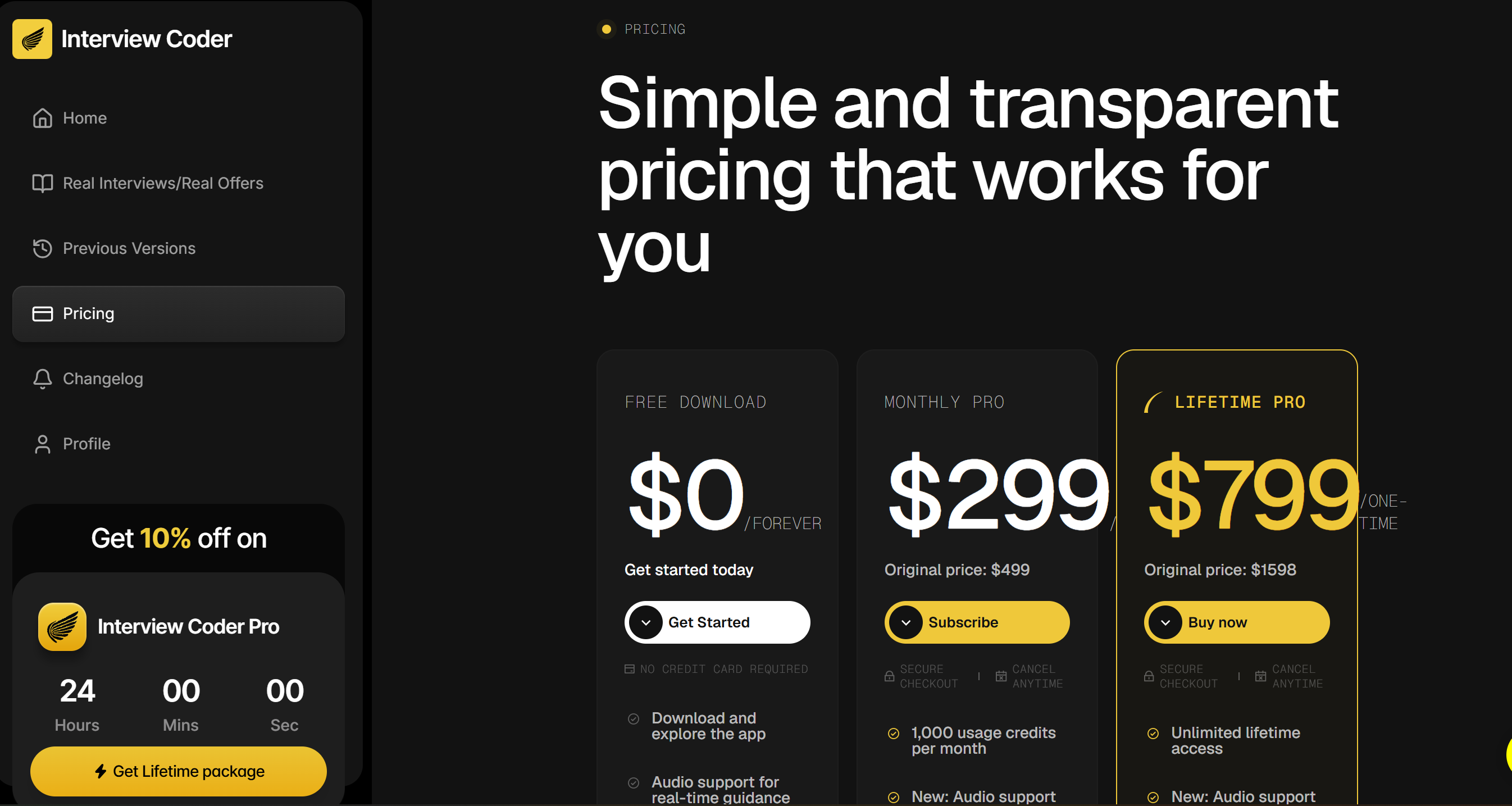
Evaluating the overall value of Interview Coder vs LockedIn AI requires looking beyond initial marketing claims to examine exact billing tiers, token limits, model availability, and cancellation policies.
Subscription Plans and True Value Breakdown
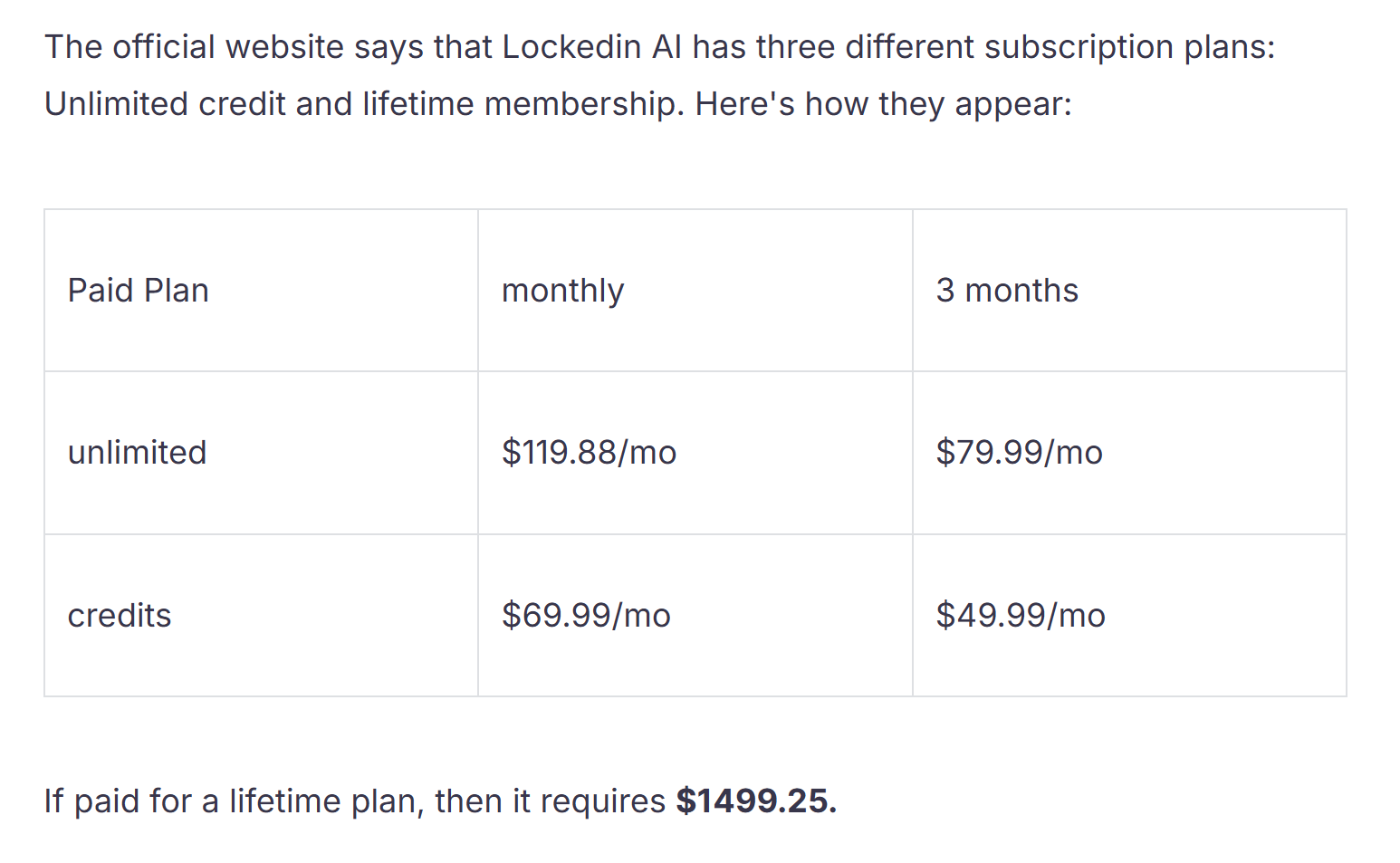
When comparing pricing models, job seekers should carefully review whether a tool imposes high entry fees or restrictive credit caps:
Interview Coder Pricing: Charges a steep $299 per month or a $799 lifetime payment. While it offers unlimited usage for algorithm problems, its high price tag creates a significant financial barrier for candidates on a budget.
LockedIn AI Pricing: Utilizes a credit-tiered pricing model ranging from $85 to $120 per month. However, candidate reviews frequently complain about restrictive usage caps that deplete mid-interview during long technical screens.
Linkjob AI Pricing: Provides transparent, developer-friendly pricing without hidden stealth upsells. Candidates can choose the annual plan at $29.99 per month ($359.88 billed annually) or a flexible $99.99 per month monthly plan. Both options unlock access to over 80+ top-tier AI models (including GPT-5, Claude, and Gemini 3 Pro), unlimited usage, hidden background process stealth, Smart Screenshot Capture, and self-service cancellation.
Technical Engineering vs General Meeting Copilots
Selecting an interview copilot in 2026 requires choosing a platform tailored specifically for technical problem-solving rather than generic meeting notes:
"Generalist meeting tools built for sales or non-technical calls often produce lengthy, conversational paragraphs when you need concise, syntactically perfect code blocks with runtime complexity breakdowns." — Principal Architect Teardown
Purpose-Built Technical Precision: Specialized coding copilots provide structured code snippets, time/space complexity analysis ($O(N \log N)$), and edge-case handling tailored for backend screens.
Single-Device Workflow: Secondary mobile phone configurations introduce physical lag and unnatural head movements that experienced interviewers notice on camera.
Model Versatility: Access to specialized coding LLMs yields superior algorithm optimization compared to fixed cloud wrappers.
Why Linkjob AI Beats Both Copilots for Developers
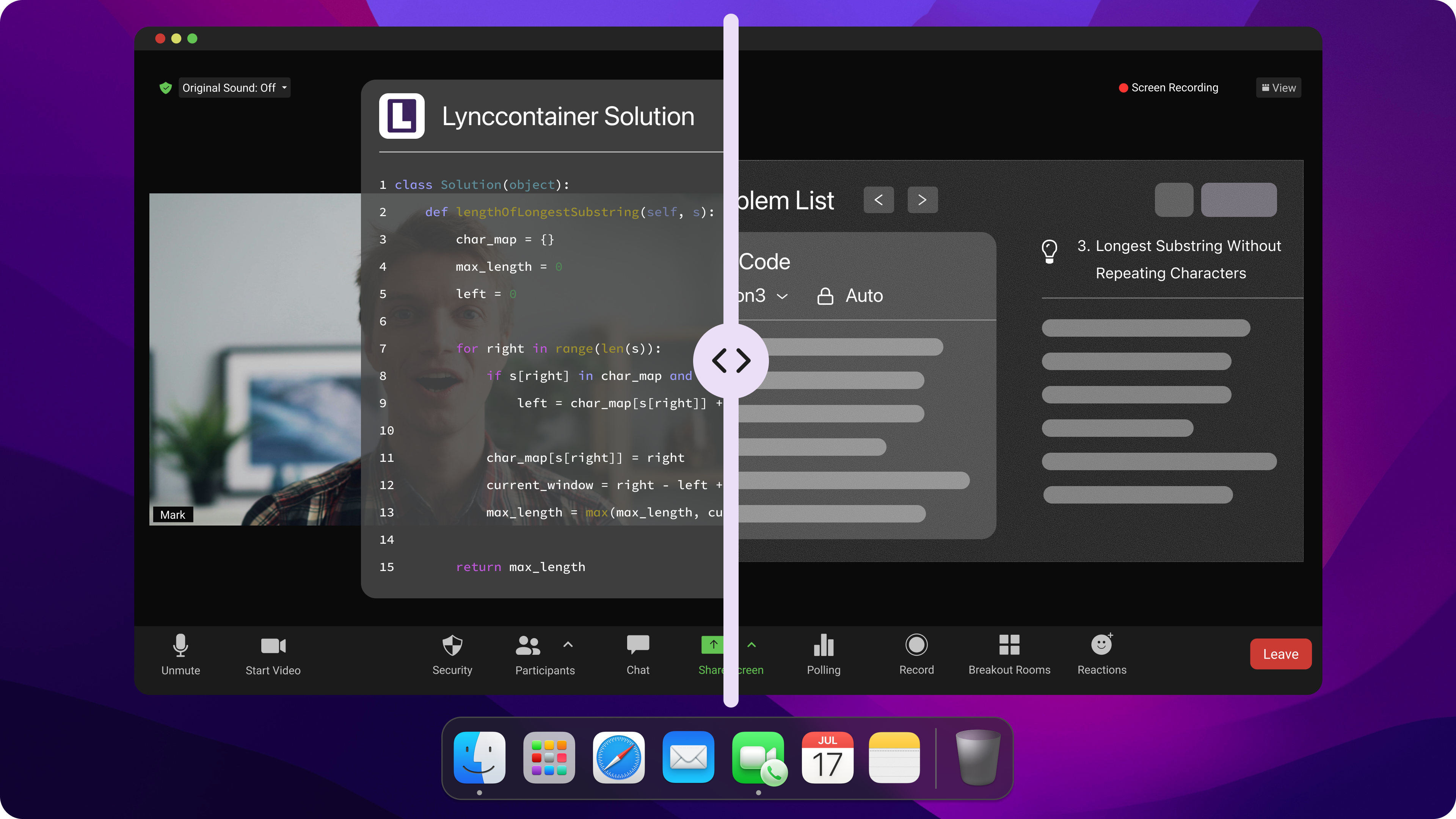
After extensively benchmarking Interview Coder vs LockedIn AI across simulated engineering screens, my conclusion was clear: neither platform provided the combination of sub-2-second speed, complete screen-share invisibility, and multi-model depth required for high-stakes technical loops.
Interview Coder's overlay visibility risks on Zoom and LockedIn AI’s high speech latency and credit limits left obvious gaps. Switching to Linkjob AI solved every performance bottleneck I encountered during live coding screens.
Sub-2-Second Speed with Smart Screenshot Capture
Adopting Linkjob AI eliminated performance bottlenecks during live coding screens:
Instant Region Capture: Pass LeetCode problems or architecture diagrams directly to AI models in 1 to 2 seconds.
Zero Audio Misinterpretations: Eliminates speech-to-text translation errors for complex technical terminology.
Streamlined Coding Workflow: Receive syntactically correct code snippets ready to explain on camera.
True Undetectability via Hidden Background Processes
Linkjob AI provides peace of mind during full-desktop screen shares:
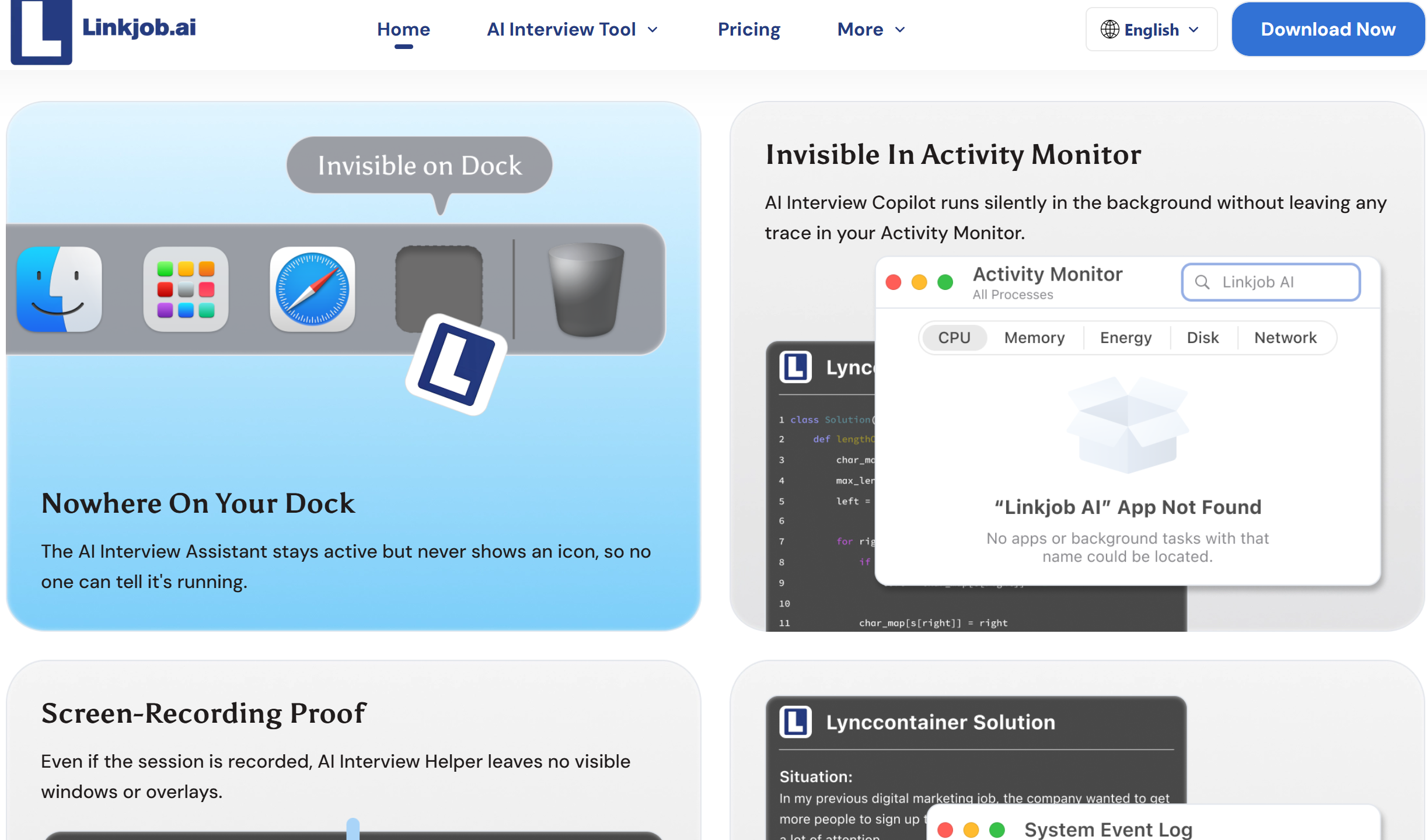
0% Zoom/Teams Share Visibility: Bypasses operating system window flattening during full-desktop screen shares.
DOM Focus Safety: Operates outside the browser sandbox to prevent triggering
window.onblurevents on proctored platforms.
Access to 80+ Top AI Models at Fair Pricing
Feature / Pricing Metric | Interview Coder | LockedIn AI | Linkjob AI |
Annual Price Tier | N/A | N/A | $29.99/mo ($359.88/yr) |
Monthly Flexible Tier | $299/mo | $85 – $120/mo | $99.99/mo |
Model Ecosystem | Fixed Cloud LLMs | Wrapped Proprietary Models | 80+ Models (GPT-5, Claude) |
Usage Policy | Unlimited Algorithm Usage | Restricted Credit Caps | Unlimited Usage & Tokens |
Stealth Concealment | Overlay Only | Overlay Only | Included in All Plans |
Final Verdict on Interview Coder vs LockedIn AI
When choosing between Interview Coder and LockedIn AI, software engineers need to balance speed, stealth and price. Interview Coder provides decent algorithmic code, but it's expensive at $299/month and there are risks to overlay visibility on Zoom, which are major drawbacks. LockedIn AI is great for behavioural questions, but its speech transcription lag (3.5 to 6 seconds) and credit caps can make dynamic technical rounds tricky.
If you're a developer looking for super-fast response times, total screen-share invisibility, and access to over 80 AI models at prices that won't break the bank, Linkjob AI is definitely the way to go in 2026.
FAQ
What is the primary difference between Interview Coder vs LockedIn AI?
Interview Coder is a tool designed for LeetCode algorithm problems, and it's tailored for developers. It costs $299 a month. LockedIn AI is a general-purpose interview tool that uses speech-to-text technology. It costs between $85 and $120 a month. Interview Coder uses regional screen capture tech, while LockedIn AI uses real-time audio streaming processing tech.
Can Interview Coder or LockedIn AI be detected during Zoom screen shares?
Yeah, you can capture standard desktop overlays used by both Interview Coder and LockedIn AI during full-desktop Zoom screen share because the operating system flattens window layers. Also, clicking on overlay windows changes the browser's focus, which proctored assessment platforms log as anti-cheat violations.
Why is Smart Screenshot Capture faster than speech-to-text copilots?
Smart Screenshot Capture takes instant visual snapshots of target screen regions and sends image context straight to multi-modal AI models in 1 to 2 seconds. This means it doesn't have to go through the usual multi-step audio input, speech-to-text, and transcript processes which can cause delays of 3 to 6 seconds in other voice-controlled assistants.
Does Linkjob AI support both technical and behavioral interview questions?
Absolutely, Linkjob AI has you covered with its wide-ranging support, whether you're grappling with techy coding issues or more behavioural challenges. It gives candidates access to over 80+ top-tier AI models, which generate structured STAR-method responses for behavioural rounds and production-ready code for algorithm screens.
See Also
Interview Coder vs Final Round AI: 2026 Developer Review
LockedIn AI VS Parakeet AI: Which Interview Assistant Wins?
Parakeet AI vs Interview Coder: Worth It or Just a Scam?
My Interview Coder Review 2026: Pros, Cons, What’s Missing
Best Interview Coder Alternative for Coding Interview Copilot
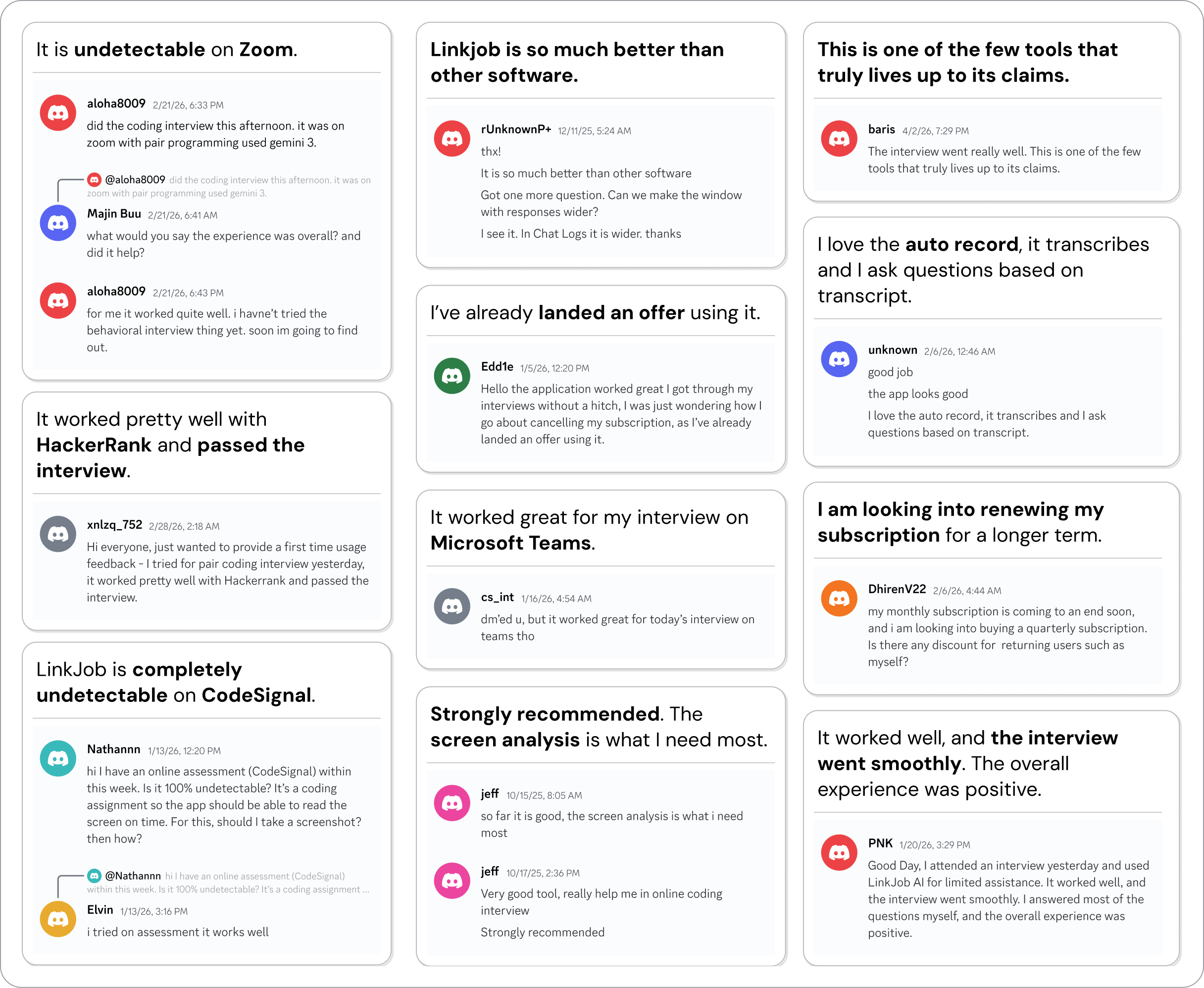
Why People Choose Linkjob AI
Smoother interviews, coding challenges cleared, and job offers landed. See how users describe their experience with Linkjob AI—in their own words.

© Copyright 2026 Linkjob AI - All Rights Reserved.